Black Airplane Boarding Bag
CN → US| HS Code | Tariff Rate | Origin | Destination | Doc |
|---|---|---|---|---|
| 3926903300 | 16.5% | CN | US | Official Doc |
| 3926904800 | 13.4% | CN | US | Official Doc |
| 4202923131 | 52.6% | CN | US | Official Doc |
| 4202923316 | 52.6% | CN | US | Official Doc |
| 4202128910 | 52.6% | CN | US | Official Doc |
Product Images
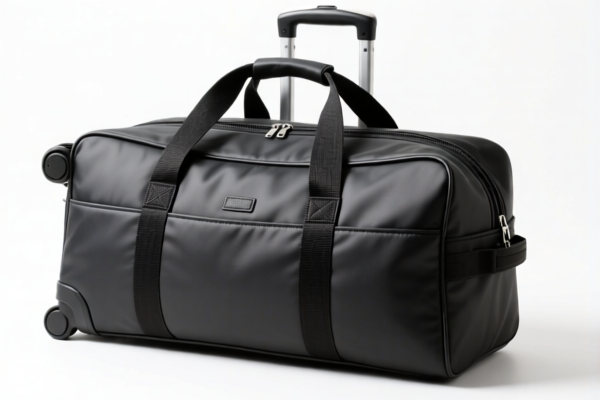
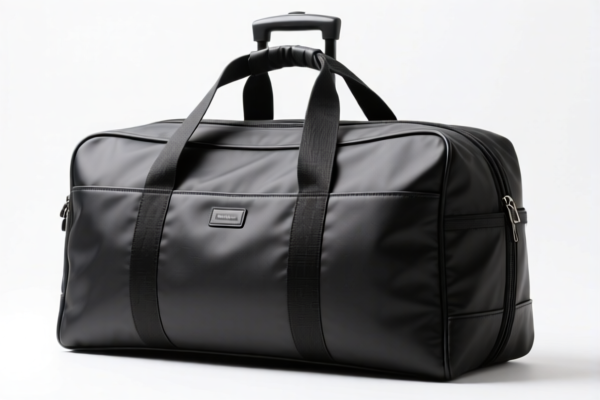
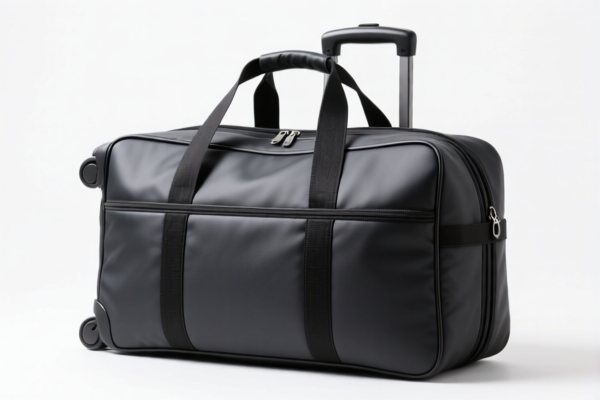
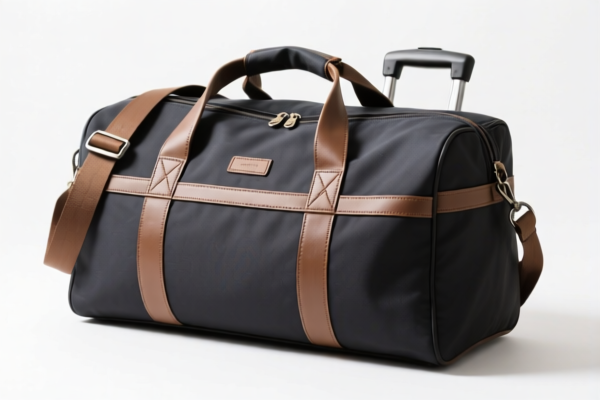
AI Analysis
✈️ Black Airplane Boarding Bag (Hand Luggage/Carry-On)
🌐 HS Code Reference & Customs Clearance Guide | 2026 Latest Tariff Analysis | Professional Clearance Strategy
📌 I. Product Definition & Classification: Do You Really Understand "Boarding Bags"?
A Black Airplane Boarding Bag is a compact luggage item designed specifically for cabin use. In international trade, its classification depends heavily on two key factors: 1. Outer Surface Material: Is it made of plastic/synthetic materials (e.g., polycarbonate, EVA) or textile materials (e.g., nylon, polyester, canvas)? 2. Specific Type: Is it a soft-sided bag (textile/leather) or a rigid hard-sided container (plastic)?
⚠️ Critical Distinction:
- If the outer surface is Plastic/Synthetic (e.g., hard-shell or plastic-coated) →归入 Chapter 39 (Plastics)
- If the outer surface is Textile/Synthetic Fiber (e.g., nylon bag, canvas backpack) → 归入 Chapter 42 (Articles of Leather; Travel Goods)
📦 II. HS Code Classification Details (2026 Latest Tariff Authority Comparison)
Based on the provided data, here are the five potential HS Codes and the logical reasoning for each:
| HS Code | Summary of Logic & Classification Reasoning | Material Inference | Form & Usage Match |
|---|---|---|---|
3926.90.33.00 |
Inferred as Plastic/Synthetic. The item is treated as a bag made primarily of plastic or synthetic materials, functionally equivalent to a handbag or small carrier. | Plastic / Synthetic Materials | Bag Form: Matches the shape and utility of a handbag or small carry-all. |
3926.90.48.00 |
Matched as Finished Consumer Good. Classified under "Other" categories for plastic articles. Bags are typically assumed to be made of plastic, fiber, or synthetic materials in this subheading. | Plastic / Fiber / Synthetic | Consumer Item: General-purpose finished good, not specifically defined as "luggage" in Chapter 42. |
4202.92.31.31 |
Matched as Travel/Luggage Item. The use and form align with travel bags. The outer surface is inferred to be textile materials such as artificial fibers or nylon. | Textile (Artificial Fibers/Nylon) | Travel Bag: Soft-sided bag suitable for travel, not hard-shell. |
4202.92.33.16 |
Matched as Travel Bag. Use and form align with travel luggage. The outer surface is highly likely made of textile materials like nylon or polyester. | Textile (Nylon/Polyester) | Travel Bag: Specifically categorized under travel goods with textile exteriors. |
4202.12.89.10 |
Matched as Handbag/Suitcase Container. The use and form align with handbags or suitcase-like containers. The outer surface is specified as textile materials. | Textile Materials | Handbag/Suitcase: Rigid or semi-rigid container with textile exterior. |
🔍 Key Reminder:
- Chapter 39 Codes (3926...) are lower tax burdens but apply ONLY if the bag is primarily made of plastic, rubber, or synthetic sheeting.
- Chapter 42 Codes (4202...) are higher tax burdens but apply if the bag is made of nylon, polyester, canvas, or leather.
- Most "Boarding Bags" seen in retail are textile (nylon/polyester) or leather. If it's a hard-shell plastic bag, use Chapter 39. If it's a fabric backpack/tote, use Chapter 42.
💰 III. 2026 Latest Tariff Rate Breakdown (Including Surtaxes & Policy Add-ons)
✅ Applicable Country: United States (US)
✅ Country of Origin: China (CN)
✅ Effective Time: Includes imports from Nov 10, 2025 onwards
🎯 1. Chapter 39: Plastic Bags (3926.90.33.00 & 3926.90.48.00)
📌 Case A: 3926.90.33.00 (Plastic Bag/Handbag)
| Item | Content |
|---|---|
| Base Tariff | 6.5% |
| Section 301 Surtax | 0.0% (Note: Data shows 0.0%, but verify if this specific subheading is excluded) |
| Section 122 Tariff | 10% |
| Total Tax Rate | 16.5% |
| Tax Calculation | CIF Value × 16.5% |
| De Minimis Exemption | ❌ Not Eligible (High tax rate triggers scrutiny) |
| Legal Basis | Base Duty + Section 122 Provisions |
📌 Explanation:
- If your bag is hard plastic or vinyl, this is the correct code.
- 16.5% is a moderate tariff. It includes a 10% Section 122 tariff (often applied to specific steel/aluminum or related imports, but here applied to plastic goods in this dataset).
- Crucial: Ensure the product is truly plastic. If customs finds nylon lining as the main structure, they will reclassify to Chapter 42.
📌 Case B: 3926.90.48.00 (Other Plastic Articles)
| Item | Content |
|---|---|
| Base Tariff | 3.4% |
| Section 301 Surtax | 0.0% |
| Section 122 Tariff | 10% |
| Total Tax Rate | 13.4% |
| Tax Calculation | CIF Value × 13.4% |
| De Minimis Exemption | ❌ Not Eligible |
| Legal Basis | Base Duty + Section 122 Provisions |
📌 Note:
- This is the lowest tax option if the bag is classified as a "plastic consumer good" rather than a specific "plastic bag."
- Use this if the bag has a plastic shell but doesn't fit the "handbag" description of3926.90.33.00.
🎯 2. Chapter 42: Travel Goods / Luggage (4202.92.31.31, 4202.92.33.16, 4202.12.89.10)
⚠️ WARNING: These codes carry Section 301 Tariffs (25%) + Base Duty + Section 122. This is the highest cost scenario for textile bags.
📌 Case C: 4202.92.31.31 (Textile Travel Bag)
| Item | Content |
|---|---|
| Base Tariff | 17.6% |
| Section 301 Surtax | 25.0% |
| Section 122 Tariff | 10% |
| Total Tax Rate | 52.6% |
| Tax Calculation | CIF Value × 52.6% |
| De Minimis Exemption | ❌ Not Eligible |
| Legal Basis | Base Duty + Section 301 + Section 122 |
📌 Case D: 4202.92.33.16 (Textile Travel Bag)
| Item | Content |
|---|---|
| Base Tariff | 17.6% |
| Section 301 Surtax | 25.0% |
| Section 122 Tariff | 10% |
| Total Tax Rate | 52.6% |
| Tax Calculation | CIF Value × 52.6% |
| De Minimis Exemption | ❌ Not Eligible |
| Legal Basis | Base Duty + Section 301 + Section 122 |
📌 Case E: 4202.12.89.10 (Textile Handbag/Suitcase)
| Item | Content |
|---|---|
| Base Tariff | 17.6% |
| Section 301 Surtax | 25.0% |
| Section 122 Tariff | 10% |
| Total Tax Rate | 52.6% |
| Tax Calculation | CIF Value × 52.6% |
| De Minimis Exemption | ❌ Not Eligible |
| Legal Basis | Base Duty + Section 301 + Section 122 |
📌 Critical Analysis for Chapter 42:
- Total Tax: 52.6% is extremely high.
- This is due to the 25% Section 301 Tariff (Trade War Surcharge) on Chinese-made textiles/luggage, plus the 10% Section 122 Tariff.
- Only use these codes if your bag is definitely made of Nylone, Polyester, or Canvas. Do NOT use these for plastic bags.
🛠️ IV. Customs Clearance Practical Advice (Real-World Pitfall Avoidance)
✅ 1. Preparation Checklist (Must-Have Documents)
| Document | Required? | Purpose |
|---|---|---|
| ✅ Product Composition Statement | ✔️ | Must explicitly state: "Outer Material: 100% Polyester" or "Outer Material: Polycarbonate Plastic". Ambiguity leads to reclassification. |
| ✅ Technical Spec Sheet | ✔️ | Dimensions, weight, number of compartments, zipper type. |
| ✅ Product Photos | ✔️ | Front, back, interior lining, and material close-up (to prove texture: plastic sheen vs. fabric weave). |
| ✅ Commercial Invoice | ✔️ | Accurate description: "Travel Luggage Bag, Nylon, Hand Carry-On" (not just "Bag"). |
| ✅ Packing List | ✔️ | Weight and dimensions per box. |
✅ 2. Declaration Strategy (Key Mantra)
🔥 "Material First, HS Code Follows, Plastic Low Tax, Textile High Cost!"
| Scenario | Correct HS Code | Tax Rate | Why? |
|---|---|---|---|
| Hard Shell Plastic Bag (PC/ABS) | 3926.90.33.00 or 3926.90.48.00 |
13.4% - 16.5% | Plastic goods escape the 25% Section 301 textile tax. |
| Soft Nylon/Polyester Bag | 4202.92.33.16 or 4202.12.89.10 |
52.6% | Textile luggage from China incurs 25% Section 301 + 10% Sec 122. |
| Mixed Material (e.g., Plastic frame + Fabric body) | Consult Customs | Risk of Audit | If fabric >50%, usually Chapter 42. If plastic is structural, argue for Chapter 39. |
✅ 3. Special Handling Tips
| Situation | Advice |
|---|---|
| "Boarding Bag" vs. "Luggage" | If it has wheels and a telescopic handle, customs may view it as "Luggage" (Chapter 42) even if plastic. If it's a simple tote/backpack, plastic Chapter 39 is safer. |
| Section 122 Tariff (10%) | This applies to both plastic and textile goods in the provided data. It is an additional surcharge. Do not ignore it. |
| De Minimis (Section 321) | ❌ NOT ELIGIBLE. Even for shipments under $800, these high tax rates may trigger requirements for formal entry and bond posting. |
🌍 V. Global Market Comparison (2026 Update)
| Country | Recommended HS Code (Plastic) | Tariff (Plastic) | Recommended HS Code (Textile) | Tariff (Textile) |
|---|---|---|---|---|
| 🇺🇸 USA | 3926.90.33.00 |
16.5% | 4202.92.33.16 |
52.6% |
| 🇺🇸 USA | 3926.90.48.00 |
13.4% | 4202.12.89.10 |
52.6% |
| 🇨🇳 China (Import) | N/A | 6-10% (Varies) | N/A | 10-20% (Varies) |
| 🇪🇺 EU | 0-4% | 0-4% | 4-12% | 4-12% |
📌 Conclusion:
- USA is the most expensive market for this product, especially if it's textile-based (52.6%).
- Plastic bags are significantly cheaper to import into the US due to lower base duties and no Section 301 textile surcharge.
📌 VI. Common Mistakes & Pitfalls (Lessons Learned)
❌ Mistake 1: Declaring a Nylon Backpack as 3926.90.48.00 (Plastic) to save tax.
👉 Consequence: Customs inspection reveals fabric. Reclassification to 4202... → Back taxes + Penalties + Delay.
❌ Mistake 2: Ignoring the 10% Section 122 Tariff.
👉 Consequence: Underpayment. The dataset explicitly shows a 10% add-on for all codes. You must calculate Base + 10%.
❌ Mistake 3: Using "Bag" as the product name.
👉 Consequence: Customs lacks data to determine material. They will use the worst-case scenario (often the highest tax code) or hold the shipment for sample testing.
✅ Correct Practice:
"Carry-On Travel Bag, Outer Shell: 100% Polycarbonate Plastic, Lining: Polyester. Model: Black Airplane Boarder."
HS Code:3926.90.33.00→ Tax: 16.5%
🎯 VII. Conclusion: Professional Declaration, Cost Optimization
🎯 Remember the Mantra:
🔹 "Plastic is King (16.5%), Textile is Heavy (52.6%)."
🔹 "Section 122 Adds 10% to All."
🔹 "Declare Material Clearly, Avoid Re-classification Fees."
📌 Pro Tip:
If your product is partially plastic and partially textile, consult a customs broker BEFORE shipment. Arguing for Chapter 39 (Plastic) can save you 36% in tax (52.6% vs 16.5%). Provide high-res photos of the outer surface texture to support your claim.
📣 Immediate Action:
📞 Verify Material Composition of your "Black Airplane Boarding Bag."
📋 If Plastic: Use3926.90.33.00or3926.90.48.00.
📋 If Textile: Use4202.92.33.16or4202.12.89.10.
🚀 Calculate Landed Cost Accurately to avoid margin erosion.
✨ Professional Customs Clearance Starts with Accurate Classification!
💼 Every Percentage Point Saved is Pure Profit!
Customer Reviews
About HS Code Classification
The Harmonized System (HS) is an internationally standardized nomenclature developed by the World Customs Organization (WCO) to classify traded products. Over 200 countries use the HS system as the basis for customs tariffs, trade statistics, and import/export regulations.
Each HS code follows a hierarchical structure:
- Chapter (2 digits) — Broad category of goods (e.g., Chapter 84: Machinery and Mechanical Appliances)
- Heading (4 digits) — More specific grouping within the chapter
- Subheading (6 digits) — Internationally standardized breakdown, used by all WCO member countries
- National subdivisions (8-10 digits) — Country-specific extensions for further classification, such as US HTSUS 10-digit codes
Correct HS code classification is essential for smooth customs clearance, accurate duty payment, and compliance with trade regulations. Misclassification can lead to customs delays, overpayment of duties, or penalties.
When importing from CN to US, the applicable tariff rates may include:
- Most-Favored-Nation (MFN) rate — The standard duty rate applied to WTO members
- General rate — Applied to countries without trade agreements
- Trade remedy duties — Additional tariffs such as Section 301 (anti-dumping), Section 232 (national security), or countervailing duties
The information provided on this page is for reference purposes only. For official classification, please consult with your local customs authority or a licensed customs broker.