Black Dog Collar (L)
CN → US| HS编码 | 关税税率 | 原产国 | 目的国 | 文档 |
|---|---|---|---|---|
| 4201003000 | 37.4% | CN | US | 官方文档 |
| 4201006000 | 37.8% | CN | US | 官方文档 |
| 3926906520 | 14.2% | CN | US | 官方文档 |
商品图片
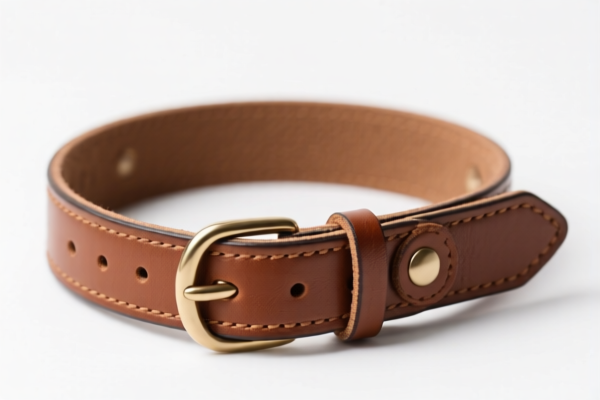
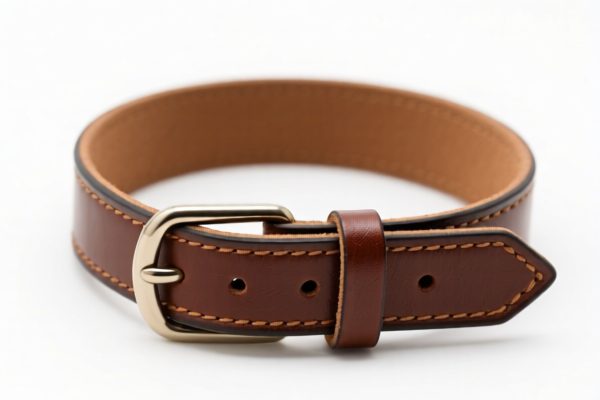
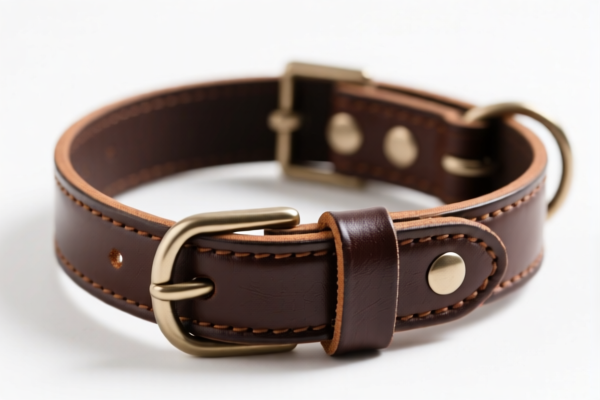
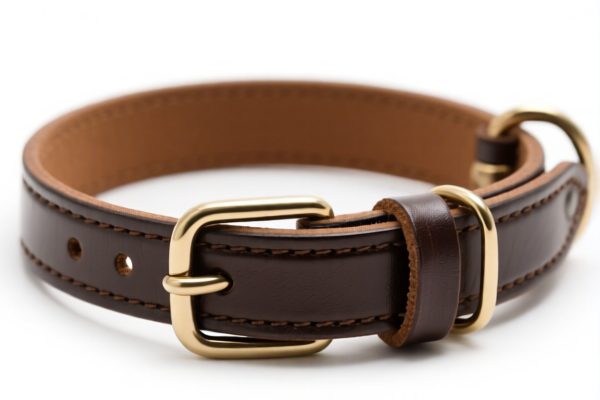
AI分析
🐕 Black Dog Collar (Large)
🌐 HS Code Reference & Customs Clearance Guide | 2026 Latest Tariff Analysis | Professional Clearance Strategy
📌 I. Product Definition & Classification: Do You Really Know "Dog Collars"?
A dog collar is a fundamental accessory for pet control, identification, and safety. In international trade, these items are primarily classified under Chapter 42 (Articles of Leather; Saddle Harness) or Chapter 39 (Articles of Plastic), depending strictly on the material composition and manufacturing process.
Key Distinction:
- Leather/Fabric/Textile Collars: Regarded as "Saddlery and Harness" (Chapter 42).
- Plastic/Synthetic Collars: Regarded as "Articles of Plastic" (Chapter 39).
⚠️ Critical Classification Point:
- If the collar is made of leather, fabric, or woven textile → Classified under 4201.
- If the collar is made of solid plastic or synthetic leather (PU/PVC) → Classified under 3926.
📦 II. HS Code Classification Details (2026 Latest Tariff Authority Comparison)
| HS Code | Product Description | Material Basis | Applicability |
|---|---|---|---|
4201.00.30.00 |
Saddlery and harness for any animal | Leather, Fabric, Woven Textiles | ✅ Most common for premium leather/fabric collars |
4201.00.60.00 |
Other saddlery and harness for any animal | Leather, Fabric (General Category) | ✅ Alternative for animal accessories if 4201.00.30 is restricted |
3926.90.65.20 |
Other articles of plastic, including synthetic leather | Plastic, PVC, PU, Synthetic Materials | ✅ For plastic, nylon, or synthetic leather collars |
🔍 Key Reminder:
- Chapter 42 (4201) items are classified as Saddlery and Harness. This category often attracts higher tariffs due to trade policies.
- Chapter 39 (3926) items are classified as Plastic Articles. This category generally faces lower base tariffs but is still subject to specific trade measures.
- Material is King: A collar with a plastic buckle but a leather strap is still typically classified under 4201 because the essential character is defined by the main material.
💰 III. 2026 Latest Tariff Rate Breakdown (Including Additional Taxes & Policy Surcharges)
✅ Applicable Country: United States (US)
✅ Country of Origin: China (CN)
✅ Effective Date: Current rates apply (based on provided data)
🎯 1. 4201.00.30.00 – Saddlery and Harness (Leather/Fabric)
| Item | Content |
|---|---|
| Base Tariff | 2.4% |
| Section 301 Additional Tariff | +25.0% |
| Section 122 Tariff | +10.0% |
| Total Tax Rate | 37.4% |
| Tax Calculation | CIF Value × 37.4% |
| De Minimis Exemption? | ❌ No (Deny_de_minimis) |
| Legal Basis Path | Base Tariff → Section 301 (25%) → Section 122 (10%) |
📌 Explanation:
- Section 301 (25%): Imposed under U.S. Trade Law Section 301 against Chinese imports; applies to most saddlery.
- Section 122 (10%): Additional surcharge applicable to specific categories of Chinese goods.
- Total Load: 37.4%. This is a high-cost category. Buyers must factor this into the landed cost.
🎯 2. 4201.00.60.00 – Other Saddlery and Harness (General Animal Accessories)
| Item | Content |
|---|---|
| Base Tariff | 2.8% |
| Section 301 Additional Tariff | +25.0% |
| Section 122 Tariff | +10.0% |
| Total Tax Rate | 37.8% |
| Tax Calculation | CIF Value × 37.8% |
| De Minimis Exemption? | ❌ No (Deny_de_minimis) |
| Legal Basis Path | Base Tariff → Section 301 (25%) → Section 122 (10%) |
📌 Note:
- Slightly higher base tariff (2.8%) compared to4201.00.30.00(2.4%).
- Total Load: 37.8%.
- This code is used when the item does not fit the specific sub-category of 4201.30 but is still animal harness.
🎯 3. 3926.90.65.20 – Other Articles of Plastic (Synthetic/Plastic Collars)
| Item | Content |
|---|---|
| Base Tariff | 4.2% |
| Section 301 Additional Tariff | 0.0% |
| Section 122 Tariff | +10.0% |
| Total Tax Rate | 14.2% |
| Tax Calculation | CIF Value × 14.2% |
| De Minimis Exemption? | ❌ No (Deny_de_minimis) |
| Legal Basis Path | Base Tariff → Section 122 (10%) |
📌 Advantage:
- Significant Cost Saving: 14.2% vs. 37.4%/37.8%.
- Zero Section 301 Tariff: Plastic articles in this specific sub-category may be exempt from the 25% Section 301 surcharge (based on provided data).
- Strategy: If the collar is made of plastic, nylon, or PU synthetic leather, strictly classify under 3926.90.65.20 to save ~23% in taxes.
🛠️ IV. Customs Clearance Practical Advice (Real-World Pitfall Avoidance)
✅ 1. Required Documentation Checklist (Mandatory)
| Document | Must Provide | Description |
|---|---|---|
| ✅ Product Specification Sheet | ✔️ | Must clearly state Material Composition (e.g., "100% Nylon Webbing," "Genuine Leather," "PU Leather"). |
| ✅ Product Photos | ✔️ | Clear images showing texture, stitching, and buckle type to prove material type. |
| ✅ Commercial Invoice | ✔️ | Must not simply say "Dog Collar." Use specific descriptions like "Nylon Dog Collar" or "Leather Dog Collar." |
| ✅ Packing List | ✔️ | Item count, weight, and dimensions. |
| ✅ Origin Certificate | ✔️ | If claiming any preferential treatment (though rare for these codes from China). |
✅ 2. Declaration Tips (Critical Rules)
🔥 “Material Dictates Code, Code Dictates Cost!”
| Scenario | Correct HS Code | Wrong Practice | Consequence |
|---|---|---|---|
| Leather or Fabric Collar | 4201.00.30.00 or 4201.00.60.00 |
Declaring as Plastic | Penalty for Misclassification + Back Taxes |
| Plastic or Synthetic Leather Collar | 3926.90.65.20 |
Declaring as Leather | Overpaying 37.4% instead of 14.2% |
| Mixed Material (e.g., Leather Strap + Plastic Buckle) | 4201.00.30.00 |
Declaring as Plastic | Risk of Audit (Essential character is leather) |
📌 Key Insight:
- If the collar is woven nylon or polyester webbing, it is Fabric/Textile → Chapter 42.
- If the collar is solid plastic ring or molded PU, it is Plastic → Chapter 39.
- Do not use generic terms like "Pet Accessories" without specifying material.
✅ 3. Special Situation Handling
| Situation | Handling Advice |
|---|---|
| PU Leather (Polyurethane) | Often classified as Plastic (3926) if it mimics leather but is synthetic. Check local customs precedent. If treated as leather, it goes to 4201. |
| Collar with Electronics (GPS/LED) | If the electronic component is the primary function, it may move to Chapter 85 (Electrical). If it’s just a buckle light, stay in 4201 or 3926. |
| Custom Embroidered Logos | Does not change HS Code. Continue to classify by base material. |
🌍 V. Global Market Clearance Comparison (2026 Overview)
| Country/Region | Recommended HS Code (China Origin) | Estimated Total Duty | Key Certification | Notes |
|---|---|---|---|---|
| 🇺🇸 USA | 3926.90.65.20 (Plastic) 4201.00.30.00 (Leather/Fabric) |
14.2% (Plastic) 37.4% (Leather/Fabric) |
None specific for collars | High risk of audit on Chapter 42. Plastic is cost-effective. |
| 🇨🇳 China | 4201.00.30.00 or 3926.90.65.20 |
5-10% (Import Duty) | None | Lower tariffs for import into China. |
| 🇪🇺 EU | 4201.00.00 (Leather/Fabric) |
2.7% + VAT | CE (if electronic) | No Section 301/122 equivalents. |
| 🇬🇧 UK | 4201.00.00 |
2.7% + Duty | UKCA | Post-Brexit rules apply. |
📌 Conclusion:
- USA is the most expensive market for dog collars due to Section 301 and Section 122 tariffs.
- Plastic/Synthetic collars (3926) offer a massive tariff advantage (14.2%) over Leather/Fabric collars (37.4%+).
- Strategic Tip: If feasible, design collars using high-quality synthetic materials (PU/Nylon) to qualify for HS 3926, saving over 23% in taxes.
📌 VI. Common Mistakes & Pitfall Guide (Lessons Learned)
❌ Mistake 1: Declaring a Nylon Collar as "Plastic"
👉 Consequence: Customs may reject it, as Nylon is a textile/fabric → Must be 4201.
❌ Mistake 2: Declaring a Leather Collar as "Plastic" to save tax
👉 Consequence: Misdeclaration. Heavy fines + seizure of goods. Leather is clearly Chapter 42.
❌ Mistake 3: Ignoring Section 122 Tariff
👉 Consequence: Even if Section 301 is avoided, the 10% Section 122 applies to all three codes in the provided data. Ensure it’s calculated.
❌ Mistake 4: Using vague descriptions like "Dog Accessory"
👉 Consequence: Customs will assign a default HS Code, likely the highest duty rate.
✅ Correct Approach:
“Nylon Webbing Dog Collar, Black, Size L, With Metal Buckle” → HS 4201.00.30.00
“PU Leather Dog Collar, Black, Size L, Plastic Buckle” → HS 3926.90.65.20 (Verify if PU is treated as plastic in specific customs rulings)
🎯 VII. Conclusion: Professional Classification, Cost Optimization!
🎯 Remember the Golden Rule:
🔹 “Leather/Fabric = Chapter 42 (High Tax)”
🔹 “Plastic/Synthetic = Chapter 39 (Lower Tax)”
🔹 “Material Determines the Code, Code Determines the Profit!”
📌 Pro Tip:
If you are importing large volumes to the US, consult a licensed customs broker to apply for an Advance Ruling. This can confirm whether specific synthetic materials qualify for 3926.90.65.20, potentially saving you $23+ per $100 of goods.
📣 Immediate Action:
📞 Contact a Customs Broker
📷 Provide Material Samples/Photos
🚀 Optimize Product Design for Tariff Efficiency!
✨ Professional Clearance Starts with Accurate Classification!
💼 Every Percent Saved is Pure Profit!
用户评价
关于 HS 编码归类
协调制度(HS)是由世界海关组织(WCO)制定的国际贸易商品分类标准。全球 200 多个国家采用 HS 系统作为海关关税、贸易统计和进出口监管的基础。
每个 HS 编码遵循以下层级结构:
- 章(2 位)——商品大类(例如:第 84 章:机器和机械设备)
- 品目(4 位)——章内的更具体分类
- 子目(6 位)——国际通用细分,所有 WCO 成员国统一使用
- 本国细分(8-10 位)——各国自行扩展的细分编码,如美国 HTSUS 10 位编码
正确的 HS 编码归类对于顺利通关、准确缴纳关税和遵守贸易法规至关重要。错误归类可能导致海关延误、多缴关税或罚款。
从CN进口到US时,适用的关税税率可能包括:
- 最惠国(MFN)税率——适用于 WTO 成员国的标准关税税率
- 普通税率——适用于无贸易协定国家
- 贸易救济关税——附加关税,如 301 条款(反倾销)、232 条款(国家安全)或反补贴税
本页内容仅供参考。如需正式归类,请咨询当地海关或持牌报关代理。