Black Dog Collar (L)
CN → US| HS Code | Tariff Rate | Origin | Destination | Doc |
|---|---|---|---|---|
| 4201003000 | 37.4% | CN | US | Official Doc |
| 4201006000 | 37.8% | CN | US | Official Doc |
| 3926906520 | 14.2% | CN | US | Official Doc |
Product Images
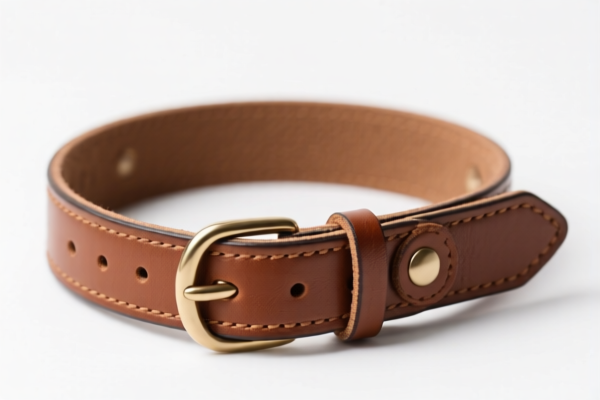
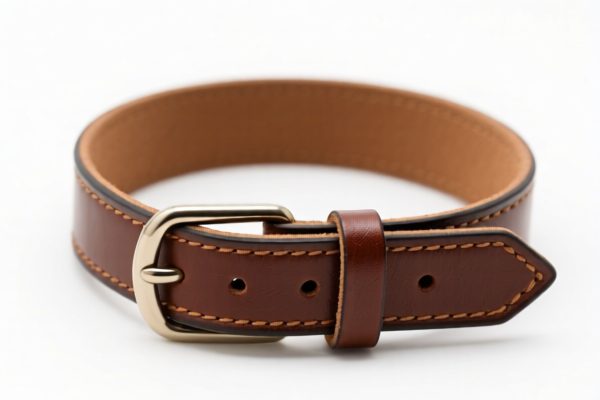
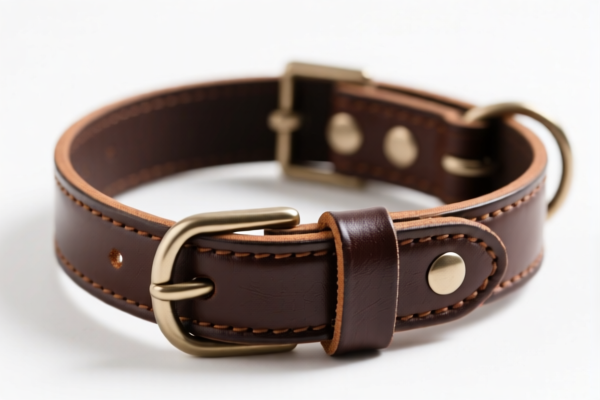
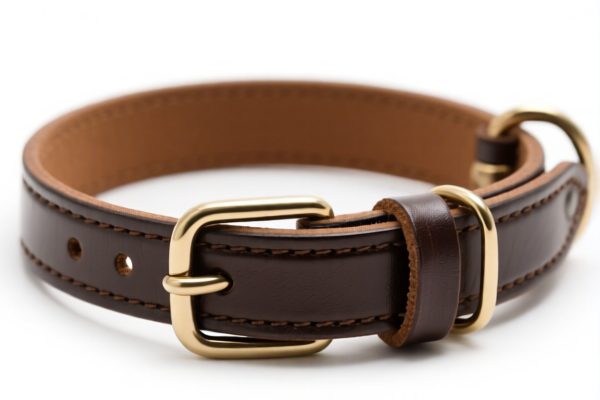
AI Analysis
🐕 Black Dog Collar (Large)
🌐 HS Code Reference & Customs Clearance Guide | 2026 Latest Tariff Analysis | Professional Clearance Strategy
📌 I. Product Definition & Classification: Do You Really Know "Dog Collars"?
A dog collar is a fundamental accessory for pet control, identification, and safety. In international trade, these items are primarily classified under Chapter 42 (Articles of Leather; Saddle Harness) or Chapter 39 (Articles of Plastic), depending strictly on the material composition and manufacturing process.
Key Distinction:
- Leather/Fabric/Textile Collars: Regarded as "Saddlery and Harness" (Chapter 42).
- Plastic/Synthetic Collars: Regarded as "Articles of Plastic" (Chapter 39).
⚠️ Critical Classification Point:
- If the collar is made of leather, fabric, or woven textile → Classified under 4201.
- If the collar is made of solid plastic or synthetic leather (PU/PVC) → Classified under 3926.
📦 II. HS Code Classification Details (2026 Latest Tariff Authority Comparison)
| HS Code | Product Description | Material Basis | Applicability |
|---|---|---|---|
4201.00.30.00 |
Saddlery and harness for any animal | Leather, Fabric, Woven Textiles | ✅ Most common for premium leather/fabric collars |
4201.00.60.00 |
Other saddlery and harness for any animal | Leather, Fabric (General Category) | ✅ Alternative for animal accessories if 4201.00.30 is restricted |
3926.90.65.20 |
Other articles of plastic, including synthetic leather | Plastic, PVC, PU, Synthetic Materials | ✅ For plastic, nylon, or synthetic leather collars |
🔍 Key Reminder:
- Chapter 42 (4201) items are classified as Saddlery and Harness. This category often attracts higher tariffs due to trade policies.
- Chapter 39 (3926) items are classified as Plastic Articles. This category generally faces lower base tariffs but is still subject to specific trade measures.
- Material is King: A collar with a plastic buckle but a leather strap is still typically classified under 4201 because the essential character is defined by the main material.
💰 III. 2026 Latest Tariff Rate Breakdown (Including Additional Taxes & Policy Surcharges)
✅ Applicable Country: United States (US)
✅ Country of Origin: China (CN)
✅ Effective Date: Current rates apply (based on provided data)
🎯 1. 4201.00.30.00 – Saddlery and Harness (Leather/Fabric)
| Item | Content |
|---|---|
| Base Tariff | 2.4% |
| Section 301 Additional Tariff | +25.0% |
| Section 122 Tariff | +10.0% |
| Total Tax Rate | 37.4% |
| Tax Calculation | CIF Value × 37.4% |
| De Minimis Exemption? | ❌ No (Deny_de_minimis) |
| Legal Basis Path | Base Tariff → Section 301 (25%) → Section 122 (10%) |
📌 Explanation:
- Section 301 (25%): Imposed under U.S. Trade Law Section 301 against Chinese imports; applies to most saddlery.
- Section 122 (10%): Additional surcharge applicable to specific categories of Chinese goods.
- Total Load: 37.4%. This is a high-cost category. Buyers must factor this into the landed cost.
🎯 2. 4201.00.60.00 – Other Saddlery and Harness (General Animal Accessories)
| Item | Content |
|---|---|
| Base Tariff | 2.8% |
| Section 301 Additional Tariff | +25.0% |
| Section 122 Tariff | +10.0% |
| Total Tax Rate | 37.8% |
| Tax Calculation | CIF Value × 37.8% |
| De Minimis Exemption? | ❌ No (Deny_de_minimis) |
| Legal Basis Path | Base Tariff → Section 301 (25%) → Section 122 (10%) |
📌 Note:
- Slightly higher base tariff (2.8%) compared to4201.00.30.00(2.4%).
- Total Load: 37.8%.
- This code is used when the item does not fit the specific sub-category of 4201.30 but is still animal harness.
🎯 3. 3926.90.65.20 – Other Articles of Plastic (Synthetic/Plastic Collars)
| Item | Content |
|---|---|
| Base Tariff | 4.2% |
| Section 301 Additional Tariff | 0.0% |
| Section 122 Tariff | +10.0% |
| Total Tax Rate | 14.2% |
| Tax Calculation | CIF Value × 14.2% |
| De Minimis Exemption? | ❌ No (Deny_de_minimis) |
| Legal Basis Path | Base Tariff → Section 122 (10%) |
📌 Advantage:
- Significant Cost Saving: 14.2% vs. 37.4%/37.8%.
- Zero Section 301 Tariff: Plastic articles in this specific sub-category may be exempt from the 25% Section 301 surcharge (based on provided data).
- Strategy: If the collar is made of plastic, nylon, or PU synthetic leather, strictly classify under 3926.90.65.20 to save ~23% in taxes.
🛠️ IV. Customs Clearance Practical Advice (Real-World Pitfall Avoidance)
✅ 1. Required Documentation Checklist (Mandatory)
| Document | Must Provide | Description |
|---|---|---|
| ✅ Product Specification Sheet | ✔️ | Must clearly state Material Composition (e.g., "100% Nylon Webbing," "Genuine Leather," "PU Leather"). |
| ✅ Product Photos | ✔️ | Clear images showing texture, stitching, and buckle type to prove material type. |
| ✅ Commercial Invoice | ✔️ | Must not simply say "Dog Collar." Use specific descriptions like "Nylon Dog Collar" or "Leather Dog Collar." |
| ✅ Packing List | ✔️ | Item count, weight, and dimensions. |
| ✅ Origin Certificate | ✔️ | If claiming any preferential treatment (though rare for these codes from China). |
✅ 2. Declaration Tips (Critical Rules)
🔥 “Material Dictates Code, Code Dictates Cost!”
| Scenario | Correct HS Code | Wrong Practice | Consequence |
|---|---|---|---|
| Leather or Fabric Collar | 4201.00.30.00 or 4201.00.60.00 |
Declaring as Plastic | Penalty for Misclassification + Back Taxes |
| Plastic or Synthetic Leather Collar | 3926.90.65.20 |
Declaring as Leather | Overpaying 37.4% instead of 14.2% |
| Mixed Material (e.g., Leather Strap + Plastic Buckle) | 4201.00.30.00 |
Declaring as Plastic | Risk of Audit (Essential character is leather) |
📌 Key Insight:
- If the collar is woven nylon or polyester webbing, it is Fabric/Textile → Chapter 42.
- If the collar is solid plastic ring or molded PU, it is Plastic → Chapter 39.
- Do not use generic terms like "Pet Accessories" without specifying material.
✅ 3. Special Situation Handling
| Situation | Handling Advice |
|---|---|
| PU Leather (Polyurethane) | Often classified as Plastic (3926) if it mimics leather but is synthetic. Check local customs precedent. If treated as leather, it goes to 4201. |
| Collar with Electronics (GPS/LED) | If the electronic component is the primary function, it may move to Chapter 85 (Electrical). If it’s just a buckle light, stay in 4201 or 3926. |
| Custom Embroidered Logos | Does not change HS Code. Continue to classify by base material. |
🌍 V. Global Market Clearance Comparison (2026 Overview)
| Country/Region | Recommended HS Code (China Origin) | Estimated Total Duty | Key Certification | Notes |
|---|---|---|---|---|
| 🇺🇸 USA | 3926.90.65.20 (Plastic) 4201.00.30.00 (Leather/Fabric) |
14.2% (Plastic) 37.4% (Leather/Fabric) |
None specific for collars | High risk of audit on Chapter 42. Plastic is cost-effective. |
| 🇨🇳 China | 4201.00.30.00 or 3926.90.65.20 |
5-10% (Import Duty) | None | Lower tariffs for import into China. |
| 🇪🇺 EU | 4201.00.00 (Leather/Fabric) |
2.7% + VAT | CE (if electronic) | No Section 301/122 equivalents. |
| 🇬🇧 UK | 4201.00.00 |
2.7% + Duty | UKCA | Post-Brexit rules apply. |
📌 Conclusion:
- USA is the most expensive market for dog collars due to Section 301 and Section 122 tariffs.
- Plastic/Synthetic collars (3926) offer a massive tariff advantage (14.2%) over Leather/Fabric collars (37.4%+).
- Strategic Tip: If feasible, design collars using high-quality synthetic materials (PU/Nylon) to qualify for HS 3926, saving over 23% in taxes.
📌 VI. Common Mistakes & Pitfall Guide (Lessons Learned)
❌ Mistake 1: Declaring a Nylon Collar as "Plastic"
👉 Consequence: Customs may reject it, as Nylon is a textile/fabric → Must be 4201.
❌ Mistake 2: Declaring a Leather Collar as "Plastic" to save tax
👉 Consequence: Misdeclaration. Heavy fines + seizure of goods. Leather is clearly Chapter 42.
❌ Mistake 3: Ignoring Section 122 Tariff
👉 Consequence: Even if Section 301 is avoided, the 10% Section 122 applies to all three codes in the provided data. Ensure it’s calculated.
❌ Mistake 4: Using vague descriptions like "Dog Accessory"
👉 Consequence: Customs will assign a default HS Code, likely the highest duty rate.
✅ Correct Approach:
“Nylon Webbing Dog Collar, Black, Size L, With Metal Buckle” → HS 4201.00.30.00
“PU Leather Dog Collar, Black, Size L, Plastic Buckle” → HS 3926.90.65.20 (Verify if PU is treated as plastic in specific customs rulings)
🎯 VII. Conclusion: Professional Classification, Cost Optimization!
🎯 Remember the Golden Rule:
🔹 “Leather/Fabric = Chapter 42 (High Tax)”
🔹 “Plastic/Synthetic = Chapter 39 (Lower Tax)”
🔹 “Material Determines the Code, Code Determines the Profit!”
📌 Pro Tip:
If you are importing large volumes to the US, consult a licensed customs broker to apply for an Advance Ruling. This can confirm whether specific synthetic materials qualify for 3926.90.65.20, potentially saving you $23+ per $100 of goods.
📣 Immediate Action:
📞 Contact a Customs Broker
📷 Provide Material Samples/Photos
🚀 Optimize Product Design for Tariff Efficiency!
✨ Professional Clearance Starts with Accurate Classification!
💼 Every Percent Saved is Pure Profit!
Customer Reviews
About HS Code Classification
The Harmonized System (HS) is an internationally standardized nomenclature developed by the World Customs Organization (WCO) to classify traded products. Over 200 countries use the HS system as the basis for customs tariffs, trade statistics, and import/export regulations.
Each HS code follows a hierarchical structure:
- Chapter (2 digits) — Broad category of goods (e.g., Chapter 84: Machinery and Mechanical Appliances)
- Heading (4 digits) — More specific grouping within the chapter
- Subheading (6 digits) — Internationally standardized breakdown, used by all WCO member countries
- National subdivisions (8-10 digits) — Country-specific extensions for further classification, such as US HTSUS 10-digit codes
Correct HS code classification is essential for smooth customs clearance, accurate duty payment, and compliance with trade regulations. Misclassification can lead to customs delays, overpayment of duties, or penalties.
When importing from CN to US, the applicable tariff rates may include:
- Most-Favored-Nation (MFN) rate — The standard duty rate applied to WTO members
- General rate — Applied to countries without trade agreements
- Trade remedy duties — Additional tariffs such as Section 301 (anti-dumping), Section 232 (national security), or countervailing duties
The information provided on this page is for reference purposes only. For official classification, please consult with your local customs authority or a licensed customs broker.