Black Small Stool
CN → US| HS编码 | 关税税率 | 原产国 | 目的国 | 文档 |
|---|---|---|---|---|
| 9403200050 | 85.0% | CN | US | 官方文档 |
| 3926909930 | 22.8% | CN | US | 官方文档 |
| 3926305000 | 22.8% | CN | US | 官方文档 |
| 9401696031 | 35.0% | CN | US | 官方文档 |
| 9401698090 | 35.0% | CN | US | 官方文档 |
商品图片
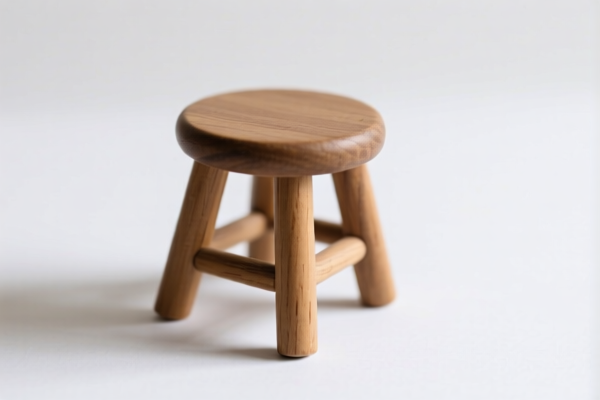
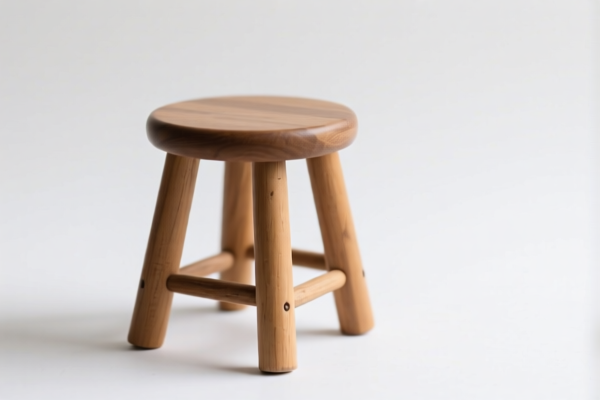
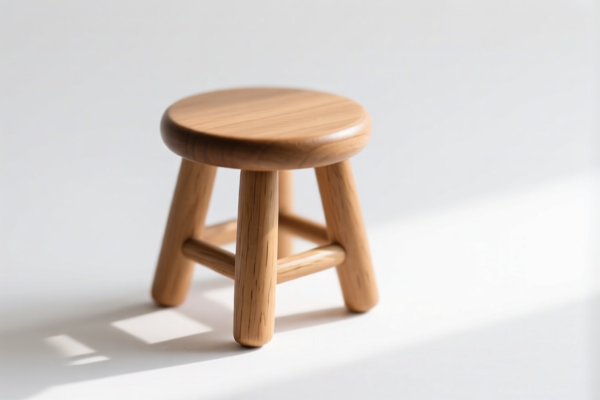
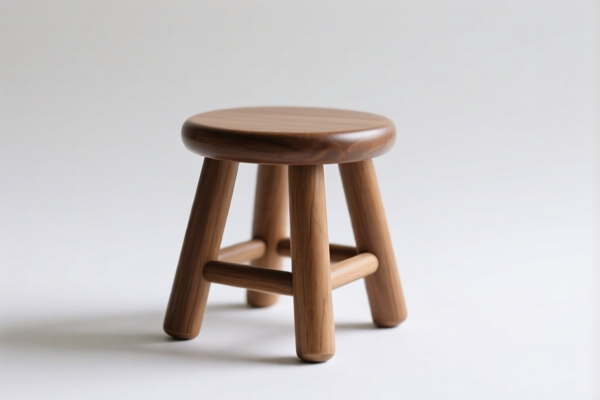
AI分析
🪑 Black Small Stool (Sits in the Grey Area: Metal vs. Plastic vs. Wood)
🌐 HS Code Reference & Customs Clearance Guide | 2026 Latest Tariff Analysis | Professional Clearance Strategy
📌 I. Product Definition & Classification: Is it Metal, Plastic, or Wood?
A "Black Small Stool" is a common household item, but its HS Code classification depends entirely on its material composition and structure. In international trade, misclassification can lead to massive tax differences (from 22.8% to 85.0%)!
Key Material Distinctions: * Metal Stools: Made of steel, aluminum, or copper alloys. * Plastic/Stool Parts: Made of polymer materials or specific plastic components. * Wooden Stools: Made with a wooden frame or substantial wood components.
⚠️ Critical Distinction Point:
- If the stool is primarily metal → Goes to 9403.20.00.50 (Highest Tax)
- If the stool is plastic/non-metal → Goes to 3926.90.99.30 or 3926.30.50.00 (Lowest Tax)
- If the stool has a wooden frame → Goes to 9401.69.60.31 or 9401.69.80.90 (Medium-High Tax)
📦 II. HS Code Classification Details (2026 Latest Tariff Authority Comparison)
| HS Code | Product Description | Application Scenario | Total Tax Rate | Key Reason for Classification |
|---|---|---|---|---|
9403.20.00.50 |
Other Metal Furniture (Metal Stool) | Steel/aluminum/copper alloy stools | 85.0% | Classified as "Other Metal Furniture" |
3926.90.99.30 |
Other Articles of Plastics (Plastic Stool) | Plastic stools or non-metal items | 22.8% | Classified as "Other Articles" under plastic category |
3926.30.50.00 |
Other Plastic Articles (Plastic Stool/Parts) | Plastic stools or furniture connection parts | 22.8% | Classified as "Plastic Articles" or furniture components |
9401.69.60.31 |
Other Seats with Wooden Frame (Wooden Stool) | Stools with a primary wooden frame structure | 35.0% | Classified under "Seats" with wooden framework |
9401.69.80.90 |
Other Seats (General/Default Stool) | Wooden frame or other material stools (Catch-all) | 35.0% | Classified under "Other Seats" (Default logic) |
🔍 Key Reminder:
- Metal stools are hit hardest with 85% due to Section 301 tariffs and specific metal additions.
- Plastic stools offer the most cost-effective clearance at 22.8%.
- Wooden stools sit in the middle at 35%.
- Do not guess: Providing photos and material specs to customs is mandatory to avoid penalties.
💰 III. 2026 Latest Tariff Rate Breakdown (Including Additional Duties & Policy Surcharges)
✅ Applicable Country: United States (US)
✅ Origin: China (CN)
✅ Effective Time: Current rates applicable for 2026 imports
🎯 1. 9403.20.00.50 —— Metal Stool (Highest Risk/Cost)
| Item | Content |
|---|---|
| Base Tariff | 0.0% (ad valorem) |
| Section 301 Surcharge | +25.0% |
| Section 122 Surcharge (Steel/Aluminum/Copper) | +50.0% |
| Total Rate | 85.0% |
| Tax Calculation | CIF Value × 85% |
| De Minimis Exemption | ❌ Not Available (High value threshold exceeded by tax burden) |
| Legal Basis Path | USITC:9403.20.00.50 → FOOTNOTE:301 → FOOTNOTE:122 |
📌 Explanation:
- This is the most expensive classification.
- The 50% additional tariff under Section 122 targets specific steel, aluminum, and copper products.
- Combined with the 25% Section 301 tariff, the total cost is extremely high.
- Strategy: Avoid importing metal stools from China if possible; consider sourcing from ASEAN countries for lower duties.
🎯 2. 3926.90.99.30 & 3926.30.50.00 —— Plastic Stool (Lowest Cost)
| Item | Content |
|---|---|
| Base Tariff | 5.3% (ad valorem) |
| Section 301 Surcharge | +7.5% |
| Section 122 Surcharge | +10.0% (Specific plastic/chapter 39 rules) |
| Total Rate | 22.8% |
| Tax Calculation | CIF Value × 22.8% |
| De Minimis Exemption | ❌ Not Available (But significantly lower absolute cost) |
| Legal Basis Path | USITC:3926.90.99.30 / 3926.30.50.00 → FOOTNOTE:301 → FOOTNOTE:122 |
📌 Note:
- 22.8% is the most competitive rate for stools.
- Applies to stools made entirely of plastic or plastic components.
- Strategy: If your product allows, design stools using plastic materials to save 62.2% in taxes compared to metal.
🎯 3. 9401.69.60.31 & 9401.69.80.90 —— Wooden/General Stool (Medium Cost)
| Item | Content |
|---|---|
| Base Tariff | 0.0% (ad valorem) |
| Section 301 Surcharge | +25.0% |
| Section 122 Surcharge | +10.0% |
| Total Rate | 35.0% |
| Tax Calculation | CIF Value × 35.0% |
| De Minimis Exemption | ❌ Not Available |
| Legal Basis Path | USITC:9401.69.60.31 / 9401.69.80.90 → FOOTNOTE:301 → FOOTNOTE:122 |
📌 Note:
- Applies to stools with wooden frames or general "other seats" that don't fit metal/plastic specifics.
- 35% is a moderate burden, significantly lower than metal but higher than plastic.
- Strategy: Ensure the wooden frame is the primary structural element. If it's just a wooden leg on a metal stool, it may still be classified as metal (85%).
🛠️ IV. Customs Clearance Practical Advice (Avoiding Pitfalls)
✅ 1. Preparation Checklist (Mandatory Documents)
| Document | Required | Explanation |
|---|---|---|
| ✅ Product Specification Sheet | ✔️ | Must explicitly state Material Composition (e.g., "100% Polypropylene" or "Steel Frame") |
| ✅ Product Photos | ✔️ | Clear images showing structure, joints, and material texture |
| ✅ Material Certification | ✔️ | If claiming plastic, provide material test reports to avoid reclassification as metal |
| ✅ Commercial Invoice | ✔️ | Item description should be precise: "Black Plastic Stool" NOT just "Stool" |
| ✅ Packing List | ✔️ | Confirm no mixed materials (e.g., metal legs + plastic seat) without clear declaration |
✅ 2. Declaration Tips (Golden Rules)
🔥 "Material is King, Structure is Queen, Accuracy Saves Thousands!"
| Scenario | Correct Declaration | Wrong Practice | Consequence |
|---|---|---|---|
| 100% Plastic Stool | 3926.90.99.30 |
Declare as "Furniture" generic | Risk of reclassification to 9403 (85%) |
| Metal Frame + Plastic Seat | Depends on primary value/structure | Declare as "Plastic" only | Customs may split or classify as Metal (85%) |
| Wooden Frame Stool | 9401.69.60.31 |
Declare as "Plastic" | Rejection or back-tariff of 62.2% |
| Mixed Material Stool | Provide detailed BOM (Bill of Materials) | Vague description "Multi-material" | High audit risk, delays, fines |
✅ 3. Special Situation Handling
| Situation | Handling Advice |
|---|---|
| OEM Custom Stools | Provide design drawings to prove material intent. If the buyer specifies metal, ensure the supplier provides metal certs. |
| Stools with Cushions | If the cushion is significant, ensure it doesn't change the classification. Usually, the frame material dictates the HS code. |
| Importing from Non-China Countries | If sourced from Vietnam/Mexico, Section 301 tariffs (25%) may not apply, reducing total tax significantly. |
| Section 122 Steel/Aluminum | If the stool is >50% steel/aluminum by weight/value, the 50% surcharge applies. Verify alloy composition. |
🌍 V. Global Market Comparison (2026 Latest)
| Country/Region | Recommended HS Code | Tax Rate (China Origin) | Certification Required | Notes |
|---|---|---|---|---|
| 🇺🇸 USA | 3926.90.99.30 (Plastic) |
22.8% | FCC (if electronic parts), CA Prop 65 | Avoid 9403.20 (85%) unless necessary |
| 🇺🇸 USA | 9403.20.00.50 (Metal) |
85.0% | CA Prop 65 | High cost, verify Section 122 applicability |
| 🇪🇺 EU | 9403.20 (Metal) |
~6-15% | CE (if applicable), REACH | Lower base tariffs, but no Section 301 |
| 🇨🇳 China | 9403.20 (Metal) |
~10-15% | CCC (if applicable) | Domestic production rules apply |
📌 Conclusion:
- USA is the most critical market for tax optimization due to Section 301 and 122 surcharges.
- Plastic stools (22.8%) are the safest bet for profit margins.
- Metal stools (85%) require extreme caution and cost-benefit analysis.
📌 VI. Common Errors & Pitfalls Guide (Lessons Learned)
❌ Error 1: Declaring a Metal Stool as "Plastic" to save tax
👉 Consequence: Customs inspection reveals metal content → Back-tariff of 62.2% + Fines
❌ Error 2: Ignoring Section 122 for steel/aluminum products
👉 Consequence: Paying only 25% instead of 85% → Large surprise bill at customs
❌ Error 3: Vague description "Stool" in Invoice
👉 Consequence: Customs officer uses "General Furniture" or picks highest rate → Delays and potential 85% charge
✅ Correct Practice:
"Black Plastic Stool, Material: 100% PP, No Metal Components, Model XYZ"
OR
"Black Metal Stool, Steel Frame, Section 122 Applicable, Model ABC"
🎯 VII. Conclusion: Precise Classification, Maximized Profit!
🎯 Remember the Golden Rules:
🔹 "Plastic is King (22.8%), Wood is Queen (35%), Metal is the Enemy (85%)"
🔹 "Check Section 122 for Metals, Check Section 301 for All"
🔹 "Declare Material Exactly, Avoid Customs Audits!"
📌 Tips:
- If your stool has mixed materials (e.g., wooden legs, plastic seat), consult a customs broker for primary character determination.
- Consider sourcing from Vietnam or Mexico for metal stools to avoid Section 301 tariffs (though Section 122 may still apply).
- Request Advance Rulings from US Customs if your product is borderline.
📣 Immediate Action:
📞 Contact a Licensed Customs Broker + Provide Material Spec Sheets + Apply for Pre-Ruling if High Value
🚀 Let your "Black Small Stool" clear customs smoothly, legally, and profitably!
✨ Professional Clearance Starts with Accurate Classification!
💼 Every Percent Saved is Pure Profit!
用户评价
关于 HS 编码归类
协调制度(HS)是由世界海关组织(WCO)制定的国际贸易商品分类标准。全球 200 多个国家采用 HS 系统作为海关关税、贸易统计和进出口监管的基础。
每个 HS 编码遵循以下层级结构:
- 章(2 位)——商品大类(例如:第 84 章:机器和机械设备)
- 品目(4 位)——章内的更具体分类
- 子目(6 位)——国际通用细分,所有 WCO 成员国统一使用
- 本国细分(8-10 位)——各国自行扩展的细分编码,如美国 HTSUS 10 位编码
正确的 HS 编码归类对于顺利通关、准确缴纳关税和遵守贸易法规至关重要。错误归类可能导致海关延误、多缴关税或罚款。
从CN进口到US时,适用的关税税率可能包括:
- 最惠国(MFN)税率——适用于 WTO 成员国的标准关税税率
- 普通税率——适用于无贸易协定国家
- 贸易救济关税——附加关税,如 301 条款(反倾销)、232 条款(国家安全)或反补贴税
本页内容仅供参考。如需正式归类,请咨询当地海关或持牌报关代理。