Black Small Stool
CN → US| HS Code | Tariff Rate | Origin | Destination | Doc |
|---|---|---|---|---|
| 9403200050 | 85.0% | CN | US | Official Doc |
| 3926909930 | 22.8% | CN | US | Official Doc |
| 3926305000 | 22.8% | CN | US | Official Doc |
| 9401696031 | 35.0% | CN | US | Official Doc |
| 9401698090 | 35.0% | CN | US | Official Doc |
Product Images
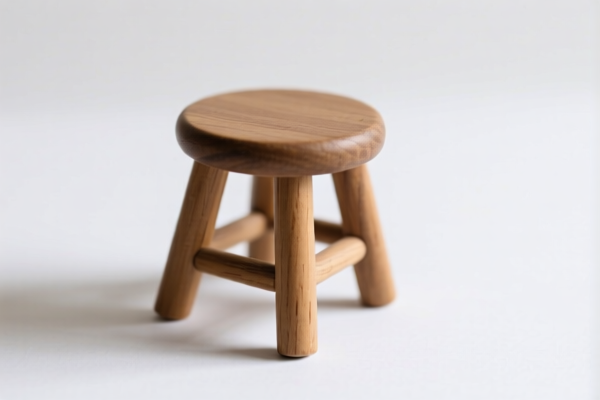
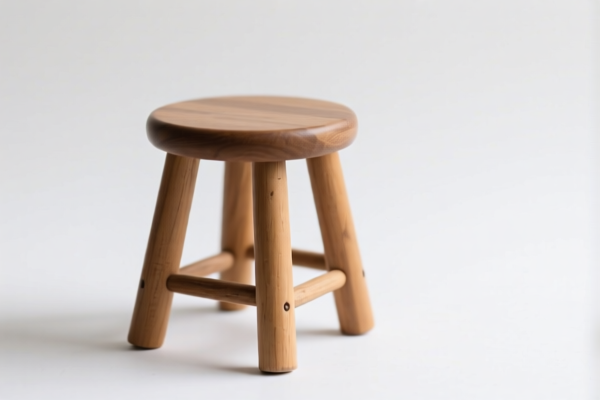
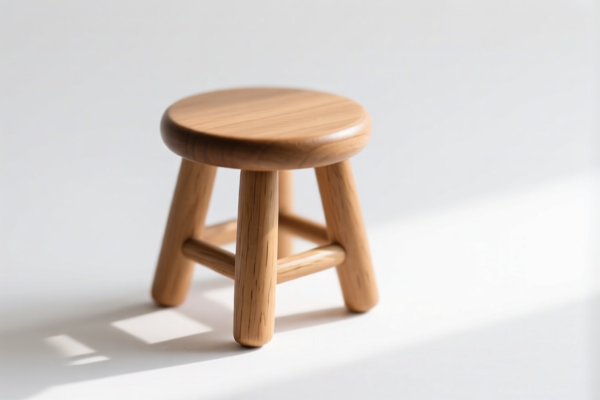
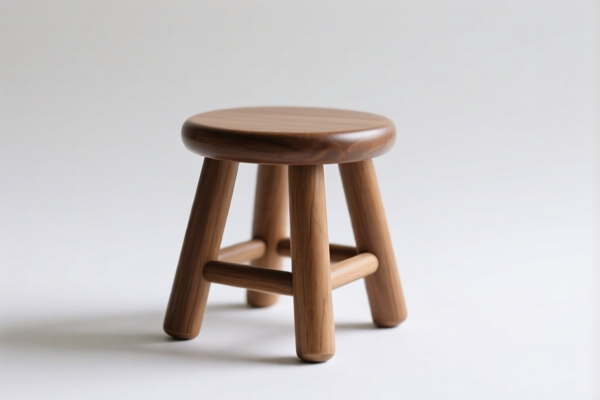
AI Analysis
🪑 Black Small Stool (Sits in the Grey Area: Metal vs. Plastic vs. Wood)
🌐 HS Code Reference & Customs Clearance Guide | 2026 Latest Tariff Analysis | Professional Clearance Strategy
📌 I. Product Definition & Classification: Is it Metal, Plastic, or Wood?
A "Black Small Stool" is a common household item, but its HS Code classification depends entirely on its material composition and structure. In international trade, misclassification can lead to massive tax differences (from 22.8% to 85.0%)!
Key Material Distinctions: * Metal Stools: Made of steel, aluminum, or copper alloys. * Plastic/Stool Parts: Made of polymer materials or specific plastic components. * Wooden Stools: Made with a wooden frame or substantial wood components.
⚠️ Critical Distinction Point:
- If the stool is primarily metal → Goes to 9403.20.00.50 (Highest Tax)
- If the stool is plastic/non-metal → Goes to 3926.90.99.30 or 3926.30.50.00 (Lowest Tax)
- If the stool has a wooden frame → Goes to 9401.69.60.31 or 9401.69.80.90 (Medium-High Tax)
📦 II. HS Code Classification Details (2026 Latest Tariff Authority Comparison)
| HS Code | Product Description | Application Scenario | Total Tax Rate | Key Reason for Classification |
|---|---|---|---|---|
9403.20.00.50 |
Other Metal Furniture (Metal Stool) | Steel/aluminum/copper alloy stools | 85.0% | Classified as "Other Metal Furniture" |
3926.90.99.30 |
Other Articles of Plastics (Plastic Stool) | Plastic stools or non-metal items | 22.8% | Classified as "Other Articles" under plastic category |
3926.30.50.00 |
Other Plastic Articles (Plastic Stool/Parts) | Plastic stools or furniture connection parts | 22.8% | Classified as "Plastic Articles" or furniture components |
9401.69.60.31 |
Other Seats with Wooden Frame (Wooden Stool) | Stools with a primary wooden frame structure | 35.0% | Classified under "Seats" with wooden framework |
9401.69.80.90 |
Other Seats (General/Default Stool) | Wooden frame or other material stools (Catch-all) | 35.0% | Classified under "Other Seats" (Default logic) |
🔍 Key Reminder:
- Metal stools are hit hardest with 85% due to Section 301 tariffs and specific metal additions.
- Plastic stools offer the most cost-effective clearance at 22.8%.
- Wooden stools sit in the middle at 35%.
- Do not guess: Providing photos and material specs to customs is mandatory to avoid penalties.
💰 III. 2026 Latest Tariff Rate Breakdown (Including Additional Duties & Policy Surcharges)
✅ Applicable Country: United States (US)
✅ Origin: China (CN)
✅ Effective Time: Current rates applicable for 2026 imports
🎯 1. 9403.20.00.50 —— Metal Stool (Highest Risk/Cost)
| Item | Content |
|---|---|
| Base Tariff | 0.0% (ad valorem) |
| Section 301 Surcharge | +25.0% |
| Section 122 Surcharge (Steel/Aluminum/Copper) | +50.0% |
| Total Rate | 85.0% |
| Tax Calculation | CIF Value × 85% |
| De Minimis Exemption | ❌ Not Available (High value threshold exceeded by tax burden) |
| Legal Basis Path | USITC:9403.20.00.50 → FOOTNOTE:301 → FOOTNOTE:122 |
📌 Explanation:
- This is the most expensive classification.
- The 50% additional tariff under Section 122 targets specific steel, aluminum, and copper products.
- Combined with the 25% Section 301 tariff, the total cost is extremely high.
- Strategy: Avoid importing metal stools from China if possible; consider sourcing from ASEAN countries for lower duties.
🎯 2. 3926.90.99.30 & 3926.30.50.00 —— Plastic Stool (Lowest Cost)
| Item | Content |
|---|---|
| Base Tariff | 5.3% (ad valorem) |
| Section 301 Surcharge | +7.5% |
| Section 122 Surcharge | +10.0% (Specific plastic/chapter 39 rules) |
| Total Rate | 22.8% |
| Tax Calculation | CIF Value × 22.8% |
| De Minimis Exemption | ❌ Not Available (But significantly lower absolute cost) |
| Legal Basis Path | USITC:3926.90.99.30 / 3926.30.50.00 → FOOTNOTE:301 → FOOTNOTE:122 |
📌 Note:
- 22.8% is the most competitive rate for stools.
- Applies to stools made entirely of plastic or plastic components.
- Strategy: If your product allows, design stools using plastic materials to save 62.2% in taxes compared to metal.
🎯 3. 9401.69.60.31 & 9401.69.80.90 —— Wooden/General Stool (Medium Cost)
| Item | Content |
|---|---|
| Base Tariff | 0.0% (ad valorem) |
| Section 301 Surcharge | +25.0% |
| Section 122 Surcharge | +10.0% |
| Total Rate | 35.0% |
| Tax Calculation | CIF Value × 35.0% |
| De Minimis Exemption | ❌ Not Available |
| Legal Basis Path | USITC:9401.69.60.31 / 9401.69.80.90 → FOOTNOTE:301 → FOOTNOTE:122 |
📌 Note:
- Applies to stools with wooden frames or general "other seats" that don't fit metal/plastic specifics.
- 35% is a moderate burden, significantly lower than metal but higher than plastic.
- Strategy: Ensure the wooden frame is the primary structural element. If it's just a wooden leg on a metal stool, it may still be classified as metal (85%).
🛠️ IV. Customs Clearance Practical Advice (Avoiding Pitfalls)
✅ 1. Preparation Checklist (Mandatory Documents)
| Document | Required | Explanation |
|---|---|---|
| ✅ Product Specification Sheet | ✔️ | Must explicitly state Material Composition (e.g., "100% Polypropylene" or "Steel Frame") |
| ✅ Product Photos | ✔️ | Clear images showing structure, joints, and material texture |
| ✅ Material Certification | ✔️ | If claiming plastic, provide material test reports to avoid reclassification as metal |
| ✅ Commercial Invoice | ✔️ | Item description should be precise: "Black Plastic Stool" NOT just "Stool" |
| ✅ Packing List | ✔️ | Confirm no mixed materials (e.g., metal legs + plastic seat) without clear declaration |
✅ 2. Declaration Tips (Golden Rules)
🔥 "Material is King, Structure is Queen, Accuracy Saves Thousands!"
| Scenario | Correct Declaration | Wrong Practice | Consequence |
|---|---|---|---|
| 100% Plastic Stool | 3926.90.99.30 |
Declare as "Furniture" generic | Risk of reclassification to 9403 (85%) |
| Metal Frame + Plastic Seat | Depends on primary value/structure | Declare as "Plastic" only | Customs may split or classify as Metal (85%) |
| Wooden Frame Stool | 9401.69.60.31 |
Declare as "Plastic" | Rejection or back-tariff of 62.2% |
| Mixed Material Stool | Provide detailed BOM (Bill of Materials) | Vague description "Multi-material" | High audit risk, delays, fines |
✅ 3. Special Situation Handling
| Situation | Handling Advice |
|---|---|
| OEM Custom Stools | Provide design drawings to prove material intent. If the buyer specifies metal, ensure the supplier provides metal certs. |
| Stools with Cushions | If the cushion is significant, ensure it doesn't change the classification. Usually, the frame material dictates the HS code. |
| Importing from Non-China Countries | If sourced from Vietnam/Mexico, Section 301 tariffs (25%) may not apply, reducing total tax significantly. |
| Section 122 Steel/Aluminum | If the stool is >50% steel/aluminum by weight/value, the 50% surcharge applies. Verify alloy composition. |
🌍 V. Global Market Comparison (2026 Latest)
| Country/Region | Recommended HS Code | Tax Rate (China Origin) | Certification Required | Notes |
|---|---|---|---|---|
| 🇺🇸 USA | 3926.90.99.30 (Plastic) |
22.8% | FCC (if electronic parts), CA Prop 65 | Avoid 9403.20 (85%) unless necessary |
| 🇺🇸 USA | 9403.20.00.50 (Metal) |
85.0% | CA Prop 65 | High cost, verify Section 122 applicability |
| 🇪🇺 EU | 9403.20 (Metal) |
~6-15% | CE (if applicable), REACH | Lower base tariffs, but no Section 301 |
| 🇨🇳 China | 9403.20 (Metal) |
~10-15% | CCC (if applicable) | Domestic production rules apply |
📌 Conclusion:
- USA is the most critical market for tax optimization due to Section 301 and 122 surcharges.
- Plastic stools (22.8%) are the safest bet for profit margins.
- Metal stools (85%) require extreme caution and cost-benefit analysis.
📌 VI. Common Errors & Pitfalls Guide (Lessons Learned)
❌ Error 1: Declaring a Metal Stool as "Plastic" to save tax
👉 Consequence: Customs inspection reveals metal content → Back-tariff of 62.2% + Fines
❌ Error 2: Ignoring Section 122 for steel/aluminum products
👉 Consequence: Paying only 25% instead of 85% → Large surprise bill at customs
❌ Error 3: Vague description "Stool" in Invoice
👉 Consequence: Customs officer uses "General Furniture" or picks highest rate → Delays and potential 85% charge
✅ Correct Practice:
"Black Plastic Stool, Material: 100% PP, No Metal Components, Model XYZ"
OR
"Black Metal Stool, Steel Frame, Section 122 Applicable, Model ABC"
🎯 VII. Conclusion: Precise Classification, Maximized Profit!
🎯 Remember the Golden Rules:
🔹 "Plastic is King (22.8%), Wood is Queen (35%), Metal is the Enemy (85%)"
🔹 "Check Section 122 for Metals, Check Section 301 for All"
🔹 "Declare Material Exactly, Avoid Customs Audits!"
📌 Tips:
- If your stool has mixed materials (e.g., wooden legs, plastic seat), consult a customs broker for primary character determination.
- Consider sourcing from Vietnam or Mexico for metal stools to avoid Section 301 tariffs (though Section 122 may still apply).
- Request Advance Rulings from US Customs if your product is borderline.
📣 Immediate Action:
📞 Contact a Licensed Customs Broker + Provide Material Spec Sheets + Apply for Pre-Ruling if High Value
🚀 Let your "Black Small Stool" clear customs smoothly, legally, and profitably!
✨ Professional Clearance Starts with Accurate Classification!
💼 Every Percent Saved is Pure Profit!
Customer Reviews
About HS Code Classification
The Harmonized System (HS) is an internationally standardized nomenclature developed by the World Customs Organization (WCO) to classify traded products. Over 200 countries use the HS system as the basis for customs tariffs, trade statistics, and import/export regulations.
Each HS code follows a hierarchical structure:
- Chapter (2 digits) — Broad category of goods (e.g., Chapter 84: Machinery and Mechanical Appliances)
- Heading (4 digits) — More specific grouping within the chapter
- Subheading (6 digits) — Internationally standardized breakdown, used by all WCO member countries
- National subdivisions (8-10 digits) — Country-specific extensions for further classification, such as US HTSUS 10-digit codes
Correct HS code classification is essential for smooth customs clearance, accurate duty payment, and compliance with trade regulations. Misclassification can lead to customs delays, overpayment of duties, or penalties.
When importing from CN to US, the applicable tariff rates may include:
- Most-Favored-Nation (MFN) rate — The standard duty rate applied to WTO members
- General rate — Applied to countries without trade agreements
- Trade remedy duties — Additional tariffs such as Section 301 (anti-dumping), Section 232 (national security), or countervailing duties
The information provided on this page is for reference purposes only. For official classification, please consult with your local customs authority or a licensed customs broker.