Blank Card
CN → US| HS编码 | 关税税率 | 原产国 | 目的国 | 文档 |
|---|---|---|---|---|
| 4823903100 | 35.0% | CN | US | 官方文档 |
| 4823908000 | 35.0% | CN | US | 官方文档 |
| 8523520010 | 35.0% | CN | US | 官方文档 |
| 8523520090 | 35.0% | CN | US | 官方文档 |
| 3926909400 | 35.0% | CN | US | 官方文档 |
| 3926908800 | 0.0% | CN | US | 官方文档 |
商品图片
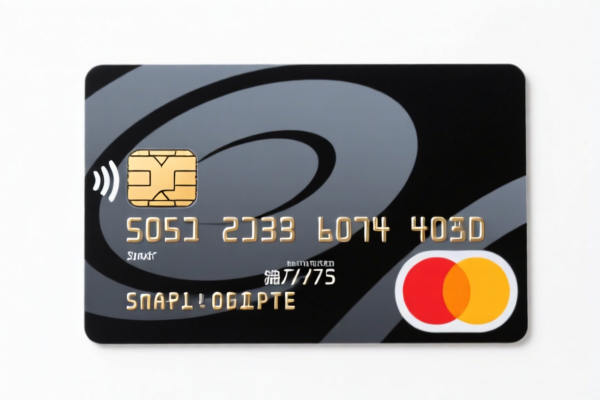
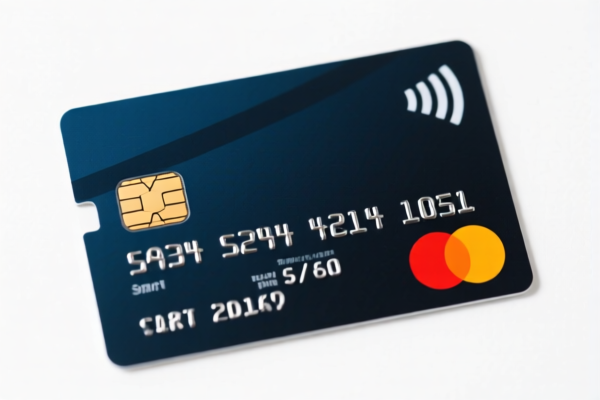
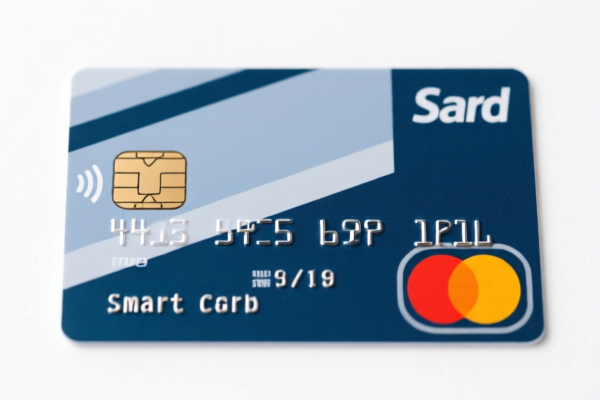
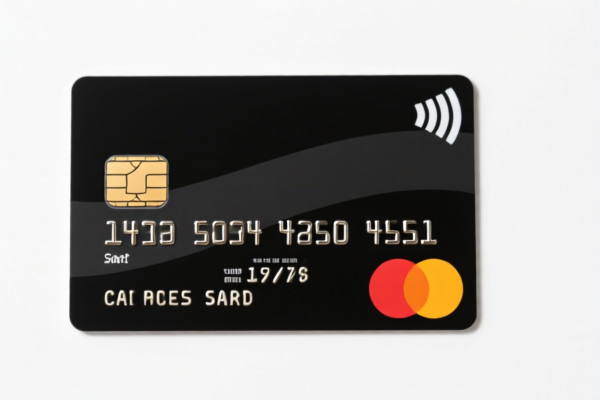
AI分析
🃏 Blank Cards & Smart Media: The "Silent" Data Carriers
🌐 HS Code Reference & Customs Clearance Guide | 2026 Latest Tariff Analysis | Specialized Clearance Strategy
📌 I. Product Definition & Classification: What Exactly Are "Blank Cards"?
"Blank Cards" is a generic term in international trade that covers a wide range of non-punched, unrecorded, or generic cards made from various materials. In the eyes of customs, they are not a single HS Code category. They are split based on Material (Paper/Plastic) and Function (Mechanical Punch Cards vs. Electronic Smart Cards).
Misclassifying these can lead to severe penalties because the tax treatment differs significantly between paper-based mechanical cards and high-tech semiconductor media.
⚠️ Key Distinction Point:
- If it is a paper/plastic card used for mechanical systems (like old jacquard looms) or general identification → It belongs to Chapter 48 or Chapter 39.
- If it is an electronic smart card (with a chip/contact or contactless) intended for data processing → It belongs to Chapter 85.
- Never mix "Paper Punch Cards" with "Electronic Smart Cards."
📦 II. HS Code Classification Details (2026 Latest Tariff Authority Comparison)
Based on the provided data, here are the specific HS Codes and their descriptions for "Blank Cards" and related media.
| HS Code | Product Description | Material/Type | Primary Application |
|---|---|---|---|
4823.90.31.00 |
Cards, not punched, for punchcard machines, whether or not in strips | Paper, Paperboard, or Cellulose Wadding | Mechanical/Industrial: Used in legacy punch-card machines, jacquard weaving controls, or specific mechanical data recording. |
8523.52.00.10 |
"Smart cards" Unrecorded (Semiconductor media) | Plastic/Semiconductor | Electronic: Blank RFID chips, contact smart cards, or contactless smart cards ready for programming. |
8523.52.00.90 |
"Smart cards" Other (Semiconductor media) | Plastic/Semiconductor | Electronic: Other types of unrecorded smart cards not covered by the previous specific subheading. |
3926.90.94.00 |
Cards, not punched, suitable for use as, or in making, jacquard cards; Jacquard cards and heads... | Plastics | Industrial/Textile: Plastic jacquard cards for power-driven weaving machines. |
3926.90.88.00 |
Cards, not punched, suitable for use as, or in making, cards for data processing or for use in electronic systems | Plastics | Electronic/General: General-purpose plastic cards for data processing (non-semiconductor chip based, e.g., magnetic stripe base or generic electronic input cards). |
4823.90.80.00 |
Gaskets, washers and other seals | Paper/Paperboard | Note: Listed in data, but NOT a "card." Included for context to avoid misclassification of paper shapes. |
🔍 Critical Warning:
-4823.90.31.00is for PAPER cards used in mechanical punch systems.
-8523.52.00is for SEMICONDUCTOR (Chip) cards.
-3926.90.94.00is for PLASTIC cards specifically for Jacquard machines.
-3926.90.88.00is for PLASTIC cards for Electronic Data Processing (but not necessarily containing a semiconductor chip, e.g., magnetic stripe carriers or generic electronic inputs).
💰 III. 2026 Latest Tariff Rate Details (Including Additional Taxes)
✅ Applicable Country: USA (US)
✅ Origin: China (CN)
✅ Effective Date: Current regulations apply (25% Additional Tariff active).
🎯 1. 4823.90.31.00 – Paper Cards for Punchcard Machines
| Item | Details |
|---|---|
| Base Tariff | 0.0% |
| Additional Tariff (Section 301) | +25.0% |
| Total Tax Rate | 25.0% |
| Tax Detail | "基础关税: 0.0%, 加征关税: 25.0%" |
| Legal Basis | Section 301 Tariff List |
📌 Explanation:
- Even though the base tariff is 0%, the 25% Section 301 tariff applies to Chinese-origin paper-based mechanical cards.
- This is a high-cost item if imported from China.
- Customs Note: Ensure the product is truly for "punchcard machines." If it’s for modern computer data entry, it may be misclassified.
🎯 2. 8523.52.00.10 & 8523.52.00.90 – Unrecorded Smart Cards (Semiconductor)
| Item | Details |
|---|---|
| Base Tariff | 0.0% |
| Additional Tariff (Section 301) | +25.0% |
| Total Tax Rate | 25.0% |
| Tax Detail | "基础关税: 0.0%, 加征关税: 25.0%" |
| Legal Basis | Section 301 Tariff List |
📌 Explanation:
- Smart Cards (RFID, Chip Cards) are classified under Chapter 85 (Electrical Machinery).
- Despite being high-tech, they are also subject to the 25% additional tariff.
- No De Minimis Exemption: These items are not eligible for the $800 de minimis exemption in many contexts due to the nature of electronic goods and potential national security concerns, though specific courier rules may vary. Always verify with your carrier.
🎯 3. 3926.90.94.00 – Plastic Jacquard Cards
| Item | Details |
|---|---|
| Base Tariff | 0.0% |
| Additional Tariff (Section 301) | +25.0% |
| Total Tax Rate | 25.0% |
| Tax Detail | "基础关税: 0.0%, 加征关税: 25.0%" |
📌 Explanation:
- These are specialized industrial components for textile machinery.
- Misclassification as general "plastic cards" could lead to disputes. Ensure the description mentions "Jacquard cards for power-driven weaving machines."
🎯 4. 3926.90.88.00 – Plastic Cards for Data Processing/Electronic Systems
| Item | Details |
|---|---|
| Base Tariff | N/A (Retrieval Failed) |
| Additional Tariff (Section 301) | Likely 25% (Based on pattern of other Chapter 39 items from China) |
| Total Tax Rate | Error / Uncertain |
| Tax Detail | "Failed to retrieve tax information" |
📌 Critical Warning:
- The provided data shows "Failed to retrieve tax information" for this specific code.
- However, similar plastic articles (Chapter 39) from China are typically subject to 25% Section 301 tariffs.
- Recommendation: DO NOT assume 0%. Assume 25% for budgeting purposes. Contact a customs broker to verify if this specific subheading has an exemption or if the 25% applies.
- Risk: If the 25% does not apply, you might be overpaying. If it does and you pay 0%, you will face back-taxes and penalties.
🛠️ IV. Customs Clearance Practical Advice (Battle-Tested Tips)
✅ 1. Preparation Checklist (Must-Have Documents)
| Document | Must Provide? | Purpose |
|---|---|---|
| ✅ Product Specification Sheet | ✔️ | Must explicitly state: "Blank," "Unrecorded," "Not Punched," and "Material (Paper/Plastic)." |
| ✅ Function Description | ✔️ | Is it for a Punchcard Machine? For a Smart Card Reader? For Jacquard Weaving? |
| ✅ Photos | ✔️ | Show the card size, material texture, and any markings (or lack thereof). |
| ✅ Commercial Invoice | ✔️ | Clearly describe the item as "Blank Unrecorded Smart Card" or "Paper Punch Card," NOT just "Card." |
| ✅ Bill of Lading/Air Waybill | ✔️ | Ensure the description matches the invoice. |
✅ 2. Classification Strategy (Key Formulas)
🔥 “Material First, Function Second, Tax Third!”
| Scenario | Correct HS Code | Tax Rate | Why? |
|---|---|---|---|
| Paper card for old punch machine | 4823.90.31.00 |
25% | It’s paper + mechanical function. |
| Plastic card for Jacquard Loom | 3926.90.94.00 |
25% | It’s plastic + specific industrial textile function. |
| Plastic card with NO chip (e.g., magstripe base) | 3926.90.88.00 |
Verify | It’s plastic + electronic system input. Tax info missing; assume 25%. |
| Plastic card WITH Chip (Smart Card) | 8523.52.00.10 or .90 |
25% | It’s a semiconductor media. High-tech classification. |
⚠️ Mistake to Avoid:
- Do NOT classify a Smart Card as a "Plastic Card" (3926) to save tax. It will be flagged as Chapter 85 by the US Customs and Border Protection (CBP) AI systems, leading to audits.
- Do NOT classify a Paper Punch Card as "Plastic." Material mismatch is an instant red flag.
✅ 3. Special Case Handling
| Situation | Advice |
|---|---|
| Mixed Shipment (Paper + Smart Cards) | Declare Separately! Do not combine. Paper goes to Ch 48, Smart Cards to Ch 85. |
| Card Strips | If the cards are in strips, ensure the description mentions "strips" to match 4823.90.31.00 or 3926.90.88.00. |
| Pre-Printed vs. Blank | If there is any printing (logos, text), it is still "Blank" if unrecorded/unpunched. But if it contains data (magnetic stripe encoded, chip programmed), it is Recorded and may have different duties. |
| Gaskets/Washers (Paper) | If you are importing paper gaskets, do not use 4823.90.31.00. Use 4823.90.80.00. Misclassification leads to delays. |
🌍 V. Global Market Comparison (2026)
| Country | Recommended HS Code | Tariff (China Origin) | Notes |
|---|---|---|---|
| 🇺🇸 USA | Varies by Type | 25% | High additional tariff on almost all categories. |
| 🇨🇳 China | Varies by Type | 0-5% | Lower base tariffs. No Section 301 equivalent. |
| 🇪🇺 EU | Varies by Type | 0-3% | Generally lower. No similar 25% surcharge. |
| 🇬🇧 UK | Varies by Type | 0-3% | Post-Brexit tariffs are generally favorable for low-tech imports. |
📌 Conclusion:
- USA is the most expensive market for "Blank Cards" due to the 25% Section 301 tariff.
- Consider Supply Chain Diversification if importing to the USA to mitigate cost.
📌 VI. Common Errors & Pitfalls (Blood Lessons)
❌ Error 1: Calling "Smart Cards" just "Plastic Cards"
👉 Consequence: Customs reclassifies to 8523.52.00. If you paid 0% expecting a low plastic rate, you owe 25% back + penalties.
❌ Error 2: Using 4823.90.31.00 for Plastic Cards
👉 Consequence: Material mismatch. Customs will reject the entry or assess higher duties for plastics.
❌ Error 3: Ignoring the "Failed to Retrieve" Tax for 3926.90.88.00
👉 Consequence: Assuming 0% tax. If the 25% applies, you face large back-taxes. Always budget 25%.
❌ Error 4: Missing "Unrecorded" in Description
👉 Consequence: Customs may suspect the cards are recorded (data-bearing), leading to Section 301 exclusions challenges or IP violations.
✅ Correct Description Example:
"Blank Unrecorded Semiconductor Smart Cards, Plastic, Contact Type, Model XYZ, No Data Loaded, For Use in Payment Systems"
✅ Correct Description Example:
"Blank Paper Cards, Not Punched, for Use in Mechanical Punchcard Machines, 3x5 Inches, 20 lbs Stock"
🎯 VII. Conclusion: Precision is Profit!
🎯 Remember the Rules:
🔹 "Paper for Punks (Punchcards), Plastic for Jacquard, Chip for Smart."
🔹 "25% is the Price for China, in the USA, you pay for every card."
🔹 "Check the Tax for3926.90.88, it’s not free, don’t assume!"
📌 Pro Tip:
If you are importing Smart Cards (8523.52), ensure you have FCC ID or IC Certifications if they have wireless components (RFID/NFC). Lack of certification can lead to detention even if the tariff is paid.
📣 Immediate Action:
📞 Consult a Customs Broker for
3926.90.88.00to confirm the current 25% status.
🚀 Label Clearly: "BLANK - UNRECORDED" on all packaging to avoid misinterpretation as "Recorded Media."
✨ Professional Classification Saves Money!
💼 Don’t let a 25% tariff surprise wipe out your margin!
用户评价
关于 HS 编码归类
协调制度(HS)是由世界海关组织(WCO)制定的国际贸易商品分类标准。全球 200 多个国家采用 HS 系统作为海关关税、贸易统计和进出口监管的基础。
每个 HS 编码遵循以下层级结构:
- 章(2 位)——商品大类(例如:第 84 章:机器和机械设备)
- 品目(4 位)——章内的更具体分类
- 子目(6 位)——国际通用细分,所有 WCO 成员国统一使用
- 本国细分(8-10 位)——各国自行扩展的细分编码,如美国 HTSUS 10 位编码
正确的 HS 编码归类对于顺利通关、准确缴纳关税和遵守贸易法规至关重要。错误归类可能导致海关延误、多缴关税或罚款。
从CN进口到US时,适用的关税税率可能包括:
- 最惠国(MFN)税率——适用于 WTO 成员国的标准关税税率
- 普通税率——适用于无贸易协定国家
- 贸易救济关税——附加关税,如 301 条款(反倾销)、232 条款(国家安全)或反补贴税
本页内容仅供参考。如需正式归类,请咨询当地海关或持牌报关代理。