Blank Card
CN → US| HS Code | Tariff Rate | Origin | Destination | Doc |
|---|---|---|---|---|
| 4823903100 | 35.0% | CN | US | Official Doc |
| 4823908000 | 35.0% | CN | US | Official Doc |
| 8523520010 | 35.0% | CN | US | Official Doc |
| 8523520090 | 35.0% | CN | US | Official Doc |
| 3926909400 | 35.0% | CN | US | Official Doc |
| 3926908800 | 0.0% | CN | US | Official Doc |
Product Images
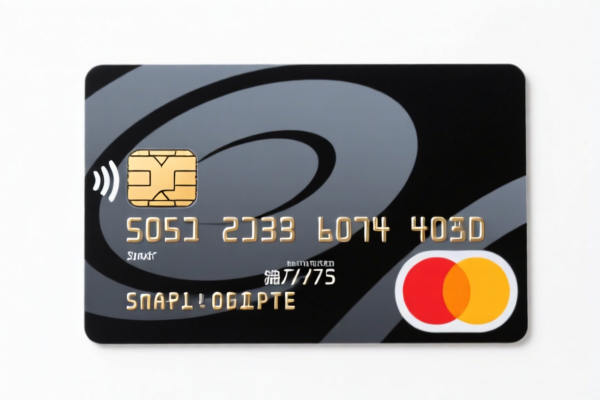
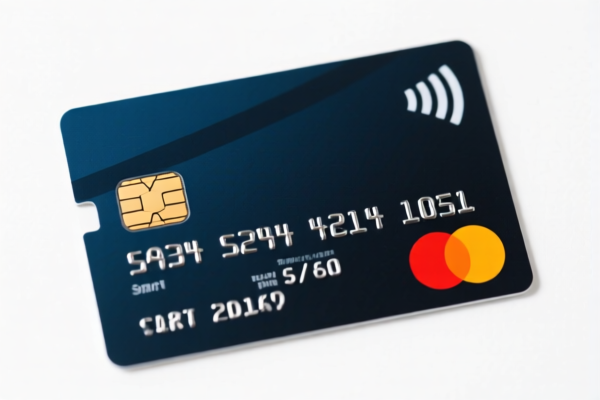
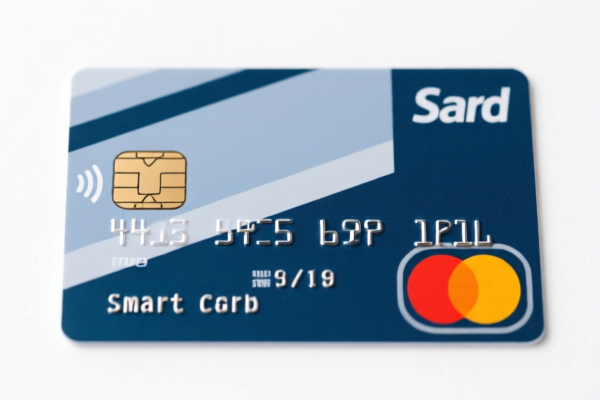
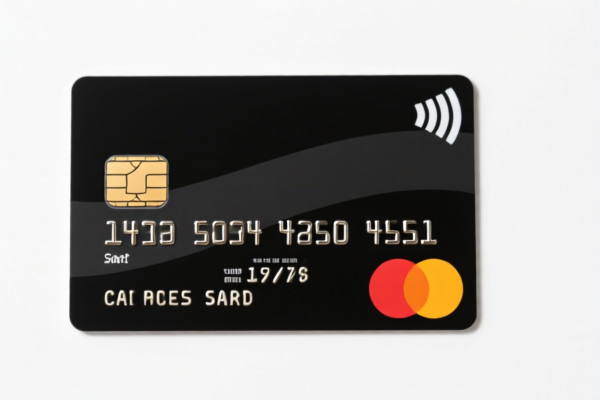
AI Analysis
🃏 Blank Cards & Smart Media: The "Silent" Data Carriers
🌐 HS Code Reference & Customs Clearance Guide | 2026 Latest Tariff Analysis | Specialized Clearance Strategy
📌 I. Product Definition & Classification: What Exactly Are "Blank Cards"?
"Blank Cards" is a generic term in international trade that covers a wide range of non-punched, unrecorded, or generic cards made from various materials. In the eyes of customs, they are not a single HS Code category. They are split based on Material (Paper/Plastic) and Function (Mechanical Punch Cards vs. Electronic Smart Cards).
Misclassifying these can lead to severe penalties because the tax treatment differs significantly between paper-based mechanical cards and high-tech semiconductor media.
⚠️ Key Distinction Point:
- If it is a paper/plastic card used for mechanical systems (like old jacquard looms) or general identification → It belongs to Chapter 48 or Chapter 39.
- If it is an electronic smart card (with a chip/contact or contactless) intended for data processing → It belongs to Chapter 85.
- Never mix "Paper Punch Cards" with "Electronic Smart Cards."
📦 II. HS Code Classification Details (2026 Latest Tariff Authority Comparison)
Based on the provided data, here are the specific HS Codes and their descriptions for "Blank Cards" and related media.
| HS Code | Product Description | Material/Type | Primary Application |
|---|---|---|---|
4823.90.31.00 |
Cards, not punched, for punchcard machines, whether or not in strips | Paper, Paperboard, or Cellulose Wadding | Mechanical/Industrial: Used in legacy punch-card machines, jacquard weaving controls, or specific mechanical data recording. |
8523.52.00.10 |
"Smart cards" Unrecorded (Semiconductor media) | Plastic/Semiconductor | Electronic: Blank RFID chips, contact smart cards, or contactless smart cards ready for programming. |
8523.52.00.90 |
"Smart cards" Other (Semiconductor media) | Plastic/Semiconductor | Electronic: Other types of unrecorded smart cards not covered by the previous specific subheading. |
3926.90.94.00 |
Cards, not punched, suitable for use as, or in making, jacquard cards; Jacquard cards and heads... | Plastics | Industrial/Textile: Plastic jacquard cards for power-driven weaving machines. |
3926.90.88.00 |
Cards, not punched, suitable for use as, or in making, cards for data processing or for use in electronic systems | Plastics | Electronic/General: General-purpose plastic cards for data processing (non-semiconductor chip based, e.g., magnetic stripe base or generic electronic input cards). |
4823.90.80.00 |
Gaskets, washers and other seals | Paper/Paperboard | Note: Listed in data, but NOT a "card." Included for context to avoid misclassification of paper shapes. |
🔍 Critical Warning:
-4823.90.31.00is for PAPER cards used in mechanical punch systems.
-8523.52.00is for SEMICONDUCTOR (Chip) cards.
-3926.90.94.00is for PLASTIC cards specifically for Jacquard machines.
-3926.90.88.00is for PLASTIC cards for Electronic Data Processing (but not necessarily containing a semiconductor chip, e.g., magnetic stripe carriers or generic electronic inputs).
💰 III. 2026 Latest Tariff Rate Details (Including Additional Taxes)
✅ Applicable Country: USA (US)
✅ Origin: China (CN)
✅ Effective Date: Current regulations apply (25% Additional Tariff active).
🎯 1. 4823.90.31.00 – Paper Cards for Punchcard Machines
| Item | Details |
|---|---|
| Base Tariff | 0.0% |
| Additional Tariff (Section 301) | +25.0% |
| Total Tax Rate | 25.0% |
| Tax Detail | "基础关税: 0.0%, 加征关税: 25.0%" |
| Legal Basis | Section 301 Tariff List |
📌 Explanation:
- Even though the base tariff is 0%, the 25% Section 301 tariff applies to Chinese-origin paper-based mechanical cards.
- This is a high-cost item if imported from China.
- Customs Note: Ensure the product is truly for "punchcard machines." If it’s for modern computer data entry, it may be misclassified.
🎯 2. 8523.52.00.10 & 8523.52.00.90 – Unrecorded Smart Cards (Semiconductor)
| Item | Details |
|---|---|
| Base Tariff | 0.0% |
| Additional Tariff (Section 301) | +25.0% |
| Total Tax Rate | 25.0% |
| Tax Detail | "基础关税: 0.0%, 加征关税: 25.0%" |
| Legal Basis | Section 301 Tariff List |
📌 Explanation:
- Smart Cards (RFID, Chip Cards) are classified under Chapter 85 (Electrical Machinery).
- Despite being high-tech, they are also subject to the 25% additional tariff.
- No De Minimis Exemption: These items are not eligible for the $800 de minimis exemption in many contexts due to the nature of electronic goods and potential national security concerns, though specific courier rules may vary. Always verify with your carrier.
🎯 3. 3926.90.94.00 – Plastic Jacquard Cards
| Item | Details |
|---|---|
| Base Tariff | 0.0% |
| Additional Tariff (Section 301) | +25.0% |
| Total Tax Rate | 25.0% |
| Tax Detail | "基础关税: 0.0%, 加征关税: 25.0%" |
📌 Explanation:
- These are specialized industrial components for textile machinery.
- Misclassification as general "plastic cards" could lead to disputes. Ensure the description mentions "Jacquard cards for power-driven weaving machines."
🎯 4. 3926.90.88.00 – Plastic Cards for Data Processing/Electronic Systems
| Item | Details |
|---|---|
| Base Tariff | N/A (Retrieval Failed) |
| Additional Tariff (Section 301) | Likely 25% (Based on pattern of other Chapter 39 items from China) |
| Total Tax Rate | Error / Uncertain |
| Tax Detail | "Failed to retrieve tax information" |
📌 Critical Warning:
- The provided data shows "Failed to retrieve tax information" for this specific code.
- However, similar plastic articles (Chapter 39) from China are typically subject to 25% Section 301 tariffs.
- Recommendation: DO NOT assume 0%. Assume 25% for budgeting purposes. Contact a customs broker to verify if this specific subheading has an exemption or if the 25% applies.
- Risk: If the 25% does not apply, you might be overpaying. If it does and you pay 0%, you will face back-taxes and penalties.
🛠️ IV. Customs Clearance Practical Advice (Battle-Tested Tips)
✅ 1. Preparation Checklist (Must-Have Documents)
| Document | Must Provide? | Purpose |
|---|---|---|
| ✅ Product Specification Sheet | ✔️ | Must explicitly state: "Blank," "Unrecorded," "Not Punched," and "Material (Paper/Plastic)." |
| ✅ Function Description | ✔️ | Is it for a Punchcard Machine? For a Smart Card Reader? For Jacquard Weaving? |
| ✅ Photos | ✔️ | Show the card size, material texture, and any markings (or lack thereof). |
| ✅ Commercial Invoice | ✔️ | Clearly describe the item as "Blank Unrecorded Smart Card" or "Paper Punch Card," NOT just "Card." |
| ✅ Bill of Lading/Air Waybill | ✔️ | Ensure the description matches the invoice. |
✅ 2. Classification Strategy (Key Formulas)
🔥 “Material First, Function Second, Tax Third!”
| Scenario | Correct HS Code | Tax Rate | Why? |
|---|---|---|---|
| Paper card for old punch machine | 4823.90.31.00 |
25% | It’s paper + mechanical function. |
| Plastic card for Jacquard Loom | 3926.90.94.00 |
25% | It’s plastic + specific industrial textile function. |
| Plastic card with NO chip (e.g., magstripe base) | 3926.90.88.00 |
Verify | It’s plastic + electronic system input. Tax info missing; assume 25%. |
| Plastic card WITH Chip (Smart Card) | 8523.52.00.10 or .90 |
25% | It’s a semiconductor media. High-tech classification. |
⚠️ Mistake to Avoid:
- Do NOT classify a Smart Card as a "Plastic Card" (3926) to save tax. It will be flagged as Chapter 85 by the US Customs and Border Protection (CBP) AI systems, leading to audits.
- Do NOT classify a Paper Punch Card as "Plastic." Material mismatch is an instant red flag.
✅ 3. Special Case Handling
| Situation | Advice |
|---|---|
| Mixed Shipment (Paper + Smart Cards) | Declare Separately! Do not combine. Paper goes to Ch 48, Smart Cards to Ch 85. |
| Card Strips | If the cards are in strips, ensure the description mentions "strips" to match 4823.90.31.00 or 3926.90.88.00. |
| Pre-Printed vs. Blank | If there is any printing (logos, text), it is still "Blank" if unrecorded/unpunched. But if it contains data (magnetic stripe encoded, chip programmed), it is Recorded and may have different duties. |
| Gaskets/Washers (Paper) | If you are importing paper gaskets, do not use 4823.90.31.00. Use 4823.90.80.00. Misclassification leads to delays. |
🌍 V. Global Market Comparison (2026)
| Country | Recommended HS Code | Tariff (China Origin) | Notes |
|---|---|---|---|
| 🇺🇸 USA | Varies by Type | 25% | High additional tariff on almost all categories. |
| 🇨🇳 China | Varies by Type | 0-5% | Lower base tariffs. No Section 301 equivalent. |
| 🇪🇺 EU | Varies by Type | 0-3% | Generally lower. No similar 25% surcharge. |
| 🇬🇧 UK | Varies by Type | 0-3% | Post-Brexit tariffs are generally favorable for low-tech imports. |
📌 Conclusion:
- USA is the most expensive market for "Blank Cards" due to the 25% Section 301 tariff.
- Consider Supply Chain Diversification if importing to the USA to mitigate cost.
📌 VI. Common Errors & Pitfalls (Blood Lessons)
❌ Error 1: Calling "Smart Cards" just "Plastic Cards"
👉 Consequence: Customs reclassifies to 8523.52.00. If you paid 0% expecting a low plastic rate, you owe 25% back + penalties.
❌ Error 2: Using 4823.90.31.00 for Plastic Cards
👉 Consequence: Material mismatch. Customs will reject the entry or assess higher duties for plastics.
❌ Error 3: Ignoring the "Failed to Retrieve" Tax for 3926.90.88.00
👉 Consequence: Assuming 0% tax. If the 25% applies, you face large back-taxes. Always budget 25%.
❌ Error 4: Missing "Unrecorded" in Description
👉 Consequence: Customs may suspect the cards are recorded (data-bearing), leading to Section 301 exclusions challenges or IP violations.
✅ Correct Description Example:
"Blank Unrecorded Semiconductor Smart Cards, Plastic, Contact Type, Model XYZ, No Data Loaded, For Use in Payment Systems"
✅ Correct Description Example:
"Blank Paper Cards, Not Punched, for Use in Mechanical Punchcard Machines, 3x5 Inches, 20 lbs Stock"
🎯 VII. Conclusion: Precision is Profit!
🎯 Remember the Rules:
🔹 "Paper for Punks (Punchcards), Plastic for Jacquard, Chip for Smart."
🔹 "25% is the Price for China, in the USA, you pay for every card."
🔹 "Check the Tax for3926.90.88, it’s not free, don’t assume!"
📌 Pro Tip:
If you are importing Smart Cards (8523.52), ensure you have FCC ID or IC Certifications if they have wireless components (RFID/NFC). Lack of certification can lead to detention even if the tariff is paid.
📣 Immediate Action:
📞 Consult a Customs Broker for
3926.90.88.00to confirm the current 25% status.
🚀 Label Clearly: "BLANK - UNRECORDED" on all packaging to avoid misinterpretation as "Recorded Media."
✨ Professional Classification Saves Money!
💼 Don’t let a 25% tariff surprise wipe out your margin!
Customer Reviews
About HS Code Classification
The Harmonized System (HS) is an internationally standardized nomenclature developed by the World Customs Organization (WCO) to classify traded products. Over 200 countries use the HS system as the basis for customs tariffs, trade statistics, and import/export regulations.
Each HS code follows a hierarchical structure:
- Chapter (2 digits) — Broad category of goods (e.g., Chapter 84: Machinery and Mechanical Appliances)
- Heading (4 digits) — More specific grouping within the chapter
- Subheading (6 digits) — Internationally standardized breakdown, used by all WCO member countries
- National subdivisions (8-10 digits) — Country-specific extensions for further classification, such as US HTSUS 10-digit codes
Correct HS code classification is essential for smooth customs clearance, accurate duty payment, and compliance with trade regulations. Misclassification can lead to customs delays, overpayment of duties, or penalties.
When importing from CN to US, the applicable tariff rates may include:
- Most-Favored-Nation (MFN) rate — The standard duty rate applied to WTO members
- General rate — Applied to countries without trade agreements
- Trade remedy duties — Additional tariffs such as Section 301 (anti-dumping), Section 232 (national security), or countervailing duties
The information provided on this page is for reference purposes only. For official classification, please consult with your local customs authority or a licensed customs broker.