Bleached Satin or Twill Fabric
CN → US| HS编码 | 关税税率 | 原产国 | 目的国 | 文档 |
|---|---|---|---|---|
| 5211202940 | 43.4% | CN | US | 官方文档 |
| 5209290040 | 42.7% | CN | US | 官方文档 |
| 5209290020 | 42.7% | CN | US | 官方文档 |
| 5211202920 | 43.4% | CN | US | 官方文档 |
| 5407810040 | 49.9% | CN | US | 官方文档 |
商品图片
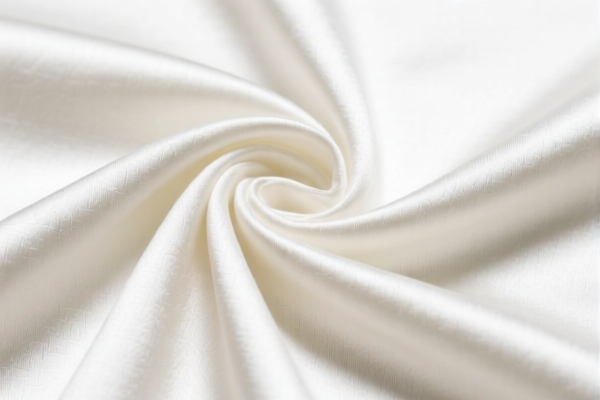
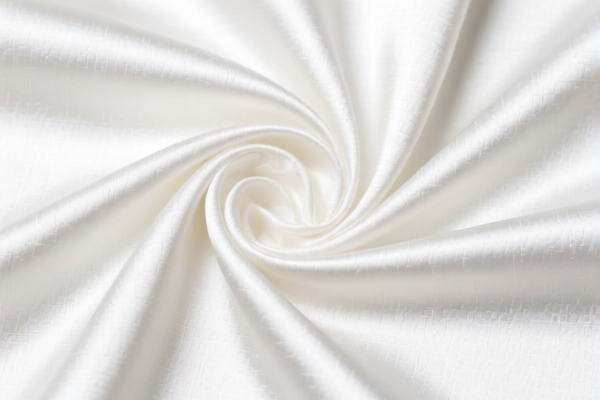
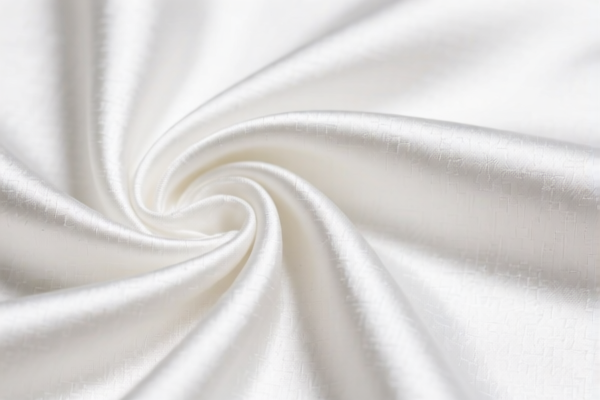
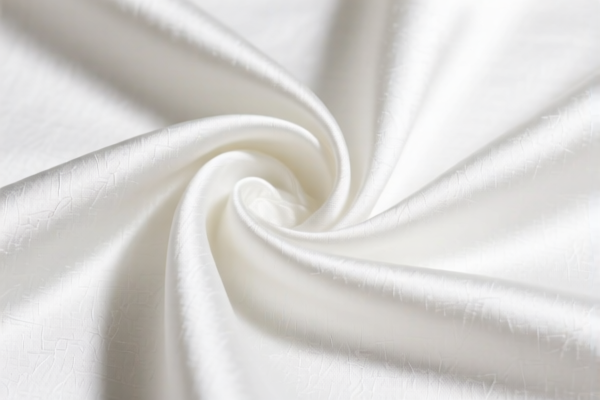
AI分析
🧵 Bleached Satin or Twill Fabric: HS Code Classification & Customs Clearance Guide (2026)
🌐 HS Code Reference & Customs Strategy | 2026 Latest Tariff Analysis | Precision Clearance Strategy
📌 Part 1: Product Definition & Classification – What Exactly is "Bleached Satin or Twill Fabric"?
Bleached satin or twill fabric is a versatile textile material widely used in apparel, home textiles, and industrial applications. In international trade, classification depends on fiber composition, weave structure, and weight.
Key Distinctions: * Satin Weave: Characterized by a glossy surface and dull back (e.g., sateen for cotton, satin for synthetics). * Twill Weave: Characterized by diagonal parallel ribs (e.g., denim, gabardine). * Bleached: The fabric has been chemically treated to remove natural color, appearing bright white or off-white. * Weight Matters: * < 200 g/m²: Generally classified under Heading 5211 (Cotton fabrics, weighing ≤ 200 g/m²). * ≥ 200 g/m²: Generally classified under Heading 5209 (Cotton fabrics, weighing > 200 g/m²).
⚠️ Critical Distinction Point:
- If the fabric is 100% Cotton (or >85% cotton by weight) and weighs ≤ 200 g/m² → Likely 5211.xx.xx.
- If the fabric is 100% Cotton (or >85% cotton by weight) and weighs > 200 g/m² → Likely 5209.xx.xx.
- If the fabric is a Blend (e.g., Polyester/Cotton) with ≥ 85% synthetic staple fibers → Likely 5407.81.xx (if woven).
📦 Part 2: HS Code Classification Details (Based on Provided Data)
| HS Code | Summary Description | Total Tax Rate | Tax Breakdown |
|---|---|---|---|
5211.20.29.40 |
Bleached satin/twill, matched by material, structure, and process | 43.4% | Base: 8.4% + Section 301: 25.0% + Section 122: 10% |
5209.29.00.40 |
Bleached satin/twill, fits other category descriptions | 42.7% | Base: 7.7% + Section 301: 25.0% + Section 122: 10% |
5209.29.00.20 |
Bleached satin/twill, fully conforms to structure & process characteristics | 42.7% | Base: 7.7% + Section 301: 25.0% + Section 122: 10% |
5211.20.29.20 |
Bleached satin/twill, material inferred by industry common sense | 43.4% | Base: 8.4% + Section 301: 25.0% + Section 122: 10% |
5407.81.00.40 |
Bleached satin/twill, corresponds to synthetic fiber & cotton blend | 49.9% | Base: 14.9% + Section 301: 25.0% + Section 122: 10% |
🔍 Key Insight:
- The Base Tariff varies between 7.7% and 14.9% depending on the specific HS subheading.
- The Section 301 Tariff is a flat 25.0% for all these codes (China-origin goods).
- The Section 122 Tariff is a flat 10.0% for all these codes.
- The Total Tax is the sum of these three components.
💰 Part 3: 2026 Latest Tariff Rate Explanation (Including Surcharges)
✅ Applicable Country: United States (US)
✅ Country of Origin: China (CN)
✅ Effective Date: As per current trade policies (Section 301 & 122 provisions)
🎯 1. 5211.20.29.40 & 5211.20.29.20 – Cotton Fabric (≤ 200 g/m²)
| Item | Content |
|---|---|
| Base Tariff | 8.4% (for .40) / 8.4% (for .20) |
| Section 301 Surcharge | +25.0% |
| Section 122 Surcharge | +10.0% |
| Total Tax Rate | 43.4% |
| Tax Calculation | CIF Value × 43.4% |
| De Minimis Exemption | ❌ Not Applicable (High tariffs block de minimis benefits) |
| Legal Basis Path | HTSUS:5211.20.29 → Section 301: USITC Footnote → Section 122: IEEPA |
📌 Explanation:
- These codes cover lighter cotton fabrics (≤ 200 g/m²) that are bleached and woven in satin or twill.
- The 8.4% base rate reflects the standard MFN (Most Favored Nation) duty.
- Total 43.4% makes this a high-cost import category.
🎯 2. 5209.29.00.40 & 5209.29.00.20 – Cotton Fabric (> 200 g/m²)
| Item | Content |
|---|---|
| Base Tariff | 7.7% |
| Section 301 Surcharge | +25.0% |
| Section 122 Surcharge | +10.0% |
| Total Tax Rate | 42.7% |
| Tax Calculation | CIF Value × 42.7% |
| De Minimis Exemption | ❌ Not Applicable |
| Legal Basis Path | HTSUS:5209.29.00 → Section 301: USITC Footnote → Section 122: IEEPA |
📌 Note:
- These codes cover heavier cotton fabrics (> 200 g/m²).
- The 7.7% base rate is slightly lower than for lighter fabrics, resulting in a slightly lower total tax (42.7%).
- Classification depends on precise weight measurement and weave confirmation.
🎯 3. 5407.81.00.40 – Synthetic-Cotton Blend Fabric
| Item | Content |
|---|---|
| Base Tariff | 14.9% |
| Section 301 Surcharge | +25.0% |
| Section 122 Surcharge | +10.0% |
| Total Tax Rate | 49.9% |
| Tax Calculation | CIF Value × 49.9% |
| De Minimis Exemption | ❌ Not Applicable |
| Legal Basis Path | HTSUS:5407.81.00 → Section 301: USITC Footnote → Section 122: IEEPA |
📌 Warning:
- This code applies to woven fabrics containing ≥ 85% synthetic staple fibers (e.g., polyester/cotton blends where polyester dominates).
- The 14.9% base rate is significantly higher, leading to the highest total tax (49.9%).
- Misclassification here can lead to severe underpayment penalties.
🛠️ Part 4: Customs Clearance Practical Advice (Real-World Pitfall Guide)
✅ 1. Required Documentation Checklist
| Document | Must Provide | Description |
|---|---|---|
| ✅ Fabric Specification Sheet | ✔️ | Includes fiber content %, weave type (satin/twill), weight (g/m²), width, bleaching process. |
| ✅ Third-Party Test Report | ✔️ | Lab test confirming fiber composition and weight. Critical for 5209 vs 5211 and 5407 distinction. |
| ✅ Product Photos | ✔️ | Clear images showing weave pattern (diagonal for twill, glossy for satin) and label. |
| ✅ Commercial Invoice | ✔️ | Clearly state "Bleached Satin/Twill Fabric," HS Code, and CIF value. |
| ✅ Packing List | ✔️ | Detail roll dimensions, weight, and quantity. |
| ✅ Certificate of Origin | ✔️ | Proof of China origin (triggers 35% surcharge). |
✅ 2. Declaration Tips (Key Mantras)
🔥 "Weight Defines Code, Fiber Defines Rate, Weave Confirms Structure!"
| Scenario | Correct Declaration | Incorrect Practice |
|---|---|---|
| Lightweight Cotton (<200g/m²) | 5211.20.29.xx |
Misdeclare as heavier → 42.7% |
| Heavyweight Cotton (>200g/m²) | 5209.29.00.xx |
Misdeclare as lighter → 43.4% |
| Poly-Cotton Blend (>85% Syn) | 5407.81.00.40 |
Misdeclare as 100% cotton → 42.7% (Underpayment!) |
| Unbleached Fabric | Different HS Code | Declare as bleached → Wrong base rate |
✅ 3. Special Case Handling
| Scenario | Handling Advice |
|---|---|
| OEM Custom Fabric | Provide customer specs + lab test. Avoid generic descriptions. |
| Mixed Batches (Different Weights) | Declare separately or use the highest applicable rate to avoid penalties. |
| Uncertain Fiber Content | Must provide third-party lab test. Guessing leads to 5407.81 risk. |
| Fabric Used for Apparel | Still classified as fabric (5211/5209/5407), not as finished apparel. |
🌍 Part 5: Global Market Customs Comparison (2026)
| Country/Region | Recommended HS Code | Tariff (China Origin) | Certification Required | Notes |
|---|---|---|---|---|
| 🇺🇸 USA | 5211.20.29.40 / 5209.29.00.20 |
42.7% - 43.4% (Cotton) / 49.9% (Blend) | None specific | High tariffs due to Section 301 & 122. |
| 🇨🇳 China | 5211.20.29 / 5209.29.00 |
~7-8% (Import Duty) | None | No Section 301/122. Lower cost. |
| 🇪🇺 EU | 5208.xx / 5209.xx |
~8-10% | REACH, Oeko-Tex | No Section 301. Lower total duty. |
| 🇦🇺 Australia | 5209.xx |
~5% | None | Competitive market. |
| 🇯🇵 Japan | 5209.xx |
~0-8% | FSC (if forestry-related, not textile) | Generally low tariffs. |
📌 Conclusion:
- The US is the most expensive market for Chinese-made bleached fabrics due to 35% in surcharges.
- EU and Asia offer significantly lower duties, making them more attractive for Chinese exporters.
- Accurate classification is critical to avoid overpayment (if misclassified to 49.9%) or underpayment penalties.
📌 Part 6: Common Errors & Pitfall Guide (Lessons Learned)
❌ Error 1: Misidentifying fabric weight
👉 Consequence: Declaring >200g/m² fabric as <200g/m² (5211 instead of 5209) → 43.4% vs 42.7%. While small, it’s a compliance issue. Declaring <200g/m² as >200g/m² leads to underpayment.
❌ Error 2: Ignoring fiber content in blends
👉 Consequence: Declaring a Polyester/Cotton blend as 100% Cotton → 42.7% instead of 49.9%. Severe underpayment risk!
❌ Error 3: Using vague descriptions like "White Fabric"
👉 Consequence: Customs cannot determine weave or weight → Delays, inspections, or reclassification.
❌ Error 4: Not providing lab tests for new suppliers
👉 Consequence: Customs doubts fiber content → Holds, additional testing fees, and delays.
✅ Correct Practice:
"Bleached Cotton Satin Woven Fabric, 100% Cotton, 150g/m², Width 150cm, HS: 5211.20.29.40, Origin: China"
🎯 Part 7: Conclusion – Precise Classification Saves Money!
🎯 Remember the Mantra:
🔹 "Weight separates 5211 and 5209, Fiber separates Cotton and Blend."
🔹 "42.7% to 49.9%, classification is key."
🔹 "Section 301 and 122 are always 35%, base rate varies."
📌 Pro Tip:
If your fabric is blended (e.g., 50% Cotton, 50% Polyester), it does not fall under 52xx (Cotton) or 5407 (Synthetic Staple). It may fall under 5513 or 5514. Always verify the dominant fiber.
🚀 Action Required:
📞 Consult a licensed customs broker + Provide lab test results + Confirm fabric weight + Apply for advance ruling if high volume.
✨ Professional Customs Clearance Starts with Accurate Classification!
💼 Every percentage point of tax matters – don’t let misclassification cost you profit!
用户评价
关于 HS 编码归类
协调制度(HS)是由世界海关组织(WCO)制定的国际贸易商品分类标准。全球 200 多个国家采用 HS 系统作为海关关税、贸易统计和进出口监管的基础。
每个 HS 编码遵循以下层级结构:
- 章(2 位)——商品大类(例如:第 84 章:机器和机械设备)
- 品目(4 位)——章内的更具体分类
- 子目(6 位)——国际通用细分,所有 WCO 成员国统一使用
- 本国细分(8-10 位)——各国自行扩展的细分编码,如美国 HTSUS 10 位编码
正确的 HS 编码归类对于顺利通关、准确缴纳关税和遵守贸易法规至关重要。错误归类可能导致海关延误、多缴关税或罚款。
从CN进口到US时,适用的关税税率可能包括:
- 最惠国(MFN)税率——适用于 WTO 成员国的标准关税税率
- 普通税率——适用于无贸易协定国家
- 贸易救济关税——附加关税,如 301 条款(反倾销)、232 条款(国家安全)或反补贴税
本页内容仅供参考。如需正式归类,请咨询当地海关或持牌报关代理。