Bleached Satin or Twill Fabric
CN → US| HS Code | Tariff Rate | Origin | Destination | Doc |
|---|---|---|---|---|
| 5211202940 | 43.4% | CN | US | Official Doc |
| 5209290040 | 42.7% | CN | US | Official Doc |
| 5209290020 | 42.7% | CN | US | Official Doc |
| 5211202920 | 43.4% | CN | US | Official Doc |
| 5407810040 | 49.9% | CN | US | Official Doc |
Product Images
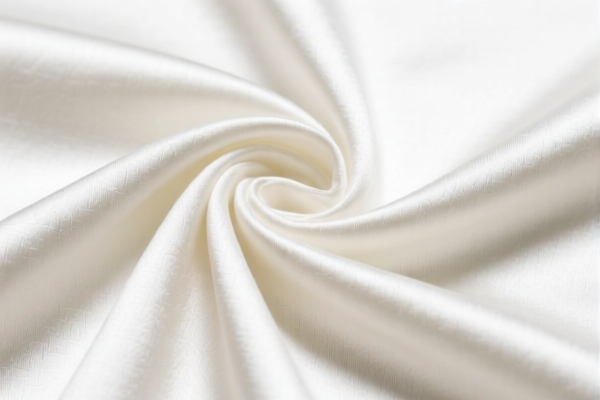
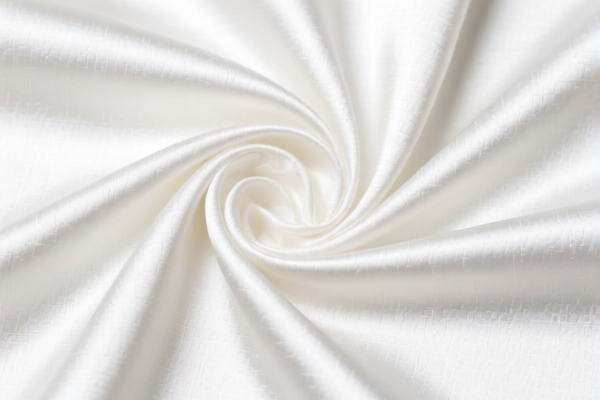
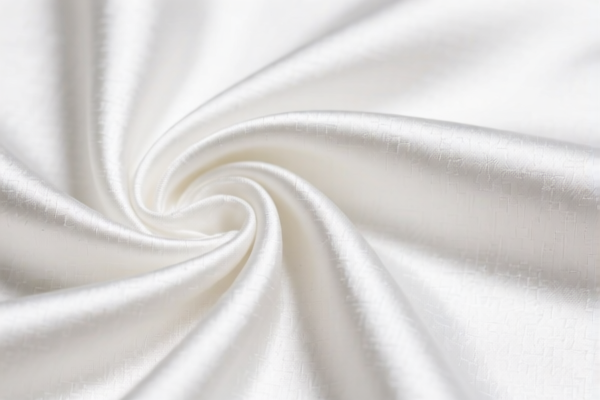
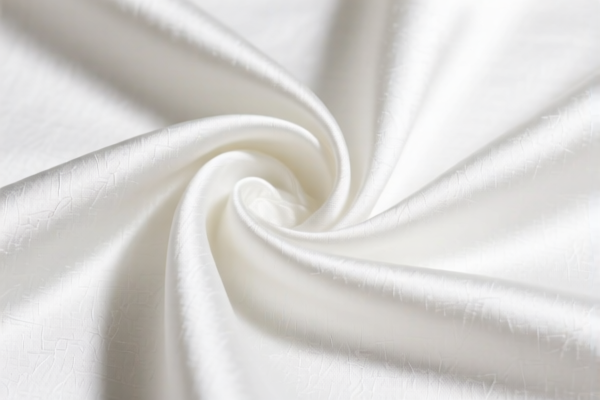
AI Analysis
🧵 Bleached Satin or Twill Fabric: HS Code Classification & Customs Clearance Guide (2026)
🌐 HS Code Reference & Customs Strategy | 2026 Latest Tariff Analysis | Precision Clearance Strategy
📌 Part 1: Product Definition & Classification – What Exactly is "Bleached Satin or Twill Fabric"?
Bleached satin or twill fabric is a versatile textile material widely used in apparel, home textiles, and industrial applications. In international trade, classification depends on fiber composition, weave structure, and weight.
Key Distinctions: * Satin Weave: Characterized by a glossy surface and dull back (e.g., sateen for cotton, satin for synthetics). * Twill Weave: Characterized by diagonal parallel ribs (e.g., denim, gabardine). * Bleached: The fabric has been chemically treated to remove natural color, appearing bright white or off-white. * Weight Matters: * < 200 g/m²: Generally classified under Heading 5211 (Cotton fabrics, weighing ≤ 200 g/m²). * ≥ 200 g/m²: Generally classified under Heading 5209 (Cotton fabrics, weighing > 200 g/m²).
⚠️ Critical Distinction Point:
- If the fabric is 100% Cotton (or >85% cotton by weight) and weighs ≤ 200 g/m² → Likely 5211.xx.xx.
- If the fabric is 100% Cotton (or >85% cotton by weight) and weighs > 200 g/m² → Likely 5209.xx.xx.
- If the fabric is a Blend (e.g., Polyester/Cotton) with ≥ 85% synthetic staple fibers → Likely 5407.81.xx (if woven).
📦 Part 2: HS Code Classification Details (Based on Provided Data)
| HS Code | Summary Description | Total Tax Rate | Tax Breakdown |
|---|---|---|---|
5211.20.29.40 |
Bleached satin/twill, matched by material, structure, and process | 43.4% | Base: 8.4% + Section 301: 25.0% + Section 122: 10% |
5209.29.00.40 |
Bleached satin/twill, fits other category descriptions | 42.7% | Base: 7.7% + Section 301: 25.0% + Section 122: 10% |
5209.29.00.20 |
Bleached satin/twill, fully conforms to structure & process characteristics | 42.7% | Base: 7.7% + Section 301: 25.0% + Section 122: 10% |
5211.20.29.20 |
Bleached satin/twill, material inferred by industry common sense | 43.4% | Base: 8.4% + Section 301: 25.0% + Section 122: 10% |
5407.81.00.40 |
Bleached satin/twill, corresponds to synthetic fiber & cotton blend | 49.9% | Base: 14.9% + Section 301: 25.0% + Section 122: 10% |
🔍 Key Insight:
- The Base Tariff varies between 7.7% and 14.9% depending on the specific HS subheading.
- The Section 301 Tariff is a flat 25.0% for all these codes (China-origin goods).
- The Section 122 Tariff is a flat 10.0% for all these codes.
- The Total Tax is the sum of these three components.
💰 Part 3: 2026 Latest Tariff Rate Explanation (Including Surcharges)
✅ Applicable Country: United States (US)
✅ Country of Origin: China (CN)
✅ Effective Date: As per current trade policies (Section 301 & 122 provisions)
🎯 1. 5211.20.29.40 & 5211.20.29.20 – Cotton Fabric (≤ 200 g/m²)
| Item | Content |
|---|---|
| Base Tariff | 8.4% (for .40) / 8.4% (for .20) |
| Section 301 Surcharge | +25.0% |
| Section 122 Surcharge | +10.0% |
| Total Tax Rate | 43.4% |
| Tax Calculation | CIF Value × 43.4% |
| De Minimis Exemption | ❌ Not Applicable (High tariffs block de minimis benefits) |
| Legal Basis Path | HTSUS:5211.20.29 → Section 301: USITC Footnote → Section 122: IEEPA |
📌 Explanation:
- These codes cover lighter cotton fabrics (≤ 200 g/m²) that are bleached and woven in satin or twill.
- The 8.4% base rate reflects the standard MFN (Most Favored Nation) duty.
- Total 43.4% makes this a high-cost import category.
🎯 2. 5209.29.00.40 & 5209.29.00.20 – Cotton Fabric (> 200 g/m²)
| Item | Content |
|---|---|
| Base Tariff | 7.7% |
| Section 301 Surcharge | +25.0% |
| Section 122 Surcharge | +10.0% |
| Total Tax Rate | 42.7% |
| Tax Calculation | CIF Value × 42.7% |
| De Minimis Exemption | ❌ Not Applicable |
| Legal Basis Path | HTSUS:5209.29.00 → Section 301: USITC Footnote → Section 122: IEEPA |
📌 Note:
- These codes cover heavier cotton fabrics (> 200 g/m²).
- The 7.7% base rate is slightly lower than for lighter fabrics, resulting in a slightly lower total tax (42.7%).
- Classification depends on precise weight measurement and weave confirmation.
🎯 3. 5407.81.00.40 – Synthetic-Cotton Blend Fabric
| Item | Content |
|---|---|
| Base Tariff | 14.9% |
| Section 301 Surcharge | +25.0% |
| Section 122 Surcharge | +10.0% |
| Total Tax Rate | 49.9% |
| Tax Calculation | CIF Value × 49.9% |
| De Minimis Exemption | ❌ Not Applicable |
| Legal Basis Path | HTSUS:5407.81.00 → Section 301: USITC Footnote → Section 122: IEEPA |
📌 Warning:
- This code applies to woven fabrics containing ≥ 85% synthetic staple fibers (e.g., polyester/cotton blends where polyester dominates).
- The 14.9% base rate is significantly higher, leading to the highest total tax (49.9%).
- Misclassification here can lead to severe underpayment penalties.
🛠️ Part 4: Customs Clearance Practical Advice (Real-World Pitfall Guide)
✅ 1. Required Documentation Checklist
| Document | Must Provide | Description |
|---|---|---|
| ✅ Fabric Specification Sheet | ✔️ | Includes fiber content %, weave type (satin/twill), weight (g/m²), width, bleaching process. |
| ✅ Third-Party Test Report | ✔️ | Lab test confirming fiber composition and weight. Critical for 5209 vs 5211 and 5407 distinction. |
| ✅ Product Photos | ✔️ | Clear images showing weave pattern (diagonal for twill, glossy for satin) and label. |
| ✅ Commercial Invoice | ✔️ | Clearly state "Bleached Satin/Twill Fabric," HS Code, and CIF value. |
| ✅ Packing List | ✔️ | Detail roll dimensions, weight, and quantity. |
| ✅ Certificate of Origin | ✔️ | Proof of China origin (triggers 35% surcharge). |
✅ 2. Declaration Tips (Key Mantras)
🔥 "Weight Defines Code, Fiber Defines Rate, Weave Confirms Structure!"
| Scenario | Correct Declaration | Incorrect Practice |
|---|---|---|
| Lightweight Cotton (<200g/m²) | 5211.20.29.xx |
Misdeclare as heavier → 42.7% |
| Heavyweight Cotton (>200g/m²) | 5209.29.00.xx |
Misdeclare as lighter → 43.4% |
| Poly-Cotton Blend (>85% Syn) | 5407.81.00.40 |
Misdeclare as 100% cotton → 42.7% (Underpayment!) |
| Unbleached Fabric | Different HS Code | Declare as bleached → Wrong base rate |
✅ 3. Special Case Handling
| Scenario | Handling Advice |
|---|---|
| OEM Custom Fabric | Provide customer specs + lab test. Avoid generic descriptions. |
| Mixed Batches (Different Weights) | Declare separately or use the highest applicable rate to avoid penalties. |
| Uncertain Fiber Content | Must provide third-party lab test. Guessing leads to 5407.81 risk. |
| Fabric Used for Apparel | Still classified as fabric (5211/5209/5407), not as finished apparel. |
🌍 Part 5: Global Market Customs Comparison (2026)
| Country/Region | Recommended HS Code | Tariff (China Origin) | Certification Required | Notes |
|---|---|---|---|---|
| 🇺🇸 USA | 5211.20.29.40 / 5209.29.00.20 |
42.7% - 43.4% (Cotton) / 49.9% (Blend) | None specific | High tariffs due to Section 301 & 122. |
| 🇨🇳 China | 5211.20.29 / 5209.29.00 |
~7-8% (Import Duty) | None | No Section 301/122. Lower cost. |
| 🇪🇺 EU | 5208.xx / 5209.xx |
~8-10% | REACH, Oeko-Tex | No Section 301. Lower total duty. |
| 🇦🇺 Australia | 5209.xx |
~5% | None | Competitive market. |
| 🇯🇵 Japan | 5209.xx |
~0-8% | FSC (if forestry-related, not textile) | Generally low tariffs. |
📌 Conclusion:
- The US is the most expensive market for Chinese-made bleached fabrics due to 35% in surcharges.
- EU and Asia offer significantly lower duties, making them more attractive for Chinese exporters.
- Accurate classification is critical to avoid overpayment (if misclassified to 49.9%) or underpayment penalties.
📌 Part 6: Common Errors & Pitfall Guide (Lessons Learned)
❌ Error 1: Misidentifying fabric weight
👉 Consequence: Declaring >200g/m² fabric as <200g/m² (5211 instead of 5209) → 43.4% vs 42.7%. While small, it’s a compliance issue. Declaring <200g/m² as >200g/m² leads to underpayment.
❌ Error 2: Ignoring fiber content in blends
👉 Consequence: Declaring a Polyester/Cotton blend as 100% Cotton → 42.7% instead of 49.9%. Severe underpayment risk!
❌ Error 3: Using vague descriptions like "White Fabric"
👉 Consequence: Customs cannot determine weave or weight → Delays, inspections, or reclassification.
❌ Error 4: Not providing lab tests for new suppliers
👉 Consequence: Customs doubts fiber content → Holds, additional testing fees, and delays.
✅ Correct Practice:
"Bleached Cotton Satin Woven Fabric, 100% Cotton, 150g/m², Width 150cm, HS: 5211.20.29.40, Origin: China"
🎯 Part 7: Conclusion – Precise Classification Saves Money!
🎯 Remember the Mantra:
🔹 "Weight separates 5211 and 5209, Fiber separates Cotton and Blend."
🔹 "42.7% to 49.9%, classification is key."
🔹 "Section 301 and 122 are always 35%, base rate varies."
📌 Pro Tip:
If your fabric is blended (e.g., 50% Cotton, 50% Polyester), it does not fall under 52xx (Cotton) or 5407 (Synthetic Staple). It may fall under 5513 or 5514. Always verify the dominant fiber.
🚀 Action Required:
📞 Consult a licensed customs broker + Provide lab test results + Confirm fabric weight + Apply for advance ruling if high volume.
✨ Professional Customs Clearance Starts with Accurate Classification!
💼 Every percentage point of tax matters – don’t let misclassification cost you profit!
Customer Reviews
About HS Code Classification
The Harmonized System (HS) is an internationally standardized nomenclature developed by the World Customs Organization (WCO) to classify traded products. Over 200 countries use the HS system as the basis for customs tariffs, trade statistics, and import/export regulations.
Each HS code follows a hierarchical structure:
- Chapter (2 digits) — Broad category of goods (e.g., Chapter 84: Machinery and Mechanical Appliances)
- Heading (4 digits) — More specific grouping within the chapter
- Subheading (6 digits) — Internationally standardized breakdown, used by all WCO member countries
- National subdivisions (8-10 digits) — Country-specific extensions for further classification, such as US HTSUS 10-digit codes
Correct HS code classification is essential for smooth customs clearance, accurate duty payment, and compliance with trade regulations. Misclassification can lead to customs delays, overpayment of duties, or penalties.
When importing from CN to US, the applicable tariff rates may include:
- Most-Favored-Nation (MFN) rate — The standard duty rate applied to WTO members
- General rate — Applied to countries without trade agreements
- Trade remedy duties — Additional tariffs such as Section 301 (anti-dumping), Section 232 (national security), or countervailing duties
The information provided on this page is for reference purposes only. For official classification, please consult with your local customs authority or a licensed customs broker.