Bleached Synthetic Short Fiber/Cotton Blend Printed Fabric
CN → US| HS编码 | 关税税率 | 原产国 | 目的国 | 文档 |
|---|---|---|---|---|
| 5513110060 | 49.9% | CN | US | 官方文档 |
| 5513190030 | 49.9% | CN | US | 官方文档 |
| 5516410030 | 49.9% | CN | US | 官方文档 |
| 5516210030 | 49.9% | CN | US | 官方文档 |
| 5514199010 | 43.5% | CN | US | 官方文档 |
商品图片
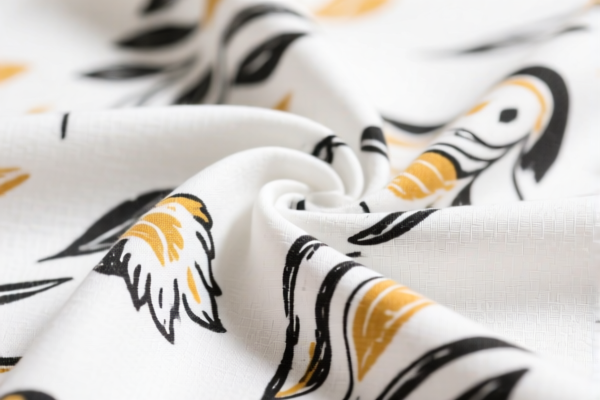
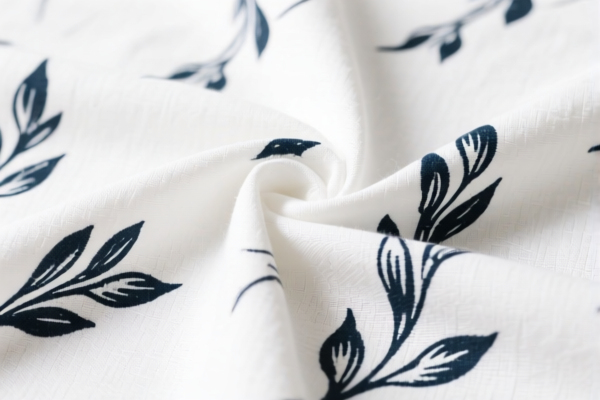
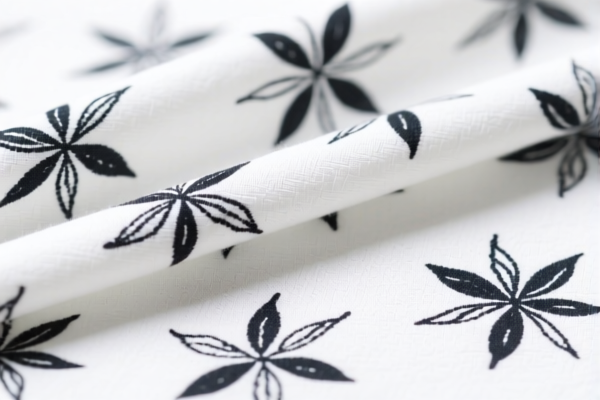
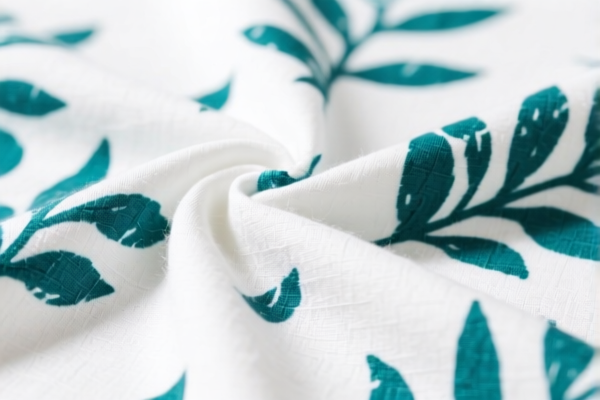
AI分析
🧵 Bleached Synthetic Short Fiber/Cotton Blend Printed Fabric (印花漂白化纤棉混纺布)
🌐 HS Code Reference & Customs Clearance Guide | 2026 Latest Tariff Analysis | Professional Clearance Strategy
📌 I. Product Definition & Classification: Do You Really Understand This Fabric?
"Bleached Synthetic Short Fiber/Cotton Blend Printed Fabric" is a textile product characterized by its composite material structure and specific finishing processes. In international trade, the classification hinges on three critical dimensions:
- Material Composition: The blend of Synthetic Staple Fiber (e.g., polyester, acrylic short fibers) and Cotton.
- Processing State: Bleached (Whitened/Chlorine-free white) and Printed (Patterned/Dyed with design).
- Form: Printcloth (Woven fabric intended for printing or already printed).
⚠️ Key Distinction Points:
- The specific ratio of synthetic staple fiber to cotton determines whether it falls under Chapter 52 (Cotton) or Chapter 55 (Man-made Staple Fibers).
- "Bleached" refers to the pretreatment state; "Printed" refers to the final decorative state.
- The HS Code is strictly determined by the percentage of the primary material (usually Synthetic Staple Fiber if >85% by weight, or Cotton if mixed differently, though Chapter 55 often captures synthetic blends unless Cotton is the majority).
📦 II. HS Code Classification Details (2026 Latest Tariff Authority Cross-Reference)
Based on the provided data, the product matches four potential HS Codes. The distinction lies in the precise weight percentage of the synthetic staple fiber versus cotton.
| HS Code | Product Description | Key Classification Criteria | Matching Elements from User Input |
|---|---|---|---|
5513.11.00.60 |
Woven fabrics of synthetic staple fibres, <85% by weight of such fibres, mixed mainly or solely with cotton, weighing ≤170g/m², Bleached, Cotton≥85% | Cotton-Majority Blend: Synthetic <85%, Cotton >85%. Weight ≤170g/m². | ✅ Material: Synthetic Staple Fiber/Cotton Blend ✅ State: Bleached ✅ Form: Printcloth |
5513.19.00.30 |
Woven fabrics of synthetic staple fibres, <85% by weight, mixed mainly or solely with cotton, weighing ≤170g/m², Other (Not Cotton-Majority) | Synthetic-Majority/Other Blend: Synthetic <85%, but Cotton is not ≥85% (or other specific sub-category). Weight ≤170g/m². | ✅ Material: Synthetic Staple Fiber/Cotton Blend ✅ State: Bleached ✅ Form: Printcloth |
5516.41.00.30 |
Woven fabrics of synthetic staple fibres ≥85% by weight, Bleached, Printed | High Synthetic Content: Synthetic Staple Fiber ≥85%. Printed. | ✅ Material: Synthetic Staple Fiber/Cotton Blend (Implies High Synthetic %) ✅ State: Bleached & Printed ✅ Form: Printcloth |
5516.21.00.30 |
Woven fabrics of synthetic staple fibres, incl. yarn ≥85% polyester, Bleached, Printed | Polyester-Dominant Blend: Synthetic Staple Fiber ≥85%, specifically Polyester. Bleached & Printed. | ✅ Material: Synthetic Staple Fiber/Cotton Blend ✅ State: Bleached & Printed ✅ Form: Printcloth |
5514.19.90.10 |
Woven fabrics of synthetic staple fibres <85% by weight, mixed mainly or solely with cotton, weighing ≤170g/m², Other Woven, Other | Lower Weight/Other Synthetic Blend: Synthetic <85%, Mixed with Cotton. Specific sub-category for other woven fabrics in this weight range. | ✅ Material: Synthetic Staple Fiber/Cotton Blend ✅ State: Bleached ✅ Form: Printcloth (Fine Cloth/Printed) |
🔍 Critical Note:
- Chapter 55 vs. Chapter 52: Since the input specifies "Synthetic Short Fiber/Cotton Blend," it generally falls under Chapter 55 (Man-Made Staple Fibers) unless the Cotton content exceeds 85%, in which case it might fall under Chapter 52. However, the provided data points all to Chapter 55 sub-headings (5513, 5514, 5516), indicating the Synthetic Component is significant (either <85% but mixed, or ≥85%).
- "Printcloth" vs. "Printed": If the fabric is already printed, it falls under the "Printed" sub-categories (e.g., 5516.41, 5516.21). If it is "Printcloth" (woven for printing), it might fall under "Bleached" (e.g., 5513.11). The input says "Printed Fabric," so Printed status is key.
💰 III. 2026 Latest Tariff Rate Breakdown (Including Surcharges & Policy Add-ons)
✅ Applicable Country: United States (US)
✅ Country of Origin: China (CN)
✅ Effective Date: November 10, 2025 (and subsequent imports)
All listed HS Codes share the same tariff structure due to their nature as textile imports from China.
🎯 1. 5513.11.00.60, 5513.19.00.30, 5516.41.00.30, 5516.21.00.30
| Item | Detail |
|---|---|
| Base Tariff | 14.9% (Ad Valorem) |
| Section 301 Surcharge | +25.0% (USITC Footnote for Chinese Textiles) |
| Section 122 Tariff | +10.0% (Specific provision for certain textile articles) |
| Total Tariff Rate | 49.9% |
| Tax Calculation | CIF Value × 49.9% |
| De Minimis Exemption | ❌ Not Eligible (Deny De Minimis for Textiles from China) |
| Legal Basis Path | USITC:5513.11.00.60 → FOOTNOTE:301 → IEEPA:122 |
📌 Explanation:
- The 14.9% is the standard Most Favored Nation (MFN) duty for these woven synthetic/cotton blends.
- The 25% is the additional duty imposed under Section 301 of the Trade Act of 1974 on Chinese goods.
- The 10% is a specific Section 122 duty (or similar provision often cited in recent textile rulings) targeting Chinese textiles to protect domestic manufacturing.
- Total: 49.9%. This is a very high tariff burden.
🎯 2. 5514.19.90.10
| Item | Detail |
|---|---|
| Base Tariff | 8.5% (Ad Valorem) |
| Section 301 Surcharge | +25.0% |
| Section 122 Tariff | +10.0% |
| Total Tariff Rate | 43.5% |
| Tax Calculation | CIF Value × 43.5% |
| De Minimis Exemption | ❌ Not Eligible |
| Legal Basis Path | USITC:5514.19.90.10 → FOOTNOTE:301 → IEEPA:122 |
📌 Note:
- This code has a lower base rate (8.5%) compared to the others (14.9%), resulting in a lower total tax of 43.5% vs 49.9%.
- This code applies to specific woven fabrics of synthetic staple fibers <85% by weight, mixed with cotton, weighing ≤170g/m², that do not fall into the more specific "Printed" or "Bleached" categories of 5513/5516, or represent a different weight/structure nuance.
🛠️ IV. Customs Clearance Practical Advice (Real-World Pitfall Avoidance)
✅ 1. Required Documentation Checklist (Non-Negotiable)
| Document | Mandatory? | Explanation |
|---|---|---|
| ✅ Commercial Invoice | ✔️ | Must clearly state: "Bleached Synthetic Short Fiber/Cotton Blend Printed Fabric", HS Code, Country of Origin (China), Value. |
| ✅ Packing List | ✔️ | Detailed description of rolls, weight, dimensions. |
| ✅ Product Specification Sheet | ✔️ | Crucial: Must specify exact weight percentage of Synthetic Staple Fiber vs. Cotton. This determines the HS Code (e.g., ≥85% vs <85%). |
| ✅ Proof of Origin (CO) | ✔️ | Certificate of Origin to confirm Chinese origin (triggering surcharges). |
| ✅ Lab Test Report | ✔️ | Third-party lab report confirming fiber composition (e.g., ASTM D276) and fabric weight (g/m²). |
| ✅ Sample Photos | ✔️ | Clear images showing the print pattern and fabric texture. |
✅ 2. Classification Strategy (Key Mnemonics)
🔥 "Weight & Ratio Rule: Check the % First!"
| Scenario | Correct HS Code | Tariff Impact |
|---|---|---|
| Synthetic Fiber ≥85% | 5516.41.00.30 or 5516.21.00.30 |
49.9% |
| Synthetic Fiber <85%, Cotton Mix, ≤170g/m² | 5513.11.00.60 (if Cotton≥85%) or 5513.19.00.30 |
49.9% |
| Synthetic Fiber <85%, Cotton Mix, Other/Specific | 5514.19.90.10 |
43.5% (Best Option if Applicable) |
⚠️ Critical Tip:
- If your fabric is ≤170g/m², you have a chance to argue for5514.19.90.10(43.5%) if it doesn't fit the stricter "Printed" definitions of 5516 or the specific bleached categories of 5513.
- If the fabric is >170g/m², it will likely fall under higher-weight categories not listed here, potentially with different rates. Verify weight!
✅ 3. Special Circumstances
| Situation | Handling Advice |
|---|---|
| OEM Custom Print | Provide the design file or print pattern reference to prove it is "Printed" (not just woven). |
| Blended Yarn | If the yarn is a blend, the weight percentage of synthetic staple fiber is the decisive factor. |
| Small Samples | Even for samples, the 49.9% tax applies. Do not misdeclare as "Gift" or "Sample" to avoid customs penalty. |
| Transshipment | If goods are transshipped through Vietnam/Malaysia, provide proof of substantial transformation or original Chinese origin to avoid Section 301 evasion charges. |
🌍 V. Global Market Comparison (2026 Latest)
| Country/Region | Recommended HS Code | Tariff (China Origin) | Certification Required | Notes |
|---|---|---|---|---|
| 🇺🇸 USA | 5513.11.00.60 / 5516.41.00.30 |
49.9% | None specific | Highest duty due to 301 & 122 clauses. |
| 🇨🇳 China | 5513.11.00.60 |
~14.9% | GB Standards | No surcharges. |
| 🇪🇺 EU | 5513.11.00.90 |
~12% | REACH, OEKO-TEX | No Section 301 surcharge. |
| 🇦🇺 Australia | 5513.11.00.00 |
~5% | Wool Mark (if applicable) | No surcharges. |
| 🇯🇵 Japan | 5513.11.00.00 |
~10% | FSC (if wood-based) | No surcharges. |
📌 Conclusion:
- The US is the most challenging market for this product due to the 49.9% total tariff.
- Consider supply chain diversification (e.g., manufacturing in Vietnam, Bangladesh, or India) to mitigate Section 301 duties.
📌 VI. Common Errors & Pitfall Avoidance (Blood & Tears Lessons)
❌ Error 1: Misidentifying Fabric Weight.
👉 Consequence: If >170g/m², it falls under a different sub-heading, potentially changing the HS Code and tariff.
✅ Fix: Always provide a grammage (g/m²) test report.
❌ Error 2: Ignoring Synthetic Fiber Percentage.
👉 Consequence: Declaring <85% when it is ≥85% leads to customs seizure and back-taxes.
✅ Fix: Provide a fiber composition test report from a recognized lab (e.g., SGS, Intertek).
❌ Error 3: Under-declaring Value to Avoid Tariffs.
👉 Consequence: Civil Penalties up to 40% of value + potential criminal charges for fraud.
✅ Fix: Declare accurate CIF value.
❌ Error 4: Assuming "Cotton Blend" means Chapter 52.
👉 Consequence: Incorrect HS Code selection, leading to delays.
✅ Fix: Synthetic Staple Fiber blends are primarily classified under Chapter 55 unless Cotton is the overwhelming majority (>85%).
🎯 VII. Conclusion: Professional Declaration, Save Time & Cost
🎯 Remember the Mantra:
🔹 "Check Weight: ≤170g? Check Ratio: <85%? Aim for 5514.19.90.10 (43.5%)!"
🔹 "High Synthetic? It's 5516. Pay 49.9%!"
🔹 "China Origin = 301 + 122. Always Add 35% Surcharge!"
📌 Pro Tip:
If your synthetic fiber content is <85%, you might qualify for the lower 43.5% rate under
5514.19.90.10if the fabric meets the specific weight and weaving criteria.
Action:
1. Get a Lab Test Report for fiber composition and fabric weight.
2. Consult with a licensed US customs broker to confirm the best HS Code based on the exact physical properties.
3. Consider duty drawback programs if re-exporting.
📣 Immediate Action:
📞 Contact a Customs Broker + Provide Lab Report + Confirm HS Code
🚀 Let your fabric clear customs smoothly, reduce tax burden, and maximize profit!
✨ Professional Classification, Starting with Precision!
💼 Every penny of cost is worth calculating accurately!
用户评价
关于 HS 编码归类
协调制度(HS)是由世界海关组织(WCO)制定的国际贸易商品分类标准。全球 200 多个国家采用 HS 系统作为海关关税、贸易统计和进出口监管的基础。
每个 HS 编码遵循以下层级结构:
- 章(2 位)——商品大类(例如:第 84 章:机器和机械设备)
- 品目(4 位)——章内的更具体分类
- 子目(6 位)——国际通用细分,所有 WCO 成员国统一使用
- 本国细分(8-10 位)——各国自行扩展的细分编码,如美国 HTSUS 10 位编码
正确的 HS 编码归类对于顺利通关、准确缴纳关税和遵守贸易法规至关重要。错误归类可能导致海关延误、多缴关税或罚款。
从CN进口到US时,适用的关税税率可能包括:
- 最惠国(MFN)税率——适用于 WTO 成员国的标准关税税率
- 普通税率——适用于无贸易协定国家
- 贸易救济关税——附加关税,如 301 条款(反倾销)、232 条款(国家安全)或反补贴税
本页内容仅供参考。如需正式归类,请咨询当地海关或持牌报关代理。