Bleached Synthetic Short Fiber/Cotton Blend Printed Fabric
CN → US| HS Code | Tariff Rate | Origin | Destination | Doc |
|---|---|---|---|---|
| 5513110060 | 49.9% | CN | US | Official Doc |
| 5513190030 | 49.9% | CN | US | Official Doc |
| 5516410030 | 49.9% | CN | US | Official Doc |
| 5516210030 | 49.9% | CN | US | Official Doc |
| 5514199010 | 43.5% | CN | US | Official Doc |
Product Images
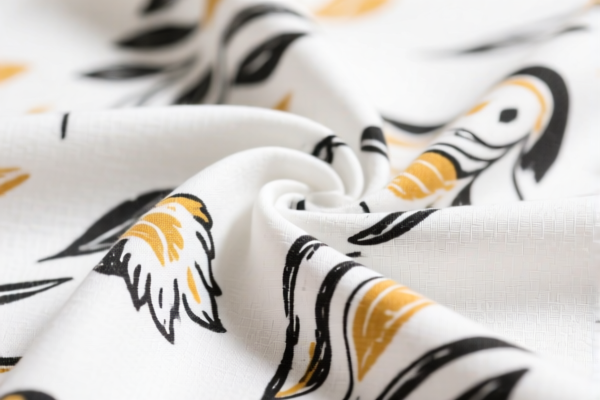
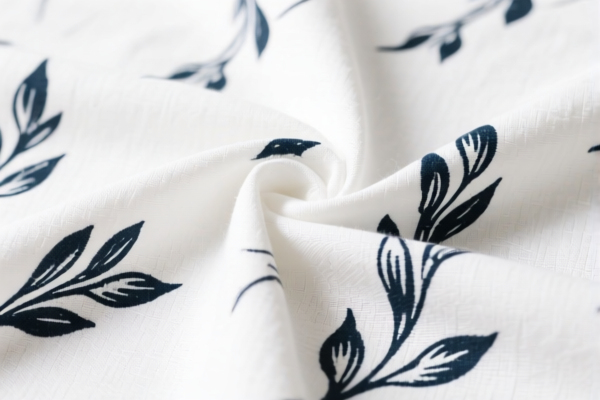
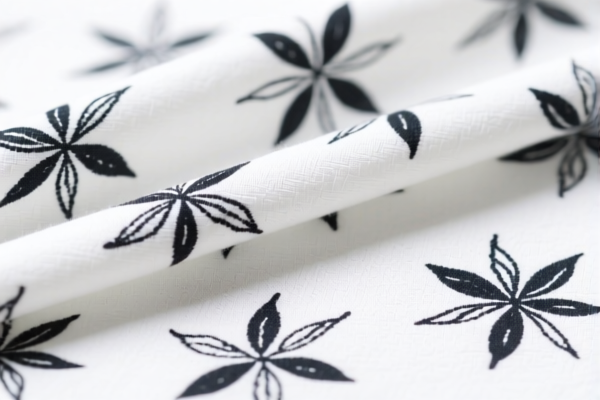
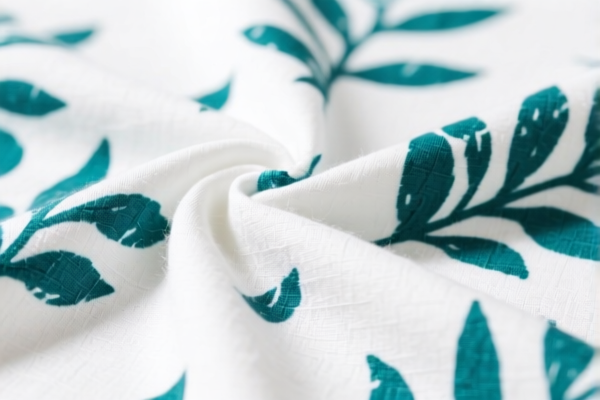
AI Analysis
🧵 Bleached Synthetic Short Fiber/Cotton Blend Printed Fabric (印花漂白化纤棉混纺布)
🌐 HS Code Reference & Customs Clearance Guide | 2026 Latest Tariff Analysis | Professional Clearance Strategy
📌 I. Product Definition & Classification: Do You Really Understand This Fabric?
"Bleached Synthetic Short Fiber/Cotton Blend Printed Fabric" is a textile product characterized by its composite material structure and specific finishing processes. In international trade, the classification hinges on three critical dimensions:
- Material Composition: The blend of Synthetic Staple Fiber (e.g., polyester, acrylic short fibers) and Cotton.
- Processing State: Bleached (Whitened/Chlorine-free white) and Printed (Patterned/Dyed with design).
- Form: Printcloth (Woven fabric intended for printing or already printed).
⚠️ Key Distinction Points:
- The specific ratio of synthetic staple fiber to cotton determines whether it falls under Chapter 52 (Cotton) or Chapter 55 (Man-made Staple Fibers).
- "Bleached" refers to the pretreatment state; "Printed" refers to the final decorative state.
- The HS Code is strictly determined by the percentage of the primary material (usually Synthetic Staple Fiber if >85% by weight, or Cotton if mixed differently, though Chapter 55 often captures synthetic blends unless Cotton is the majority).
📦 II. HS Code Classification Details (2026 Latest Tariff Authority Cross-Reference)
Based on the provided data, the product matches four potential HS Codes. The distinction lies in the precise weight percentage of the synthetic staple fiber versus cotton.
| HS Code | Product Description | Key Classification Criteria | Matching Elements from User Input |
|---|---|---|---|
5513.11.00.60 |
Woven fabrics of synthetic staple fibres, <85% by weight of such fibres, mixed mainly or solely with cotton, weighing ≤170g/m², Bleached, Cotton≥85% | Cotton-Majority Blend: Synthetic <85%, Cotton >85%. Weight ≤170g/m². | ✅ Material: Synthetic Staple Fiber/Cotton Blend ✅ State: Bleached ✅ Form: Printcloth |
5513.19.00.30 |
Woven fabrics of synthetic staple fibres, <85% by weight, mixed mainly or solely with cotton, weighing ≤170g/m², Other (Not Cotton-Majority) | Synthetic-Majority/Other Blend: Synthetic <85%, but Cotton is not ≥85% (or other specific sub-category). Weight ≤170g/m². | ✅ Material: Synthetic Staple Fiber/Cotton Blend ✅ State: Bleached ✅ Form: Printcloth |
5516.41.00.30 |
Woven fabrics of synthetic staple fibres ≥85% by weight, Bleached, Printed | High Synthetic Content: Synthetic Staple Fiber ≥85%. Printed. | ✅ Material: Synthetic Staple Fiber/Cotton Blend (Implies High Synthetic %) ✅ State: Bleached & Printed ✅ Form: Printcloth |
5516.21.00.30 |
Woven fabrics of synthetic staple fibres, incl. yarn ≥85% polyester, Bleached, Printed | Polyester-Dominant Blend: Synthetic Staple Fiber ≥85%, specifically Polyester. Bleached & Printed. | ✅ Material: Synthetic Staple Fiber/Cotton Blend ✅ State: Bleached & Printed ✅ Form: Printcloth |
5514.19.90.10 |
Woven fabrics of synthetic staple fibres <85% by weight, mixed mainly or solely with cotton, weighing ≤170g/m², Other Woven, Other | Lower Weight/Other Synthetic Blend: Synthetic <85%, Mixed with Cotton. Specific sub-category for other woven fabrics in this weight range. | ✅ Material: Synthetic Staple Fiber/Cotton Blend ✅ State: Bleached ✅ Form: Printcloth (Fine Cloth/Printed) |
🔍 Critical Note:
- Chapter 55 vs. Chapter 52: Since the input specifies "Synthetic Short Fiber/Cotton Blend," it generally falls under Chapter 55 (Man-Made Staple Fibers) unless the Cotton content exceeds 85%, in which case it might fall under Chapter 52. However, the provided data points all to Chapter 55 sub-headings (5513, 5514, 5516), indicating the Synthetic Component is significant (either <85% but mixed, or ≥85%).
- "Printcloth" vs. "Printed": If the fabric is already printed, it falls under the "Printed" sub-categories (e.g., 5516.41, 5516.21). If it is "Printcloth" (woven for printing), it might fall under "Bleached" (e.g., 5513.11). The input says "Printed Fabric," so Printed status is key.
💰 III. 2026 Latest Tariff Rate Breakdown (Including Surcharges & Policy Add-ons)
✅ Applicable Country: United States (US)
✅ Country of Origin: China (CN)
✅ Effective Date: November 10, 2025 (and subsequent imports)
All listed HS Codes share the same tariff structure due to their nature as textile imports from China.
🎯 1. 5513.11.00.60, 5513.19.00.30, 5516.41.00.30, 5516.21.00.30
| Item | Detail |
|---|---|
| Base Tariff | 14.9% (Ad Valorem) |
| Section 301 Surcharge | +25.0% (USITC Footnote for Chinese Textiles) |
| Section 122 Tariff | +10.0% (Specific provision for certain textile articles) |
| Total Tariff Rate | 49.9% |
| Tax Calculation | CIF Value × 49.9% |
| De Minimis Exemption | ❌ Not Eligible (Deny De Minimis for Textiles from China) |
| Legal Basis Path | USITC:5513.11.00.60 → FOOTNOTE:301 → IEEPA:122 |
📌 Explanation:
- The 14.9% is the standard Most Favored Nation (MFN) duty for these woven synthetic/cotton blends.
- The 25% is the additional duty imposed under Section 301 of the Trade Act of 1974 on Chinese goods.
- The 10% is a specific Section 122 duty (or similar provision often cited in recent textile rulings) targeting Chinese textiles to protect domestic manufacturing.
- Total: 49.9%. This is a very high tariff burden.
🎯 2. 5514.19.90.10
| Item | Detail |
|---|---|
| Base Tariff | 8.5% (Ad Valorem) |
| Section 301 Surcharge | +25.0% |
| Section 122 Tariff | +10.0% |
| Total Tariff Rate | 43.5% |
| Tax Calculation | CIF Value × 43.5% |
| De Minimis Exemption | ❌ Not Eligible |
| Legal Basis Path | USITC:5514.19.90.10 → FOOTNOTE:301 → IEEPA:122 |
📌 Note:
- This code has a lower base rate (8.5%) compared to the others (14.9%), resulting in a lower total tax of 43.5% vs 49.9%.
- This code applies to specific woven fabrics of synthetic staple fibers <85% by weight, mixed with cotton, weighing ≤170g/m², that do not fall into the more specific "Printed" or "Bleached" categories of 5513/5516, or represent a different weight/structure nuance.
🛠️ IV. Customs Clearance Practical Advice (Real-World Pitfall Avoidance)
✅ 1. Required Documentation Checklist (Non-Negotiable)
| Document | Mandatory? | Explanation |
|---|---|---|
| ✅ Commercial Invoice | ✔️ | Must clearly state: "Bleached Synthetic Short Fiber/Cotton Blend Printed Fabric", HS Code, Country of Origin (China), Value. |
| ✅ Packing List | ✔️ | Detailed description of rolls, weight, dimensions. |
| ✅ Product Specification Sheet | ✔️ | Crucial: Must specify exact weight percentage of Synthetic Staple Fiber vs. Cotton. This determines the HS Code (e.g., ≥85% vs <85%). |
| ✅ Proof of Origin (CO) | ✔️ | Certificate of Origin to confirm Chinese origin (triggering surcharges). |
| ✅ Lab Test Report | ✔️ | Third-party lab report confirming fiber composition (e.g., ASTM D276) and fabric weight (g/m²). |
| ✅ Sample Photos | ✔️ | Clear images showing the print pattern and fabric texture. |
✅ 2. Classification Strategy (Key Mnemonics)
🔥 "Weight & Ratio Rule: Check the % First!"
| Scenario | Correct HS Code | Tariff Impact |
|---|---|---|
| Synthetic Fiber ≥85% | 5516.41.00.30 or 5516.21.00.30 |
49.9% |
| Synthetic Fiber <85%, Cotton Mix, ≤170g/m² | 5513.11.00.60 (if Cotton≥85%) or 5513.19.00.30 |
49.9% |
| Synthetic Fiber <85%, Cotton Mix, Other/Specific | 5514.19.90.10 |
43.5% (Best Option if Applicable) |
⚠️ Critical Tip:
- If your fabric is ≤170g/m², you have a chance to argue for5514.19.90.10(43.5%) if it doesn't fit the stricter "Printed" definitions of 5516 or the specific bleached categories of 5513.
- If the fabric is >170g/m², it will likely fall under higher-weight categories not listed here, potentially with different rates. Verify weight!
✅ 3. Special Circumstances
| Situation | Handling Advice |
|---|---|
| OEM Custom Print | Provide the design file or print pattern reference to prove it is "Printed" (not just woven). |
| Blended Yarn | If the yarn is a blend, the weight percentage of synthetic staple fiber is the decisive factor. |
| Small Samples | Even for samples, the 49.9% tax applies. Do not misdeclare as "Gift" or "Sample" to avoid customs penalty. |
| Transshipment | If goods are transshipped through Vietnam/Malaysia, provide proof of substantial transformation or original Chinese origin to avoid Section 301 evasion charges. |
🌍 V. Global Market Comparison (2026 Latest)
| Country/Region | Recommended HS Code | Tariff (China Origin) | Certification Required | Notes |
|---|---|---|---|---|
| 🇺🇸 USA | 5513.11.00.60 / 5516.41.00.30 |
49.9% | None specific | Highest duty due to 301 & 122 clauses. |
| 🇨🇳 China | 5513.11.00.60 |
~14.9% | GB Standards | No surcharges. |
| 🇪🇺 EU | 5513.11.00.90 |
~12% | REACH, OEKO-TEX | No Section 301 surcharge. |
| 🇦🇺 Australia | 5513.11.00.00 |
~5% | Wool Mark (if applicable) | No surcharges. |
| 🇯🇵 Japan | 5513.11.00.00 |
~10% | FSC (if wood-based) | No surcharges. |
📌 Conclusion:
- The US is the most challenging market for this product due to the 49.9% total tariff.
- Consider supply chain diversification (e.g., manufacturing in Vietnam, Bangladesh, or India) to mitigate Section 301 duties.
📌 VI. Common Errors & Pitfall Avoidance (Blood & Tears Lessons)
❌ Error 1: Misidentifying Fabric Weight.
👉 Consequence: If >170g/m², it falls under a different sub-heading, potentially changing the HS Code and tariff.
✅ Fix: Always provide a grammage (g/m²) test report.
❌ Error 2: Ignoring Synthetic Fiber Percentage.
👉 Consequence: Declaring <85% when it is ≥85% leads to customs seizure and back-taxes.
✅ Fix: Provide a fiber composition test report from a recognized lab (e.g., SGS, Intertek).
❌ Error 3: Under-declaring Value to Avoid Tariffs.
👉 Consequence: Civil Penalties up to 40% of value + potential criminal charges for fraud.
✅ Fix: Declare accurate CIF value.
❌ Error 4: Assuming "Cotton Blend" means Chapter 52.
👉 Consequence: Incorrect HS Code selection, leading to delays.
✅ Fix: Synthetic Staple Fiber blends are primarily classified under Chapter 55 unless Cotton is the overwhelming majority (>85%).
🎯 VII. Conclusion: Professional Declaration, Save Time & Cost
🎯 Remember the Mantra:
🔹 "Check Weight: ≤170g? Check Ratio: <85%? Aim for 5514.19.90.10 (43.5%)!"
🔹 "High Synthetic? It's 5516. Pay 49.9%!"
🔹 "China Origin = 301 + 122. Always Add 35% Surcharge!"
📌 Pro Tip:
If your synthetic fiber content is <85%, you might qualify for the lower 43.5% rate under
5514.19.90.10if the fabric meets the specific weight and weaving criteria.
Action:
1. Get a Lab Test Report for fiber composition and fabric weight.
2. Consult with a licensed US customs broker to confirm the best HS Code based on the exact physical properties.
3. Consider duty drawback programs if re-exporting.
📣 Immediate Action:
📞 Contact a Customs Broker + Provide Lab Report + Confirm HS Code
🚀 Let your fabric clear customs smoothly, reduce tax burden, and maximize profit!
✨ Professional Classification, Starting with Precision!
💼 Every penny of cost is worth calculating accurately!
Customer Reviews
About HS Code Classification
The Harmonized System (HS) is an internationally standardized nomenclature developed by the World Customs Organization (WCO) to classify traded products. Over 200 countries use the HS system as the basis for customs tariffs, trade statistics, and import/export regulations.
Each HS code follows a hierarchical structure:
- Chapter (2 digits) — Broad category of goods (e.g., Chapter 84: Machinery and Mechanical Appliances)
- Heading (4 digits) — More specific grouping within the chapter
- Subheading (6 digits) — Internationally standardized breakdown, used by all WCO member countries
- National subdivisions (8-10 digits) — Country-specific extensions for further classification, such as US HTSUS 10-digit codes
Correct HS code classification is essential for smooth customs clearance, accurate duty payment, and compliance with trade regulations. Misclassification can lead to customs delays, overpayment of duties, or penalties.
When importing from CN to US, the applicable tariff rates may include:
- Most-Favored-Nation (MFN) rate — The standard duty rate applied to WTO members
- General rate — Applied to countries without trade agreements
- Trade remedy duties — Additional tariffs such as Section 301 (anti-dumping), Section 232 (national security), or countervailing duties
The information provided on this page is for reference purposes only. For official classification, please consult with your local customs authority or a licensed customs broker.