Bleached Woven Artificial Short Fiber Linen Fabric
CN → US| HS编码 | 关税税率 | 原产国 | 目的国 | 文档 |
|---|---|---|---|---|
| 5311003090 | 35.0% | CN | US | 官方文档 |
| 5309213070 | 41.9% | CN | US | 官方文档 |
| 5311003070 | 35.0% | CN | US | 官方文档 |
| 5309214090 | 35.0% | CN | US | 官方文档 |
商品图片
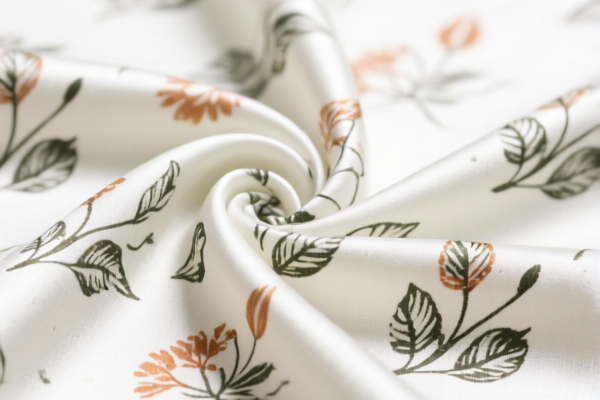
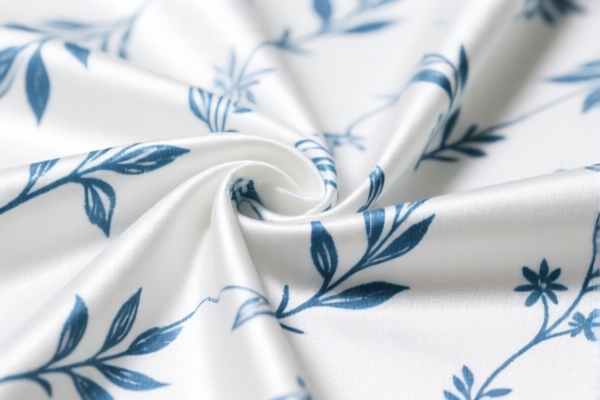
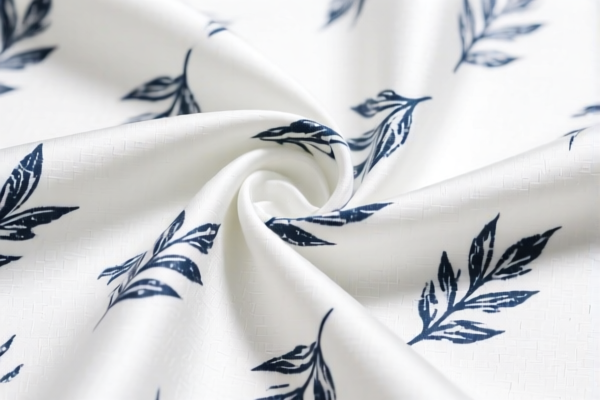
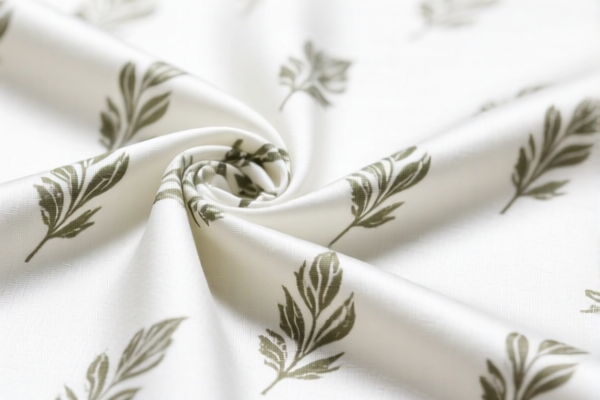
AI分析
🧵 Bleached Woven Artificial Short Fiber Linen Fabric (Textile Classification Guide)
🌐 HS Code Reference & Customs Clearance Guide | 2026 Latest Tariff Analysis | Professional Compliance Strategy
📌 I. Product Definition & Classification: What Exactly is "Bleached Woven Artificial Short Fiber Linen Fabric"?
In international textile trade, Bleached Woven Artificial Short Fiber Linen Fabric is not a single, monolithic category. It is a complex composite material defined by three critical attributes: 1. Material Composition: A blend of Artificial Short Staple Fibers (man-made) and Linen (flax/natural). 2. Construction Method: Woven (interlaced yarns), not non-woven or knitted. 3. Processing State: Bleached (chemically treated to remove natural coloration, resulting in a white/off-white appearance).
⚠️ Key Classification Logic:
- If the fabric is primarily artificial short fiber (>50% or chief weight), it may fall under Chapter 53 heading 5311. - If the fabric is primarily linen (flax) with artificial short fiber as an additive, it may fall under Chapter 53 heading 5309. - Crucial Distinction: The exact HS Code depends on whether the "Linen" component defines the fabric's character (Heading 5309) or if the "Artificial Short Fiber" defines it (Heading 5311).
📦 II. HS Code Classification Details (2026 Latest Tariff Mapping)
Based on the provided data, here are the specific HS Codes and their corresponding definitions for this product:
| HS Code | Product Description (Summary) | Composition & Processing |
|---|---|---|
| 5311.00.30.90 | Bleached woven fabric of artificial short fibers, containing linen; meets textile classification standards. | Chief Weight: Artificial Short Fiber + Linen. State: Woven, Bleached. Note: Classified under artificial short fibers. |
| 5309.21.30.70 | Bleached woven fabric of linen, containing artificial short fibers; woven and bleached. | Chief Weight: Linen (Flax) + Artificial Short Fiber. State: Woven, Bleached. Note: Classified under Linen. |
| 5311.00.30.70 | Bleached woven fabric of artificial short fibers and linen; woven fabric. | Chief Weight: Artificial Short Fiber. State: Woven, Bleached. Note: Specific sub-category for artificial short fiber blends. |
| 5309.21.40.90 | Bleached woven fabric of linen, containing artificial short fibers; woven, bleached, non-specific width. | Chief Weight: Linen. State: Woven, Bleached. Note: Classified under Linen, specific width parameters not primary differentiator. |
🔍 Critical Insight:
- HS 5311... implies the Artificial Short Fiber is the dominant material or the defining characteristic. - HS 5309... implies the Linen (Flax) is the dominant material or the defining characteristic. - Do not mix these up! Misclassification can lead to significant tariff differences due to USITC Section 301 tariffs.
💰 III. 2026 Latest Tariff Rate Breakdown (Including Additional Taxes & Policy Surcharges)
✅ Applicable Country: United States (US)
✅ Country of Origin: China (CN)
✅ Effective Date: From November 10, 2025 (and subsequent imports)
🎯 1. HS Codes 5311.00.30.90 & 5311.00.30.70 – Artificial Short Fiber Based Fabrics
| Item | Content |
|---|---|
| Base Tariff Rate | 0.0% (ad valorem) |
| USITC Section 301 Surcharge | +25.0% (Applicable to Chinese-origin goods under Section 301) |
| IEEPA Surcharge (Section 122) | +10.0% (Applicable to Chinese-origin goods under IEEPA) |
| Total Tax Rate | 35.0% |
| Tax Calculation | CIF Value × 35% |
| De Minimis Eligibility | ❌ No (Not eligible for de minimis exemption; denial_de_minimis applies) |
| Legal Basis Path | IEEPA:9903.01.25 → USITC:5311.00.30.90 → FOOTNOTE:301 |
📌 Explanation:
- Base 0%: These textile categories often have low base MFN rates. - +25% (Section 301): The major penalty for Chinese textiles. - +10% (IEEPA/122): Additional geopolitical surcharge. - Total 35%: This is a high-cost category. Proper declaration of "Artificial Short Fiber" dominance is critical to avoid being misclassified under higher-base-rate linen codes if not intended, but note that both groups above face similar surcharges.
🎯 2. HS Codes 5309.21.30.70 & 5309.21.40.90 – Linen Based Fabrics
| Item | Content |
|---|---|
| Base Tariff Rate | 6.9% (ad valorem) |
| USITC Section 301 Surcharge | +25.0% (Applicable to Chinese-origin goods under Section 301) |
| IEEPA Surcharge (Section 122) | +10.0% (Applicable to Chinese-origin goods under IEEPA) |
| Total Tax Rate | 41.9% |
| Tax Calculation | CIF Value × 41.9% |
| De Minimis Eligibility | ❌ No (Not eligible for de minimis exemption; denial_de_minimis applies) |
| Legal Basis Path | IEEPA:9903.01.24 → USITC:5309.21.30.70 → FOOTNOTE:301 |
📌 Note:
- Base 6.9%: Linen fabrics generally have a higher base duty than artificial short fiber blends. - +25% + +10%: Same surcharges apply. - Total 41.9%: This is the highest tax bracket among the provided options. - Risk: If your fabric is actually dominated by artificial fibers but declared as Linen (HS 5309), you pay more duty. Conversely, if it's Linen-dominated but declared as Artificial (HS 5311), you risk misdeclaration penalties despite a lower tariff rate. Accuracy is paramount.
🛠️ IV. Customs Clearance Practical Advice (Battle-Tested Pitfall Avoidance)
✅ 1. Required Documentation Checklist (All Mandatory)
| Document | Required? | Description |
|---|---|---|
| ✅ Technical Specification Sheet | ✔️ | Must detail % composition of Linen vs. Artificial Short Fiber. Critical for Chapter 53 heading determination. |
| ✅ Weave Structure Diagram | ✔️ | Proof of "Woven" construction (not knitted/non-woven). |
| ✅ Bleaching Process Certificate | ✔️ | Confirms the "Bleached" state, distinguishing it from "Grey" or "Dyed" fabrics. |
| ✅ Commercial Invoice | ✔️ | Must clearly state: "Bleached Woven Fabric," Composition, and HS Code. |
| ✅ Packing List | ✔️ | Detail weight, dimensions, and bundle count. |
| ✅ Certificate of Origin (CO) | ✔️ | Required to verify Chinese origin and apply surcharges. |
✅ 2. Declaration Strategy (Key Mantra)
🔥 "Check Fiber Dominance! 5311 vs. 5309 decides the fate. Don't guess, specify the %!"
| Scenario | Correct Declaration | Wrong Practice |
|---|---|---|
| Fabric is >50% Artificial Short Fiber | HS 5311.00.30.70/90 | Declare as Linen → 41.9% Duty (Overpayment) + Risk of Rejection if % is wrong. |
| Fabric is >50% Linen | HS 5309.21.30.70/40.90 | Declare as Artificial → 35.0% Duty (Underpayment) → Penalties for Undervaluation. |
| Fabric is a Blend | Must Declare Exact % | Vague terms like "Linen Blend" → Customs holds shipment for clarification. |
| "Non-Specific Width" | HS 5309.21.40.90 | Specific width declared when none → Misclassification. |
✅ 3. Special Cases & Handling
| Situation | Handling Advice |
|---|---|
| Mixed Bundles | If a single shipment contains both 5309 and 5311 goods, separate line items must be used. Do not average the duty rate. |
| OEM/Custom Blends | Provide the mill's composition test report. If the ratio is close (e.g., 49% Linen / 51% Artificial), the classification shifts to 5311. |
| Post-Processing | If the fabric is later dyed or printed, the HS Code remains 5309/5311 but the description changes to "Dyed" or "Printed." Ensure the current invoice matches the "Bleached" status. |
| De Minimis ($800) | ❌ Not Applicable. Both 35% and 41.9% rates apply, and Section 321 de minimis rules explicitly exclude textiles from China with high surcharges in many contexts, or the value exceeds the threshold. |
🌍 V. Global Market Comparison (2026 Outlook)
| Country/Region | Recommended HS Code | Est. Duty (China Origin) | Certification Req. | Notes |
|---|---|---|---|---|
| 🇺🇸 USA | 5311.00.30.70/90 or 5309.21.30.70 |
35.0% or 41.9% | None for textiles, but Section 301/IEEPA apply | Highest cost market due to tariffs. |
| 🇨🇳 China | 5311.00.30.90 or 5309.21.30.70 |
Varies (0-10%) | CCC (if applicable), RoHS | No Section 301 tariffs. |
| 🇪🇺 EU | 5311.00.30 or 5309.21 |
0-8% | REACH Compliance | No geopolitical surcharges. |
| 🇬🇧 UK | 5311.00.30 or 5309.21 |
0-8% | UKCA Marking (if finished goods) | Post-Brexit rules apply. |
| 🇦🇺 Australia | 5311.00.30 or 5309.21 |
5% | None specific for raw fabric | AUSFTA may offer benefits if origin is different. |
📌 Conclusion:
- The US market is punitive due to the叠加 (stacked) tariffs of 25% (Section 301) + 10% (IEEPA). - Linen-based (5309) fabrics are more expensive to import into the US than Artificial-based (5311) fabrics due to the 6.9% base rate. - Supply Chain Advice: If possible, consider sourcing linen from non-China origins (e.g., EU, Vietnam) to avoid the 25% + 10% surcharges, reducing the total cost significantly.
📌 VI. Common Errors & Pitfall Guide (Lessons Learned)
❌ Error 1: Declaring "Linen Fabric" when the fabric is actually dominated by artificial fibers.
👉 Consequence: Customs may reclassify to 5311, but if the importer underpaid, they face fraud penalties. If they overpaid, getting a refund is difficult.
❌ Error 2: Using vague descriptions like "Textile Fabric" on the invoice.
👉 Consequence: Customs will assign a residual duty rate (often the highest available) or hold the shipment for 10+ days for clarification.
❌ Error 3: Ignoring the "Bleached" status.
👉 Consequence: If the fabric is actually "Grey" (unbleached), the HS Code might differ, affecting duty. Misdescription leads to valuation audits.
❌ Error 4: Assuming "De Minimis" applies for small shipments.
👉 Consequence: Shipment seized or returned. Textiles from China are strictly scrutinized for tariff evasion.
✅ Correct Practice:
"Bleached Woven Fabric, 55% Linen, 45% Artificial Short Fiber, 100cm Width, Made in China, HS Code 5309.21.30.70"
🎯 VII. Conclusion: Precision is Profit!
🎯 Remember the Mantra:
🔹 "Linen Dominance? Pay 41.9%. Artificial Dominance? Pay 35.0%. Don't Guess, Check the %!"
🔹 "Section 301 + IEEPA = 35% Minimum. Avoid China Origin to Save 35%!"
📌 Pro Tip:
If your fabric contains <50% Linen, you MUST classify under 5311. If it contains >50% Linen, you MUST classify under 5309.
✅ Recommendation: Apply for a Pre-Ruling (ISD) from US Customs (CBP) if the composition is borderline (e.g., 49/51) to avoid post-import audits.
📣 Immediate Action:
📞 Contact a licensed customs broker.
📄 Provide your mill's composition test report.
🚀 Optimize your supply chain by considering non-China origins for linen components.
✨ Professional Clearance Starts with Accurate Classification!
💼 Every 6.9% Base Rate Difference Counts!
用户评价
关于 HS 编码归类
协调制度(HS)是由世界海关组织(WCO)制定的国际贸易商品分类标准。全球 200 多个国家采用 HS 系统作为海关关税、贸易统计和进出口监管的基础。
每个 HS 编码遵循以下层级结构:
- 章(2 位)——商品大类(例如:第 84 章:机器和机械设备)
- 品目(4 位)——章内的更具体分类
- 子目(6 位)——国际通用细分,所有 WCO 成员国统一使用
- 本国细分(8-10 位)——各国自行扩展的细分编码,如美国 HTSUS 10 位编码
正确的 HS 编码归类对于顺利通关、准确缴纳关税和遵守贸易法规至关重要。错误归类可能导致海关延误、多缴关税或罚款。
从CN进口到US时,适用的关税税率可能包括:
- 最惠国(MFN)税率——适用于 WTO 成员国的标准关税税率
- 普通税率——适用于无贸易协定国家
- 贸易救济关税——附加关税,如 301 条款(反倾销)、232 条款(国家安全)或反补贴税
本页内容仅供参考。如需正式归类,请咨询当地海关或持牌报关代理。