Bleached fabric for clothing
CN → US| HS编码 | 关税税率 | 原产国 | 目的国 | 文档 |
|---|---|---|---|---|
| 6302991520 | 17.5% | CN | US | 官方文档 |
| 5208212040 | 43.4% | CN | US | 官方文档 |
| 5208212090 | 43.4% | CN | US | 官方文档 |
| 5407810020 | 49.9% | CN | US | 官方文档 |
商品图片
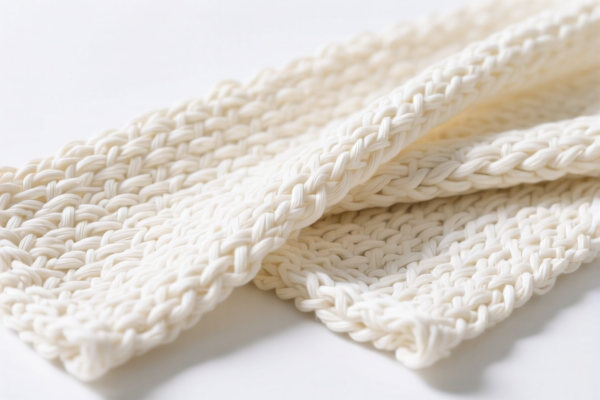
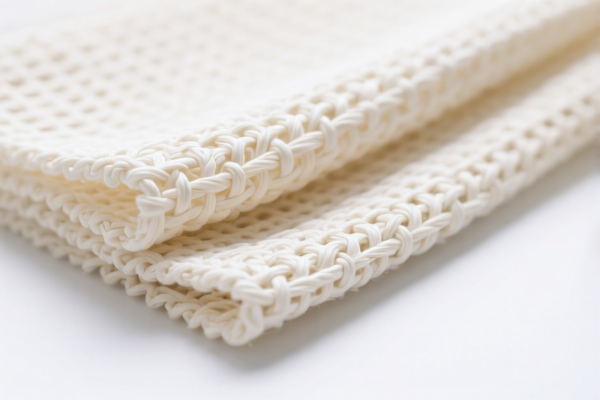
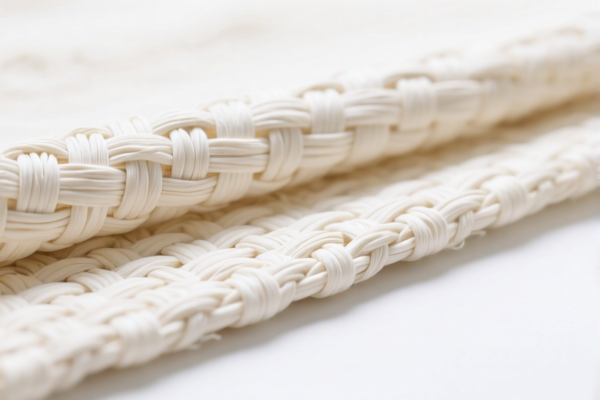

AI分析
👕 Bleached Fabric for Clothing (Apparel Textiles)
🌐 HS Code Reference & Customs Clearance Guide | 2026 Latest Tariff Analysis | Professional Entry Strategies
📌 I. Product Definition & Classification: Do You Truly Understand "Bleached Fabric"?
Bleached fabric for clothing is a processed textile material where the raw fibers (cotton, synthetic blends, etc.) undergo chemical whitening to remove natural pigments, impurities, and colorants. In international trade, classification depends heavily on: 1. Material Composition: Cotton vs. Synthetic vs. Blends. 2. Processing Level: Bleached (whitened) vs. Unbleached/Yarn-dyed. 3. Weave Structure: Plain, Twill, Satin, etc. 4. End-Use: Specifically for Apparel/Clothing (not home textiles like bedsheets or tablecloths).
⚠️ Critical Distinction Point:
- If the fabric is used for Home Textiles (e.g., bedsheets, towels), it often falls under Chapter 63 (made-up articles) or different Chapter 50-60 subheadings.
- If the fabric is intended for Apparel/Clothing, it must be classified under Chapter 52 (Cotton) or Chapter 54/55 (Synthetic/Blends), specifically focusing on "Bleached Woven Fabrics."
- Misclassification Risk: Declaring apparel fabric as "Home Textile Fabric" can lead to severe tariff discrepancies (e.g., 17.5% vs. 49.9%).
📦 II. HS Code Classification Details (Based on Provided Data Context)
Note: The provided data contains specific HS codes and tax details. Below is the analysis strictly based on the <DATA> provided, mapping them to "Bleached Fabric for Clothing" where applicable.
| HS Code | Product Description (From Data) | Application/Inference | Material Type |
|---|---|---|---|
| 5208.21.20.40 | Bleached cotton plain-weave fabric, conforming to bleaching process & woven characteristics. | Primary Candidate for Apparel: Standard white cotton fabric for shirts, dresses, uniforms. | 100% Cotton |
| 5208.21.20.90 | Bleached plain-weave fabric, conforming to bleached & woven attributes, suitable for home textile uses. | Ambiguous for Clothing: Data mentions "home textiles," but structurally identical to 5208.21.20.40. May require specific declaration to prove apparel use. | 100% Cotton |
| 5407.81.00.20 | Bleached woven fabric of synthetic fiber & cotton blend, conforming to unbleached/bleached levels & inferred apparel use. | Best Match for Blends: Explicitly mentions "inferred apparel use" in summary. Ideal for poly-cotton shirts, pants. | Cotton/Synthetic Blend |
| 6302.99.15.20 | Bleached woven fabric for home textiles, for household textiles like bedding, tablecloths. | Exclude for Clothing: Explicitly stated for home textiles. Using this code for clothing leads to incorrect classification. | Textile Material |
🔍 Key Insight:
- For 100% Cotton Clothing Fabric: Choose 5208.21.20.40 (explicitly "bleached cotton plain-weave").
- For Poly-Cotton Blend Clothing Fabric: Choose 5407.81.00.20 (explicitly mentions "apparel inference").
- Avoid 6302.99.15.20 for clothing; it is for home goods.
- 5208.21.20.90 is risky for apparel due to the "home textile" mention in its description; prefer .40 for clarity.
💰 III. 2026 Latest Tariff Rate Breakdown (Detailed Tax Clauses)
✅ Applicable Country: United States (US)
✅ Origin: China (CN)
✅ Effective Date: Rates apply to imports with declared origin China.
🎯 1. 5208.21.20.40 – Bleached Cotton Plain-Weave Fabric (Apparel-Ready)
| Item | Content |
|---|---|
| Base Tariff | 8.4% (Standard MFN rate) |
| Section 301 Surcharge | +25.0% (U.S. Trade Act, "25% Tariff on Chinese Goods") |
| Section 122 Clause Tariff | +10.0% (Specific clause mentioned in data, likely related to trade enforcement or specific sector rules) |
| Total Tax Rate | 43.4% |
| Tax Calculation | CIF Value × 43.4% |
| De Minimis Exemption | ❌ Not Applicable (High tariff goods rarely qualify for $800 de minimis if classified incorrectly or if specifically excluded; generally, textile surcharges bypass de minimis). |
| Legal Basis Path | USITC:5208.21.20.40 → Section 301: Footnote 9903.88.01 → Section 122: Specific Clause |
📌 Explanation:
- Base 8.4%: Standard U.S. duty for cotton woven fabrics.
- +25% Section 301: The primary penalty for Chinese-origin manufactured goods.
- +10% Section 122: An additional layered tariff, potentially targeting specific textile inputs or enforcement actions.
- Total 43.4%: Extremely high. Must be factored into landed cost.
🎯 2. 5208.21.20.90 – Bleached Plain-Weave Fabric (Home Textile Mentioned)
| Item | Content |
|---|---|
| Base Tariff | 8.4% |
| Section 301 Surcharge | +25.0% |
| Section 122 Clause Tariff | +10.0% |
| Total Tax Rate | 43.4% |
| Tax Calculation | CIF Value × 43.4% |
| De Minimis Exemption | ❌ Not Applicable |
| Legal Basis Path | USITC:5208.21.20.90 → Section 301 → Section 122 |
📌 Note:
- Identical tax rate to .40.
- Risk: If used for clothing, Customs may flag the "home textile" description as misleading, causing delays. Use .40 for clothing to ensure alignment with intent.
🎯 3. 5407.81.00.20 – Synthetic/Cotton Blend Bleached Woven Fabric (Apparel Inferred)
| Item | Content |
|---|---|
| Base Tariff | 14.9% |
| Section 301 Surcharge | +25.0% |
| Section 122 Clause Tariff | +10.0% |
| Total Tax Rate | 49.9% |
| Tax Calculation | CIF Value × 49.9% |
| De Minimis Exemption | ❌ Not Applicable |
| Legal Basis Path | USITC:5407.81.00.20 → Section 301 → Section 122 |
📌 Explanation:
- Higher Base (14.9%): Synthetic/cotton blends often face higher base duties than pure cotton in certain subheadings.
- Highest Total (49.9%): This is the most expensive option. Justify the "apparel inference" strongly with product descriptions to avoid reclassification to higher-penalty codes.
🎯 4. 6302.99.15.20 – Bleached Fabric for Home Textiles (Bedsheets/Tablecloths)
| Item | Content |
|---|---|
| Base Tariff | 0.0% |
| Section 301 Surcharge | +7.5% (Reduced rate mentioned in data) |
| Section 122 Clause Tariff | +10.0% |
| Total Tax Rate | 17.5% |
| Tax Calculation | CIF Value × 17.5% |
| De Minimis Exemption | ❓ Potentially Eligible (Lower rates may sometimes interact with de minimis, but Section 301 usually overrides. Consult broker.) |
| Legal Basis Path | USITC:6302.99.15.20 → Section 301 (Reduced) → Section 122 |
📌 Warning:
- Do NOT use for Clothing: This code is for Home Textiles. If you import clothing fabric under this code, you are misdeclaring origin/use.
- Penalty Risk: If Customs discovers clothing is declared as home textile fabric, they may assess penalties for fraud, plus back duties.
- Rate Appeal: While 17.5% is lower, the misclassification penalty far outweighs the savings.
🛠️ IV. Customs Clearance Practical Advice (Real-World Pitfall Guide)
✅ 1. Required Documentation Checklist
| Document | Mandatory? | Description |
|---|---|---|
| ✅ Product Specification Sheet | ✔️ | Must state: Fiber Content (e.g., 65% Poly/35% Cotton), Weave (Plain), Finish (Bleached), End Use (Clothing/Apparel). |
| ✅ Commercial Invoice | ✔️ | Description must match HS Code. E.g., "Bleached Cotton Woven Fabric, 100% Cotton, for Apparel Use." |
| ✅ Packing List | ✔️ | Weight, dimensions, number of rolls/bales. |
| ✅ Certificate of Origin (CO) | ✔️ | Proof of China origin (triggers Section 301/122 taxes). |
| ✅ Test Report | ✔️ | Optional but recommended: Confirm "Bleached" status and fiber content. |
✅ 2. Declaration Tips (Key Mnemonics)
🔥 "Material First, Use Clear, Avoid Home Textile Codes for Apparel!"
| Scenario | Correct Declaration | Incorrect Practice | Consequence |
|---|---|---|---|
| 100% Cotton Shirt Fabric | HS: 5208.21.20.40Desc: "Bleached Cotton Plain Weave, for Apparel" |
HS: 6302.99.15.20Desc: "Bleached Fabric" |
Misclassification: 43.4% vs 17.5% (plus penalty) |
| Poly-Cotton Blend Pants Fabric | HS: 5407.81.00.20Desc: "Bleached Blend Woven, for Apparel" |
HS: 5208.21.20.40Desc: "Cotton Fabric" |
Wrong Material: Customs will reclassify, delay shipment |
| Home Textile (Sheets) | HS: 6302.99.15.20Desc: "Bleached Woven, for Home Textiles" |
HS: 5208.21.20.40Desc: "Bleached Fabric, for Clothing" |
Wrong Use: Penalty for false declaration |
✅ 3. Special Circumstances
| Situation | Handling Advice |
|---|---|
| OEM Clothing Fabric | Provide buyer’s purchase order specifying "Apparel Use" to justify 5407.81.00.20 or 5208.21.20.40. |
| Bleached vs. White | "Bleached" is a specific chemical process. Do not declare as "Natural" or "Ecru" if bleached. Mislabeling can lead to duty evasion allegations. |
| Blend Ratios | For 5407.81.00.20, ensure the blend ratio matches the HS definition. If >50% synthetic, Chapter 54 applies. If >50% cotton, Chapter 52 applies. |
| De Minimis ($800) | Generally, Section 301 goods are excluded from de minimis exemption if they are subject to additional duties. However, recent policies vary. Assume de minimis does NOT apply for these high-duty codes to be safe. |
🌍 V. Global Market Comparison (2026 Latest)
| Country/Region | Recommended HS Code (Example) | Base Tariff | Additional Tariffs | Remarks |
|---|---|---|---|---|
| 🇺🇸 USA | 5208.21.20.40 or 5407.81.00.20 |
8.4% - 14.9% | +25% (Sec 301) +10% (Sec 122) | High Cost (43.4%-49.9%) |
| 🇨🇳 China | 5208.21.20.40 |
~8-10% | None | Lower base rate |
| 🇪🇺 EU | 5208.21.20.40 |
~9% | None | No Section 301 |
| 🇲🇽 Mexico | 5208.21.20.40 |
~5-10% | USMCT checks | Check rules of origin |
📌 Conclusion:
- The U.S. market is the most expensive for Chinese-origin bleached fabrics due to Section 301 and Section 122 tariffs.
- Accurate HS Code selection is critical: Using the wrong code (e.g., home textile for clothing) can result in audits, fines, and shipment holds.
📌 VI. Common Errors & Pitfall Guide (Lessons Learned)
❌ Error 1: Declaring Apparel Fabric as 6302.99.15.20 (Home Textile) to save taxes.
👉 Result: Customs detects end-use mismatch. Penalty + Back Duties + Possible Fraud Investigation.
❌ Error 2: Ignoring Section 122 Tariff in cost calculation.
👉 Result: Underestimating landed cost by 10%. Profit margin erased.
❌ Error 3: Ambiguous Description: "Bleached Fabric" without material or use.
👉 Result: Customs exam delay. Broker may assign highest possible duty rate or reclassify.
✅ Correct Practice:
"Bleached Woven Cotton Fabric, Plain Weave, 100% Cotton, For Apparel Use, Model XYZ, Origin: China"
🎯 VII. Conclusion: Professional Declaration, Cost Control, Efficiency!
🎯 Remember the Mantra:
🔹 "Material Defines Chapter, Use Defines Subheading, Section 301 Adds 25%, Section 122 Adds 10%!"
🔹 "Never use Home Textile Codes for Clothing! The 10% savings isn't worth the Penalty!"
📌 Pro Tip:
If your fabric is originating from Vietnam, Thailand, or India, you avoid US Section 301 tariffs. Consider supply chain diversification to reduce costs from 43.4%+ to single digits.
📣 Immediate Action:
📞 Contact your customs broker with Material Composition + End-Use Statement.
🚀 Get an Advance Ruling if shipping large volumes.
💼 Precise classification saves thousands!
✨ Professional Customs Clearance Starts with Accurate Classification!
💼 Every percentage point matters in your Landed Cost!
用户评价
关于 HS 编码归类
协调制度(HS)是由世界海关组织(WCO)制定的国际贸易商品分类标准。全球 200 多个国家采用 HS 系统作为海关关税、贸易统计和进出口监管的基础。
每个 HS 编码遵循以下层级结构:
- 章(2 位)——商品大类(例如:第 84 章:机器和机械设备)
- 品目(4 位)——章内的更具体分类
- 子目(6 位)——国际通用细分,所有 WCO 成员国统一使用
- 本国细分(8-10 位)——各国自行扩展的细分编码,如美国 HTSUS 10 位编码
正确的 HS 编码归类对于顺利通关、准确缴纳关税和遵守贸易法规至关重要。错误归类可能导致海关延误、多缴关税或罚款。
从CN进口到US时,适用的关税税率可能包括:
- 最惠国(MFN)税率——适用于 WTO 成员国的标准关税税率
- 普通税率——适用于无贸易协定国家
- 贸易救济关税——附加关税,如 301 条款(反倾销)、232 条款(国家安全)或反补贴税
本页内容仅供参考。如需正式归类,请咨询当地海关或持牌报关代理。