Bleached fabric for clothing
CN → US| HS Code | Tariff Rate | Origin | Destination | Doc |
|---|---|---|---|---|
| 6302991520 | 17.5% | CN | US | Official Doc |
| 5208212040 | 43.4% | CN | US | Official Doc |
| 5208212090 | 43.4% | CN | US | Official Doc |
| 5407810020 | 49.9% | CN | US | Official Doc |
Product Images
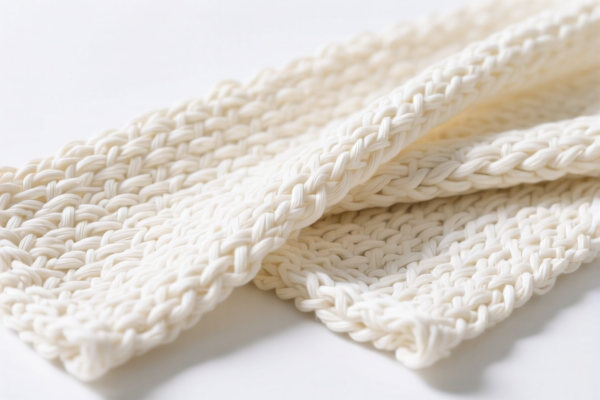
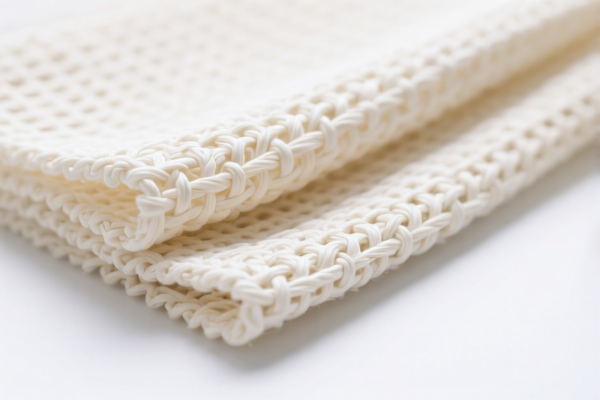
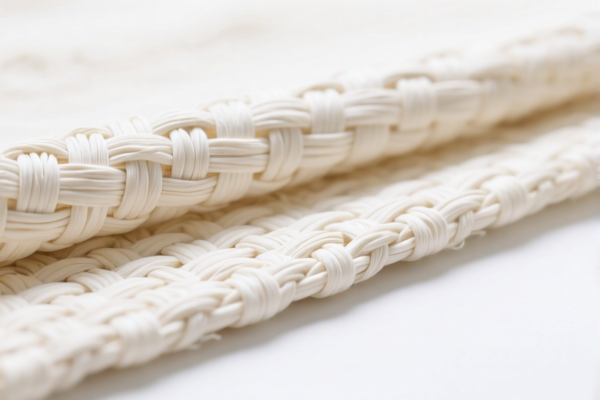

AI Analysis
👕 Bleached Fabric for Clothing (Apparel Textiles)
🌐 HS Code Reference & Customs Clearance Guide | 2026 Latest Tariff Analysis | Professional Entry Strategies
📌 I. Product Definition & Classification: Do You Truly Understand "Bleached Fabric"?
Bleached fabric for clothing is a processed textile material where the raw fibers (cotton, synthetic blends, etc.) undergo chemical whitening to remove natural pigments, impurities, and colorants. In international trade, classification depends heavily on: 1. Material Composition: Cotton vs. Synthetic vs. Blends. 2. Processing Level: Bleached (whitened) vs. Unbleached/Yarn-dyed. 3. Weave Structure: Plain, Twill, Satin, etc. 4. End-Use: Specifically for Apparel/Clothing (not home textiles like bedsheets or tablecloths).
⚠️ Critical Distinction Point:
- If the fabric is used for Home Textiles (e.g., bedsheets, towels), it often falls under Chapter 63 (made-up articles) or different Chapter 50-60 subheadings.
- If the fabric is intended for Apparel/Clothing, it must be classified under Chapter 52 (Cotton) or Chapter 54/55 (Synthetic/Blends), specifically focusing on "Bleached Woven Fabrics."
- Misclassification Risk: Declaring apparel fabric as "Home Textile Fabric" can lead to severe tariff discrepancies (e.g., 17.5% vs. 49.9%).
📦 II. HS Code Classification Details (Based on Provided Data Context)
Note: The provided data contains specific HS codes and tax details. Below is the analysis strictly based on the <DATA> provided, mapping them to "Bleached Fabric for Clothing" where applicable.
| HS Code | Product Description (From Data) | Application/Inference | Material Type |
|---|---|---|---|
| 5208.21.20.40 | Bleached cotton plain-weave fabric, conforming to bleaching process & woven characteristics. | Primary Candidate for Apparel: Standard white cotton fabric for shirts, dresses, uniforms. | 100% Cotton |
| 5208.21.20.90 | Bleached plain-weave fabric, conforming to bleached & woven attributes, suitable for home textile uses. | Ambiguous for Clothing: Data mentions "home textiles," but structurally identical to 5208.21.20.40. May require specific declaration to prove apparel use. | 100% Cotton |
| 5407.81.00.20 | Bleached woven fabric of synthetic fiber & cotton blend, conforming to unbleached/bleached levels & inferred apparel use. | Best Match for Blends: Explicitly mentions "inferred apparel use" in summary. Ideal for poly-cotton shirts, pants. | Cotton/Synthetic Blend |
| 6302.99.15.20 | Bleached woven fabric for home textiles, for household textiles like bedding, tablecloths. | Exclude for Clothing: Explicitly stated for home textiles. Using this code for clothing leads to incorrect classification. | Textile Material |
🔍 Key Insight:
- For 100% Cotton Clothing Fabric: Choose 5208.21.20.40 (explicitly "bleached cotton plain-weave").
- For Poly-Cotton Blend Clothing Fabric: Choose 5407.81.00.20 (explicitly mentions "apparel inference").
- Avoid 6302.99.15.20 for clothing; it is for home goods.
- 5208.21.20.90 is risky for apparel due to the "home textile" mention in its description; prefer .40 for clarity.
💰 III. 2026 Latest Tariff Rate Breakdown (Detailed Tax Clauses)
✅ Applicable Country: United States (US)
✅ Origin: China (CN)
✅ Effective Date: Rates apply to imports with declared origin China.
🎯 1. 5208.21.20.40 – Bleached Cotton Plain-Weave Fabric (Apparel-Ready)
| Item | Content |
|---|---|
| Base Tariff | 8.4% (Standard MFN rate) |
| Section 301 Surcharge | +25.0% (U.S. Trade Act, "25% Tariff on Chinese Goods") |
| Section 122 Clause Tariff | +10.0% (Specific clause mentioned in data, likely related to trade enforcement or specific sector rules) |
| Total Tax Rate | 43.4% |
| Tax Calculation | CIF Value × 43.4% |
| De Minimis Exemption | ❌ Not Applicable (High tariff goods rarely qualify for $800 de minimis if classified incorrectly or if specifically excluded; generally, textile surcharges bypass de minimis). |
| Legal Basis Path | USITC:5208.21.20.40 → Section 301: Footnote 9903.88.01 → Section 122: Specific Clause |
📌 Explanation:
- Base 8.4%: Standard U.S. duty for cotton woven fabrics.
- +25% Section 301: The primary penalty for Chinese-origin manufactured goods.
- +10% Section 122: An additional layered tariff, potentially targeting specific textile inputs or enforcement actions.
- Total 43.4%: Extremely high. Must be factored into landed cost.
🎯 2. 5208.21.20.90 – Bleached Plain-Weave Fabric (Home Textile Mentioned)
| Item | Content |
|---|---|
| Base Tariff | 8.4% |
| Section 301 Surcharge | +25.0% |
| Section 122 Clause Tariff | +10.0% |
| Total Tax Rate | 43.4% |
| Tax Calculation | CIF Value × 43.4% |
| De Minimis Exemption | ❌ Not Applicable |
| Legal Basis Path | USITC:5208.21.20.90 → Section 301 → Section 122 |
📌 Note:
- Identical tax rate to .40.
- Risk: If used for clothing, Customs may flag the "home textile" description as misleading, causing delays. Use .40 for clothing to ensure alignment with intent.
🎯 3. 5407.81.00.20 – Synthetic/Cotton Blend Bleached Woven Fabric (Apparel Inferred)
| Item | Content |
|---|---|
| Base Tariff | 14.9% |
| Section 301 Surcharge | +25.0% |
| Section 122 Clause Tariff | +10.0% |
| Total Tax Rate | 49.9% |
| Tax Calculation | CIF Value × 49.9% |
| De Minimis Exemption | ❌ Not Applicable |
| Legal Basis Path | USITC:5407.81.00.20 → Section 301 → Section 122 |
📌 Explanation:
- Higher Base (14.9%): Synthetic/cotton blends often face higher base duties than pure cotton in certain subheadings.
- Highest Total (49.9%): This is the most expensive option. Justify the "apparel inference" strongly with product descriptions to avoid reclassification to higher-penalty codes.
🎯 4. 6302.99.15.20 – Bleached Fabric for Home Textiles (Bedsheets/Tablecloths)
| Item | Content |
|---|---|
| Base Tariff | 0.0% |
| Section 301 Surcharge | +7.5% (Reduced rate mentioned in data) |
| Section 122 Clause Tariff | +10.0% |
| Total Tax Rate | 17.5% |
| Tax Calculation | CIF Value × 17.5% |
| De Minimis Exemption | ❓ Potentially Eligible (Lower rates may sometimes interact with de minimis, but Section 301 usually overrides. Consult broker.) |
| Legal Basis Path | USITC:6302.99.15.20 → Section 301 (Reduced) → Section 122 |
📌 Warning:
- Do NOT use for Clothing: This code is for Home Textiles. If you import clothing fabric under this code, you are misdeclaring origin/use.
- Penalty Risk: If Customs discovers clothing is declared as home textile fabric, they may assess penalties for fraud, plus back duties.
- Rate Appeal: While 17.5% is lower, the misclassification penalty far outweighs the savings.
🛠️ IV. Customs Clearance Practical Advice (Real-World Pitfall Guide)
✅ 1. Required Documentation Checklist
| Document | Mandatory? | Description |
|---|---|---|
| ✅ Product Specification Sheet | ✔️ | Must state: Fiber Content (e.g., 65% Poly/35% Cotton), Weave (Plain), Finish (Bleached), End Use (Clothing/Apparel). |
| ✅ Commercial Invoice | ✔️ | Description must match HS Code. E.g., "Bleached Cotton Woven Fabric, 100% Cotton, for Apparel Use." |
| ✅ Packing List | ✔️ | Weight, dimensions, number of rolls/bales. |
| ✅ Certificate of Origin (CO) | ✔️ | Proof of China origin (triggers Section 301/122 taxes). |
| ✅ Test Report | ✔️ | Optional but recommended: Confirm "Bleached" status and fiber content. |
✅ 2. Declaration Tips (Key Mnemonics)
🔥 "Material First, Use Clear, Avoid Home Textile Codes for Apparel!"
| Scenario | Correct Declaration | Incorrect Practice | Consequence |
|---|---|---|---|
| 100% Cotton Shirt Fabric | HS: 5208.21.20.40Desc: "Bleached Cotton Plain Weave, for Apparel" |
HS: 6302.99.15.20Desc: "Bleached Fabric" |
Misclassification: 43.4% vs 17.5% (plus penalty) |
| Poly-Cotton Blend Pants Fabric | HS: 5407.81.00.20Desc: "Bleached Blend Woven, for Apparel" |
HS: 5208.21.20.40Desc: "Cotton Fabric" |
Wrong Material: Customs will reclassify, delay shipment |
| Home Textile (Sheets) | HS: 6302.99.15.20Desc: "Bleached Woven, for Home Textiles" |
HS: 5208.21.20.40Desc: "Bleached Fabric, for Clothing" |
Wrong Use: Penalty for false declaration |
✅ 3. Special Circumstances
| Situation | Handling Advice |
|---|---|
| OEM Clothing Fabric | Provide buyer’s purchase order specifying "Apparel Use" to justify 5407.81.00.20 or 5208.21.20.40. |
| Bleached vs. White | "Bleached" is a specific chemical process. Do not declare as "Natural" or "Ecru" if bleached. Mislabeling can lead to duty evasion allegations. |
| Blend Ratios | For 5407.81.00.20, ensure the blend ratio matches the HS definition. If >50% synthetic, Chapter 54 applies. If >50% cotton, Chapter 52 applies. |
| De Minimis ($800) | Generally, Section 301 goods are excluded from de minimis exemption if they are subject to additional duties. However, recent policies vary. Assume de minimis does NOT apply for these high-duty codes to be safe. |
🌍 V. Global Market Comparison (2026 Latest)
| Country/Region | Recommended HS Code (Example) | Base Tariff | Additional Tariffs | Remarks |
|---|---|---|---|---|
| 🇺🇸 USA | 5208.21.20.40 or 5407.81.00.20 |
8.4% - 14.9% | +25% (Sec 301) +10% (Sec 122) | High Cost (43.4%-49.9%) |
| 🇨🇳 China | 5208.21.20.40 |
~8-10% | None | Lower base rate |
| 🇪🇺 EU | 5208.21.20.40 |
~9% | None | No Section 301 |
| 🇲🇽 Mexico | 5208.21.20.40 |
~5-10% | USMCT checks | Check rules of origin |
📌 Conclusion:
- The U.S. market is the most expensive for Chinese-origin bleached fabrics due to Section 301 and Section 122 tariffs.
- Accurate HS Code selection is critical: Using the wrong code (e.g., home textile for clothing) can result in audits, fines, and shipment holds.
📌 VI. Common Errors & Pitfall Guide (Lessons Learned)
❌ Error 1: Declaring Apparel Fabric as 6302.99.15.20 (Home Textile) to save taxes.
👉 Result: Customs detects end-use mismatch. Penalty + Back Duties + Possible Fraud Investigation.
❌ Error 2: Ignoring Section 122 Tariff in cost calculation.
👉 Result: Underestimating landed cost by 10%. Profit margin erased.
❌ Error 3: Ambiguous Description: "Bleached Fabric" without material or use.
👉 Result: Customs exam delay. Broker may assign highest possible duty rate or reclassify.
✅ Correct Practice:
"Bleached Woven Cotton Fabric, Plain Weave, 100% Cotton, For Apparel Use, Model XYZ, Origin: China"
🎯 VII. Conclusion: Professional Declaration, Cost Control, Efficiency!
🎯 Remember the Mantra:
🔹 "Material Defines Chapter, Use Defines Subheading, Section 301 Adds 25%, Section 122 Adds 10%!"
🔹 "Never use Home Textile Codes for Clothing! The 10% savings isn't worth the Penalty!"
📌 Pro Tip:
If your fabric is originating from Vietnam, Thailand, or India, you avoid US Section 301 tariffs. Consider supply chain diversification to reduce costs from 43.4%+ to single digits.
📣 Immediate Action:
📞 Contact your customs broker with Material Composition + End-Use Statement.
🚀 Get an Advance Ruling if shipping large volumes.
💼 Precise classification saves thousands!
✨ Professional Customs Clearance Starts with Accurate Classification!
💼 Every percentage point matters in your Landed Cost!
Customer Reviews
About HS Code Classification
The Harmonized System (HS) is an internationally standardized nomenclature developed by the World Customs Organization (WCO) to classify traded products. Over 200 countries use the HS system as the basis for customs tariffs, trade statistics, and import/export regulations.
Each HS code follows a hierarchical structure:
- Chapter (2 digits) — Broad category of goods (e.g., Chapter 84: Machinery and Mechanical Appliances)
- Heading (4 digits) — More specific grouping within the chapter
- Subheading (6 digits) — Internationally standardized breakdown, used by all WCO member countries
- National subdivisions (8-10 digits) — Country-specific extensions for further classification, such as US HTSUS 10-digit codes
Correct HS code classification is essential for smooth customs clearance, accurate duty payment, and compliance with trade regulations. Misclassification can lead to customs delays, overpayment of duties, or penalties.
When importing from CN to US, the applicable tariff rates may include:
- Most-Favored-Nation (MFN) rate — The standard duty rate applied to WTO members
- General rate — Applied to countries without trade agreements
- Trade remedy duties — Additional tariffs such as Section 301 (anti-dumping), Section 232 (national security), or countervailing duties
The information provided on this page is for reference purposes only. For official classification, please consult with your local customs authority or a licensed customs broker.