Boys Fitness Training Shirt
CN → US| HS编码 | 关税税率 | 原产国 | 目的国 | 文档 |
|---|---|---|---|---|
| 6109901009 | 49.5% | CN | US | 官方文档 |
| 6110202044 | 34.0% | CN | US | 官方文档 |
| 6203230080 | 0.0% | CN | US | 官方文档 |
| 6109100014 | 34.0% | CN | US | 官方文档 |
商品图片
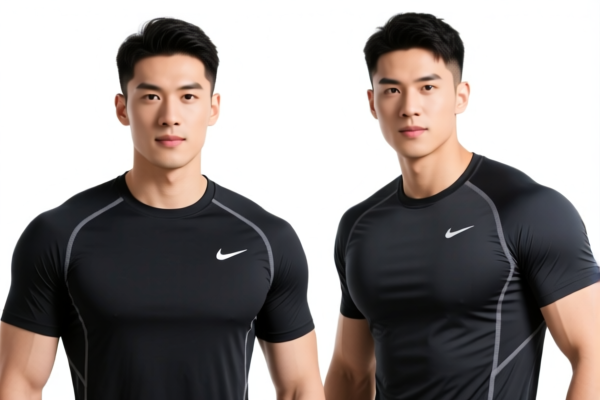
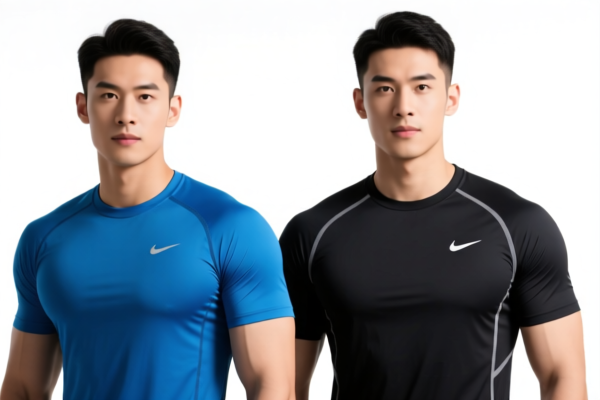
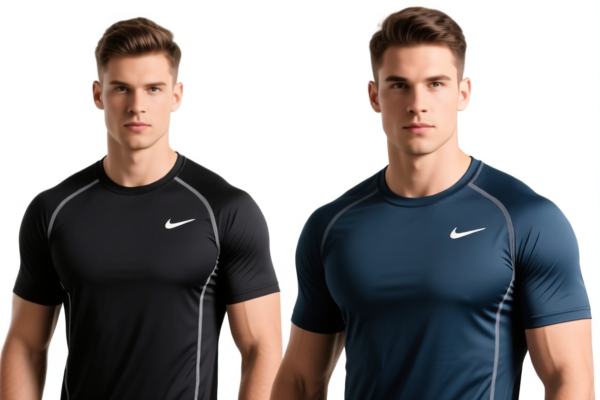
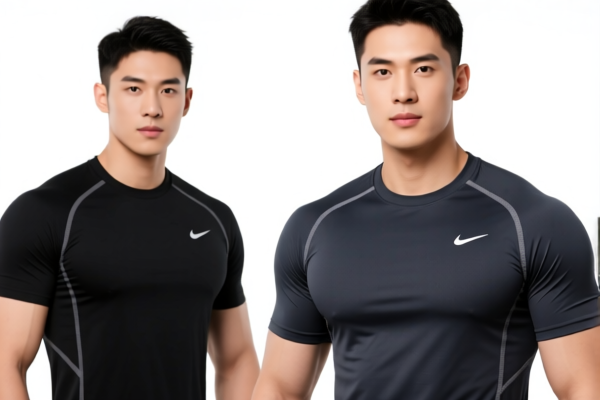
AI分析
👕 Boys Fitness Training Shirt
🌐 HS Code Reference & Customs Clearance Guide | 2026 Latest Tariff Analysis | Professional Entry Strategies
📌 1. Product Definition & Classification: Do You Truly Understand "Training Shirts"?
The "Boys Fitness Training Shirt" is a specialized garment designed for physical activity, primarily targeting the male youth demographic. In international trade, its classification depends heavily on material composition, knitting/weaving structure, and specific design features.
⚠️ Key Distinction Points:
- If it is knitted and made of synthetic fibers (e.g., polyester, nylon) → Typically Chapter 61, Heading 6109 (T-shirts, singlets, etc.) or 6110 (Jerseys, pullovers).
- If it is woven and made of synthetic fibers → Typically Chapter 62, Heading 6203 (Men’s/Boys’ shirts).
- Crucial Note: The term "training shirt" is not a standalone HS code. It must be mapped to the correct garment type based on fabric and construction.
📦 2. HS Code Classification Details (2026 Latest Tariff Authority Match)
Based on the provided data for "Boys Fitness Training Shirt," here are the applicable HS Codes and their corresponding tax implications.
| HS Code | Product Description (from Data) | Key Characteristics | Total Tax Rate | Tax Breakdown Details |
|---|---|---|---|---|
6109.90.10.09 |
Boy's fitness training shirt, form: training shirt, use: for boys, material: artificial fibers | Knitted/synthetic blend, general training wear | 49.5% | Base: 32.0%, Section 301: 7.5%, Section 321: 10% |
6110.20.20.44 |
Boy's fitness training shirt, use: sports, target: boys, material: cotton or blend | Knitted/cotton-blend jersey, athletic use | 34.0% | Base: 16.5%, Section 301: 7.5%, Section 321: 10% |
6203.23.00.80 |
Boy's fitness training shirt, form: shirt, material: synthetic fibers (Woven) | Woven synthetic shirt, ensemble applicability | Varies + 10% | Base: Rate applicable if separate, Section 301: 0.0%, Section 321: 10% |
6203.23.00.80 |
Boy's fitness training shirt, form: shirt, material: synthetic fibers | Woven synthetic shirt, fits shirt definition | Varies + 10% | Base: Rate applicable if separate, Section 301: 0.0%, Section 321: 10% |
6109.10.00.14 |
Boy's fitness training shirt, use: for boys, form: T-shirt/training shirt, material: cotton or synthetic knit | Knitted cotton/synthetic, standard T-shirt style | 34.0% | Base: 16.5%, Section 301: 7.5%, Section 321: 10% |
🔍 Critical Insight:
- Chapter 61 (Knitted) items (6109,6110) generally have a Section 301 tariff of 7.5%.
- Chapter 62 (Woven) items (6203) may have 0% Section 301 tariff but higher base rates depending on the specific "ensemble" rule.
- Section 321 (likely referring to de minimis or specific bilateral clauses) adds 10% across all categories.
💰 3. 2026 Latest Tariff Rate Breakdown (Including Surcharges)
✅ Applicable Country: United States (US)
✅ Origin: China (CN) (Implied by Section 301/321 context)
✅ Effective Time: Current 2026 Tariff Structure
🎯 1. 6109.90.10.09 — Artificial Fiber Training Shirt (Knitted)
| Item | Detail |
|---|---|
| Base Tariff | 32.0% |
| Section 301 Surcharge | +7.5% |
| Section 321 Clause | +10.0% |
| Total Effective Rate | 49.5% |
| Calculation Basis | CIF Value × 49.5% |
| De Minimis Exemption | ❌ Not Applicable for Section 301 goods > $800 if classified here |
📌 Explanation:
- High base rate (32%) due to "Artificial Fibers" classification in Chapter 61;
- Section 301 (7.5%) is a standard punitive tariff on Chinese textile imports;
- Section 321 (10%) is an additional layer;
- Total 49.5% makes this the most expensive option in the dataset.
🎯 2. 6110.20.20.44 & 6109.10.00.14 — Cotton/Blend Training Shirts (Knitted)
| Item | Detail |
|---|---|
| Base Tariff | 16.5% |
| Section 301 Surcharge | +7.5% |
| Section 321 Clause | +10.0% |
| Total Effective Rate | 34.0% |
| Calculation Basis | CIF Value × 34.0% |
📌 Explanation:
- Significantly lower base rate (16.5%) compared to artificial fibers (32%);
- Cotton or blends are treated more favorably under US trade policy for this category;
- Same surcharges apply: 7.5% (Sec 301) + 10% (Sec 321);
- Total 34.0% is a more cost-effective option than6109.90.10.09.
🎯 3. 6203.23.00.80 — Woven Synthetic Shirt (Boys)
| Item | Detail |
|---|---|
| Base Tariff | "The rate applicable to each garment in the ensemble if separately classified" |
| Section 301 Surcharge | 0.0% |
| Section 321 Clause | +10.0% |
| Total Effective Rate | Base Rate + 10.0% |
📌 Critical Warning:
- Section 301 is 0% for this specific woven code, which is a major advantage;
- However, the Base Rate is uncertain ("applicable... if separate");
- If the base rate is >39.5%, the total may exceed 50%;
- If the base rate is <24.5%, the total may be <34.5%, beating the knitted options;
- Must verify the specific base rate for "Boys' Woven Shirts" in the current HTSUS.
🛠️ 4. Customs Clearance Practical Advice (Avoid Pitfalls)
✅ 1. Documentation Checklist (Non-Negotiable)
| Document | Required | Purpose |
|---|---|---|
| ✅ Product Specifications | ✔️ | Must specify: Knitted vs. Woven, Fiber Content (e.g., 100% Polyester vs. 60% Cotton/40% Poly) |
| ✅ Composition Label | ✔️ | Exact percentage of fibers is critical for 6109 vs. 6110 vs. 6203 |
| ✅ Photos | ✔️ | Show neckline, sleeves, and any woven/knitted texture to prove classification |
| ✅ Commercial Invoice | ✔️ | Must describe item as "Boys' Training Shirt" with material details |
| ✅ Origin Certificate | ✔️ | To confirm China origin and assess Section 301 applicability |
✅ 2. Declaration Strategy (Key Mnemonic)
🔥 "Knit vs. Woven, Cotton vs. Poly, Base Rate Dictates Cost!"
| Scenario | Recommended HS Code | Why? |
|---|---|---|
| 100% Polyester Knit T-shirt | 6109.90.10.09 |
High base rate (32%) → Total 49.5% (Avoid if possible) |
| Cotton/Poly Blend Knit T-shirt | 6110.20.20.44 or 6109.10.00.14 |
Lower base rate (16.5%) → Total 34.0% (Preferred) |
| Woven Synthetic Shirt | 6203.23.00.80 |
0% Sec 301, but unknown base rate → Verify base rate first |
✅ 3. Special Handling Tips
| Situation | Advice |
|---|---|
| Mislabeling Material | Declaring "Cotton" when it's "Polyester" leads to penalties + back-taxes |
| Knitted vs. Woven | If you declare 6203 (Woven) but it's Knitted, customs will reclassify to 6109/6110 and charge higher duties |
| Ensemble Goods | If the shirt is part of a set (e.g., shirt + shorts), the principal item determines classification, but each may be taxed separately per Sec 321 |
| De Minimis | For shipments <$800, verify if Section 301 still applies (often yes for Chinese origin) |
🌍 5. Market Comparison (2026)
| Country | Recommended HS Code | Est. Total Duty | Notes |
|---|---|---|---|
| 🇺🇸 USA | 6110.20.20.44 (Cotton Blend) |
34.0% | Best balance of cost and classification certainty |
| 🇺🇸 USA | 6109.90.10.09 (Synth. Knit) |
49.5% | Highest cost, avoid unless unavoidable |
| 🇺🇸 USA | 6203.23.00.80 (Woven) |
Base + 10% | Potentially cheapest if base rate is low |
📌 Conclusion:
- Cotton blends (6110/6109.10) offer the most predictable and moderate tariff (34.0%);
- Pure synthetic knits (6109.90) are highly taxed (49.5%);
- Woven (6203) is a wildcard — audit the base rate before choosing.
📌 6. Common Mistakes & Pitfalls (Lessons Learned)
❌ Mistake 1: Assuming "Training Shirt" is a universal code
👉 Result: Customs rejects the code, delays shipment, reclassifies to highest applicable rate.
❌ Mistake 2: Ignoring Fiber Content
👉 Result: Declaring 100% Cotton for a Poly-blend shirt → 34.0% vs. 49.5% difference = significant cost overrun.
❌ Mistake 3: Misidentifying Knit vs. Woven
👉 Result: Woven shirts declared as Knit → Chapter 62 may have different Sec 301 rules, but if misclassified, penalties apply.
❌ Mistake 4: Not verifying Section 321 Applicability
👉 Result: Assuming 10% is fixed; some products may be exempt, others not. Always confirm.
✅ Correct Action:
"Boys' Knitted Training Shirt, 60% Cotton/40% Polyester, Crew Neck, Short Sleeve" →
6110.20.20.44→ 34.0% Total Duty
🎯 7. Conclusion: Precise Classification, Optimized Costs
🎯 Remember the Golden Rule:
🔹 "Material Matters: Cotton Blend (34%) vs. Pure Synth. Knit (49.5%)"
🔹 "Knit vs. Woven Determines Chapter: 61 vs. 62"
🔹 "Always Verify Base Rate for Woven Items (6203)"
📌 Pro Tip:
For maximum cost efficiency, opt for Cotton/Blend Knitted Shirts (6110.20.20.44 or 6109.10.00.14) with a total duty of 34.0%. Avoid pure synthetic knits (6109.90.10.09) unless necessary, as they carry a 49.5% total duty. For woven shirts, audit the base rate under 6203.23.00.80 before committing.
📣 Immediate Action:
📞 Consult a Customs Broker with exact fiber content and photos
📄 Apply for Advance Ruling if volume is high
🚀 Optimize Supply Chain: Source cotton-blend knits to save 15.5% in duties vs. pure synthetic knits!
✨ Professional Customs Clearance Starts with Accurate Classification!
💼 Every Percent of Duty Saved is Pure Profit!
用户评价
关于 HS 编码归类
协调制度(HS)是由世界海关组织(WCO)制定的国际贸易商品分类标准。全球 200 多个国家采用 HS 系统作为海关关税、贸易统计和进出口监管的基础。
每个 HS 编码遵循以下层级结构:
- 章(2 位)——商品大类(例如:第 84 章:机器和机械设备)
- 品目(4 位)——章内的更具体分类
- 子目(6 位)——国际通用细分,所有 WCO 成员国统一使用
- 本国细分(8-10 位)——各国自行扩展的细分编码,如美国 HTSUS 10 位编码
正确的 HS 编码归类对于顺利通关、准确缴纳关税和遵守贸易法规至关重要。错误归类可能导致海关延误、多缴关税或罚款。
从CN进口到US时,适用的关税税率可能包括:
- 最惠国(MFN)税率——适用于 WTO 成员国的标准关税税率
- 普通税率——适用于无贸易协定国家
- 贸易救济关税——附加关税,如 301 条款(反倾销)、232 条款(国家安全)或反补贴税
本页内容仅供参考。如需正式归类,请咨询当地海关或持牌报关代理。