Boys Fitness Training Shirt
CN → US| HS Code | Tariff Rate | Origin | Destination | Doc |
|---|---|---|---|---|
| 6109901009 | 49.5% | CN | US | Official Doc |
| 6110202044 | 34.0% | CN | US | Official Doc |
| 6203230080 | 0.0% | CN | US | Official Doc |
| 6109100014 | 34.0% | CN | US | Official Doc |
Product Images
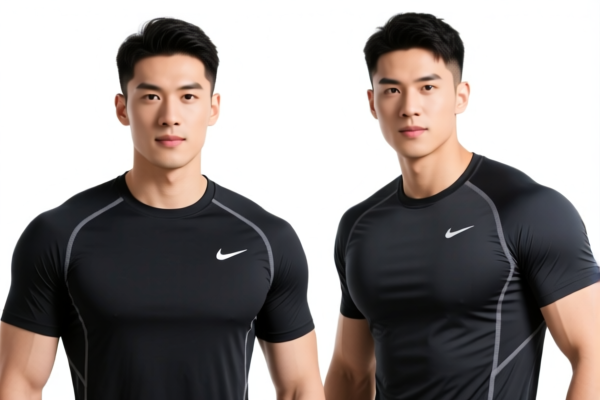
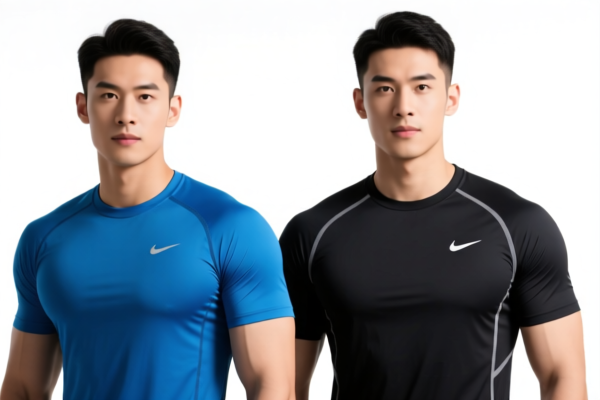
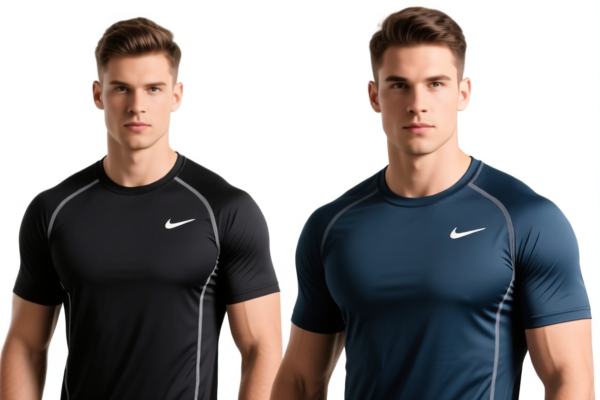
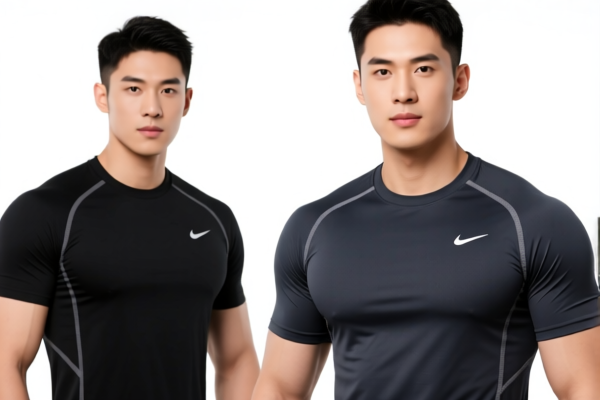
AI Analysis
👕 Boys Fitness Training Shirt
🌐 HS Code Reference & Customs Clearance Guide | 2026 Latest Tariff Analysis | Professional Entry Strategies
📌 1. Product Definition & Classification: Do You Truly Understand "Training Shirts"?
The "Boys Fitness Training Shirt" is a specialized garment designed for physical activity, primarily targeting the male youth demographic. In international trade, its classification depends heavily on material composition, knitting/weaving structure, and specific design features.
⚠️ Key Distinction Points:
- If it is knitted and made of synthetic fibers (e.g., polyester, nylon) → Typically Chapter 61, Heading 6109 (T-shirts, singlets, etc.) or 6110 (Jerseys, pullovers).
- If it is woven and made of synthetic fibers → Typically Chapter 62, Heading 6203 (Men’s/Boys’ shirts).
- Crucial Note: The term "training shirt" is not a standalone HS code. It must be mapped to the correct garment type based on fabric and construction.
📦 2. HS Code Classification Details (2026 Latest Tariff Authority Match)
Based on the provided data for "Boys Fitness Training Shirt," here are the applicable HS Codes and their corresponding tax implications.
| HS Code | Product Description (from Data) | Key Characteristics | Total Tax Rate | Tax Breakdown Details |
|---|---|---|---|---|
6109.90.10.09 |
Boy's fitness training shirt, form: training shirt, use: for boys, material: artificial fibers | Knitted/synthetic blend, general training wear | 49.5% | Base: 32.0%, Section 301: 7.5%, Section 321: 10% |
6110.20.20.44 |
Boy's fitness training shirt, use: sports, target: boys, material: cotton or blend | Knitted/cotton-blend jersey, athletic use | 34.0% | Base: 16.5%, Section 301: 7.5%, Section 321: 10% |
6203.23.00.80 |
Boy's fitness training shirt, form: shirt, material: synthetic fibers (Woven) | Woven synthetic shirt, ensemble applicability | Varies + 10% | Base: Rate applicable if separate, Section 301: 0.0%, Section 321: 10% |
6203.23.00.80 |
Boy's fitness training shirt, form: shirt, material: synthetic fibers | Woven synthetic shirt, fits shirt definition | Varies + 10% | Base: Rate applicable if separate, Section 301: 0.0%, Section 321: 10% |
6109.10.00.14 |
Boy's fitness training shirt, use: for boys, form: T-shirt/training shirt, material: cotton or synthetic knit | Knitted cotton/synthetic, standard T-shirt style | 34.0% | Base: 16.5%, Section 301: 7.5%, Section 321: 10% |
🔍 Critical Insight:
- Chapter 61 (Knitted) items (6109,6110) generally have a Section 301 tariff of 7.5%.
- Chapter 62 (Woven) items (6203) may have 0% Section 301 tariff but higher base rates depending on the specific "ensemble" rule.
- Section 321 (likely referring to de minimis or specific bilateral clauses) adds 10% across all categories.
💰 3. 2026 Latest Tariff Rate Breakdown (Including Surcharges)
✅ Applicable Country: United States (US)
✅ Origin: China (CN) (Implied by Section 301/321 context)
✅ Effective Time: Current 2026 Tariff Structure
🎯 1. 6109.90.10.09 — Artificial Fiber Training Shirt (Knitted)
| Item | Detail |
|---|---|
| Base Tariff | 32.0% |
| Section 301 Surcharge | +7.5% |
| Section 321 Clause | +10.0% |
| Total Effective Rate | 49.5% |
| Calculation Basis | CIF Value × 49.5% |
| De Minimis Exemption | ❌ Not Applicable for Section 301 goods > $800 if classified here |
📌 Explanation:
- High base rate (32%) due to "Artificial Fibers" classification in Chapter 61;
- Section 301 (7.5%) is a standard punitive tariff on Chinese textile imports;
- Section 321 (10%) is an additional layer;
- Total 49.5% makes this the most expensive option in the dataset.
🎯 2. 6110.20.20.44 & 6109.10.00.14 — Cotton/Blend Training Shirts (Knitted)
| Item | Detail |
|---|---|
| Base Tariff | 16.5% |
| Section 301 Surcharge | +7.5% |
| Section 321 Clause | +10.0% |
| Total Effective Rate | 34.0% |
| Calculation Basis | CIF Value × 34.0% |
📌 Explanation:
- Significantly lower base rate (16.5%) compared to artificial fibers (32%);
- Cotton or blends are treated more favorably under US trade policy for this category;
- Same surcharges apply: 7.5% (Sec 301) + 10% (Sec 321);
- Total 34.0% is a more cost-effective option than6109.90.10.09.
🎯 3. 6203.23.00.80 — Woven Synthetic Shirt (Boys)
| Item | Detail |
|---|---|
| Base Tariff | "The rate applicable to each garment in the ensemble if separately classified" |
| Section 301 Surcharge | 0.0% |
| Section 321 Clause | +10.0% |
| Total Effective Rate | Base Rate + 10.0% |
📌 Critical Warning:
- Section 301 is 0% for this specific woven code, which is a major advantage;
- However, the Base Rate is uncertain ("applicable... if separate");
- If the base rate is >39.5%, the total may exceed 50%;
- If the base rate is <24.5%, the total may be <34.5%, beating the knitted options;
- Must verify the specific base rate for "Boys' Woven Shirts" in the current HTSUS.
🛠️ 4. Customs Clearance Practical Advice (Avoid Pitfalls)
✅ 1. Documentation Checklist (Non-Negotiable)
| Document | Required | Purpose |
|---|---|---|
| ✅ Product Specifications | ✔️ | Must specify: Knitted vs. Woven, Fiber Content (e.g., 100% Polyester vs. 60% Cotton/40% Poly) |
| ✅ Composition Label | ✔️ | Exact percentage of fibers is critical for 6109 vs. 6110 vs. 6203 |
| ✅ Photos | ✔️ | Show neckline, sleeves, and any woven/knitted texture to prove classification |
| ✅ Commercial Invoice | ✔️ | Must describe item as "Boys' Training Shirt" with material details |
| ✅ Origin Certificate | ✔️ | To confirm China origin and assess Section 301 applicability |
✅ 2. Declaration Strategy (Key Mnemonic)
🔥 "Knit vs. Woven, Cotton vs. Poly, Base Rate Dictates Cost!"
| Scenario | Recommended HS Code | Why? |
|---|---|---|
| 100% Polyester Knit T-shirt | 6109.90.10.09 |
High base rate (32%) → Total 49.5% (Avoid if possible) |
| Cotton/Poly Blend Knit T-shirt | 6110.20.20.44 or 6109.10.00.14 |
Lower base rate (16.5%) → Total 34.0% (Preferred) |
| Woven Synthetic Shirt | 6203.23.00.80 |
0% Sec 301, but unknown base rate → Verify base rate first |
✅ 3. Special Handling Tips
| Situation | Advice |
|---|---|
| Mislabeling Material | Declaring "Cotton" when it's "Polyester" leads to penalties + back-taxes |
| Knitted vs. Woven | If you declare 6203 (Woven) but it's Knitted, customs will reclassify to 6109/6110 and charge higher duties |
| Ensemble Goods | If the shirt is part of a set (e.g., shirt + shorts), the principal item determines classification, but each may be taxed separately per Sec 321 |
| De Minimis | For shipments <$800, verify if Section 301 still applies (often yes for Chinese origin) |
🌍 5. Market Comparison (2026)
| Country | Recommended HS Code | Est. Total Duty | Notes |
|---|---|---|---|
| 🇺🇸 USA | 6110.20.20.44 (Cotton Blend) |
34.0% | Best balance of cost and classification certainty |
| 🇺🇸 USA | 6109.90.10.09 (Synth. Knit) |
49.5% | Highest cost, avoid unless unavoidable |
| 🇺🇸 USA | 6203.23.00.80 (Woven) |
Base + 10% | Potentially cheapest if base rate is low |
📌 Conclusion:
- Cotton blends (6110/6109.10) offer the most predictable and moderate tariff (34.0%);
- Pure synthetic knits (6109.90) are highly taxed (49.5%);
- Woven (6203) is a wildcard — audit the base rate before choosing.
📌 6. Common Mistakes & Pitfalls (Lessons Learned)
❌ Mistake 1: Assuming "Training Shirt" is a universal code
👉 Result: Customs rejects the code, delays shipment, reclassifies to highest applicable rate.
❌ Mistake 2: Ignoring Fiber Content
👉 Result: Declaring 100% Cotton for a Poly-blend shirt → 34.0% vs. 49.5% difference = significant cost overrun.
❌ Mistake 3: Misidentifying Knit vs. Woven
👉 Result: Woven shirts declared as Knit → Chapter 62 may have different Sec 301 rules, but if misclassified, penalties apply.
❌ Mistake 4: Not verifying Section 321 Applicability
👉 Result: Assuming 10% is fixed; some products may be exempt, others not. Always confirm.
✅ Correct Action:
"Boys' Knitted Training Shirt, 60% Cotton/40% Polyester, Crew Neck, Short Sleeve" →
6110.20.20.44→ 34.0% Total Duty
🎯 7. Conclusion: Precise Classification, Optimized Costs
🎯 Remember the Golden Rule:
🔹 "Material Matters: Cotton Blend (34%) vs. Pure Synth. Knit (49.5%)"
🔹 "Knit vs. Woven Determines Chapter: 61 vs. 62"
🔹 "Always Verify Base Rate for Woven Items (6203)"
📌 Pro Tip:
For maximum cost efficiency, opt for Cotton/Blend Knitted Shirts (6110.20.20.44 or 6109.10.00.14) with a total duty of 34.0%. Avoid pure synthetic knits (6109.90.10.09) unless necessary, as they carry a 49.5% total duty. For woven shirts, audit the base rate under 6203.23.00.80 before committing.
📣 Immediate Action:
📞 Consult a Customs Broker with exact fiber content and photos
📄 Apply for Advance Ruling if volume is high
🚀 Optimize Supply Chain: Source cotton-blend knits to save 15.5% in duties vs. pure synthetic knits!
✨ Professional Customs Clearance Starts with Accurate Classification!
💼 Every Percent of Duty Saved is Pure Profit!
Customer Reviews
About HS Code Classification
The Harmonized System (HS) is an internationally standardized nomenclature developed by the World Customs Organization (WCO) to classify traded products. Over 200 countries use the HS system as the basis for customs tariffs, trade statistics, and import/export regulations.
Each HS code follows a hierarchical structure:
- Chapter (2 digits) — Broad category of goods (e.g., Chapter 84: Machinery and Mechanical Appliances)
- Heading (4 digits) — More specific grouping within the chapter
- Subheading (6 digits) — Internationally standardized breakdown, used by all WCO member countries
- National subdivisions (8-10 digits) — Country-specific extensions for further classification, such as US HTSUS 10-digit codes
Correct HS code classification is essential for smooth customs clearance, accurate duty payment, and compliance with trade regulations. Misclassification can lead to customs delays, overpayment of duties, or penalties.
When importing from CN to US, the applicable tariff rates may include:
- Most-Favored-Nation (MFN) rate — The standard duty rate applied to WTO members
- General rate — Applied to countries without trade agreements
- Trade remedy duties — Additional tariffs such as Section 301 (anti-dumping), Section 232 (national security), or countervailing duties
The information provided on this page is for reference purposes only. For official classification, please consult with your local customs authority or a licensed customs broker.