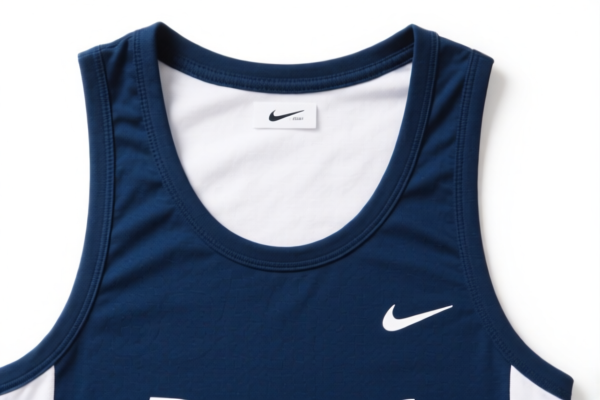
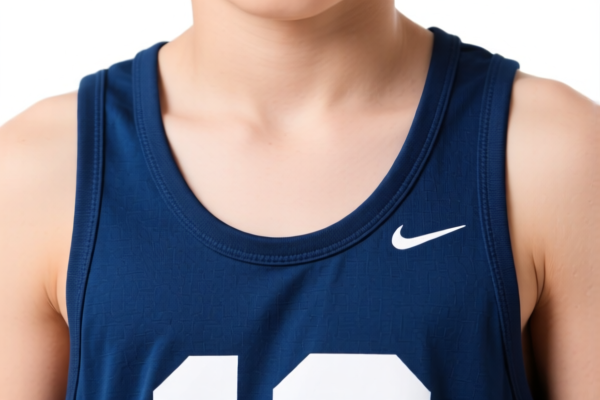
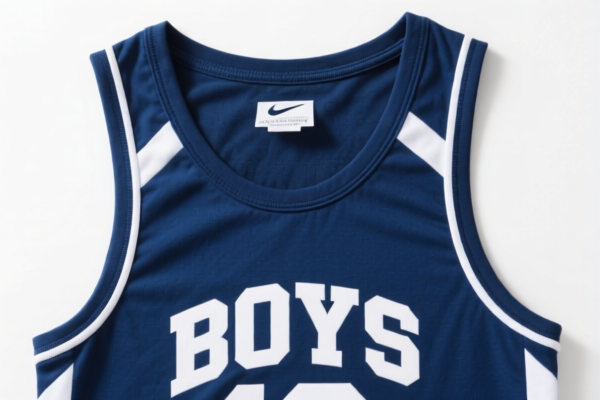
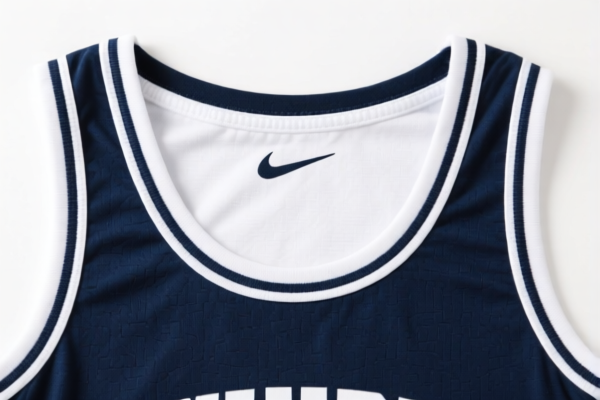
Boys Fitness Training Top
CN → US| HS编码 | 关税税率 | 原产国 | 目的国 | 文档 |
|---|---|---|---|---|
| 6109901009 | 49.5% | CN | US | 官方文档 |
| 6110202044 | 34.0% | CN | US | 官方文档 |
| 6203230080 | 0.0% | CN | US | 官方文档 |
| 6109100014 | 34.0% | CN | US | 官方文档 |
商品图片
AI分析
👕 Boys Fitness Training Top (Kids' Athletic Shirts)
🌐 HS Code Classification & Customs Clearance Guide | 2026 Tax Analysis for US Imports | Strategic Duty Optimization
📌 Part 1: Product Definition & Classification Logic: Why Does This Item Matter?
A "Boys Fitness Training Top" is a specialized garment designed for athletic activities, sweat management, and durability. In international trade, the classification depends heavily on three critical factors: 1. Material Composition: Is it Natural Fiber (Cotton) or Man-Made Fiber (Synthetic)? 2. Knitting Technique: Is it Knitted (flexible, stretchy) or Woven (structured)? 3. Specific Function: Is it a general T-shirt or a specialized performance training garment?
⚠️ Key Distinction Point:
- If the shirt is Knitted and made of Man-Made Fibers (e.g., Polyester/Nylon), it typically falls under Chapter 61 (Knitted/Crocheted).
- If the shirt is Knitted and made of Cotton, it also falls under Chapter 61 but with different subheadings.
- If the shirt is Woven (less common for fitness tops but possible for structured jerseys), it may fall under Chapter 62.
📦 Part 2: HS Code Classification Details (2026 Latest Tariff Schedule)
| HS Code | Product Description | Material Type | Knitting Type | Primary Use Case |
|---|---|---|---|---|
6109.90.10.09 |
Boys' Fitness Training Shirts | Man-Made Fibers | Knitted | Synthetic performance wear (Polyester/Nylon blends) |
6110.20.20.44 |
Boys' Fitness Training Shirts | Cotton or Blends | Knitted | Cotton-heavy athletic wear |
6203.23.00.80 |
Boys' Fitness Training Shirts | Synthetic Fibers | Woven | Structured athletic jerseys or woven training shirts |
6109.10.00.14 |
Boys' T-Shirts/Training Shirts | Cotton or Synthetics | Knitted | General purpose knitted T-shirts for boys |
🔍 Important Note:
- Chapter 61 (Knitted): Covers most standard athletic shirts due to their stretch and comfort.
- Chapter 62 (Woven): Less common for "training tops" unless the material is rigid or structured.
- Child-Specific: All codes listed are for Boys, which may affect duty rates compared to adult or unisex garments.
💰 Part 3: 2026 Latest Tariff Rate Breakdown (Including Surcharges & Policy Add-Ons)
✅ Applicable Country: United States (US)
✅ Origin: China (CN)
✅ Effective Date: Post-November 2025 Importations
🎯 1. 6109.90.10.09 – Knitted T-Shirts of Man-Made Fibers
| Item | Content |
|---|---|
| Base Duty Rate | 32.0% (Ad Valorem) |
| Section 301 Surcharge | +7.5% (Specific to this subheading) |
| Section 321 (De Minimis) Surcharge | +10% (Applicable to low-value shipments) |
| Total Effective Rate | 49.5% |
| Tax Calculation | CIF Value × 49.5% |
| De Minimis Exemption | ❌ Not Eligible for Section 301 surcharge if declared under this specific code for direct imports. |
| Legal Basis | USITC:6109.90.10.09 → Section 301: 7.5% → Section 321: 10% |
📌 Explanation:
- This is the most common code for synthetic polyester training tops.
- The 49.5% total rate is extremely high, significantly impacting profit margins.
- The 10% Section 321 surcharge applies because these items often enter under low-value consignment rules but are subject to additional scrutiny.
🎯 2. 6110.20.20.44 – Knitted Pullovers/Sweatshirts of Cotton
| Item | Content |
|---|---|
| Base Duty Rate | 16.5% (Ad Valorem) |
| Section 301 Surcharge | +7.5% |
| Section 321 (De Minimis) Surcharge | +10% |
| Total Effective Rate | 34.0% |
| Tax Calculation | CIF Value × 34.0% |
| De Minimis Exemption | ❌ Not Eligible for Section 301 surcharge. |
| Legal Basis | USITC:6110.20.20.44 → Section 301: 7.5% → Section 321: 10% |
📌 Note:
- If the shirt is Cotton-dominant (≥50%), it may qualify for this lower base rate.
- 34.0% is still high, but 15.5% lower than the synthetic counterpart (6109.90.10.09).
- Careful material composition declaration is key to claiming this rate.
🎯 3. 6203.23.00.80 – Woven Trousers/Shorts? (Note: Data Anomaly)
| Item | Content |
|---|---|
| Base Duty Rate | Rate applicable per garment if separate (varies) |
| Section 301 Surcharge | 0.0% |
| Section 321 (De Minimis) Surcharge | +10% |
| Total Effective Rate | Variable + 10% |
| Tax Calculation | Depends on specific garment breakdown |
| De Minimis Exemption | ❌ Not Eligible for Section 301 (0% base surcharge). |
| Legal Basis | USITC:6203.23.00.80 |
📌 Critical Warning:
- HS Code6203typically refers to Woven Trousers/Shorts for Boys, not shirts.
- If your product is a Training Shirt, classifying it as6203.23.00.80is likely INCORRECT and will lead to customs detention or penalties.
- Only use this code if you are importing Woven Shorts or Pants that are part of a "training ensemble." Do not misclassify shirts as pants.
🎯 4. 6109.10.00.14 – Knitted T-Shirts of Cotton
| Item | Content |
|---|---|
| Base Duty Rate | 16.5% (Ad Valorem) |
| Section 301 Surcharge | +7.5% |
| Section 321 (De Minimis) Surcharge | +10% |
| Total Effective Rate | 34.0% |
| Tax Calculation | CIF Value × 34.0% |
| De Minimis Exemption | ❌ Not Eligible for Section 301 surcharge. |
| Legal Basis | USITC:6109.10.00.14 → Section 301: 7.5% → Section 321: 10% |
📌 Note:
- This code is for Cotton T-Shirts.
- If your "Fitness Top" is made of 100% Cotton or Cotton-blend and is knitted, this is a valid alternative to6110.20.20.44.
- The rate is identical to6110.20.20.44(34.0%), so choose based on the exact garment style (T-shirt vs. Pullover/Sweatshirt).
🛠️ Part 4: Customs Clearance Practical Advice (Battle-Tested Pitfall Avoidance)
✅ 1. Documentation Checklist (Non-Negotiable)
| Document | Required? | Explanation |
|---|---|---|
| ✅ Product Specification Sheet | ✔️ | Must clearly state: Material %, Knitting Type (Knitted/Woven), Age Group (Boys), and Use (Fitness). |
| ✅ Material Composition Label | ✔️ | Photo of the care label inside the garment. Critical for determining Cotton vs. Synthetic. |
| ✅ Commercial Invoice | ✔️ | Must explicitly state "Boys' Fitness Training Top" and HS Code. Avoid vague terms like "Clothing." |
| ✅ Packing List | ✔️ | Detail quantities by size/color. Ensure no mixing of materials in one shipment without clear breakdown. |
| ✅ Country of Origin Certificate | ✔️ | Proves China origin, triggering Section 301. If from Vietnam/Mexico, rates may differ. |
✅ 2. Declaration Strategy (Key Mantras)
🔥 "Material Dictates Code, Knitting Defines Chapter, Honesty Saves Money!"
| Scenario | Correct HS Code | Wrong Approach | Consequence |
|---|---|---|---|
| Polyester/Nylon Training Shirt | 6109.90.10.09 |
Declare as Cotton | 49.5% vs 34% → Overpayment if Cotton; Penalty if False |
| Cotton Training Shirt | 6110.20.20.44 or 6109.10.00.14 |
Declare as Synthetic | 34.0% vs 49.5% → Underpayment Risk if Poly; High Duty if Poly |
| Woven Shorts/Pants | 6203.23.00.80 |
Declare as Shirt | Customs Detention for Misclassification |
| Mixed Material Blends | Check dominant fiber | Ignore blend % | Audits & Back-Taxes |
✅ 3. Special Handling Tips
| Situation | Recommendation |
|---|---|
| Cotton vs. Synthetic Ambiguity | Conduct a laboratory fiber test if the blend is close to 50%. Clear documentation prevents disputes. |
| "Training Top" vs. "T-Shirt" | Use "Fitness Training Top" if it has moisture-wicking properties. Generic "T-Shirt" may attract different scrutiny. |
| De Minimis (Section 321) Shipments | Be aware that Section 301 duties (7.5%) still apply even if under $800. The 10% surcharge is also triggered. Do not rely on de minimis for tax avoidance. |
| Ensemble Imports (Shirt + Pants) | If importing a set, declare each item separately if possible to apply correct individual rates. Do not force-fit a shirt into 6203 (pants code). |
🌍 Part 5: Global Market Comparison (2026)
| Country/Region | Recommended HS Code | Estimated Duty (China Origin) | Key Certification |
|---|---|---|---|
| 🇺🇸 USA | 6109.90.10.09 / 6110.20.20.44 |
34.0% – 49.5% | CPSIA (Children's Product Safety) |
| 🇨🇳 China | 6109.10.00.14 / 6109.90.10.09 |
5% – 10% | CCC (if applicable) |
| 🇪🇺 EU | 6109.10.00 / 6109.90.00 |
12% | REACH, CE (if labeled as PPE) |
| 🇨🇦 Canada | 6109.10.00 / 6109.90.00 |
17.5% | Canada Consumer Product Safety Act |
📌 Conclusion:
- The US market is the most expensive due to Section 301 and Section 321 surcharges.
- EU and Canada do not have the same aggressive Section 301-style tariffs, making them more attractive if diversification is possible.
- Children's clothing in the US requires CPSIA compliance (lead content, phthalates). Failure to comply results in seizure, regardless of HS Code accuracy.
📌 Part 6: Common Mistakes & Pitfalls (Lessons Learned)
❌ Mistake 1: Classifying a Synthetic Training Top as 6110.20.20.44 (Cotton)
👉 Result: Under-declaration of value/duty. Customs will assess the correct rate (49.5%) + penalties.
❌ Mistake 2: Using 6203.23.00.80 (Woven Pants) for a Training Shirt
👉 Result: Misclassification. Customs will reject the entry, causing delays and storage fees.
❌ Mistake 3: Ignoring Section 321 (De Minimis) Surcharges
👉 Result: Assuming $800 threshold eliminates all taxes. False. Section 301 duties still apply.
❌ Mistake 4: Vague Product Description ("Boys' Shirt")
👉 Result: Customs may assign a default higher rate or request additional documentation, delaying release.
✅ Correct Approach:
"Boys' Knitted Fitness Training T-Shirt, 100% Polyester, Moisture-Wicking, Model XYZ, CPSIA Compliant, HS Code: 6109.90.10.09"
🎯 Part 7: Conclusion: Precision is Profit
🎯 Key Takeaways:
🔹 "Synthetic = 49.5% | Cotton = 34.0%" – Material choice is your biggest lever for cost reduction.
🔹 "No De Minimis Tax Shield for China" – All Section 301 and Section 321 surcharges apply.
🔹 "Children's Products Need CPSIA" – Safety compliance is non-negotiable in the US.
📌 Pro Tip:
If you can switch from 100% Polyester to 50% Cotton/50% Polyester or 100% Cotton, you can save 15.5% on duties. Negotiate with manufacturers to adjust material blends where performance allows.
📣 Immediate Action Plan:
📞 Verify Material Composition with your supplier.
📝 Confirm HS Code with a licensed customs broker.
📄 Ensure CPSIA Documentation is ready for US entry.
🚀 Optimize your supply chain to absorb or mitigate the 34-49% duty burden.
✨ Customs Clearance Starts with Accurate Classification!
💼 Every Percentage Point Saved is Pure Profit!
用户评价
关于 HS 编码归类
协调制度(HS)是由世界海关组织(WCO)制定的国际贸易商品分类标准。全球 200 多个国家采用 HS 系统作为海关关税、贸易统计和进出口监管的基础。
每个 HS 编码遵循以下层级结构:
- 章(2 位)——商品大类(例如:第 84 章:机器和机械设备)
- 品目(4 位)——章内的更具体分类
- 子目(6 位)——国际通用细分,所有 WCO 成员国统一使用
- 本国细分(8-10 位)——各国自行扩展的细分编码,如美国 HTSUS 10 位编码
正确的 HS 编码归类对于顺利通关、准确缴纳关税和遵守贸易法规至关重要。错误归类可能导致海关延误、多缴关税或罚款。
从CN进口到US时,适用的关税税率可能包括:
- 最惠国(MFN)税率——适用于 WTO 成员国的标准关税税率
- 普通税率——适用于无贸易协定国家
- 贸易救济关税——附加关税,如 301 条款(反倾销)、232 条款(国家安全)或反补贴税
本页内容仅供参考。如需正式归类,请咨询当地海关或持牌报关代理。