Boys Fitness Training Top
CN → US| HS Code | Tariff Rate | Origin | Destination | Doc |
|---|---|---|---|---|
| 6109901009 | 49.5% | CN | US | Official Doc |
| 6110202044 | 34.0% | CN | US | Official Doc |
| 6203230080 | 0.0% | CN | US | Official Doc |
| 6109100014 | 34.0% | CN | US | Official Doc |
Product Images
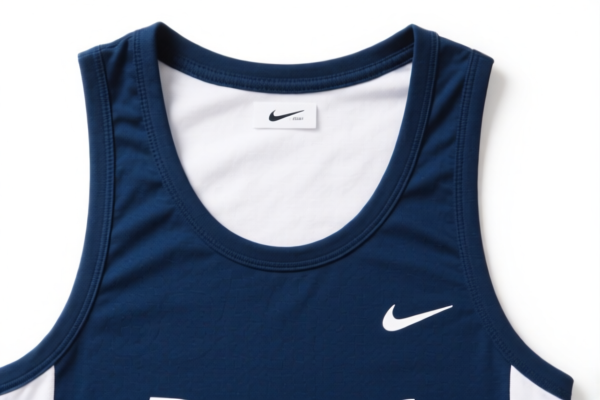
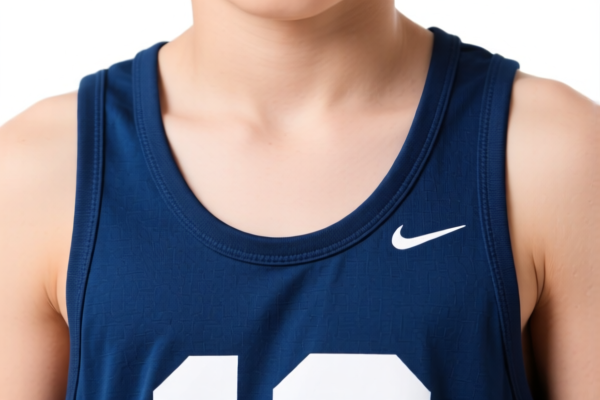
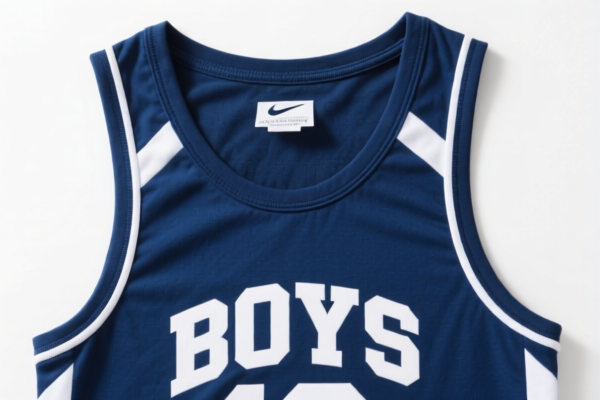
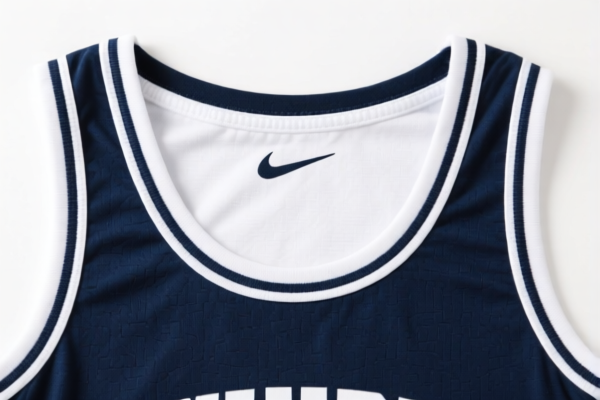
AI Analysis
👕 Boys Fitness Training Top (Kids' Athletic Shirts)
🌐 HS Code Classification & Customs Clearance Guide | 2026 Tax Analysis for US Imports | Strategic Duty Optimization
📌 Part 1: Product Definition & Classification Logic: Why Does This Item Matter?
A "Boys Fitness Training Top" is a specialized garment designed for athletic activities, sweat management, and durability. In international trade, the classification depends heavily on three critical factors: 1. Material Composition: Is it Natural Fiber (Cotton) or Man-Made Fiber (Synthetic)? 2. Knitting Technique: Is it Knitted (flexible, stretchy) or Woven (structured)? 3. Specific Function: Is it a general T-shirt or a specialized performance training garment?
⚠️ Key Distinction Point:
- If the shirt is Knitted and made of Man-Made Fibers (e.g., Polyester/Nylon), it typically falls under Chapter 61 (Knitted/Crocheted).
- If the shirt is Knitted and made of Cotton, it also falls under Chapter 61 but with different subheadings.
- If the shirt is Woven (less common for fitness tops but possible for structured jerseys), it may fall under Chapter 62.
📦 Part 2: HS Code Classification Details (2026 Latest Tariff Schedule)
| HS Code | Product Description | Material Type | Knitting Type | Primary Use Case |
|---|---|---|---|---|
6109.90.10.09 |
Boys' Fitness Training Shirts | Man-Made Fibers | Knitted | Synthetic performance wear (Polyester/Nylon blends) |
6110.20.20.44 |
Boys' Fitness Training Shirts | Cotton or Blends | Knitted | Cotton-heavy athletic wear |
6203.23.00.80 |
Boys' Fitness Training Shirts | Synthetic Fibers | Woven | Structured athletic jerseys or woven training shirts |
6109.10.00.14 |
Boys' T-Shirts/Training Shirts | Cotton or Synthetics | Knitted | General purpose knitted T-shirts for boys |
🔍 Important Note:
- Chapter 61 (Knitted): Covers most standard athletic shirts due to their stretch and comfort.
- Chapter 62 (Woven): Less common for "training tops" unless the material is rigid or structured.
- Child-Specific: All codes listed are for Boys, which may affect duty rates compared to adult or unisex garments.
💰 Part 3: 2026 Latest Tariff Rate Breakdown (Including Surcharges & Policy Add-Ons)
✅ Applicable Country: United States (US)
✅ Origin: China (CN)
✅ Effective Date: Post-November 2025 Importations
🎯 1. 6109.90.10.09 – Knitted T-Shirts of Man-Made Fibers
| Item | Content |
|---|---|
| Base Duty Rate | 32.0% (Ad Valorem) |
| Section 301 Surcharge | +7.5% (Specific to this subheading) |
| Section 321 (De Minimis) Surcharge | +10% (Applicable to low-value shipments) |
| Total Effective Rate | 49.5% |
| Tax Calculation | CIF Value × 49.5% |
| De Minimis Exemption | ❌ Not Eligible for Section 301 surcharge if declared under this specific code for direct imports. |
| Legal Basis | USITC:6109.90.10.09 → Section 301: 7.5% → Section 321: 10% |
📌 Explanation:
- This is the most common code for synthetic polyester training tops.
- The 49.5% total rate is extremely high, significantly impacting profit margins.
- The 10% Section 321 surcharge applies because these items often enter under low-value consignment rules but are subject to additional scrutiny.
🎯 2. 6110.20.20.44 – Knitted Pullovers/Sweatshirts of Cotton
| Item | Content |
|---|---|
| Base Duty Rate | 16.5% (Ad Valorem) |
| Section 301 Surcharge | +7.5% |
| Section 321 (De Minimis) Surcharge | +10% |
| Total Effective Rate | 34.0% |
| Tax Calculation | CIF Value × 34.0% |
| De Minimis Exemption | ❌ Not Eligible for Section 301 surcharge. |
| Legal Basis | USITC:6110.20.20.44 → Section 301: 7.5% → Section 321: 10% |
📌 Note:
- If the shirt is Cotton-dominant (≥50%), it may qualify for this lower base rate.
- 34.0% is still high, but 15.5% lower than the synthetic counterpart (6109.90.10.09).
- Careful material composition declaration is key to claiming this rate.
🎯 3. 6203.23.00.80 – Woven Trousers/Shorts? (Note: Data Anomaly)
| Item | Content |
|---|---|
| Base Duty Rate | Rate applicable per garment if separate (varies) |
| Section 301 Surcharge | 0.0% |
| Section 321 (De Minimis) Surcharge | +10% |
| Total Effective Rate | Variable + 10% |
| Tax Calculation | Depends on specific garment breakdown |
| De Minimis Exemption | ❌ Not Eligible for Section 301 (0% base surcharge). |
| Legal Basis | USITC:6203.23.00.80 |
📌 Critical Warning:
- HS Code6203typically refers to Woven Trousers/Shorts for Boys, not shirts.
- If your product is a Training Shirt, classifying it as6203.23.00.80is likely INCORRECT and will lead to customs detention or penalties.
- Only use this code if you are importing Woven Shorts or Pants that are part of a "training ensemble." Do not misclassify shirts as pants.
🎯 4. 6109.10.00.14 – Knitted T-Shirts of Cotton
| Item | Content |
|---|---|
| Base Duty Rate | 16.5% (Ad Valorem) |
| Section 301 Surcharge | +7.5% |
| Section 321 (De Minimis) Surcharge | +10% |
| Total Effective Rate | 34.0% |
| Tax Calculation | CIF Value × 34.0% |
| De Minimis Exemption | ❌ Not Eligible for Section 301 surcharge. |
| Legal Basis | USITC:6109.10.00.14 → Section 301: 7.5% → Section 321: 10% |
📌 Note:
- This code is for Cotton T-Shirts.
- If your "Fitness Top" is made of 100% Cotton or Cotton-blend and is knitted, this is a valid alternative to6110.20.20.44.
- The rate is identical to6110.20.20.44(34.0%), so choose based on the exact garment style (T-shirt vs. Pullover/Sweatshirt).
🛠️ Part 4: Customs Clearance Practical Advice (Battle-Tested Pitfall Avoidance)
✅ 1. Documentation Checklist (Non-Negotiable)
| Document | Required? | Explanation |
|---|---|---|
| ✅ Product Specification Sheet | ✔️ | Must clearly state: Material %, Knitting Type (Knitted/Woven), Age Group (Boys), and Use (Fitness). |
| ✅ Material Composition Label | ✔️ | Photo of the care label inside the garment. Critical for determining Cotton vs. Synthetic. |
| ✅ Commercial Invoice | ✔️ | Must explicitly state "Boys' Fitness Training Top" and HS Code. Avoid vague terms like "Clothing." |
| ✅ Packing List | ✔️ | Detail quantities by size/color. Ensure no mixing of materials in one shipment without clear breakdown. |
| ✅ Country of Origin Certificate | ✔️ | Proves China origin, triggering Section 301. If from Vietnam/Mexico, rates may differ. |
✅ 2. Declaration Strategy (Key Mantras)
🔥 "Material Dictates Code, Knitting Defines Chapter, Honesty Saves Money!"
| Scenario | Correct HS Code | Wrong Approach | Consequence |
|---|---|---|---|
| Polyester/Nylon Training Shirt | 6109.90.10.09 |
Declare as Cotton | 49.5% vs 34% → Overpayment if Cotton; Penalty if False |
| Cotton Training Shirt | 6110.20.20.44 or 6109.10.00.14 |
Declare as Synthetic | 34.0% vs 49.5% → Underpayment Risk if Poly; High Duty if Poly |
| Woven Shorts/Pants | 6203.23.00.80 |
Declare as Shirt | Customs Detention for Misclassification |
| Mixed Material Blends | Check dominant fiber | Ignore blend % | Audits & Back-Taxes |
✅ 3. Special Handling Tips
| Situation | Recommendation |
|---|---|
| Cotton vs. Synthetic Ambiguity | Conduct a laboratory fiber test if the blend is close to 50%. Clear documentation prevents disputes. |
| "Training Top" vs. "T-Shirt" | Use "Fitness Training Top" if it has moisture-wicking properties. Generic "T-Shirt" may attract different scrutiny. |
| De Minimis (Section 321) Shipments | Be aware that Section 301 duties (7.5%) still apply even if under $800. The 10% surcharge is also triggered. Do not rely on de minimis for tax avoidance. |
| Ensemble Imports (Shirt + Pants) | If importing a set, declare each item separately if possible to apply correct individual rates. Do not force-fit a shirt into 6203 (pants code). |
🌍 Part 5: Global Market Comparison (2026)
| Country/Region | Recommended HS Code | Estimated Duty (China Origin) | Key Certification |
|---|---|---|---|
| 🇺🇸 USA | 6109.90.10.09 / 6110.20.20.44 |
34.0% – 49.5% | CPSIA (Children's Product Safety) |
| 🇨🇳 China | 6109.10.00.14 / 6109.90.10.09 |
5% – 10% | CCC (if applicable) |
| 🇪🇺 EU | 6109.10.00 / 6109.90.00 |
12% | REACH, CE (if labeled as PPE) |
| 🇨🇦 Canada | 6109.10.00 / 6109.90.00 |
17.5% | Canada Consumer Product Safety Act |
📌 Conclusion:
- The US market is the most expensive due to Section 301 and Section 321 surcharges.
- EU and Canada do not have the same aggressive Section 301-style tariffs, making them more attractive if diversification is possible.
- Children's clothing in the US requires CPSIA compliance (lead content, phthalates). Failure to comply results in seizure, regardless of HS Code accuracy.
📌 Part 6: Common Mistakes & Pitfalls (Lessons Learned)
❌ Mistake 1: Classifying a Synthetic Training Top as 6110.20.20.44 (Cotton)
👉 Result: Under-declaration of value/duty. Customs will assess the correct rate (49.5%) + penalties.
❌ Mistake 2: Using 6203.23.00.80 (Woven Pants) for a Training Shirt
👉 Result: Misclassification. Customs will reject the entry, causing delays and storage fees.
❌ Mistake 3: Ignoring Section 321 (De Minimis) Surcharges
👉 Result: Assuming $800 threshold eliminates all taxes. False. Section 301 duties still apply.
❌ Mistake 4: Vague Product Description ("Boys' Shirt")
👉 Result: Customs may assign a default higher rate or request additional documentation, delaying release.
✅ Correct Approach:
"Boys' Knitted Fitness Training T-Shirt, 100% Polyester, Moisture-Wicking, Model XYZ, CPSIA Compliant, HS Code: 6109.90.10.09"
🎯 Part 7: Conclusion: Precision is Profit
🎯 Key Takeaways:
🔹 "Synthetic = 49.5% | Cotton = 34.0%" – Material choice is your biggest lever for cost reduction.
🔹 "No De Minimis Tax Shield for China" – All Section 301 and Section 321 surcharges apply.
🔹 "Children's Products Need CPSIA" – Safety compliance is non-negotiable in the US.
📌 Pro Tip:
If you can switch from 100% Polyester to 50% Cotton/50% Polyester or 100% Cotton, you can save 15.5% on duties. Negotiate with manufacturers to adjust material blends where performance allows.
📣 Immediate Action Plan:
📞 Verify Material Composition with your supplier.
📝 Confirm HS Code with a licensed customs broker.
📄 Ensure CPSIA Documentation is ready for US entry.
🚀 Optimize your supply chain to absorb or mitigate the 34-49% duty burden.
✨ Customs Clearance Starts with Accurate Classification!
💼 Every Percentage Point Saved is Pure Profit!
Customer Reviews
About HS Code Classification
The Harmonized System (HS) is an internationally standardized nomenclature developed by the World Customs Organization (WCO) to classify traded products. Over 200 countries use the HS system as the basis for customs tariffs, trade statistics, and import/export regulations.
Each HS code follows a hierarchical structure:
- Chapter (2 digits) — Broad category of goods (e.g., Chapter 84: Machinery and Mechanical Appliances)
- Heading (4 digits) — More specific grouping within the chapter
- Subheading (6 digits) — Internationally standardized breakdown, used by all WCO member countries
- National subdivisions (8-10 digits) — Country-specific extensions for further classification, such as US HTSUS 10-digit codes
Correct HS code classification is essential for smooth customs clearance, accurate duty payment, and compliance with trade regulations. Misclassification can lead to customs delays, overpayment of duties, or penalties.
When importing from CN to US, the applicable tariff rates may include:
- Most-Favored-Nation (MFN) rate — The standard duty rate applied to WTO members
- General rate — Applied to countries without trade agreements
- Trade remedy duties — Additional tariffs such as Section 301 (anti-dumping), Section 232 (national security), or countervailing duties
The information provided on this page is for reference purposes only. For official classification, please consult with your local customs authority or a licensed customs broker.