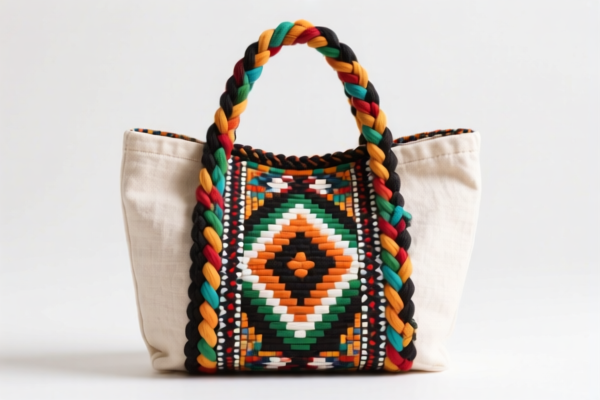
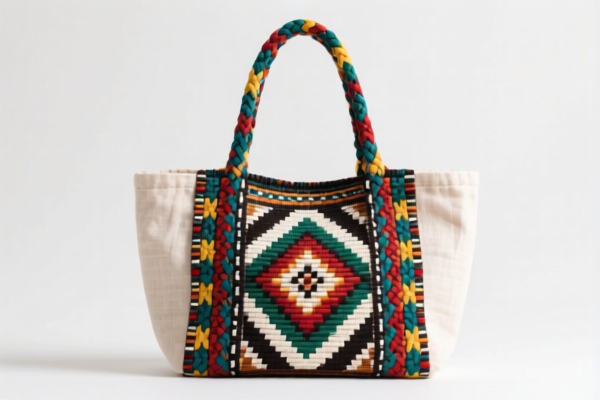
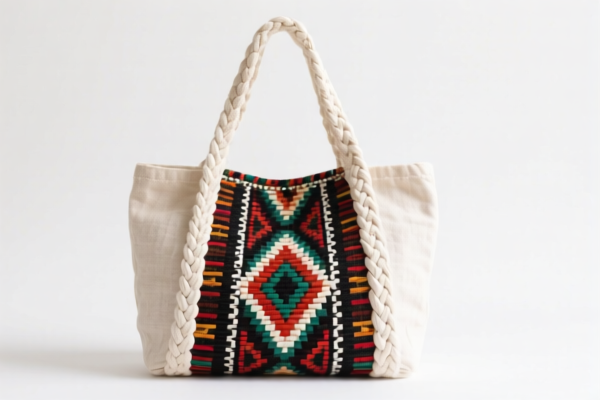
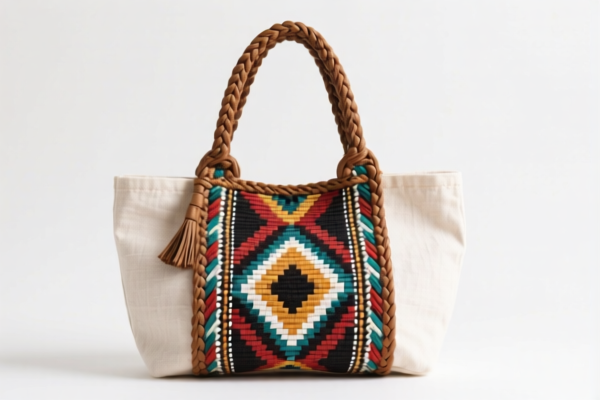
Braided Ethnic Style Handbag
CN → US| HS编码 | 关税税率 | 原产国 | 目的国 | 文档 |
|---|---|---|---|---|
| 4602112100 | 41.2% | CN | US | 官方文档 |
| 4202224020 | 42.4% | CN | US | 官方文档 |
| 4202228980 | 52.6% | CN | US | 官方文档 |
| 4602192920 | 40.3% | CN | US | 官方文档 |
商品图片
AI分析
👜 Braided Ethnic Style Handbag (Handbags of woven materials)
🌐 HS Code Reference & Customs Clearance Guide | 2026 Latest Tariff Analysis | Professional Clearance Strategy
📌 I. Product Definition and Classification: Do You Really Understand "Braided Bags"?
The Braided Ethnic Style Handbag is a popular accessory characterized by its natural, rustic aesthetic and intricate weaving techniques. In international trade, "handbag" is not a single harmonized code but a broad category that splits sharply based on material composition. The key to accurate classification lies in distinguishing between plant materials (bamboo, rattan, straw) and textile/synthetic weaving materials.
1. Plant-Based Weaving (Bamboo, Rattan, etc.):
Governed by Chapter 46 (Articles of bamboo, cork, or of materials made from plaiting materials). These are classified under heading 4602.
2. Textile or Other Woven Materials:
Governed by Chapter 42 (Articles of leather; saddlery and harness). These are classified under heading 4202, specifically subheading 4202.22 (Handbags with outer surface of textile materials) or 4202.21 (if leather/fur).
⚠️ Key Distinction Point:
- If the bag is made primarily of bamboo, rattan, straw, or other plaiting materials → Go to Chapter 46 (HS 4602.xxxx).
- If the bag is made of woven fabric, straw hat material, or other textile strips that do not qualify as "plaiting materials" in the Chapter 46 sense → Go to Chapter 42 (HS 4202.xxxx).
- Note: Many "ethnic style" bags use synthetic fibers woven to look like natural materials. If they are classified as textile articles, they fall under 4202.
📦 II. HS Code Classification Details (2026 Latest Tariff Authority Comparison)
Based on the provided data, here are the specific HS Codes and their tax implications for US imports from China:
| HS Code | Product Description | Material Specification | Classification Chapter |
|---|---|---|---|
4602.11.21.00 |
Woven handbag | Bamboo, rattan, or similar plant materials | Chapter 46 (Articles of Plaiting Materials) |
4602.19.29.20 |
Woven handbag | Other plant materials (e.g., reed, seagrass not specifically listed in 4602.11) | Chapter 46 (Articles of Plaiting Materials) |
4202.22.40.20 |
Woven handbag | Woven materials (Generic textile weaving, not specific plant plaiting) | Chapter 42 (Articles of Leather; Handbags) |
4202.22.89.80 |
Woven handbag | Textile materials (Other textile handbags) | Chapter 42 (Articles of Leather; Handbags) |
🔍 Important Reminder:
- Chapter 46 vs. Chapter 42: This is the most common classification error.
-4602items are "articles of plaiting materials" (e.g., sturdy bamboo baskets converted into bags).
-4202items are "handbags of textile materials" (e.g., fabric straps, woven polyester, straw hats used as bags).
- Customs Risk: Misclassifying a bamboo bag as a textile bag (4202) or vice versa can lead to severe penalties, as the base tariffs differ significantly (e.g., 6.2% vs. 7.4% or 17.6%).
💰 III. 2026 Latest Tariff Rate Breakdown (Including Surtaxes and Policy Add-ons)
✅ Applicable Country: United States (US)
✅ Origin: China (CN)
✅ Effective Date: Current tariff structure including Section 301 and Section 122 surcharges.
🎯 1. 4602.11.21.00 —— Woven Handbag (Bamboo/Rattan)
| Item | Content |
|---|---|
| Base Duty Rate | 6.2% |
| Section 301 Surcharge | +25.0% |
| Section 122 Surcharge | +10.0% |
| Total Effective Rate | 41.2% |
| Tax Calculation | CIF Value × 41.2% |
| De Minimis Exemption | ❌ Not Eligible (High duty rates disqualify from 80/90/1000 provisions depending on current policy) |
| Legal Basis Path | HTSUS:4602.11.21.00 → Section 301: Footnote 9903.88.03 → Section 122: 19 U.S.C. 1628 |
📌 Explanation:
- Base 6.2%: Standard Most Favored Nation (MFN) rate for plant-based plaiting articles.
- +25% Section 301: Retaliatory tariffs on Chinese goods under Trade Act Section 301.
- +10% Section 122: Emergency tariffs on certain textiles/apparel/plaiting goods (if applicable under current enforcement).
- Total 41.2%: This is a high-cost entry. Proper classification is critical to ensure you aren’t paying the higher textile rates by mistake.
🎯 2. 4202.22.40.20 —— Woven Handbag (Woven Materials)
| Item | Content |
|---|---|
| Base Duty Rate | 7.4% |
| Section 301 Surcharge | +25.0% |
| Section 122 Surcharge | +10.0% |
| Total Effective Rate | 42.4% |
| Tax Calculation | CIF Value × 42.4% |
| De Minimis Exemption | ❌ Not Eligible |
| Legal Basis Path | HTSUS:4202.22.40.20 → Section 301: Footnote 9903.88.03 → Section 122: 19 U.S.C. 1628 |
📌 Note:
- Slightly higher base rate (7.4% vs. 6.2%) compared to bamboo goods.
- Applies to bags made from woven fabrics or non-specific plaiting materials.
🎯 3. 4202.22.89.80 —— Woven Handbag (Textile Materials)
| Item | Content |
|---|---|
| Base Duty Rate | 17.6% |
| Section 301 Surcharge | +25.0% |
| Section 122 Surcharge | +10.0% |
| Total Effective Rate | 52.6% |
| Tax Calculation | CIF Value × 52.6% |
| De Minimis Exemption | ❌ Not Eligible |
| Legal Basis Path | HTSUS:4202.22.89.80 → Section 301: Footnote 9903.88.03 → Section 122: 19 U.S.C. 1628 |
📌 Critical Warning:
- This is the MOST expensive classification in the dataset.
- If your "braided ethnic bag" is actually made of textile strips or synthetic woven fabric rather than rigid plant materials, you will hit this 52.6% rate.
- Risk: Many importers assume all "straw" or "woven" bags are cheap Chapter 46 items, but if they are classified as textile articles, the base duty jumps from ~6% to 17.6%, adding an extra 11.2% to the total burden.
🎯 4. 4602.19.29.20 —— Woven Handbag (Other Plant Materials)
| Item | Content |
|---|---|
| Base Duty Rate | 5.3% |
| Section 301 Surcharge | +25.0% |
| Section 122 Surcharge | +10.0% |
| Total Effective Rate | 40.3% |
| Tax Calculation | CIF Value × 40.3% |
| De Minimis Exemption | ❌ Not Eligible |
| Legal Basis Path | HTSUS:4602.19.29.20 → Section 301: Footnote 9903.88.03 → Section 122: 19 U.S.C. 1628 |
📌 Explanation:
- This code is for other plant materials not specifically listed under 4602.11 (like bamboo/rattan).
- It offers the lowest total duty rate (40.3%) among all options.
- Strategy: If your bag is made of reed, seagrass, or other natural plant fibers, ensure it is classified here rather than under Chapter 42 to save 2.3% - 12.3% in duties.
🛠️ IV. Customs Clearance Practical Advice (Real-World Pitfall Guide)
✅ 1. Required Documentation Checklist (Non-negotiable)
| Document | Must Provide | Description |
|---|---|---|
| ✅ Product Specification Sheet | ✔️ | Detailed list of materials (e.g., "100% Natural Bamboo," "Polyester Woven Strap"). |
| ✅ Material Composition Certificate | ✔️ | Third-party lab report confirming % of plant vs. synthetic materials. |
| ✅ Product Photos (Clear) | ✔️ | Show texture, weave pattern, lining, and hardware. Distinguish between rigid plant stems and soft fabric strips. |
| ✅ Commercial Invoice | ✔️ | Must specify "Handbag" and material type clearly (e.g., "Bamboo Woven Handbag," not just "Bag"). |
| ✅ Packing List | ✔️ | Ensure quantities match invoice. |
| ✅ Supply Chain Proof | ✔️ | Bills of Lading, Purchase Orders to prove origin is China (triggering Section 301/122). |
✅ 2. Declaration Tips (Key Mantra)
🔥 "Material Defines Code, Code Defines Duty, Misclassification is Costly!"
| Situation | Correct Declaration | Wrong Approach |
|---|---|---|
| Bag made of Bamboo/Rattan | 4602.11.21.00 (6.2% base) |
Misdeclare as 4202.22.89.80 → 17.6% base (+11.4% extra tax!) |
| Bag made of Reeds/Straw (Non-Bamboo) | 4602.19.29.20 (5.3% base) |
Misdeclare as 4202.22.40.20 → 7.4% base (+2.1% extra tax) |
| Bag made of Fabric/Woven Textile | 4202.22.40.20 or 4202.22.89.80 |
Misdeclare as 4602... → Customs will reject/penalize for false classification |
| Mixed Materials (e.g., Leather Handle + Bamboo Body) | Classify by Essential Character (Usually Bamboo → 4602) |
Split declaration → Complex valuation, high risk of audit |
✅ 3. Special Scenarios Handling
| Scenario | Handling Advice |
|---|---|
| "Ethnic Style" with Synthetic Fibers | If the "straw" is actually polyester/nylon, it MUST be 4202. Do not attempt to classify as plant material (4602). |
| Bamboo Bag with Fabric Lining | The lining is incidental. The bag is still classified under 4602 based on the bamboo exterior. |
| Bamboo Bag with Leather Straps | If the leather straps are merely for handling and the body is plant-based, it remains 4602. If the body is leather, it moves to 4202.21. |
| Customs Audit Trigger | If the HS Code changes, ensure the commercial invoice reflects the change in material description to match the HTSUS. |
🌍 V. Global Market Clearance Comparison (2026 Latest)
| Country/Region | Recommended HS Code | Base Tariff | Additional Surcharges | Total Est. Rate | Notes |
|---|---|---|---|---|---|
| 🇺🇸 USA | 4602.11.21.00 / 4202.22.89.80 |
6.2% - 17.6% | +35% (301 + 122) | 41.2% - 52.6% | Highest burden in the list. |
| 🇨🇳 China (Import) | 4602.11.00 / 4202.22 |
5% - 10% | None | 5% - 10% | Preferential if from ASEAN/RCEP. |
| 🇪🇺 EU | 4602.11 / 4202.22 |
0% - 6% | None | 0% - 6% | No Section 301/122 equivalents. |
| 🇦🇺 Australia | 4602.11 / 4202.22 |
5% | None | 5% | Generally low duties. |
| 🇯🇵 Japan | 4602.11 / 4202.22 |
0% - 8% | None | 0% - 8% | CPTPP benefits may apply. |
📌 Conclusion:
- The USA market is uniquely punitive for Chinese-made braided bags due to the 35% combined surcharge (25% 301 + 10% 122).
- Chapter 46 (Plant Materials) is slightly more favorable than Chapter 42 (Textiles) due to lower base rates.
- European, Australian, and Japanese markets offer significantly better margin protection for these goods.
📌 VI. Common Errors & Pitfall Guide (Lessons Learned)
❌ Error 1: Calling all woven bags "Straw Bags" and classifying them all under 4602.
👉 Consequence: If the bag is synthetic textile, customs will reclassify to 4202.22.89.80, charging 52.6% instead of 41.2%. Result: Sudden 11.4% cost hike.
❌ Error 2: Ignoring the Section 122 tariff.
👉 Consequence: Some braided/plaiting goods are subject to Section 122 (emergency tariffs). Failing to include the +10% leads to underpayment, penalties, and delayed release.
❌ Error 3: Vague Description ("Ethnic Bag").
👉 Consequence: Customs cannot determine if it is plant or textile. They may apply the highest default duty or hold the shipment for inspection.
✅ Correct Description: "Women's Handbag, Woven Bamboo Exterior, Fabric Lining, Cotton Handle, Ethnic Style."
❌ Error 4: Assuming "De Minimis" applies.
👉 Consequence: Due to high duties (>10% base + surcharges), these goods are excluded from low-value exemptions (Section 321). No de minimis for these!
🎯 VII. Conclusion: Professional Declaration Saves Money!
🎯 Remember the Mantra:
🔹 "Plant vs. Textile: Know your material!
🔹 Chapter 46 (Bamboo/Straw): ~41% Total Duty.
🔹 Chapter 42 (Textile): ~52.6% Total Duty.
🔹 Section 301 + 122 = 35% Surcharge on ALL.
🔹 Misclassification = Costly Mistake!"
📌 Pro Tip:
- For USA imports, if you can prove the material is 100% natural plant (Bamboo/Rattan/Reed), prioritize 4602.19.29.20 (40.3% total) or 4602.11.21.00 (41.2% total).
- Avoid 4202.22.89.80 (52.6%) by ensuring your "woven" bags are genuinely textile and not just mislabeled plant products.
- Request Pre-Consultation with CBP if your material composition is mixed (e.g., bamboo + leather handles) to secure the lower Chapter 46 classification.
📣 Immediate Action:
📞 Contact your Customs Broker with high-res photos and material specs.
📄 Apply for a Binding Ruling if this is a high-volume SKU.
🚀 Optimize your supply chain to absorb the 35% surcharge by choosing the correct, lower-duty HS Code.
✨ Professional Clearance Starts with Accurate Classification!
💼 Every Percentage Point Matters in High-Tariff Markets!
用户评价
关于 HS 编码归类
协调制度(HS)是由世界海关组织(WCO)制定的国际贸易商品分类标准。全球 200 多个国家采用 HS 系统作为海关关税、贸易统计和进出口监管的基础。
每个 HS 编码遵循以下层级结构:
- 章(2 位)——商品大类(例如:第 84 章:机器和机械设备)
- 品目(4 位)——章内的更具体分类
- 子目(6 位)——国际通用细分,所有 WCO 成员国统一使用
- 本国细分(8-10 位)——各国自行扩展的细分编码,如美国 HTSUS 10 位编码
正确的 HS 编码归类对于顺利通关、准确缴纳关税和遵守贸易法规至关重要。错误归类可能导致海关延误、多缴关税或罚款。
从CN进口到US时,适用的关税税率可能包括:
- 最惠国(MFN)税率——适用于 WTO 成员国的标准关税税率
- 普通税率——适用于无贸易协定国家
- 贸易救济关税——附加关税,如 301 条款(反倾销)、232 条款(国家安全)或反补贴税
本页内容仅供参考。如需正式归类,请咨询当地海关或持牌报关代理。