Braided Handbag (Minimalist Style)
CN → US| HS编码 | 关税税率 | 原产国 | 目的国 | 文档 |
|---|---|---|---|---|
| 3926903300 | 16.5% | CN | US | 官方文档 |
| 4202223500 | 43.4% | CN | US | 官方文档 |
| 4602192920 | 40.3% | CN | US | 官方文档 |
| 4602192940 | 40.3% | CN | US | 官方文档 |
| 4202224020 | 42.4% | CN | US | 官方文档 |
商品图片
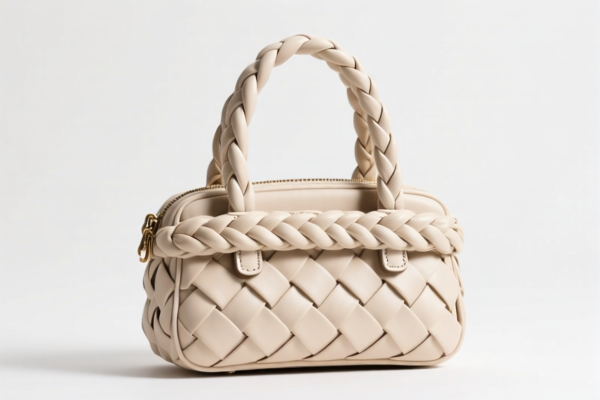
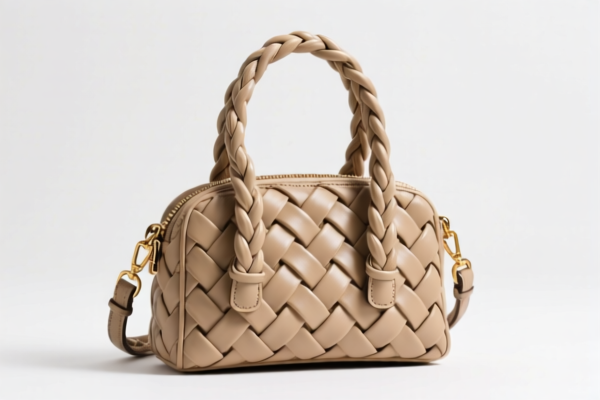
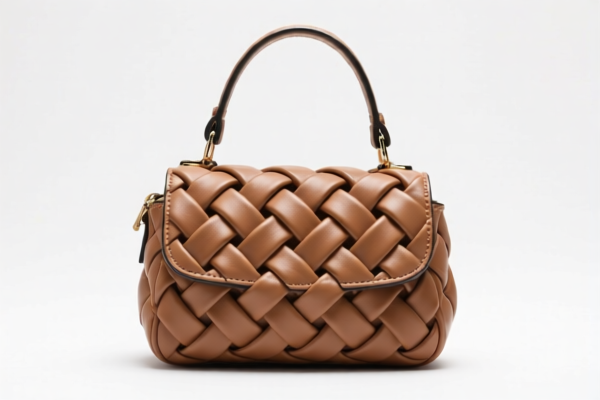
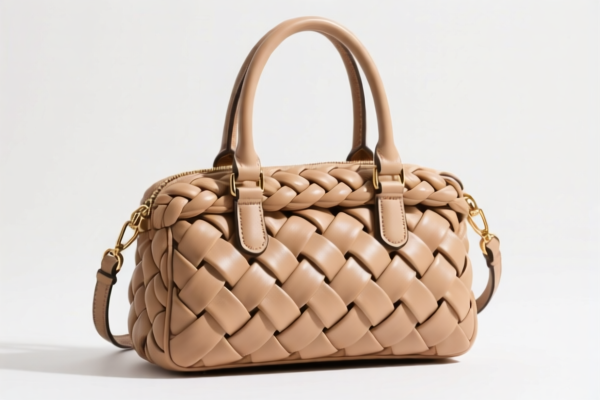
AI分析
🧳 Braided Handbag (Minimalist Style)
🌐 HS Code Reference & Customs Clearance Guide | 2026 Latest Tariff Analysis | Professional Strategy
📌 I. Product Definition & Classification: Is It Plastic or Plant-Based?
A "Braided Handbag" is a versatile accessory, but its tariff classification depends entirely on the raw material source. In international trade, the distinction between plastic fibers and natural plant fibers is critical because the latter attracts significantly higher tariffs due to US-China trade policies (Section 301 and Section 122).
Key Distinction Points: * Plastic Material (Synthetic): If the braid is made from polypropylene, nylon, polyester, or other synthetic polymers. * Classification: Generally falls under Chapter 39 (Plastics). * Risk: Lower base duty, but subject to specific "Section 122" add-ons if applicable. * Plant/Natural Fiber Material (Natural): If the braid is made from straw, rattan, bamboo, grass, cotton, hemp, or raffia. * Classification: Generally falls under Chapter 42 (Articles of Leather/Travel Goods) or Chapter 46 (Woven Materials). * Risk: High base duty + 25% Section 301 Tariff + 10% Section 122 Tariff.
⚠️ Critical Warning:
Misclassifying a plant-fiber bag as plastic can lead to severe penalties, retroactive taxes, and shipment holds. The physical composition (visual inspection under customs) determines the code.
📦 II. HS Code Classification Details (2026 Latest Tariff Authority)
Based on the provided data, here are the precise classifications for Braided Handbags, categorized by material type.
🟢 Category A: Plastic/Synthetic Fiber Handbags
| HS Code | Product Description | Material Type | Total Tax Rate | Key Components |
|---|---|---|---|---|
3926.90.33.00 |
Braided Handbag of Plastic Fiber or Plastic Material | Plastic (Synthetic) | 16.5% | Base: 6.5% Sec 301: 0.0% Sec 122: 10% |
🔍 Analysis for
3926.90.33.00:
- This code is for bags made from plastic fibers (e.g., braided polypropylene straps).
- Advantage: No Section 301 tariff (0%).
- Disadvantage: Still subject to a 10% Section 122 tariff.
- Total Cost: 16.5% of CIF value.
🔴 Category B: Plant/Natural Fiber Handbags (High Tariff Risk)
| HS Code | Product Description | Material Type | Total Tax Rate | Key Components |
|---|---|---|---|---|
4202.22.35.00 |
Braided Handbag of Textile or Plant Fiber Material | Plant/Textile (Mixed) | 43.4% | Base: 8.4% Sec 301: 25.0% Sec 122: 10% |
4602.19.29.20 |
Plant Material Product Meeting Braiding Craft & Handbag Use | Plant (Pure Woven) | 40.3% | Base: 5.3% Sec 301: 25.0% Sec 122: 10% |
4602.19.29.40 |
Plant Fiber Material Braided Handbag | Plant (Pure Woven) | 40.3% | Base: 5.3% Sec 301: 25.0% Sec 122: 10% |
4202.22.40.20 |
Braided Handbag of Cotton, Hemp, or Grass Material | Cotton/Hemp/Grass | 42.4% | Base: 7.4% Sec 301: 25.0% Sec 122: 10% |
🔍 Analysis for Plant Fibers:
- All plant-based braided bags incur a 25% Section 301 tariff (Trade War Tax) AND a 10% Section 122 tariff.
- The base duty varies (5.3% – 8.4%), but the add-ons make the total rate exceed 40%.
-4602Codes: Specifically for woven products made of vegetable materials (e.g., straw, rattan).
-4202Codes: For travel goods/handbags made of other materials (including textiles/plant fibers not strictly defined as woven goods under Ch 46).
💰 III. 2026 Latest Tariff Rate Breakdown (US Market)
✅ Applicable Country: United States (US)
✅ Origin: China (CN)
✅ Validity: 2026 (Current Rates)
🎯 1. Plastic Handbag (3926.90.33.00)
| Item | Detail |
|---|---|
| Base Duty | 6.5% |
| Section 301 Tariff | 0.0% (Exempt or not applicable for this specific plastic subheading in this dataset) |
| Section 122 Tariff | 10.0% (Add-on for certain goods) |
| Total Tax Rate | 16.5% |
| Calculation | CIF Value × 16.5% |
| De Minimis Exemption | ❌ Not Eligible (De Minimis applies to packages < $800, but if declared individually, this is the rate) |
📌 Note:
- This is the most cost-effective option for braided-style bags if the material is synthetic.
- Ensure the product description explicitly states "Plastic Fiber" or "Synthetic Material."
🎯 2. Plant Fiber Handbag (4602.19.29.20 / 4602.19.29.40)
| Item | Detail |
|---|---|
| Base Duty | 5.3% |
| Section 301 Tariff | 25.0% (High trade war penalty) |
| Section 122 Tariff | 10.0% (Add-on for certain goods) |
| Total Tax Rate | 40.3% |
| Calculation | CIF Value × 40.3% |
| De Minimis Exemption | ❌ Not Eligible |
📌 Note:
- Even though the base duty (5.3%) is low, the 25% Section 301 tariff dominates the cost.
- This applies to straw, bamboo, rattan, and reed bags.
🎯 3. Mixed/Textile Plant Bag (4202.22.35.00)
| Item | Detail |
|---|---|
| Base Duty | 8.4% |
| Section 301 Tariff | 25.0% |
| Section 122 Tariff | 10.0% |
| Total Tax Rate | 43.4% |
| Calculation | CIF Value × 43.4% |
🎯 4. Cotton/Hemp/Grass Bag (4202.22.40.20)
| Item | Detail |
|---|---|
| Base Duty | 7.4% |
| Section 301 Tariff | 25.0% |
| Section 122 Tariff | 10.0% |
| Total Tax Rate | 42.4% |
| Calculation | CIF Value × 42.4% |
🛠️ IV. Customs Clearance Practical Advice (Avoid Pitfalls)
✅ 1. Material Declaration is Key
- Plastic Bags: Must clearly declare "Braided Handbag, Material: Polypropylene/Plastic Fiber". If the customs officer suspects it is natural straw, they will reclassify it to Chapter 46, triggering the 40%+ tax.
- Natural Bags: Must declare "Braided Handbag, Material: Straw/Rattan/Plant Fiber". Do NOT use vague terms like "Woven Bag" without specifying the material.
✅ 2. HS Code Selection Strategy
- If you can substitute material: If your "minimalist" bag can be made of synthetic plastic fibers that mimic the look of straw (e.g., PP raffia), choose
3926.90.33.00.- Savings: ~24% lower tax compared to natural fiber (16.5% vs 40.3%).
- If you must use natural fibers: Choose between
4602(Woven) and4202(Handbag).4602.19.29.20/40is often preferred for pure woven plant materials (straw/rattan).4202.22.35.00is used if the bag has significant textile/leather components or lining that disqualifies it from strict "woven material" classification.
✅ 3. Required Documentation
| Document | Requirement |
|---|---|
| Product Photos | Clear images of the braid texture. If it looks like plastic (shiny/uniform), it supports Chapter 39. If it looks natural (varied texture, matte), it supports Chapter 46/42. |
| Material Certificate | For natural bags, a supplier declaration stating "100% Natural Plant Fiber" is required to justify Chapter 46. |
| Commercial Invoice | Must match the HS Code description exactly. Do not write "Handbag" only; write "Plastic Braided Handbag" or "Straw Braided Handbag." |
| Packaging List | Ensure no hidden non-compliant materials (e.g., plastic lining in a "natural" bag might trigger scrutiny). |
🌍 V. Global Market Comparison (2026)
| Market | Recommended HS Code (Plastic) | Tax Rate (Plastic) | Recommended HS Code (Natural) | Tax Rate (Natural) | Notes |
|---|---|---|---|---|---|
| 🇺🇸 USA | 3926.90.33.00 |
16.5% | 4602.19.29.20 |
40.3% | High Section 301 & 122 tariffs for natural goods. |
| 🇨🇳 China | 3926.90.90 |
~5-10% | 4602.19 |
~5-10% | Lower baseline duties; no Section 301. |
| 🇪🇺 EU | 4202.22 |
0-12% | 4602.19 |
0-12% | EU has different tariff schedules; usually lower than US for natural goods. |
| 🇬🇧 UK | 4202.22 |
0-12% | 4602.19 |
0-12% | Post-Brexit tariffs may vary; check latest UK Integrated Tariff. |
📌 Conclusion:
The US market is extremely punitive for natural fiber goods. If exporting to the US, consider synthetic alternatives to save >20% in taxes.
📌 VI. Common Mistakes & Pitfalls (Blood & Tears Lessons)
❌ Mistake 1: Declaring a Straw Bag as "Plastic Bag" to save tax.
👉 Consequence: Customs will inspect and reclassify, adding ~24% tax + penalties + delay.
❌ Mistake 2: Using vague description "Woven Handbag" without material.
👉 Consequence: Customs may apply the highest possible duty (often the 43.4% rate) due to ambiguity.
❌ Mistake 3: Ignoring Section 122.
👉 Consequence: Even if you think you are exempt from Section 301, you might still owe 10% Section 122. Always check the total rate.
❌ Mistake 4: Confusing 4602 (Woven) with 4202 (Handbag).
👉 Consequence: 4602 requires the product to be "primarily woven." If it has complex leather structures or non-woven linings, it may be forced into 4202, which can have a higher base duty (8.4% vs 5.3%).
✅ Correct Approach:
"Handbag, Braided, Material: Polypropylene (Plastic Fiber), Model XYZ, Color: Beige"
→ Use3926.90.33.00→ 16.5% Tax"Handbag, Braided, Material: Natural Straw/Rattan, Model ABC, Color: Natural"
→ Use4602.19.29.20→ 40.3% Tax
🎯 VII. Conclusion: Professional Declaration, Cost Optimization!
🎯 Remember the Golden Rule:
🔹 "Plastic is Cheap (16.5%), Natural is Expensive (40%+)."
🔹 "Material Dictates the Code, Code Dictates the Cost."
🔹 "If it looks like straw but is plastic, declare Plastic! If it is straw, Pay the Tax!"
📌 Pro Tip:
If you are importing large volumes of minimalist braided bags to the US:
1. Request Synthetic Alternatives: Ask your supplier for "PP Raffia" or "Plastic Straw" which looks identical to natural straw but is classified under Chapter 39.
2. Pre-Ruling: Apply for a Binding Tariff Information (BTI) or US Customs Pre-Ruling if unsure about the material composition.
3. Documentation: Always keep supplier material declarations on file to prove the difference between plastic and plant fibers.
📣 Immediate Action:
📞 Consult your freight forwarder to verify the exact material composition.
📝 Update your invoice descriptions to include "Material: Plastic Fiber" or "Material: Plant Fiber" explicitly.
🚀 Optimize your supply chain to avoid the 25% Section 301 tariff if possible!
✨ Professional Clearance Starts with Accurate Classification!
💼 Every 1% of Tax Saved is Pure Profit!
用户评价
关于 HS 编码归类
协调制度(HS)是由世界海关组织(WCO)制定的国际贸易商品分类标准。全球 200 多个国家采用 HS 系统作为海关关税、贸易统计和进出口监管的基础。
每个 HS 编码遵循以下层级结构:
- 章(2 位)——商品大类(例如:第 84 章:机器和机械设备)
- 品目(4 位)——章内的更具体分类
- 子目(6 位)——国际通用细分,所有 WCO 成员国统一使用
- 本国细分(8-10 位)——各国自行扩展的细分编码,如美国 HTSUS 10 位编码
正确的 HS 编码归类对于顺利通关、准确缴纳关税和遵守贸易法规至关重要。错误归类可能导致海关延误、多缴关税或罚款。
从CN进口到US时,适用的关税税率可能包括:
- 最惠国(MFN)税率——适用于 WTO 成员国的标准关税税率
- 普通税率——适用于无贸易协定国家
- 贸易救济关税——附加关税,如 301 条款(反倾销)、232 条款(国家安全)或反补贴税
本页内容仅供参考。如需正式归类,请咨询当地海关或持牌报关代理。