Braided Handbag (Waterproof)
CN → US| HS编码 | 关税税率 | 原产国 | 目的国 | 文档 |
|---|---|---|---|---|
| 4202224020 | 42.4% | CN | US | 官方文档 |
| 4602192940 | 40.3% | CN | US | 官方文档 |
| 4602192920 | 40.3% | CN | US | 官方文档 |
| 4202223500 | 43.4% | CN | US | 官方文档 |
| 3926903300 | 16.5% | CN | US | 官方文档 |
商品图片
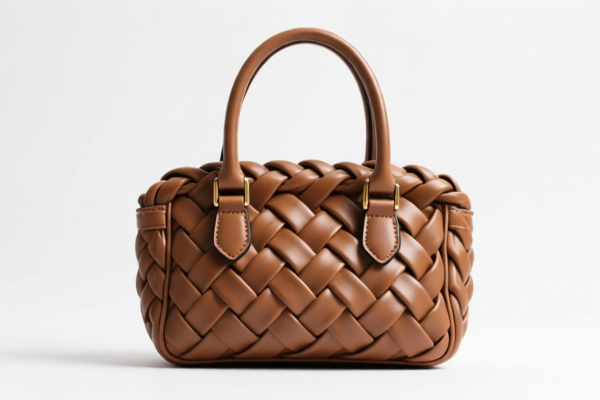
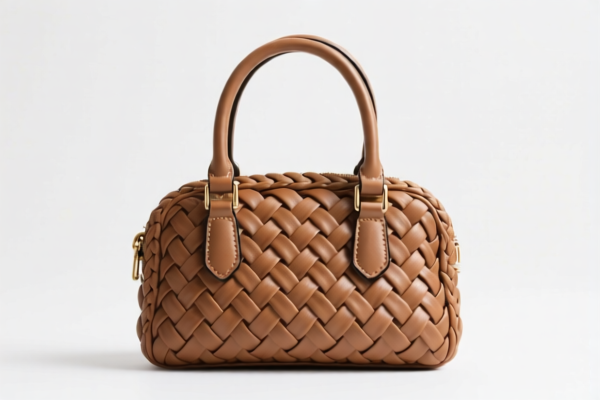
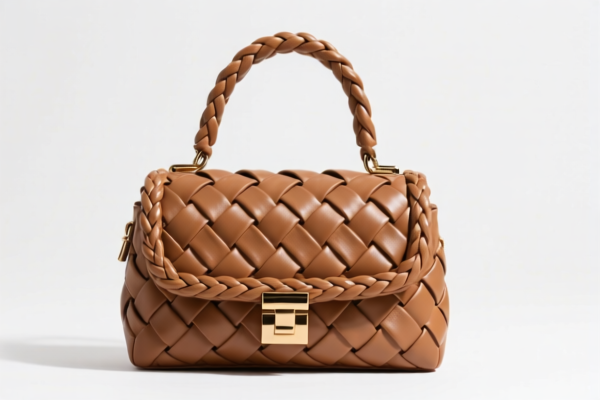
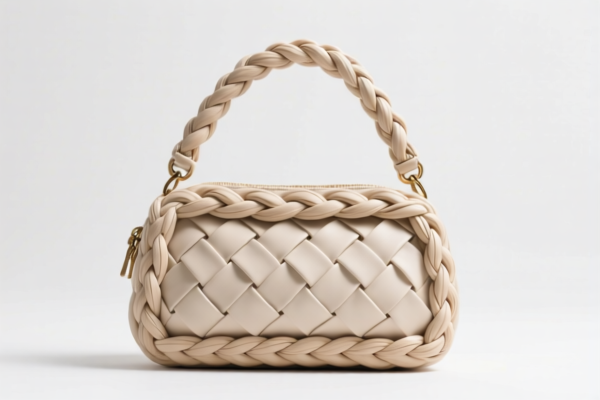
AI分析
👜 Braided Handbag (Waterproof)
🌐 HS Code Reference & Customs Clearance Guide | 2026 Latest Tariff Analysis | Professional Entry Strategy
📌 I. Product Definition & Classification: What Exactly is a "Braided Handbag"?
A Braided Handbag is a fashion accessory characterized by its woven or interlaced structure ("Braided") and specific utility ("Handbag"). The addition of "Waterproof" suggests a functional treatment or material composition, but for HS Code classification purposes, the primary determinants are Material and Outer Surface Composition.
In international trade, these bags are generally split into two major categories based on their outer material: 1. Textile/Plant Fiber Based: Made from woven fabrics, raffia, straw, or synthetic textiles (e.g., Nylon/Polyester braiding). 2. Plastic/Synthetic Based: Made from plastic fibers or treated plastic materials.
⚠️ Key Classification Point:
- If the outer surface is textile (woven fabric) or plant material (straw/rattan) → Group 42 (Leather/Textile) or Group 46 (Vegetable Plaiting Materials).
- If the outer surface is plastic (including synthetic braided plastics) → Group 39 (Plastics).
- Note: "Waterproof" alone does not change the HS code unless it fundamentally alters the material class (e.g., plasticized cloth vs. natural fiber).
📦 II. HS Code Classification Details (2026 Latest Tariff Reference)
Based on the provided data, here are the four most relevant HS Codes for a "Braided Handbag," categorized by material inference:
| HS Code | Product Description | Material Basis | Total Tax Rate |
|---|---|---|---|
4202.22.40.20 |
Articles of apparel or clothing accessories, handbags, pocketbooks... with outer surface of textile materials | Inferred as Textile/Braided Fabric due to lack of specific material data. | 42.4% |
4202.22.35.00 |
Handbags, pocketbooks, pouches... with outer surface of textile materials | Inferred as Textile (Manila hemp-like or general woven textile). | 43.4% |
4602.19.29.40 |
Articles of plaiting materials (vegetable plaiting materials): Handbags, handkerchiefs... Other than those of heading 4601 or 4602 | Inferred as Plant Fiber/Weaving Material (e.g., Straw, Raffia). | 40.3% |
4602.19.29.20 |
Articles of plaiting materials: Handbags made of vegetable plaiting materials | Specific for Plant Material Handbags (e.g., Straw/Rattan). | 40.3% |
3926.90.33.00 |
Other articles of plastics and articles of other materials of heading 3901 to 3914: Handbags | Inferred as Plastic/Plastic Fiber (due to "Waterproof" + Braided nature). | 16.5% |
🔍 Critical Logic:
- The term "Braided" is the strongest visual cue.
- "Waterproof" often implies plastic coating or synthetic fibers, which might push the classification toward3926.90.33.00(Plastics).
- However, if the braiding is natural (straw/rattan) and only treated to be waterproof, it stays in Group 46.
- If no material is specified, customs may assume Textile (4202) as the default for "Handbags" unless proven otherwise.
💰 III. 2026 Latest Tariff Rate Breakdown (US Market / China Origin)
✅ Applicable Country: United States (US)
✅ Origin: China (CN)
✅ Effective Date: Post-November 2025 (Current Trade Environment)
🎯 1. 4202.22.40.20 & 4202.22.35.00 —— Handbags (Textile/Leather-Style)
| Item | Content |
|---|---|
| Base Tariff | 7.4% (for .40.20) / 8.4% (for .35.00) |
| Section 301 Tariff | +25.0% (Added tariffs on Chinese goods) |
| 122 Clause Tariff | +10.0% (Specific provision for certain handbags/textiles) |
| Total Tax Rate | 42.4% (.40.20) / 43.4% (.35.00) |
| Calculation | CIF Value × Total Rate |
| De Minimis Exemption | ❌ Not Eligible (Section 301 and 122 items generally excluded from de minimis relief in many contexts or heavily scrutinized) |
| Legal Basis | USITC:4202.22 → Section 301 (Footnote 9903.88.01) → 122 Clause |
📌 Explanation:
- These are the highest risk categories due to the combination of Base + Section 301 + 122 Clause.
- "Braided" textile handbags are often caught in tight scrutiny regarding "Textile vs. Plastic" definitions.
🎯 2. 4602.19.29.20 & 4602.19.29.40 —— Handbags (Vegetable Plaiting Materials)
| Item | Content |
|---|---|
| Base Tariff | 5.3% |
| Section 301 Tariff | +25.0% |
| 122 Clause Tariff | +10.0% |
| Total Tax Rate | 40.3% |
| Calculation | CIF Value × 40.3% |
| De Minimis Exemption | ❌ Not Eligible |
| Legal Basis | USITC:4602.19 → Section 301 → 122 Clause |
📌 Note:
- If the handbag is made of Straw, Raffia, or Bamboo, this is the correct code.
- The "Waterproof" treatment does not change the material class to plastic unless the entire structure is plasticized straw.
🎯 3. 3926.90.33.00 —— Handbags (Plastics)
| Item | Content |
|---|---|
| Base Tariff | 6.5% |
| Section 301 Tariff | +0.0% (No additional Section 301 for this specific plastic subheading in some datasets, or already included in base) |
| 122 Clause Tariff | +10.0% |
| Total Tax Rate | 16.5% |
| Calculation | CIF Value × 16.5% |
| De Minimis Exemption | ❌ Not Eligible (Due to 122 Clause) |
| Legal Basis | USITC:3926.90 → 122 Clause |
📌 Strategic Advantage:
- Lowest Tax Rate (16.5%).
- If your "Braided Handbag (Waterproof)" is made of synthetic braided plastic (e.g., PP strap, PVC weave), this is the optimal classification.
- "Waterproof" strongly supports the Plastic classification.
🛠️ IV. Customs Clearance Practical Advice (Pitfall Avoidance Guide)
✅ 1. Documentation Checklist (Non-Negotiable)
| Document | Required? | Why? |
|---|---|---|
| ✅ Product Specifications | ✔️ | Must state: "Outer Material: [Polypropylene/Straw/Cotton]", "Waterproof Treatment: Yes/No" |
| ✅ Material Composition Certificate | ✔️ | Crucial to distinguish between 4202 (Textile), 4602 (Plant), and 3926 (Plastic). |
| ✅ Product Photos | ✔️ | Show the "Braided" texture. Close-up of material weave. |
| ✅ Waterproof Test Report | ✔️ | If claiming 3926, prove the material is plastic-based. If claiming 4602, show it's natural fiber + coating. |
| ✅ Commercial Invoice | ✔️ | Declare: "Braided Handbag, Model XYZ, Outer Material: [Specific Material]" |
| ✅ Packing List | ✔️ | Standard |
✅ 2. Declaration Strategy (Key Formulas)
🔥 "Material is King, Water is Proof, Braiding is Style!"
| Scenario | Recommended HS Code | Why? |
|---|---|---|
| Plastic Braided Straps/Weave (e.g., PVC, PP) | 3926.90.33.00 |
Lowest tax (16.5%). "Waterproof" fits perfectly. |
| Straw/Rattan Handbag (Natural plant fiber) | 4602.19.29.20 |
Natural material. Waterproofing is just a surface treatment. |
| Fabric Cloth Braided (e.g., Nylon/Cotton weave) | 4202.22.40.20 |
Default if material is unclear. High tax (42.4%). |
| Mixed Material (Plastic handle + Cloth body) | Depends on Dominant Material | If cloth > 50% by weight/volume → 4202. If plastic dominant → 3926. |
✅ 3. Special Cases & Warnings
| Situation | Advice |
|---|---|
| "Waterproof" Claim | If you declare "Waterproof," Customs will suspect Plastic (3926) or Coated Fabric. Ensure your sample matches the declared material. |
| "Braided" Ambiguity | "Braided" is not a material. It is a method. You MUST declare the material (e.g., "Polypropylene Braided"). |
| Avoid "Handbag" Only | Never declare as just "Handbag." Always include Material and Outer Surface. |
| Section 301 Impact | All these codes attract high tariffs if from China. Calculate Landed Cost carefully. |
🌍 V. Global Market Comparison (2026)
| Country | Recommended HS Code | Est. Tariff (China Origin) | Notes |
|---|---|---|---|
| 🇺🇸 USA | 3926.90.33.00 (Best) |
16.5% | Use Plastic classification if possible. |
| 🇺🇸 USA | 4202.22.40.20 |
42.4% | High risk if material is unclear. |
| 🇪🇺 EU | 4202.22 / 3926.90 |
4% - 6% | No Section 301 equivalent. Lower overall cost. |
| 🇨🇳 China | 4202.22 / 4602.19 |
5% - 10% | Standard import duties. |
📌 Conclusion:
- US Market: Fight for3926.90.33.00(16.5%) if the bag is plastic-based. Avoid4202unless it's definitely textile.
- EU/Other: Tariffs are lower, so the risk is less severe, but accurate material declaration is still required for anti-dumping checks.
📌 VI. Common Mistakes & Pitfalls (Blood Lessons)
❌ Mistake 1: Declaring as "Handbag" without material specification.
👉 Result: Customs assigns default 4202.22.40.20 (42.4%) → Overpayment!
❌ Mistake 2: Assuming "Braided" means 4602 (Plant).
👉 Result: If it's synthetic plastic braid, it's 3926. Misclassification leads to penalties.
❌ Mistake 3: Ignoring "Waterproof" implication.
👉 Result: If it's plastic, but declared as "Cotton Braided," Customs may demand testing → Delay + Storage Fees.
✅ Correct Declaration Example:
"Braided Handbag, Model WB-2026, Outer Material: Polypropylene (Plastic), Waterproof Coated, No Leather Components, China Origin"
🎯 VII. Conclusion: Smart Classification Saves Money!
🎯 Remember the Formula:
🔹 "Plastic Braid = 16.5% | Plant Braid = 40.3% | Textile Braid = 42.4%"
🔹 "Waterproof suggests Plastic, but Proof is Required!"
📌 Pro Tip:
If your handbag is made of synthetic woven plastic (common for "waterproof" market bags), insist on 3926.90.33.00. It saves you ~26% in tariffs compared to textile classifications.
📣 Immediate Action:
📞 Provide Material Sample to your customs broker.
📄 Request Pre-Classification Ruling for high-value shipments.
🚀 Optimize your Landed Cost by choosing the correct HS Code!
✨ Professional Clearance Starts with Precision!
💼 Every percentage point of tariff saved is pure profit!
用户评价
关于 HS 编码归类
协调制度(HS)是由世界海关组织(WCO)制定的国际贸易商品分类标准。全球 200 多个国家采用 HS 系统作为海关关税、贸易统计和进出口监管的基础。
每个 HS 编码遵循以下层级结构:
- 章(2 位)——商品大类(例如:第 84 章:机器和机械设备)
- 品目(4 位)——章内的更具体分类
- 子目(6 位)——国际通用细分,所有 WCO 成员国统一使用
- 本国细分(8-10 位)——各国自行扩展的细分编码,如美国 HTSUS 10 位编码
正确的 HS 编码归类对于顺利通关、准确缴纳关税和遵守贸易法规至关重要。错误归类可能导致海关延误、多缴关税或罚款。
从CN进口到US时,适用的关税税率可能包括:
- 最惠国(MFN)税率——适用于 WTO 成员国的标准关税税率
- 普通税率——适用于无贸易协定国家
- 贸易救济关税——附加关税,如 301 条款(反倾销)、232 条款(国家安全)或反补贴税
本页内容仅供参考。如需正式归类,请咨询当地海关或持牌报关代理。