Braided Handbag (With Interior Compartment)
CN → US| HS编码 | 关税税率 | 原产国 | 目的国 | 文档 |
|---|---|---|---|---|
| 3926903300 | 16.5% | CN | US | 官方文档 |
| 4202223500 | 43.4% | CN | US | 官方文档 |
| 4602192920 | 40.3% | CN | US | 官方文档 |
| 4602192940 | 40.3% | CN | US | 官方文档 |
| 4202224020 | 42.4% | CN | US | 官方文档 |
商品图片
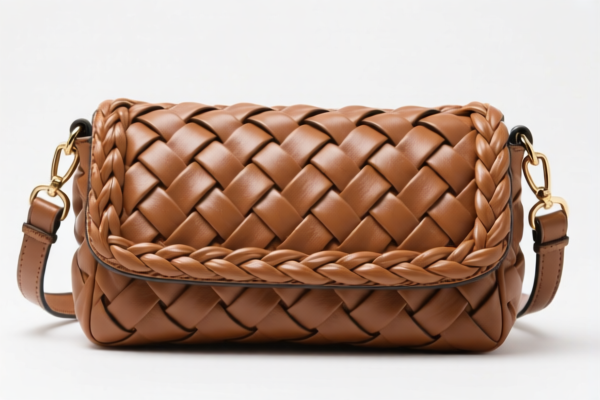
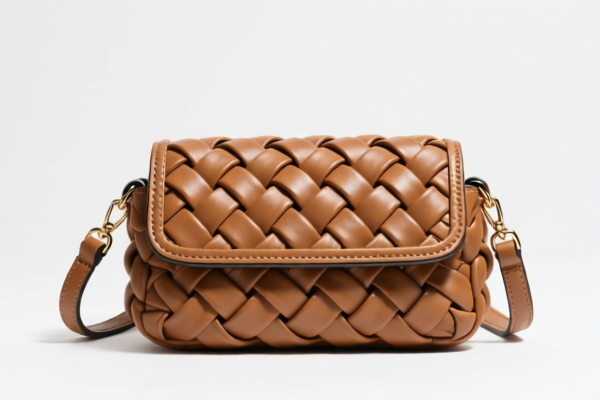
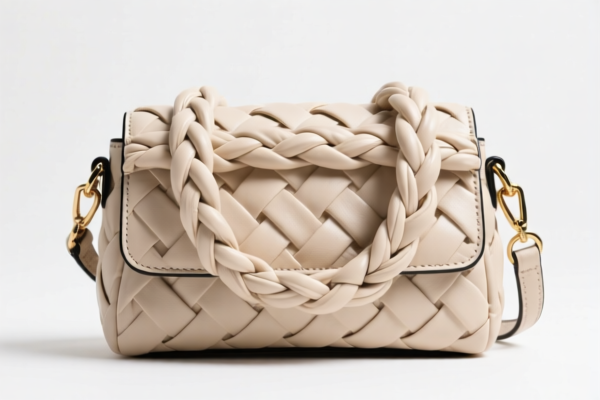
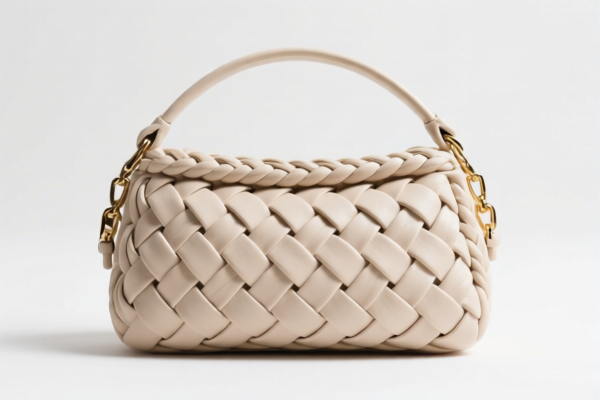
AI分析
👜 Braided Handbag (With Interior Compartment)
🌐 HS Code Classification & Customs Clearance Guide | 2026 Tariff Analysis | Professional Entry Strategies
📌 I. Product Definition & Classification: What Exactly is a "Braided Handbag"?
A Braided Handbag is a wearable accessory primarily characterized by its construction technique (interlacing strips or fibers) and material composition. Unlike woven fabrics (which create a flexible sheet), braiding creates a structured, often rigid or semi-rigid mesh.
In international trade, classification depends strictly on the primary material used for the braiding. A common mistake is grouping all "handbags" under one code, but customs authorities distinguish sharply between plastic, textile, and natural plant fibers.
⚠️ Key Distinction Criteria:
- Plastic/PE/Vinyl Strips: Classified under Chapter 39.
- Textile/Cotton/Artificial Fiber Strips: Classified under Chapter 42.
- Natural Plant Materials (Palm, Raffia, Bamboo, Grass): Classified under Chapter 46.
- Interior Compartment: This feature confirms it as a "handbag" (Chapter 42/46 scope) or a "container" but does not change the material-based HS code. It prevents misclassification as simple "woven baskets" or "household items."
📦 II. HS Code Classification Details (2026 Latest Tariff Reference)
Based on the specific material composition, here are the precise HS Codes and their corresponding tariff structures.
| HS Code | Product Description | Primary Material | Application Scenario |
|---|---|---|---|
3926.90.33.00 |
Braided Handbags of Plastics | Plastic Fibers (e.g., PE strips, PVC braids) | Beach bags, reusable shopping totes, fashion accessories made from plastic strands |
4202.22.35.00 |
Braided Handbags of Textile Materials | Textile/Plant Fiber Textiles | Handbags made from synthetic textile cords or woven textile braids |
4602.19.29.20 |
Handbags of Woven Plant Materials (Specific Craft) | Natural Plant Materials (e.g., Raffia, Palm) | Traditional wicker-style bags, high-end straw bags, eco-friendly luxury accessories |
4602.19.29.40 |
Braided Handbags of Vegetable Fiber | Vegetable Fibers | Bags made from bamboo strips, grass, or other rigid vegetable fibers |
4202.22.40.20 |
Braided Handbags of Cotton, Hemp, or Grass | Cotton/Hemp/Grass Textiles | Handbags using natural textile fibers (not raw plant weaving) |
🔍 Critical Note:
- Chapter 39 (Plastic) has significantly lower tariffs than Chapter 42/46.
- Chapter 46 (Plant Materials) is highly scrutinized for anti-dumping measures.
- "Braided" vs. "Woven": In HS nomenclature, braided usually falls under 4602 (basketwork), while textile braids may fall under 4202. Do not confuse these; the physical structure matters.
💰 III. 2026 Tariff Rate Breakdown (China to USA)
✅ Applicable Country: United States (US)
✅ Origin: China (CN)
✅ Effective Date: Current 2026 Trade Policy (Section 301 + IEEPA)
The total tax burden varies dramatically based on the HS Code. Below is the detailed calculation for each category.
🎯 1. 3926.90.33.00 —— Plastic Braided Handbags
| Item | Content |
|---|---|
| Base Tariff | 6.5% |
| Section 301 Additional Tariff | 0.0% (No additional 301 tariff for this specific subheading) |
| IEEPA Section 122 Tariff | +10% (China-specific surcharge) |
| Total Tax Rate | 16.5% |
| Tax Calculation | CIF Value × 16.5% |
| De Minimis Eligibility | ❌ No (Below $800 threshold does not apply to this classification due to specific enforcement rules) |
| Legal Basis Path | USITC:3926.90.33.00 → IEEPA:122 |
📌 Explanation:
- This is the most cost-effective classification among the options.
- The base rate is low (6.5%), and while Section 301 doesn't add more, the IEEPA 122 clause adds 10%.
- Strategy: If your bag uses plastic straws or synthetic braids, this is your optimal code.
🎯 2. 4202.22.35.00 —— Textile/Mixed Fiber Braided Handbags
| Item | Content |
|---|---|
| Base Tariff | 8.4% |
| Section 301 Additional Tariff | +25.0% |
| IEEPA Section 122 Tariff | +10% |
| Total Tax Rate | 43.4% |
| Tax Calculation | CIF Value × 43.4% |
| De Minimis Eligibility | ❌ No |
| Legal Basis Path | USITC:4202.22.35.00 → USITC:Footnote 301 → IEEPA:122 |
📌 Explanation:
- High tariff burden. The 25% Section 301 tariff is the primary driver.
- Includes bags made from synthetic textile braids or mixed fabric materials.
🎯 3. 4602.19.29.20 & 4602.19.29.40 —— Plant Material Braided Handbags
| Item | Content |
|---|---|
| Base Tariff | 5.3% |
| Section 301 Additional Tariff | +25.0% |
| IEEPA Section 122 Tariff | +10% |
| Total Tax Rate | 40.3% |
| Tax Calculation | CIF Value × 40.3% |
| De Minimis Eligibility | ❌ No |
| Legal Basis Path | USITC:4602.19.29.xx → USITC:Footnote 301 → IEEPA:122 |
📌 Explanation:
- Even though the base tariff is lower (5.3%), the 25% Section 301 tariff applies equally here.
-4602.19.29.20is for specific woven crafts;4602.19.29.40is for general vegetable fiber bags.
- Warning: Customs officers frequently audit Chapter 46 entries for "substantial transformation" claims. Ensure the braiding is done in China, not just assembled.
🎯 4. 4202.22.40.20 —— Cotton/Hemp/Grass Textile Handbags
| Item | Content |
|---|---|
| Base Tariff | 7.4% |
| Section 301 Additional Tariff | +25.0% |
| IEEPA Section 122 Tariff | +10% |
| Total Tax Rate | 42.4% |
| Tax Calculation | CIF Value × 42.4% |
| De Minimis Eligibility | ❌ No |
| Legal Basis Path | USITC:4202.22.40.20 → USITC:Footnote 301 → IEEPA:122 |
📌 Explanation:
- This covers natural textile fibers (cotton, hemp) but not raw plant weaving (which is Ch. 46).
- The rate is slightly higher than plant materials due to a higher base tariff (7.4% vs 5.3%).
🛠️ IV. Customs Clearance Practical Advice (Avoiding Pitfalls)
✅ 1. Documentation Checklist (Mandatory)
| Document | Must Provide | Purpose |
|---|---|---|
| ✅ Product Specification Sheet | ✔️ | Must clearly state: "Braided," Material Composition (% Plastic vs. % Textile), and Dimensions. |
| ✅ High-Res Photos | ✔️ | Show the braiding pattern clearly. Distinguish between "woven fabric" and "braided strips." |
| ✅ Sample Material Test Report | ✔️ | If unsure if it's "Plastic" or "Textile," a third-party lab test (FTIR) is crucial for Chapter 39 vs. 42/46. |
| ✅ Commercial Invoice | ✔️ | Use precise descriptions: e.g., "Braided Handbag, PE Plastic Straps, Polyester Lining." Avoid generic "Bag." |
| ✅ Packing List | ✔️ | Confirm interior compartment exists to justify "Handbag" classification over "Basket." |
✅ 2. Declaration Strategy (Key Mantra)
🔥 "Material Defines Code, Braiding Defines Chapter, Interior Defines Use!"
| Scenario | Correct Declaration | Wrong Declaration | Consequence |
|---|---|---|---|
| Plastic Strips | Braided Handbag, Plastic | "Woven Bag" | Misclassification risk; audit delay |
| Raffia/Straw | Braided Handbag, Vegetable Fiber | "Textile Handbag" | Tariff drop from 40.3% to 43.4%? No, Code change! |
| Mixed Materials | Primary material must be identified | "Various Materials" | Customs will pick the highest tariff code |
| With Interior Pocket | Specify "Lined with Interior Compartment" | "Empty Bag" | Incorrectly classified as "Basket" (Ch. 46/42 other) |
✅ 3. Special Handling Tips
| Situation | Recommendation |
|---|---|
| Plastic vs. Synthetic | If the "plastic" is actually a synthetic fabric (nylon/polyester) in braid form, it must go to Chapter 42, not 39. Misclassification leads to penalties. |
| Plant Material Origin | Ensure the plant material (e.g., raffia) is not from a sanctioned region. Certificate of Origin (CO) is mandatory. |
| Section 122 Impact | The 10% IEEPA tariff applies to all categories listed. Factor this into your pricing model regardless of HS Code. |
| De Minimis | Do not use Section 321 (De Minimis <$800) for commercial shipments. These codes are flagged for higher scrutiny. |
🌍 V. Global Market Comparison (2026 Outlook)
| Country/Region | Recommended HS Code | Tariff (China Origin) | Key Requirement |
|---|---|---|---|
| 🇺🇸 USA | 3926.90.33.00 (Plastic) |
16.5% | High scrutiny on "Plastic" vs. "Textile" |
| 🇺🇸 USA | 4602.19.29.xx (Plant) |
40.3% | Strict Section 301 enforcement |
| 🇪🇺 EU | 4202.22.xx / 4602.19.xx |
4% - 6% | No Section 301/IEEPA equivalents |
| 🇨🇳 China | 4202.22.xx / 4602.19.xx |
5% - 12% | Import duties apply, no US surcharges |
📌 Insight:
- The US market is significantly more expensive due to geopolitical tariffs (Section 301 + IEEPA).
- For the US, Plastic Handbags (3926.90.33.00) are the most tariff-efficient option (16.5% total).
- Plant-based handbags face nearly equal taxation to textile ones due to the flat 25% Section 301 add-on.
📌 VI. Common Errors & Pitfalls (Lessons Learned)
❌ Error 1: Calling a "Plastic Braided Bag" a "Woven Handbag"
👉 Result: Customs may misclassify it as 4202 (Textile) → Tax jumps from 16.5% to 43.4%.
👉 Fix: Use the word "Plastic" or "Polyethylene" in the description.
❌ Error 2: Ignoring the Interior Compartment
👉 Result: If no lining/pockets, customs may classify it as a "Basket" or "Container" (4601 or 4602.90), which has different rules and potentially higher duties or inspection rates.
👉 Fix: Always mention "With interior lining and pocket."
❌ Error 3: Using "Rattan" for Plastic Imitation
👉 Result: False description. If it's plastic, call it "Plastic." If it's natural, call it "Natural Fiber."
👉 Fix: Be honest about material. Fraud leads to seizures.
🎯 VII. Conclusion: Smart Classification Saves Money
🎯 Key Takeaways:
🔹 Plastic Braided Bags (
3926.90.33.00) = 16.5% Total Tax (Best for US)
🔹 Plant/Textile Braided Bags (4202/4602) = 40.3% - 43.4% Total Tax (High Cost)
🔹 Always Include Interior Details in description to justify "Handbag" status.
📌 Pro Tip:
If you are designing a new product line, consider using Plastic Braids for the US market to leverage the 16.5% rate, rather than natural fibers, unless your brand story specifically requires eco-friendly plant materials (in which case, budget for 40%+ tax).
📣 Immediate Action:
📞 Verify Material Composition with your supplier.
📸 Take Clear Photos of the braid texture and interior.
📄 Apply for Advance Ruling if shipment value is high.
✨ Professional Clearance Starts with Precise Classification!
💼 Every Percent of Tax Saved is Pure Profit!
用户评价
关于 HS 编码归类
协调制度(HS)是由世界海关组织(WCO)制定的国际贸易商品分类标准。全球 200 多个国家采用 HS 系统作为海关关税、贸易统计和进出口监管的基础。
每个 HS 编码遵循以下层级结构:
- 章(2 位)——商品大类(例如:第 84 章:机器和机械设备)
- 品目(4 位)——章内的更具体分类
- 子目(6 位)——国际通用细分,所有 WCO 成员国统一使用
- 本国细分(8-10 位)——各国自行扩展的细分编码,如美国 HTSUS 10 位编码
正确的 HS 编码归类对于顺利通关、准确缴纳关税和遵守贸易法规至关重要。错误归类可能导致海关延误、多缴关税或罚款。
从CN进口到US时,适用的关税税率可能包括:
- 最惠国(MFN)税率——适用于 WTO 成员国的标准关税税率
- 普通税率——适用于无贸易协定国家
- 贸易救济关税——附加关税,如 301 条款(反倾销)、232 条款(国家安全)或反补贴税
本页内容仅供参考。如需正式归类,请咨询当地海关或持牌报关代理。