Braided Handbag (With Interior Compartment)
CN → US| HS Code | Tariff Rate | Origin | Destination | Doc |
|---|---|---|---|---|
| 3926903300 | 16.5% | CN | US | Official Doc |
| 4202223500 | 43.4% | CN | US | Official Doc |
| 4602192920 | 40.3% | CN | US | Official Doc |
| 4602192940 | 40.3% | CN | US | Official Doc |
| 4202224020 | 42.4% | CN | US | Official Doc |
Product Images
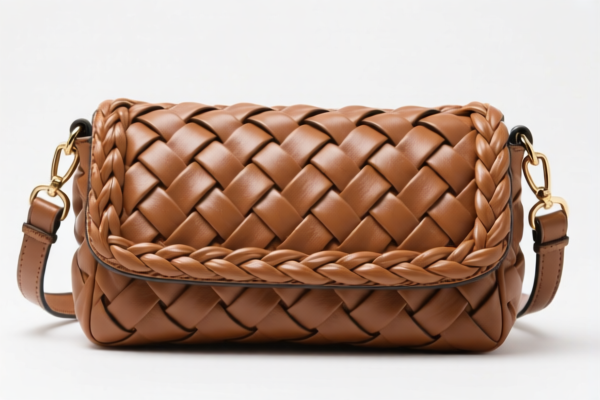
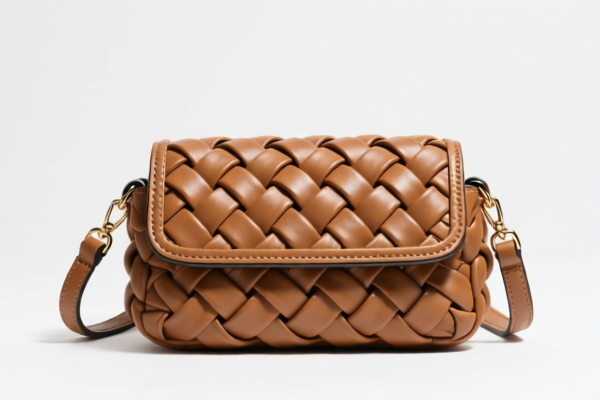
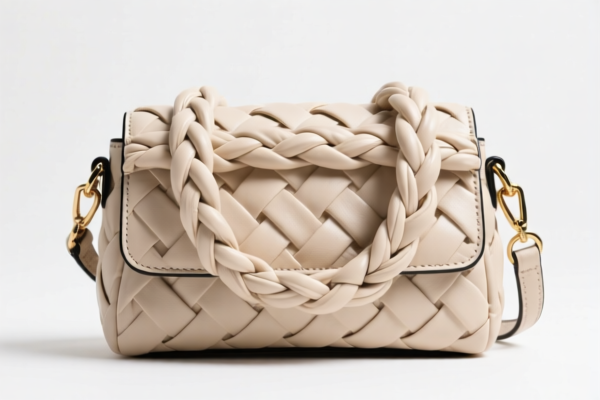
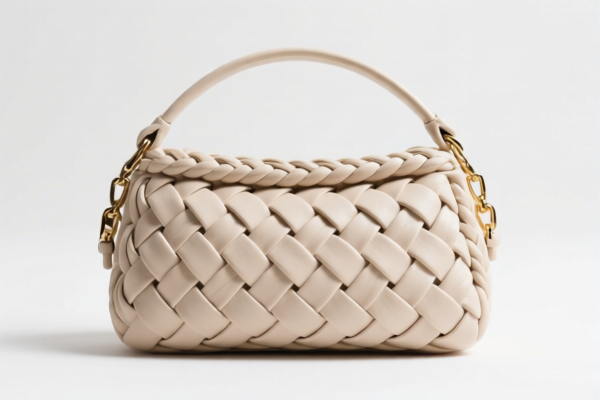
AI Analysis
👜 Braided Handbag (With Interior Compartment)
🌐 HS Code Classification & Customs Clearance Guide | 2026 Tariff Analysis | Professional Entry Strategies
📌 I. Product Definition & Classification: What Exactly is a "Braided Handbag"?
A Braided Handbag is a wearable accessory primarily characterized by its construction technique (interlacing strips or fibers) and material composition. Unlike woven fabrics (which create a flexible sheet), braiding creates a structured, often rigid or semi-rigid mesh.
In international trade, classification depends strictly on the primary material used for the braiding. A common mistake is grouping all "handbags" under one code, but customs authorities distinguish sharply between plastic, textile, and natural plant fibers.
⚠️ Key Distinction Criteria:
- Plastic/PE/Vinyl Strips: Classified under Chapter 39.
- Textile/Cotton/Artificial Fiber Strips: Classified under Chapter 42.
- Natural Plant Materials (Palm, Raffia, Bamboo, Grass): Classified under Chapter 46.
- Interior Compartment: This feature confirms it as a "handbag" (Chapter 42/46 scope) or a "container" but does not change the material-based HS code. It prevents misclassification as simple "woven baskets" or "household items."
📦 II. HS Code Classification Details (2026 Latest Tariff Reference)
Based on the specific material composition, here are the precise HS Codes and their corresponding tariff structures.
| HS Code | Product Description | Primary Material | Application Scenario |
|---|---|---|---|
3926.90.33.00 |
Braided Handbags of Plastics | Plastic Fibers (e.g., PE strips, PVC braids) | Beach bags, reusable shopping totes, fashion accessories made from plastic strands |
4202.22.35.00 |
Braided Handbags of Textile Materials | Textile/Plant Fiber Textiles | Handbags made from synthetic textile cords or woven textile braids |
4602.19.29.20 |
Handbags of Woven Plant Materials (Specific Craft) | Natural Plant Materials (e.g., Raffia, Palm) | Traditional wicker-style bags, high-end straw bags, eco-friendly luxury accessories |
4602.19.29.40 |
Braided Handbags of Vegetable Fiber | Vegetable Fibers | Bags made from bamboo strips, grass, or other rigid vegetable fibers |
4202.22.40.20 |
Braided Handbags of Cotton, Hemp, or Grass | Cotton/Hemp/Grass Textiles | Handbags using natural textile fibers (not raw plant weaving) |
🔍 Critical Note:
- Chapter 39 (Plastic) has significantly lower tariffs than Chapter 42/46.
- Chapter 46 (Plant Materials) is highly scrutinized for anti-dumping measures.
- "Braided" vs. "Woven": In HS nomenclature, braided usually falls under 4602 (basketwork), while textile braids may fall under 4202. Do not confuse these; the physical structure matters.
💰 III. 2026 Tariff Rate Breakdown (China to USA)
✅ Applicable Country: United States (US)
✅ Origin: China (CN)
✅ Effective Date: Current 2026 Trade Policy (Section 301 + IEEPA)
The total tax burden varies dramatically based on the HS Code. Below is the detailed calculation for each category.
🎯 1. 3926.90.33.00 —— Plastic Braided Handbags
| Item | Content |
|---|---|
| Base Tariff | 6.5% |
| Section 301 Additional Tariff | 0.0% (No additional 301 tariff for this specific subheading) |
| IEEPA Section 122 Tariff | +10% (China-specific surcharge) |
| Total Tax Rate | 16.5% |
| Tax Calculation | CIF Value × 16.5% |
| De Minimis Eligibility | ❌ No (Below $800 threshold does not apply to this classification due to specific enforcement rules) |
| Legal Basis Path | USITC:3926.90.33.00 → IEEPA:122 |
📌 Explanation:
- This is the most cost-effective classification among the options.
- The base rate is low (6.5%), and while Section 301 doesn't add more, the IEEPA 122 clause adds 10%.
- Strategy: If your bag uses plastic straws or synthetic braids, this is your optimal code.
🎯 2. 4202.22.35.00 —— Textile/Mixed Fiber Braided Handbags
| Item | Content |
|---|---|
| Base Tariff | 8.4% |
| Section 301 Additional Tariff | +25.0% |
| IEEPA Section 122 Tariff | +10% |
| Total Tax Rate | 43.4% |
| Tax Calculation | CIF Value × 43.4% |
| De Minimis Eligibility | ❌ No |
| Legal Basis Path | USITC:4202.22.35.00 → USITC:Footnote 301 → IEEPA:122 |
📌 Explanation:
- High tariff burden. The 25% Section 301 tariff is the primary driver.
- Includes bags made from synthetic textile braids or mixed fabric materials.
🎯 3. 4602.19.29.20 & 4602.19.29.40 —— Plant Material Braided Handbags
| Item | Content |
|---|---|
| Base Tariff | 5.3% |
| Section 301 Additional Tariff | +25.0% |
| IEEPA Section 122 Tariff | +10% |
| Total Tax Rate | 40.3% |
| Tax Calculation | CIF Value × 40.3% |
| De Minimis Eligibility | ❌ No |
| Legal Basis Path | USITC:4602.19.29.xx → USITC:Footnote 301 → IEEPA:122 |
📌 Explanation:
- Even though the base tariff is lower (5.3%), the 25% Section 301 tariff applies equally here.
-4602.19.29.20is for specific woven crafts;4602.19.29.40is for general vegetable fiber bags.
- Warning: Customs officers frequently audit Chapter 46 entries for "substantial transformation" claims. Ensure the braiding is done in China, not just assembled.
🎯 4. 4202.22.40.20 —— Cotton/Hemp/Grass Textile Handbags
| Item | Content |
|---|---|
| Base Tariff | 7.4% |
| Section 301 Additional Tariff | +25.0% |
| IEEPA Section 122 Tariff | +10% |
| Total Tax Rate | 42.4% |
| Tax Calculation | CIF Value × 42.4% |
| De Minimis Eligibility | ❌ No |
| Legal Basis Path | USITC:4202.22.40.20 → USITC:Footnote 301 → IEEPA:122 |
📌 Explanation:
- This covers natural textile fibers (cotton, hemp) but not raw plant weaving (which is Ch. 46).
- The rate is slightly higher than plant materials due to a higher base tariff (7.4% vs 5.3%).
🛠️ IV. Customs Clearance Practical Advice (Avoiding Pitfalls)
✅ 1. Documentation Checklist (Mandatory)
| Document | Must Provide | Purpose |
|---|---|---|
| ✅ Product Specification Sheet | ✔️ | Must clearly state: "Braided," Material Composition (% Plastic vs. % Textile), and Dimensions. |
| ✅ High-Res Photos | ✔️ | Show the braiding pattern clearly. Distinguish between "woven fabric" and "braided strips." |
| ✅ Sample Material Test Report | ✔️ | If unsure if it's "Plastic" or "Textile," a third-party lab test (FTIR) is crucial for Chapter 39 vs. 42/46. |
| ✅ Commercial Invoice | ✔️ | Use precise descriptions: e.g., "Braided Handbag, PE Plastic Straps, Polyester Lining." Avoid generic "Bag." |
| ✅ Packing List | ✔️ | Confirm interior compartment exists to justify "Handbag" classification over "Basket." |
✅ 2. Declaration Strategy (Key Mantra)
🔥 "Material Defines Code, Braiding Defines Chapter, Interior Defines Use!"
| Scenario | Correct Declaration | Wrong Declaration | Consequence |
|---|---|---|---|
| Plastic Strips | Braided Handbag, Plastic | "Woven Bag" | Misclassification risk; audit delay |
| Raffia/Straw | Braided Handbag, Vegetable Fiber | "Textile Handbag" | Tariff drop from 40.3% to 43.4%? No, Code change! |
| Mixed Materials | Primary material must be identified | "Various Materials" | Customs will pick the highest tariff code |
| With Interior Pocket | Specify "Lined with Interior Compartment" | "Empty Bag" | Incorrectly classified as "Basket" (Ch. 46/42 other) |
✅ 3. Special Handling Tips
| Situation | Recommendation |
|---|---|
| Plastic vs. Synthetic | If the "plastic" is actually a synthetic fabric (nylon/polyester) in braid form, it must go to Chapter 42, not 39. Misclassification leads to penalties. |
| Plant Material Origin | Ensure the plant material (e.g., raffia) is not from a sanctioned region. Certificate of Origin (CO) is mandatory. |
| Section 122 Impact | The 10% IEEPA tariff applies to all categories listed. Factor this into your pricing model regardless of HS Code. |
| De Minimis | Do not use Section 321 (De Minimis <$800) for commercial shipments. These codes are flagged for higher scrutiny. |
🌍 V. Global Market Comparison (2026 Outlook)
| Country/Region | Recommended HS Code | Tariff (China Origin) | Key Requirement |
|---|---|---|---|
| 🇺🇸 USA | 3926.90.33.00 (Plastic) |
16.5% | High scrutiny on "Plastic" vs. "Textile" |
| 🇺🇸 USA | 4602.19.29.xx (Plant) |
40.3% | Strict Section 301 enforcement |
| 🇪🇺 EU | 4202.22.xx / 4602.19.xx |
4% - 6% | No Section 301/IEEPA equivalents |
| 🇨🇳 China | 4202.22.xx / 4602.19.xx |
5% - 12% | Import duties apply, no US surcharges |
📌 Insight:
- The US market is significantly more expensive due to geopolitical tariffs (Section 301 + IEEPA).
- For the US, Plastic Handbags (3926.90.33.00) are the most tariff-efficient option (16.5% total).
- Plant-based handbags face nearly equal taxation to textile ones due to the flat 25% Section 301 add-on.
📌 VI. Common Errors & Pitfalls (Lessons Learned)
❌ Error 1: Calling a "Plastic Braided Bag" a "Woven Handbag"
👉 Result: Customs may misclassify it as 4202 (Textile) → Tax jumps from 16.5% to 43.4%.
👉 Fix: Use the word "Plastic" or "Polyethylene" in the description.
❌ Error 2: Ignoring the Interior Compartment
👉 Result: If no lining/pockets, customs may classify it as a "Basket" or "Container" (4601 or 4602.90), which has different rules and potentially higher duties or inspection rates.
👉 Fix: Always mention "With interior lining and pocket."
❌ Error 3: Using "Rattan" for Plastic Imitation
👉 Result: False description. If it's plastic, call it "Plastic." If it's natural, call it "Natural Fiber."
👉 Fix: Be honest about material. Fraud leads to seizures.
🎯 VII. Conclusion: Smart Classification Saves Money
🎯 Key Takeaways:
🔹 Plastic Braided Bags (
3926.90.33.00) = 16.5% Total Tax (Best for US)
🔹 Plant/Textile Braided Bags (4202/4602) = 40.3% - 43.4% Total Tax (High Cost)
🔹 Always Include Interior Details in description to justify "Handbag" status.
📌 Pro Tip:
If you are designing a new product line, consider using Plastic Braids for the US market to leverage the 16.5% rate, rather than natural fibers, unless your brand story specifically requires eco-friendly plant materials (in which case, budget for 40%+ tax).
📣 Immediate Action:
📞 Verify Material Composition with your supplier.
📸 Take Clear Photos of the braid texture and interior.
📄 Apply for Advance Ruling if shipment value is high.
✨ Professional Clearance Starts with Precise Classification!
💼 Every Percent of Tax Saved is Pure Profit!
Customer Reviews
About HS Code Classification
The Harmonized System (HS) is an internationally standardized nomenclature developed by the World Customs Organization (WCO) to classify traded products. Over 200 countries use the HS system as the basis for customs tariffs, trade statistics, and import/export regulations.
Each HS code follows a hierarchical structure:
- Chapter (2 digits) — Broad category of goods (e.g., Chapter 84: Machinery and Mechanical Appliances)
- Heading (4 digits) — More specific grouping within the chapter
- Subheading (6 digits) — Internationally standardized breakdown, used by all WCO member countries
- National subdivisions (8-10 digits) — Country-specific extensions for further classification, such as US HTSUS 10-digit codes
Correct HS code classification is essential for smooth customs clearance, accurate duty payment, and compliance with trade regulations. Misclassification can lead to customs delays, overpayment of duties, or penalties.
When importing from CN to US, the applicable tariff rates may include:
- Most-Favored-Nation (MFN) rate — The standard duty rate applied to WTO members
- General rate — Applied to countries without trade agreements
- Trade remedy duties — Additional tariffs such as Section 301 (anti-dumping), Section 232 (national security), or countervailing duties
The information provided on this page is for reference purposes only. For official classification, please consult with your local customs authority or a licensed customs broker.