Braided Handbag Vintage Style
CN → US| HS编码 | 关税税率 | 原产国 | 目的国 | 文档 |
|---|---|---|---|---|
| 4202224020 | 42.4% | CN | US | 官方文档 |
| 4602192920 | 40.3% | CN | US | 官方文档 |
| 4602112100 | 41.2% | CN | US | 官方文档 |
| 4202228980 | 52.6% | CN | US | 官方文档 |
商品图片
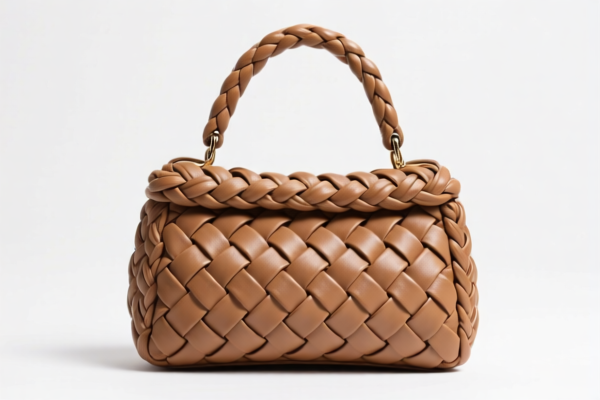
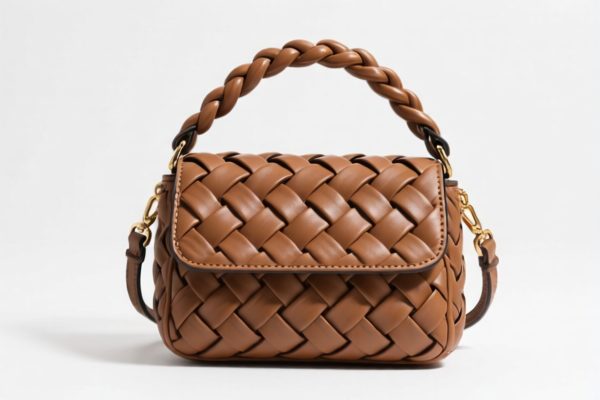
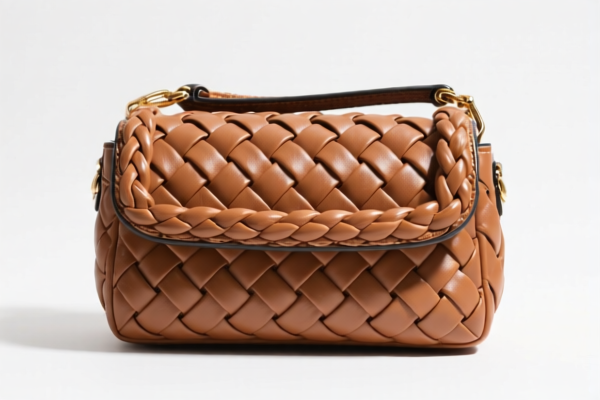
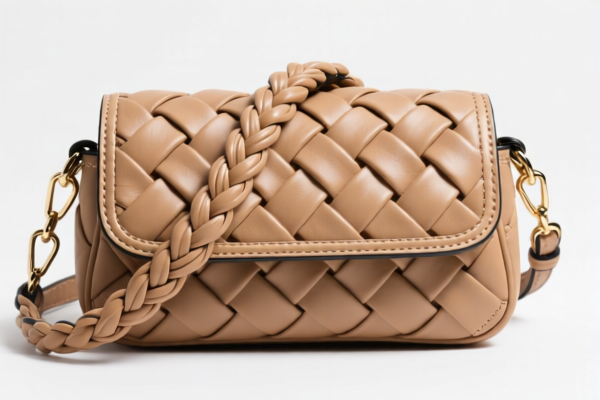
AI分析
👜 Braided Handbag – Vintage Style
🌐 HS Code Reference & Customs Clearance Guide | 2026 Latest Tariff Analysis | Professional Entry Strategy
📌 I. Product Definition & Classification: Do You Really Understand "Braided Handbags"?
The "Braided Handbag" is a timeless accessory known for its eco-friendly aesthetic and durable structure. In international trade, it is not classified as a single entity. Its HS Code depends strictly on the material composition and construction method.
Misclassification is the #1 cause of customs delays and penalties for handbags. Below is the precise breakdown based on the provided data for US imports from China.
⚠️ Key Distinction Point:
- Are they made of woven textile fibers (e.g., cotton, synthetic yarn)? → Look at Chapter 42.
- Are they made of plant materials (e.g., bamboo, rattan, straw)? → Look at Chapter 46.
- Exact weave density and "outer surface" definition matter!
📦 II. HS Code Classification Details (2026 Latest Tariff Authority Comparison)
Based on the provided data, here are the four possible classifications for a "Braided Handbag."
| HS Code | Product Description | Material Composition | Why This Code? |
|---|---|---|---|
4202.22.40.20 |
Braided Handbag, Shape-Matched, Woven Material | Woven Material (General textile/woven fabric) | Matches the specific sub-heading for woven textiles that are "shape-matched" and not strictly plant-based. |
4602.19.29.20 |
Braided Handbag, Plant Material, Woven Article, Meets Use & Form | Plant Material (Vegetable fibers) | Specific to vegetable materials woven into bags that fit general use categories not covered by bamboo/rattan specific codes. |
4602.11.21.00 |
Braided Handbag, Bamboo/Rattan/Plant Material, Meets Classification | Bamboo/Rattan | For bags made primarily of bamboo, rattan, or similar tough plant materials. Requires strict compliance with woven article standards. |
4202.22.89.80 |
Braided Handbag, Textile Material, Non-Cotton/Non-Paper Yarn | Textile Material (Specific non-cotton) | Applies if the outer surface is textile but doesn't fit the specific "40.20" sub-category (e.g., different yarn type or weave structure). |
🔍 Critical Reminder:
- Chapter 46 is for vegetable materials (straw, bamboo, rattan, osier).
- Chapter 42 is for materials of leather, composition leather, or textile materials.
- Do not mix these chapters. A "jute bag" is Ch 46; a "polyester woven bag" is Ch 42.
💰 III. 2026 Latest Tariff Rate Detailed Analysis (Including Surcharges & Policy Add-ons)
✅ Applicable Country: United States (US)
✅ Origin: China (CN)
✅ Effective Date: Current trade regime (Section 301 + Section 122 implications)
🎯 1. 4202.22.40.20 —— Braided Handbag (Woven Material, Shape-Matched)
| Item | Content |
|---|---|
| Base Tariff | 7.4% (ad valorem) |
| Section 301 Surcharge | +25.0% (USITC Footnote 9903.88.01) |
| Section 122 Surcharge | +10.0% (Specific statutory provision) |
| Total Tax Rate | 42.4% |
| Tax Calculation | CIF Value × 42.4% |
| De Minimis Eligibility | ❌ No (High tariff burden denies small parcel exemptions) |
| Legal Basis Path | HTSUS:4202.22.40.20 → Section 301: 25% → Section 122: 10% |
📌 Explanation:
- The 7.4% is the standard Most Favored Nation (MFN) duty for woven textile handbags.
- The 25% is the standard Section 301 tariff on Chinese goods in this category.
- The 10% is a specific additional tariff (Section 122) applying to certain woven bags.
- Total 42.4% is a very high entry barrier. Cost structure must account for this.
🎯 2. 4602.19.29.20 —— Braided Handbag (Plant Material, General)
| Item | Content |
|---|---|
| Base Tariff | 5.3% (ad valorem) |
| Section 301 Surcharge | +25.0% |
| Section 122 Surcharge | +10.0% |
| Total Tax Rate | 40.3% |
| Tax Calculation | CIF Value × 40.3% |
| De Minimis Eligibility | ❌ No |
| Legal Basis Path | HTSUS:4602.19.29.20 → Section 301: 25% → Section 122: 10% |
📌 Explanation:
- Slightly lower base rate (5.3%) compared to Chapter 42.
- Still burdened by 35% total surcharges.
- Suitable for bags made of straw, seagrass, or mixed vegetable fibers that don't fit the bamboo/rattan specific code.
🎯 3. 4602.11.21.00 —— Braided Handbag (Bamboo/Rattan Specific)
| Item | Content |
|---|---|
| Base Tariff | 6.2% (ad valorem) |
| Section 301 Surcharge | +25.0% |
| Section 122 Surcharge | +10.0% |
| Total Tax Rate | 41.2% |
| Tax Calculation | CIF Value × 41.2% |
| De Minimis Eligibility | ❌ No |
| Legal Basis Path | HTSUS:4602.11.21.00 → Section 301: 25% → Section 122: 10% |
📌 Explanation:
- Base rate is 6.2%.
- This code is for structural plant materials like bamboo or rattan.
- If the bag is stiff and made of these materials, this is the correct code.
- 41.2% total duty.
🎯 4. 4202.22.89.80 —— Braided Handbag (Textile, Non-Cotton/Paper)
| Item | Content |
|---|---|
| Base Tariff | 17.6% (ad valorem) |
| Section 301 Surcharge | +25.0% |
| Section 122 Surcharge | +10.0% |
| Total Tax Rate | 52.6% |
| Tax Calculation | CIF Value × 52.6% |
| De Minimis Eligibility | ❌ No |
| Legal Basis Path | HTSUS:4202.22.89.80 → Section 301: 25% → Section 122: 10% |
📌 Explanation:
- HIGHEST RATE: 52.6%.
- This applies if the bag is made of textile materials (e.g., polyester, nylon, acrylic) that are woven but do not fit the specific "40.20" or other cotton/paper definitions.
- Warning: Many sellers mistakenly use "woven" to mean "textile," triggering this higher base rate.
🛠️ IV. Customs Clearance Practical Advice (Real-World Pitfall Avoidance)
✅ 1. Preparation Checklist (Non-Negotiable)
| Document | Must Provide | Purpose |
|---|---|---|
| ✅ Material Composition Statement | ✔️ | Must specify: 100% Rattan? 50% Cotton/50% Polyester? Vague terms like "eco-material" will be rejected. |
| ✅ Product Photos (Close-up) | ✔️ | Show the weave texture. Is it plant fiber? Is it yarn? |
| ✅ Structure Diagram | ✔️ | Does it have a lining? Is it rigid (bamboo) or flexible (cloth)? |
| ✅ Commercial Invoice | ✔️ | Must clearly state: "Braided Handbag, Material: [Specific Plant/Textile]," "Country of Origin: China." |
| ✅ Packing List | ✔️ | Weight and dimensions for duty calculation. |
✅ 2. Classification Strategy (Key Mantra)
🔥 “Plant is Chapter 46, Textile is Chapter 42. Wrong Chapter = Penalty + Delay!”
| Scenario | Correct HS Code | Risk if Wrong |
|---|---|---|
| Bag made of Bamboo/Rattan strips | 4602.11.21.00 |
Misclassifying as textile (4202...) → Base rate jumps from 6.2% to 17.6%. |
| Bag made of Straw/Wheat Grass | 4602.19.29.20 |
Misclassifying as textile → Base rate jumps from 5.3% to 17.6%. |
| Bag made of Woven Polyester/Cotton | 4202.22.40.20 or 89.80 |
Misclassifying as plant → Misdeclaration of Origin/Material, potential fraud penalty. |
| Bag with mixed materials (e.g., canvas + plastic weave) | 4202.22.89.80 |
If plant content is minor, it’s textile. Base rate 17.6%. |
✅ 3. Special Considerations for US Imports
| Situation | Advice |
|---|---|
| Section 122 Tariff (10%) | This is a fixed add-on for certain woven bags from China. It does not apply to all imports. Ensure your HTS code is eligible for the exemption or confirm liability. |
| De Minimis (Section 321) | ❌ Do not rely on $800 De Minimis exemption. With base tariffs >5% + Section 301 (25%), most handbags do not qualify for tax-free entry under de minimis if Section 301 applies. Verify current CBP rulings. |
| Vintage Style Claim | "Vintage" is a marketing term, not a classification term. Customs looks at material and construction. Do not declare as "Antique" to avoid tariffs. |
🌍 V. Global Market Tariff Comparison (2026 Latest)
| Country/Region | Recommended HS Code | Estimated Total Duty (China Origin) | Notes |
|---|---|---|---|
| 🇺🇸 USA | 4202.22.40.20 or 4602.19.29.20 |
40.3% – 52.6% | High Section 301 + Section 122 duties. |
| 🇨🇳 China | Same HS Code | ~10% - 15% | Import duty into China is lower; no Section 301. |
| 🇪🇺 EU | 4202.22 or 4602.11 |
4% - 12% | No Section 301. VAT applies separately (19-27%). |
| 🇬🇧 UK | 4202.22 or 4602.11 |
12% | Post-Brexit tariffs. No US-style surcharges. |
| 🇨🇦 Canada | 4202.22 or 4602.11 |
0% - 12% | CUSMA may apply if originating in North America. |
📌 Conclusion:
- USA is the most expensive market for Chinese braided handbags due to Section 301 (25%) and Section 122 (10%).
- EU and UK are more favorable, with standard MFN rates only.
- Consider third-country assembly (e.g., Vietnam, India) for US-bound goods to mitigate Section 301 risks, but ensure substantial transformation occurs.
📌 VI. Common Mistakes & Pitfall Guide (Lessons Learned)
❌ Mistake 1: Declaring a Polyester Woven Bag as "Bamboo Handbag" (4602...)
👉 Consequence: Customs inspection reveals synthetic fibers → False Declaration Penalty + Back Duties.
❌ Mistake 2: Ignoring Section 122
👉 Consequence: Underpayment of 10%. CBP will assess interest and penalties on future shipments.
❌ Mistake 3: Using "Vintage" to avoid Tariffs
👉 Consequence: "Vintage" is not a customs classification. CBP will reclassify based on material.
✅ Correct Practice:
"Handbag, Women's, Hand-Woven, Outer Surface: 100% Rattan Fiber, Lining: Polyester. Country of Origin: China."
🎯 VII. Conclusion: Precision in Classification Saves Money!
🎯 Remember the Mantra:
🔹 "Plant = Ch 46 (Lower Base), Textile = Ch 42 (Higher Base)."
🔹 "Section 301 + Section 122 = 35% Extra Tax. Always Include It!"
🔹 "HS Code Determines Your Profit Margin. Get It Right First Time!"
📌 Pro Tip:
If your handbags are made from non-Chinese raw materials (e.g., Vietnamese rattan woven in China), you may qualify for different rules of origin. Consult a trade attorney to explore Section 301 exemptions or country-of-origin shifts.
📣 Immediate Action:
📞 Contact a licensed customs broker before shipping.
📦 Provide material specs and photos.
🚀 Ensure accurate HTS classification to avoid 40-50% tariff shocks.
✨ Professional Clearance Starts with Accurate Classification!
💼 Your Every Dollar of Duty is Worth Calculating!
用户评价
关于 HS 编码归类
协调制度(HS)是由世界海关组织(WCO)制定的国际贸易商品分类标准。全球 200 多个国家采用 HS 系统作为海关关税、贸易统计和进出口监管的基础。
每个 HS 编码遵循以下层级结构:
- 章(2 位)——商品大类(例如:第 84 章:机器和机械设备)
- 品目(4 位)——章内的更具体分类
- 子目(6 位)——国际通用细分,所有 WCO 成员国统一使用
- 本国细分(8-10 位)——各国自行扩展的细分编码,如美国 HTSUS 10 位编码
正确的 HS 编码归类对于顺利通关、准确缴纳关税和遵守贸易法规至关重要。错误归类可能导致海关延误、多缴关税或罚款。
从CN进口到US时,适用的关税税率可能包括:
- 最惠国(MFN)税率——适用于 WTO 成员国的标准关税税率
- 普通税率——适用于无贸易协定国家
- 贸易救济关税——附加关税,如 301 条款(反倾销)、232 条款(国家安全)或反补贴税
本页内容仅供参考。如需正式归类,请咨询当地海关或持牌报关代理。