Braided Handbag Vintage Style
CN → US| HS Code | Tariff Rate | Origin | Destination | Doc |
|---|---|---|---|---|
| 4202224020 | 42.4% | CN | US | Official Doc |
| 4602192920 | 40.3% | CN | US | Official Doc |
| 4602112100 | 41.2% | CN | US | Official Doc |
| 4202228980 | 52.6% | CN | US | Official Doc |
Product Images
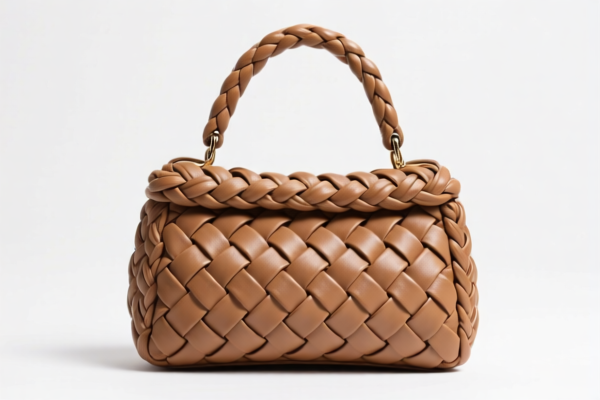
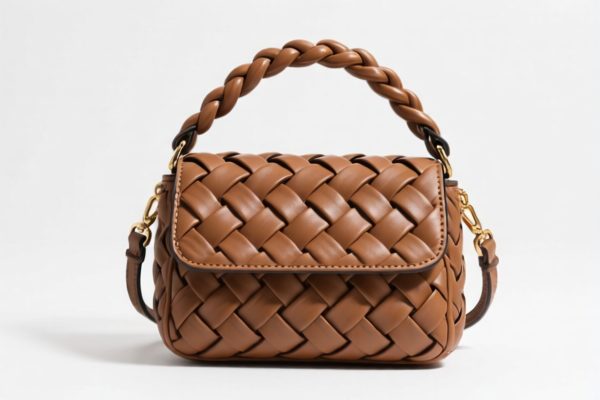
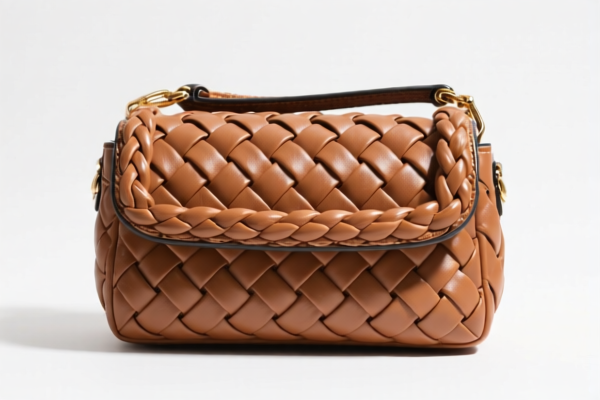
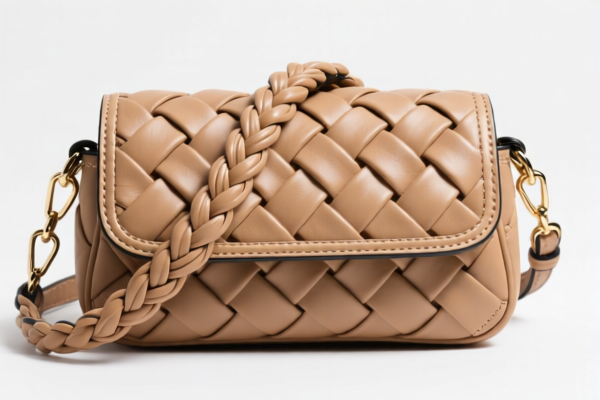
AI Analysis
👜 Braided Handbag – Vintage Style
🌐 HS Code Reference & Customs Clearance Guide | 2026 Latest Tariff Analysis | Professional Entry Strategy
📌 I. Product Definition & Classification: Do You Really Understand "Braided Handbags"?
The "Braided Handbag" is a timeless accessory known for its eco-friendly aesthetic and durable structure. In international trade, it is not classified as a single entity. Its HS Code depends strictly on the material composition and construction method.
Misclassification is the #1 cause of customs delays and penalties for handbags. Below is the precise breakdown based on the provided data for US imports from China.
⚠️ Key Distinction Point:
- Are they made of woven textile fibers (e.g., cotton, synthetic yarn)? → Look at Chapter 42.
- Are they made of plant materials (e.g., bamboo, rattan, straw)? → Look at Chapter 46.
- Exact weave density and "outer surface" definition matter!
📦 II. HS Code Classification Details (2026 Latest Tariff Authority Comparison)
Based on the provided data, here are the four possible classifications for a "Braided Handbag."
| HS Code | Product Description | Material Composition | Why This Code? |
|---|---|---|---|
4202.22.40.20 |
Braided Handbag, Shape-Matched, Woven Material | Woven Material (General textile/woven fabric) | Matches the specific sub-heading for woven textiles that are "shape-matched" and not strictly plant-based. |
4602.19.29.20 |
Braided Handbag, Plant Material, Woven Article, Meets Use & Form | Plant Material (Vegetable fibers) | Specific to vegetable materials woven into bags that fit general use categories not covered by bamboo/rattan specific codes. |
4602.11.21.00 |
Braided Handbag, Bamboo/Rattan/Plant Material, Meets Classification | Bamboo/Rattan | For bags made primarily of bamboo, rattan, or similar tough plant materials. Requires strict compliance with woven article standards. |
4202.22.89.80 |
Braided Handbag, Textile Material, Non-Cotton/Non-Paper Yarn | Textile Material (Specific non-cotton) | Applies if the outer surface is textile but doesn't fit the specific "40.20" sub-category (e.g., different yarn type or weave structure). |
🔍 Critical Reminder:
- Chapter 46 is for vegetable materials (straw, bamboo, rattan, osier).
- Chapter 42 is for materials of leather, composition leather, or textile materials.
- Do not mix these chapters. A "jute bag" is Ch 46; a "polyester woven bag" is Ch 42.
💰 III. 2026 Latest Tariff Rate Detailed Analysis (Including Surcharges & Policy Add-ons)
✅ Applicable Country: United States (US)
✅ Origin: China (CN)
✅ Effective Date: Current trade regime (Section 301 + Section 122 implications)
🎯 1. 4202.22.40.20 —— Braided Handbag (Woven Material, Shape-Matched)
| Item | Content |
|---|---|
| Base Tariff | 7.4% (ad valorem) |
| Section 301 Surcharge | +25.0% (USITC Footnote 9903.88.01) |
| Section 122 Surcharge | +10.0% (Specific statutory provision) |
| Total Tax Rate | 42.4% |
| Tax Calculation | CIF Value × 42.4% |
| De Minimis Eligibility | ❌ No (High tariff burden denies small parcel exemptions) |
| Legal Basis Path | HTSUS:4202.22.40.20 → Section 301: 25% → Section 122: 10% |
📌 Explanation:
- The 7.4% is the standard Most Favored Nation (MFN) duty for woven textile handbags.
- The 25% is the standard Section 301 tariff on Chinese goods in this category.
- The 10% is a specific additional tariff (Section 122) applying to certain woven bags.
- Total 42.4% is a very high entry barrier. Cost structure must account for this.
🎯 2. 4602.19.29.20 —— Braided Handbag (Plant Material, General)
| Item | Content |
|---|---|
| Base Tariff | 5.3% (ad valorem) |
| Section 301 Surcharge | +25.0% |
| Section 122 Surcharge | +10.0% |
| Total Tax Rate | 40.3% |
| Tax Calculation | CIF Value × 40.3% |
| De Minimis Eligibility | ❌ No |
| Legal Basis Path | HTSUS:4602.19.29.20 → Section 301: 25% → Section 122: 10% |
📌 Explanation:
- Slightly lower base rate (5.3%) compared to Chapter 42.
- Still burdened by 35% total surcharges.
- Suitable for bags made of straw, seagrass, or mixed vegetable fibers that don't fit the bamboo/rattan specific code.
🎯 3. 4602.11.21.00 —— Braided Handbag (Bamboo/Rattan Specific)
| Item | Content |
|---|---|
| Base Tariff | 6.2% (ad valorem) |
| Section 301 Surcharge | +25.0% |
| Section 122 Surcharge | +10.0% |
| Total Tax Rate | 41.2% |
| Tax Calculation | CIF Value × 41.2% |
| De Minimis Eligibility | ❌ No |
| Legal Basis Path | HTSUS:4602.11.21.00 → Section 301: 25% → Section 122: 10% |
📌 Explanation:
- Base rate is 6.2%.
- This code is for structural plant materials like bamboo or rattan.
- If the bag is stiff and made of these materials, this is the correct code.
- 41.2% total duty.
🎯 4. 4202.22.89.80 —— Braided Handbag (Textile, Non-Cotton/Paper)
| Item | Content |
|---|---|
| Base Tariff | 17.6% (ad valorem) |
| Section 301 Surcharge | +25.0% |
| Section 122 Surcharge | +10.0% |
| Total Tax Rate | 52.6% |
| Tax Calculation | CIF Value × 52.6% |
| De Minimis Eligibility | ❌ No |
| Legal Basis Path | HTSUS:4202.22.89.80 → Section 301: 25% → Section 122: 10% |
📌 Explanation:
- HIGHEST RATE: 52.6%.
- This applies if the bag is made of textile materials (e.g., polyester, nylon, acrylic) that are woven but do not fit the specific "40.20" or other cotton/paper definitions.
- Warning: Many sellers mistakenly use "woven" to mean "textile," triggering this higher base rate.
🛠️ IV. Customs Clearance Practical Advice (Real-World Pitfall Avoidance)
✅ 1. Preparation Checklist (Non-Negotiable)
| Document | Must Provide | Purpose |
|---|---|---|
| ✅ Material Composition Statement | ✔️ | Must specify: 100% Rattan? 50% Cotton/50% Polyester? Vague terms like "eco-material" will be rejected. |
| ✅ Product Photos (Close-up) | ✔️ | Show the weave texture. Is it plant fiber? Is it yarn? |
| ✅ Structure Diagram | ✔️ | Does it have a lining? Is it rigid (bamboo) or flexible (cloth)? |
| ✅ Commercial Invoice | ✔️ | Must clearly state: "Braided Handbag, Material: [Specific Plant/Textile]," "Country of Origin: China." |
| ✅ Packing List | ✔️ | Weight and dimensions for duty calculation. |
✅ 2. Classification Strategy (Key Mantra)
🔥 “Plant is Chapter 46, Textile is Chapter 42. Wrong Chapter = Penalty + Delay!”
| Scenario | Correct HS Code | Risk if Wrong |
|---|---|---|
| Bag made of Bamboo/Rattan strips | 4602.11.21.00 |
Misclassifying as textile (4202...) → Base rate jumps from 6.2% to 17.6%. |
| Bag made of Straw/Wheat Grass | 4602.19.29.20 |
Misclassifying as textile → Base rate jumps from 5.3% to 17.6%. |
| Bag made of Woven Polyester/Cotton | 4202.22.40.20 or 89.80 |
Misclassifying as plant → Misdeclaration of Origin/Material, potential fraud penalty. |
| Bag with mixed materials (e.g., canvas + plastic weave) | 4202.22.89.80 |
If plant content is minor, it’s textile. Base rate 17.6%. |
✅ 3. Special Considerations for US Imports
| Situation | Advice |
|---|---|
| Section 122 Tariff (10%) | This is a fixed add-on for certain woven bags from China. It does not apply to all imports. Ensure your HTS code is eligible for the exemption or confirm liability. |
| De Minimis (Section 321) | ❌ Do not rely on $800 De Minimis exemption. With base tariffs >5% + Section 301 (25%), most handbags do not qualify for tax-free entry under de minimis if Section 301 applies. Verify current CBP rulings. |
| Vintage Style Claim | "Vintage" is a marketing term, not a classification term. Customs looks at material and construction. Do not declare as "Antique" to avoid tariffs. |
🌍 V. Global Market Tariff Comparison (2026 Latest)
| Country/Region | Recommended HS Code | Estimated Total Duty (China Origin) | Notes |
|---|---|---|---|
| 🇺🇸 USA | 4202.22.40.20 or 4602.19.29.20 |
40.3% – 52.6% | High Section 301 + Section 122 duties. |
| 🇨🇳 China | Same HS Code | ~10% - 15% | Import duty into China is lower; no Section 301. |
| 🇪🇺 EU | 4202.22 or 4602.11 |
4% - 12% | No Section 301. VAT applies separately (19-27%). |
| 🇬🇧 UK | 4202.22 or 4602.11 |
12% | Post-Brexit tariffs. No US-style surcharges. |
| 🇨🇦 Canada | 4202.22 or 4602.11 |
0% - 12% | CUSMA may apply if originating in North America. |
📌 Conclusion:
- USA is the most expensive market for Chinese braided handbags due to Section 301 (25%) and Section 122 (10%).
- EU and UK are more favorable, with standard MFN rates only.
- Consider third-country assembly (e.g., Vietnam, India) for US-bound goods to mitigate Section 301 risks, but ensure substantial transformation occurs.
📌 VI. Common Mistakes & Pitfall Guide (Lessons Learned)
❌ Mistake 1: Declaring a Polyester Woven Bag as "Bamboo Handbag" (4602...)
👉 Consequence: Customs inspection reveals synthetic fibers → False Declaration Penalty + Back Duties.
❌ Mistake 2: Ignoring Section 122
👉 Consequence: Underpayment of 10%. CBP will assess interest and penalties on future shipments.
❌ Mistake 3: Using "Vintage" to avoid Tariffs
👉 Consequence: "Vintage" is not a customs classification. CBP will reclassify based on material.
✅ Correct Practice:
"Handbag, Women's, Hand-Woven, Outer Surface: 100% Rattan Fiber, Lining: Polyester. Country of Origin: China."
🎯 VII. Conclusion: Precision in Classification Saves Money!
🎯 Remember the Mantra:
🔹 "Plant = Ch 46 (Lower Base), Textile = Ch 42 (Higher Base)."
🔹 "Section 301 + Section 122 = 35% Extra Tax. Always Include It!"
🔹 "HS Code Determines Your Profit Margin. Get It Right First Time!"
📌 Pro Tip:
If your handbags are made from non-Chinese raw materials (e.g., Vietnamese rattan woven in China), you may qualify for different rules of origin. Consult a trade attorney to explore Section 301 exemptions or country-of-origin shifts.
📣 Immediate Action:
📞 Contact a licensed customs broker before shipping.
📦 Provide material specs and photos.
🚀 Ensure accurate HTS classification to avoid 40-50% tariff shocks.
✨ Professional Clearance Starts with Accurate Classification!
💼 Your Every Dollar of Duty is Worth Calculating!
Customer Reviews
About HS Code Classification
The Harmonized System (HS) is an internationally standardized nomenclature developed by the World Customs Organization (WCO) to classify traded products. Over 200 countries use the HS system as the basis for customs tariffs, trade statistics, and import/export regulations.
Each HS code follows a hierarchical structure:
- Chapter (2 digits) — Broad category of goods (e.g., Chapter 84: Machinery and Mechanical Appliances)
- Heading (4 digits) — More specific grouping within the chapter
- Subheading (6 digits) — Internationally standardized breakdown, used by all WCO member countries
- National subdivisions (8-10 digits) — Country-specific extensions for further classification, such as US HTSUS 10-digit codes
Correct HS code classification is essential for smooth customs clearance, accurate duty payment, and compliance with trade regulations. Misclassification can lead to customs delays, overpayment of duties, or penalties.
When importing from CN to US, the applicable tariff rates may include:
- Most-Favored-Nation (MFN) rate — The standard duty rate applied to WTO members
- General rate — Applied to countries without trade agreements
- Trade remedy duties — Additional tariffs such as Section 301 (anti-dumping), Section 232 (national security), or countervailing duties
The information provided on this page is for reference purposes only. For official classification, please consult with your local customs authority or a licensed customs broker.