Bread Baking Pan
CN → US| HS编码 | 关税税率 | 原产国 | 目的国 | 文档 |
|---|---|---|---|---|
| 3924905650 | 20.9% | CN | US | 官方文档 |
| 3924104000 | 13.4% | CN | US | 官方文档 |
| 8516720000 | 15.3% | CN | US | 官方文档 |
| 7323999030 | 88.4% | CN | US | 官方文档 |
| 7323999080 | 88.4% | CN | US | 官方文档 |
| 8516908500 | 38.9% | CN | US | 官方文档 |
商品图片
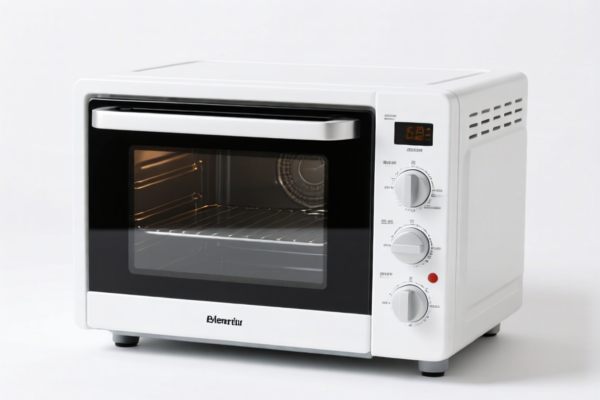
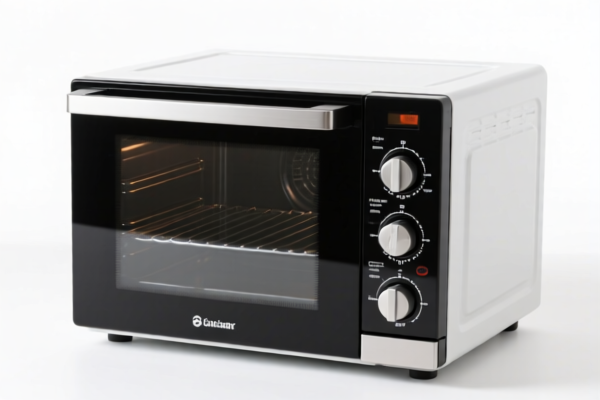
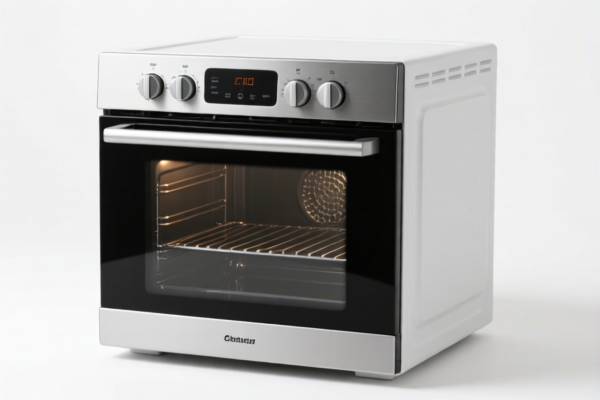

AI分析
🍞 Bread Baking Pan: HS Code Classification & US Tariff Deep Dive (2026)
🌐 HS Code Reference & Customs Clearance Guide | 2026 Latest Tariff Analysis | Professional Level Compliance Strategy
📌 I. Product Definition & Classification: What Exactly is a "Bread Baking Pan"?
A "Bread Baking Pan" is a broad category in international trade, ranging from simple plastic molds to high-tech electric appliances. In US customs classification, the material and function are the deciding factors.
Key Distinctions: * Plastic Molds/Trays: Used for shaping raw dough or cooling. No heating element. → Chapter 39 * Metal Baking Pans (Iron/Steel): Used for oven baking. Non-electric. → Chapter 73 * Electric Bread Machines/Ovens: Contain heating elements and controls. → Chapter 85
⚠️ Critical Classification Point:
- If it is plastic and just a mold → 3924
- If it is metal (steel/iron) and non-electric → 7323
- If it is electric (heats itself) → 8516
📦 II. HS Code Classification Details (Based on Provided Data)
The following HS codes are derived strictly from the provided dataset for "Bread Baking Related Uses."
| HS Code | Product Description | Material/Type | Key Identifier |
|---|---|---|---|
3924.90.56.50 |
Plastic tableware, kitchenware, suitable for baking bread uses | Plastic | Has "122 Section" tariff (10%) + Additional Tariffs |
3924.10.40.00 |
Plastic tableware, kitchenware, suitable for baking bread uses | Plastic | No "122 Section" tariff (0%) |
8516.72.00.00 |
Other electric domestic space heating equipment, suitable for baking bread uses | Electric Appliance | Heating element integrated (e.g., Electric Bread Maker) |
7323.99.90.30 |
Iron or steel tableware, kitchenware or other household articles, suitable for baking bread uses | Steel/Iron | Subject to 50% Additional Tariff (Steel/Al/Cu) |
7323.99.90.80 |
Iron or steel household articles, suitable for baking bread uses | Steel/Iron | Subject to 50% Additional Tariff (Steel/Al/Cu) |
🔍 Important Note:
- Plastic vs. Metal: Plastic pans generally have much lower total tariffs (13.4% - 20.9%) compared to Metal pans (88.4%). - Electric vs. Non-Electric: Electric appliances fall under a different chapter (85) and have a moderate tariff (15.3%), but they are distinct from simple baking molds.
💰 III. 2026 Latest Tariff Rate Breakdown (Including Surcharges & Policy Add-ons)
✅ Applicable Country: United States (US)
✅ Origin: China (CN)
✅ Effective Time: Current rates based on provided data (including Section 301, Section 232, and Section 122 implications)
🎯 1. 3924.90.56.50 —— Plastic Kitchenware (Baking Use)
| Item | Content |
|---|---|
| Base Tariff | 3.4% |
| Additional Tariff (Section 301) | 7.5% |
| Section 122 Tariff | 10% |
| Total Tax Rate | 20.9% |
| Tax Calculation | CIF Value × 20.9% |
| De Minimis Exemption? | ❌ No (De minimis usually excludes goods subject to Section 301/122) |
| Legal Basis Path | HTSUS: 3924.90.56.50 → USITC Footnote → Section 122 (10%) + Section 301 (7.5%) |
📌 Explanation:
- This code attracts both the standard Section 301 tariff (7.5%) and the Section 122 tariff (10%). - Section 122 often targets specific categories of consumer goods, including plastics. - Total cost impact: ~21%.
🎯 2. 3924.10.40.00 —— Plastic Tableware (Baking Use)
| Item | Content |
|---|---|
| Base Tariff | 3.4% |
| Additional Tariff (Section 301) | 0.0% |
| Section 122 Tariff | 10% |
| Total Tax Rate | 13.4% |
| Tax Calculation | CIF Value × 13.4% |
| De Minimis Exemption? | ❌ No (Subject to Section 122) |
| Legal Basis Path | HTSUS: 3924.10.40.00 → USITC Footnote → Section 122 (10%) |
📌 Explanation:
- Key Advantage: This code avoids the 7.5% Section 301 tariff. - However, it still incurs the 10% Section 122 tariff. - Total cost impact: ~13.4%. This is significantly cheaper than the other plastic code (3924.90.56.50).
🎯 3. 8516.72.00.00 —— Electric Domestic Heating Equipment (Baking)
| Item | Content |
|---|---|
| Base Tariff | 5.3% |
| Additional Tariff (Section 301) | 0.0% |
| Section 122 Tariff | 10% |
| Total Tax Rate | 15.3% |
| Tax Calculation | CIF Value × 15.3% |
| De Minimis Exemption? | ❌ No |
| Legal Basis Path | HTSUS: 8516.72.00.00 → USITC Footnote → Section 122 (10%) |
📌 Explanation:
- Applies to electric bread makers or heating pans. - No Section 301 tariff, but Section 122 applies. - Total cost impact: ~15.3%.
🎯 4. 7323.99.90.30 —— Iron/Steel Tableware (Baking Use)
| Item | Content |
|---|---|
| Base Tariff | 3.4% |
| Additional Tariff (Section 301) | 25.0% |
| Section 122 Tariff | 10% |
| Steel/Al/Cu Additional Tariff | 50% |
| Total Tax Rate | 88.4% |
| Tax Calculation | CIF Value × 88.4% |
| De Minimis Exemption? | ❌ No |
| Legal Basis Path | HTSUS: 7323.99.90.30 → USITC Footnote → Section 301 (25%) + Section 232 (Steel 50%) + Section 122 (10%) |
📌 Explanation:
- Critical Warning: This is a high-penalty code. - It combines Section 301 (25%), Section 232 (50% for Steel), and Section 122 (10%). - Total cost impact: ~88.4%. This makes steel baking pans extremely expensive to import to the US from China.
🎯 5. 7323.99.90.80 —— Iron/Steel Household Articles (Baking Use)
| Item | Content |
|---|---|
| Base Tariff | 3.4% |
| Additional Tariff (Section 301) | 25.0% |
| Section 122 Tariff | 10% |
| Steel/Al/Cu Additional Tariff | 50% |
| Total Tax Rate | 88.4% |
| Tax Calculation | CIF Value × 88.4% |
| De Minimis Exemption? | ❌ No |
| Legal Basis Path | HTSUS: 7323.99.90.80 → USITC Footnote → Section 301 (25%) + Section 232 (Steel 50%) + Section 122 (10%) |
📌 Explanation:
- Same as above: 88.4% total tariff. - Category is broader ("Household Articles"), but the material (Steel) triggers the 50% Section 232 tariff. - Total cost impact: ~88.4%.
🛠️ IV. Customs Clearance Practical Advice (Avoid Pitfalls)
✅ 1. Document Checklist (Mandatory)
| Document | Required? | Notes |
|---|---|---|
| ✅ Product Specifications | ✔️ | Must clearly state: Material (Plastic/Metal/Electric), Function (Mold vs. Heater), Capacity. |
| ✅ Material Declaration | ✔️ | Critical for distinguishing between 3924 (Plastic) and 7323 (Steel). |
| ✅ Electrical Schematic | ✔️ | If claiming 8516.72.00.00, prove it is an electric heating device, not just a mold. |
| ✅ Commercial Invoice | ✔️ | Description must match HS Code definition precisely. |
| ✅ Origin Certificate | ✔️ | Essential for determining Section 301/232 applicability. |
| ✅ Photos (Clear View) | ✔️ | Show product shape, labels, and any heating elements. |
✅ 2. Classification Strategy (Key Tips)
🔥 "Material Matters, Electricity Counts, Steel Gets Hit Hard!"
| Scenario | Recommended HS Code | Why? |
|---|---|---|
| Silicone/Plastic Bread Mold | 3924.10.40.00 |
Lowest Plastic Tariff (13.4%). Avoids Section 301. |
| Other Plastic Baking Tray | 3924.90.56.50 |
Higher plastic tariff (20.9%) due to Section 301 + 122. |
| Electric Bread Maker | 8516.72.00.00 |
Classified as appliance. Moderate tariff (15.3%). |
| Steel/Metal Baking Pan | 7323.99.90.30/80 |
Highest Tariff (88.4%). Avoid if possible due to Steel 50% penalty. |
📌 Strategic Advice:
- If you produce plastic bread pans, try to classify under3924.10.40.00if the design/form fits, as it saves 7.5% compared to3924.90.56.50. - Avoid Steel Pans from China if possible, due to the 88.4% combined tariff. Consider sourcing from non-China origins or switching to Plastic/Silicone materials. - Electric Appliances are mid-range (15.3%) but require stricter electrical compliance docs (UL/ETL).
✅ 3. Special Circumstances
| Situation | Handling Advice |
|---|---|
| Mixed Materials | If a pan is Plastic with Metal Handle, classify based on essential character (usually the main body). If Plastic body → 3924. |
| OEM/Private Label | Ensure invoice reflects actual manufacturer. Mislabeling origin can lead to severe penalties. |
| "Bread Maker" vs. "Pan" | If it’s a machine that kneads and bakes, it’s 8516.72.00.00. If it’s just a tray, it’s not 8516. |
| Section 122 Eligibility | Verify if your product form factor qualifies for Section 122. Some plastic tableware may be exempt or included depending on current USITC rulings. |
🌍 V. Global Market Comparison (2026 Snapshot)
| Region | Likely HS Code | Est. Tariff Impact | Notes |
|---|---|---|---|
| 🇺🇸 USA | 3924.10.40.00 (Plastic) |
13.4% | Best plastic option. Steel is ~88.4%. |
| 🇺🇸 USA | 7323.99.90.30 (Steel) |
88.4% | Avoid unless high-margin. |
| 🇪🇺 EU | Varies | Low (0-6%) | No Section 301/122. Focus on CE/RoHS. |
| 🇨🇳 China | Varies | Low (0-10%) | Domestic trade has different duties. |
📌 Conclusion:
- USA is the most punitive market for Steel Baking Pans from China. - Plastic Pans offer a viable path with careful HS Code selection (3924.10.40.00vs3924.90.56.50). - Electric Appliances are a middle ground, requiring compliance but lower tariffs than steel.
📌 VI. Common Errors & Pitfalls (Lessons Learned)
❌ Error 1: Classifying a Steel Pan as 3924 (Plastic)
👉 Consequence: Fraud, heavy penalties, seizure of goods. Customs will inspect material.
❌ Error 2: Classifying a Plastic Pan as 3924.10.40.00 when it doesn’t fit the specific subheading
👉 Consequence: Misclassification, potential 7.5% retroactive tax + interest.
❌ Error 3: Ignoring Section 122 for Plastic Items
👉 Consequence: Unexpected 10% tariff at customs, causing cash flow issues.
❌ Error 4: Declaring Steel Pans as "Household Goods" without noting Steel
👉 Consequence: Missing the 50% Section 232 tariff → 88.4% instead of estimated lower rate.
✅ Correct Declaration Example:
"Plastic Bread Baking Mold, Non-Electric, Food Grade Silicone, Model: XYZ, Made in China"
HS Code:3924.10.40.00
Tariff: 13.4%
🎯 VII. Conclusion: Smart Classification Saves Money!
🎯 Remember the Golden Rules:
🔹 "Plastic is King (for low tariffs):
3924.10.40.00= 13.4%"
🔹 "Steel is Heavy (for taxes):7323= 88.4% – Avoid if possible!"
🔹 "Electric is Mid-Range:8516= 15.3%"
🔹 "Always Check: Section 301, Section 122, and Steel 232!"
📌 Pro Tip:
If you are importing Steel bread pans, consider:
1. Re-classifying if the product has significant plastic components.
2. Sourcing from non-China countries (e.g., Vietnam, Mexico) to avoid Section 301/232.
3. Switching to Plastic/Silicone molds for better margin protection.
📣 Action Required:
📞 Consult a Customs Broker to verify
3924.10.40.00eligibility for your specific plastic mold design.
🚀 Optimize your Bill of Lading to clearly state material composition to avoid audits.
✨ Accurate Classification, Maximized Profit!
💼 Your Bottom Line Depends on the Right HS Code!
用户评价
关于 HS 编码归类
协调制度(HS)是由世界海关组织(WCO)制定的国际贸易商品分类标准。全球 200 多个国家采用 HS 系统作为海关关税、贸易统计和进出口监管的基础。
每个 HS 编码遵循以下层级结构:
- 章(2 位)——商品大类(例如:第 84 章:机器和机械设备)
- 品目(4 位)——章内的更具体分类
- 子目(6 位)——国际通用细分,所有 WCO 成员国统一使用
- 本国细分(8-10 位)——各国自行扩展的细分编码,如美国 HTSUS 10 位编码
正确的 HS 编码归类对于顺利通关、准确缴纳关税和遵守贸易法规至关重要。错误归类可能导致海关延误、多缴关税或罚款。
从CN进口到US时,适用的关税税率可能包括:
- 最惠国(MFN)税率——适用于 WTO 成员国的标准关税税率
- 普通税率——适用于无贸易协定国家
- 贸易救济关税——附加关税,如 301 条款(反倾销)、232 条款(国家安全)或反补贴税
本页内容仅供参考。如需正式归类,请咨询当地海关或持牌报关代理。