Bread Baking Pan
CN → US| HS Code | Tariff Rate | Origin | Destination | Doc |
|---|---|---|---|---|
| 3924905650 | 20.9% | CN | US | Official Doc |
| 3924104000 | 13.4% | CN | US | Official Doc |
| 8516720000 | 15.3% | CN | US | Official Doc |
| 7323999030 | 88.4% | CN | US | Official Doc |
| 7323999080 | 88.4% | CN | US | Official Doc |
| 8516908500 | 38.9% | CN | US | Official Doc |
Product Images
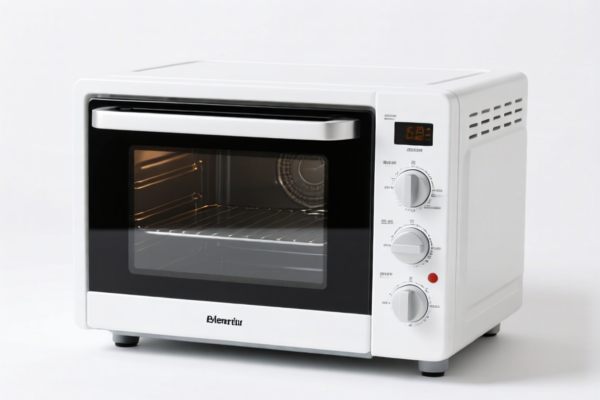
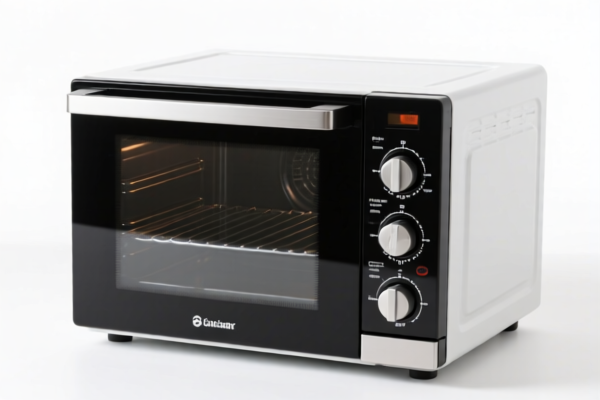
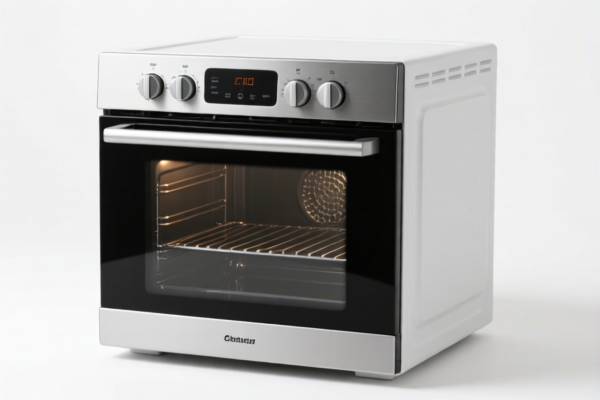

AI Analysis
🍞 Bread Baking Pan: HS Code Classification & US Tariff Deep Dive (2026)
🌐 HS Code Reference & Customs Clearance Guide | 2026 Latest Tariff Analysis | Professional Level Compliance Strategy
📌 I. Product Definition & Classification: What Exactly is a "Bread Baking Pan"?
A "Bread Baking Pan" is a broad category in international trade, ranging from simple plastic molds to high-tech electric appliances. In US customs classification, the material and function are the deciding factors.
Key Distinctions: * Plastic Molds/Trays: Used for shaping raw dough or cooling. No heating element. → Chapter 39 * Metal Baking Pans (Iron/Steel): Used for oven baking. Non-electric. → Chapter 73 * Electric Bread Machines/Ovens: Contain heating elements and controls. → Chapter 85
⚠️ Critical Classification Point:
- If it is plastic and just a mold → 3924
- If it is metal (steel/iron) and non-electric → 7323
- If it is electric (heats itself) → 8516
📦 II. HS Code Classification Details (Based on Provided Data)
The following HS codes are derived strictly from the provided dataset for "Bread Baking Related Uses."
| HS Code | Product Description | Material/Type | Key Identifier |
|---|---|---|---|
3924.90.56.50 |
Plastic tableware, kitchenware, suitable for baking bread uses | Plastic | Has "122 Section" tariff (10%) + Additional Tariffs |
3924.10.40.00 |
Plastic tableware, kitchenware, suitable for baking bread uses | Plastic | No "122 Section" tariff (0%) |
8516.72.00.00 |
Other electric domestic space heating equipment, suitable for baking bread uses | Electric Appliance | Heating element integrated (e.g., Electric Bread Maker) |
7323.99.90.30 |
Iron or steel tableware, kitchenware or other household articles, suitable for baking bread uses | Steel/Iron | Subject to 50% Additional Tariff (Steel/Al/Cu) |
7323.99.90.80 |
Iron or steel household articles, suitable for baking bread uses | Steel/Iron | Subject to 50% Additional Tariff (Steel/Al/Cu) |
🔍 Important Note:
- Plastic vs. Metal: Plastic pans generally have much lower total tariffs (13.4% - 20.9%) compared to Metal pans (88.4%). - Electric vs. Non-Electric: Electric appliances fall under a different chapter (85) and have a moderate tariff (15.3%), but they are distinct from simple baking molds.
💰 III. 2026 Latest Tariff Rate Breakdown (Including Surcharges & Policy Add-ons)
✅ Applicable Country: United States (US)
✅ Origin: China (CN)
✅ Effective Time: Current rates based on provided data (including Section 301, Section 232, and Section 122 implications)
🎯 1. 3924.90.56.50 —— Plastic Kitchenware (Baking Use)
| Item | Content |
|---|---|
| Base Tariff | 3.4% |
| Additional Tariff (Section 301) | 7.5% |
| Section 122 Tariff | 10% |
| Total Tax Rate | 20.9% |
| Tax Calculation | CIF Value × 20.9% |
| De Minimis Exemption? | ❌ No (De minimis usually excludes goods subject to Section 301/122) |
| Legal Basis Path | HTSUS: 3924.90.56.50 → USITC Footnote → Section 122 (10%) + Section 301 (7.5%) |
📌 Explanation:
- This code attracts both the standard Section 301 tariff (7.5%) and the Section 122 tariff (10%). - Section 122 often targets specific categories of consumer goods, including plastics. - Total cost impact: ~21%.
🎯 2. 3924.10.40.00 —— Plastic Tableware (Baking Use)
| Item | Content |
|---|---|
| Base Tariff | 3.4% |
| Additional Tariff (Section 301) | 0.0% |
| Section 122 Tariff | 10% |
| Total Tax Rate | 13.4% |
| Tax Calculation | CIF Value × 13.4% |
| De Minimis Exemption? | ❌ No (Subject to Section 122) |
| Legal Basis Path | HTSUS: 3924.10.40.00 → USITC Footnote → Section 122 (10%) |
📌 Explanation:
- Key Advantage: This code avoids the 7.5% Section 301 tariff. - However, it still incurs the 10% Section 122 tariff. - Total cost impact: ~13.4%. This is significantly cheaper than the other plastic code (3924.90.56.50).
🎯 3. 8516.72.00.00 —— Electric Domestic Heating Equipment (Baking)
| Item | Content |
|---|---|
| Base Tariff | 5.3% |
| Additional Tariff (Section 301) | 0.0% |
| Section 122 Tariff | 10% |
| Total Tax Rate | 15.3% |
| Tax Calculation | CIF Value × 15.3% |
| De Minimis Exemption? | ❌ No |
| Legal Basis Path | HTSUS: 8516.72.00.00 → USITC Footnote → Section 122 (10%) |
📌 Explanation:
- Applies to electric bread makers or heating pans. - No Section 301 tariff, but Section 122 applies. - Total cost impact: ~15.3%.
🎯 4. 7323.99.90.30 —— Iron/Steel Tableware (Baking Use)
| Item | Content |
|---|---|
| Base Tariff | 3.4% |
| Additional Tariff (Section 301) | 25.0% |
| Section 122 Tariff | 10% |
| Steel/Al/Cu Additional Tariff | 50% |
| Total Tax Rate | 88.4% |
| Tax Calculation | CIF Value × 88.4% |
| De Minimis Exemption? | ❌ No |
| Legal Basis Path | HTSUS: 7323.99.90.30 → USITC Footnote → Section 301 (25%) + Section 232 (Steel 50%) + Section 122 (10%) |
📌 Explanation:
- Critical Warning: This is a high-penalty code. - It combines Section 301 (25%), Section 232 (50% for Steel), and Section 122 (10%). - Total cost impact: ~88.4%. This makes steel baking pans extremely expensive to import to the US from China.
🎯 5. 7323.99.90.80 —— Iron/Steel Household Articles (Baking Use)
| Item | Content |
|---|---|
| Base Tariff | 3.4% |
| Additional Tariff (Section 301) | 25.0% |
| Section 122 Tariff | 10% |
| Steel/Al/Cu Additional Tariff | 50% |
| Total Tax Rate | 88.4% |
| Tax Calculation | CIF Value × 88.4% |
| De Minimis Exemption? | ❌ No |
| Legal Basis Path | HTSUS: 7323.99.90.80 → USITC Footnote → Section 301 (25%) + Section 232 (Steel 50%) + Section 122 (10%) |
📌 Explanation:
- Same as above: 88.4% total tariff. - Category is broader ("Household Articles"), but the material (Steel) triggers the 50% Section 232 tariff. - Total cost impact: ~88.4%.
🛠️ IV. Customs Clearance Practical Advice (Avoid Pitfalls)
✅ 1. Document Checklist (Mandatory)
| Document | Required? | Notes |
|---|---|---|
| ✅ Product Specifications | ✔️ | Must clearly state: Material (Plastic/Metal/Electric), Function (Mold vs. Heater), Capacity. |
| ✅ Material Declaration | ✔️ | Critical for distinguishing between 3924 (Plastic) and 7323 (Steel). |
| ✅ Electrical Schematic | ✔️ | If claiming 8516.72.00.00, prove it is an electric heating device, not just a mold. |
| ✅ Commercial Invoice | ✔️ | Description must match HS Code definition precisely. |
| ✅ Origin Certificate | ✔️ | Essential for determining Section 301/232 applicability. |
| ✅ Photos (Clear View) | ✔️ | Show product shape, labels, and any heating elements. |
✅ 2. Classification Strategy (Key Tips)
🔥 "Material Matters, Electricity Counts, Steel Gets Hit Hard!"
| Scenario | Recommended HS Code | Why? |
|---|---|---|
| Silicone/Plastic Bread Mold | 3924.10.40.00 |
Lowest Plastic Tariff (13.4%). Avoids Section 301. |
| Other Plastic Baking Tray | 3924.90.56.50 |
Higher plastic tariff (20.9%) due to Section 301 + 122. |
| Electric Bread Maker | 8516.72.00.00 |
Classified as appliance. Moderate tariff (15.3%). |
| Steel/Metal Baking Pan | 7323.99.90.30/80 |
Highest Tariff (88.4%). Avoid if possible due to Steel 50% penalty. |
📌 Strategic Advice:
- If you produce plastic bread pans, try to classify under3924.10.40.00if the design/form fits, as it saves 7.5% compared to3924.90.56.50. - Avoid Steel Pans from China if possible, due to the 88.4% combined tariff. Consider sourcing from non-China origins or switching to Plastic/Silicone materials. - Electric Appliances are mid-range (15.3%) but require stricter electrical compliance docs (UL/ETL).
✅ 3. Special Circumstances
| Situation | Handling Advice |
|---|---|
| Mixed Materials | If a pan is Plastic with Metal Handle, classify based on essential character (usually the main body). If Plastic body → 3924. |
| OEM/Private Label | Ensure invoice reflects actual manufacturer. Mislabeling origin can lead to severe penalties. |
| "Bread Maker" vs. "Pan" | If it’s a machine that kneads and bakes, it’s 8516.72.00.00. If it’s just a tray, it’s not 8516. |
| Section 122 Eligibility | Verify if your product form factor qualifies for Section 122. Some plastic tableware may be exempt or included depending on current USITC rulings. |
🌍 V. Global Market Comparison (2026 Snapshot)
| Region | Likely HS Code | Est. Tariff Impact | Notes |
|---|---|---|---|
| 🇺🇸 USA | 3924.10.40.00 (Plastic) |
13.4% | Best plastic option. Steel is ~88.4%. |
| 🇺🇸 USA | 7323.99.90.30 (Steel) |
88.4% | Avoid unless high-margin. |
| 🇪🇺 EU | Varies | Low (0-6%) | No Section 301/122. Focus on CE/RoHS. |
| 🇨🇳 China | Varies | Low (0-10%) | Domestic trade has different duties. |
📌 Conclusion:
- USA is the most punitive market for Steel Baking Pans from China. - Plastic Pans offer a viable path with careful HS Code selection (3924.10.40.00vs3924.90.56.50). - Electric Appliances are a middle ground, requiring compliance but lower tariffs than steel.
📌 VI. Common Errors & Pitfalls (Lessons Learned)
❌ Error 1: Classifying a Steel Pan as 3924 (Plastic)
👉 Consequence: Fraud, heavy penalties, seizure of goods. Customs will inspect material.
❌ Error 2: Classifying a Plastic Pan as 3924.10.40.00 when it doesn’t fit the specific subheading
👉 Consequence: Misclassification, potential 7.5% retroactive tax + interest.
❌ Error 3: Ignoring Section 122 for Plastic Items
👉 Consequence: Unexpected 10% tariff at customs, causing cash flow issues.
❌ Error 4: Declaring Steel Pans as "Household Goods" without noting Steel
👉 Consequence: Missing the 50% Section 232 tariff → 88.4% instead of estimated lower rate.
✅ Correct Declaration Example:
"Plastic Bread Baking Mold, Non-Electric, Food Grade Silicone, Model: XYZ, Made in China"
HS Code:3924.10.40.00
Tariff: 13.4%
🎯 VII. Conclusion: Smart Classification Saves Money!
🎯 Remember the Golden Rules:
🔹 "Plastic is King (for low tariffs):
3924.10.40.00= 13.4%"
🔹 "Steel is Heavy (for taxes):7323= 88.4% – Avoid if possible!"
🔹 "Electric is Mid-Range:8516= 15.3%"
🔹 "Always Check: Section 301, Section 122, and Steel 232!"
📌 Pro Tip:
If you are importing Steel bread pans, consider:
1. Re-classifying if the product has significant plastic components.
2. Sourcing from non-China countries (e.g., Vietnam, Mexico) to avoid Section 301/232.
3. Switching to Plastic/Silicone molds for better margin protection.
📣 Action Required:
📞 Consult a Customs Broker to verify
3924.10.40.00eligibility for your specific plastic mold design.
🚀 Optimize your Bill of Lading to clearly state material composition to avoid audits.
✨ Accurate Classification, Maximized Profit!
💼 Your Bottom Line Depends on the Right HS Code!
Customer Reviews
About HS Code Classification
The Harmonized System (HS) is an internationally standardized nomenclature developed by the World Customs Organization (WCO) to classify traded products. Over 200 countries use the HS system as the basis for customs tariffs, trade statistics, and import/export regulations.
Each HS code follows a hierarchical structure:
- Chapter (2 digits) — Broad category of goods (e.g., Chapter 84: Machinery and Mechanical Appliances)
- Heading (4 digits) — More specific grouping within the chapter
- Subheading (6 digits) — Internationally standardized breakdown, used by all WCO member countries
- National subdivisions (8-10 digits) — Country-specific extensions for further classification, such as US HTSUS 10-digit codes
Correct HS code classification is essential for smooth customs clearance, accurate duty payment, and compliance with trade regulations. Misclassification can lead to customs delays, overpayment of duties, or penalties.
When importing from CN to US, the applicable tariff rates may include:
- Most-Favored-Nation (MFN) rate — The standard duty rate applied to WTO members
- General rate — Applied to countries without trade agreements
- Trade remedy duties — Additional tariffs such as Section 301 (anti-dumping), Section 232 (national security), or countervailing duties
The information provided on this page is for reference purposes only. For official classification, please consult with your local customs authority or a licensed customs broker.