Broadtail Lamb Fur
CN → US| HS编码 | 关税税率 | 原产国 | 目的国 | 文档 |
|---|---|---|---|---|
| 4301300000 | 10.0% | CN | US | 官方文档 |
| 4301900000 | 10.0% | CN | US | 官方文档 |
| 4102103000 | 12.0% | CN | US | 官方文档 |
| 4102293000 | 19.5% | CN | US | 官方文档 |
| 4301300000 | 10.0% | CN | US | 官方文档 |
商品图片
AI分析
🐑 Broadtail Lamb Fur (Broadtail Lamb Pelts)
🌐 HS Code Reference & Customs Clearance Guide | 2026 Latest Tariff Analysis | Professional Clearance Strategy
📌 Part 1: Product Definition & Classification: Do You Really Know "Broadtail"?
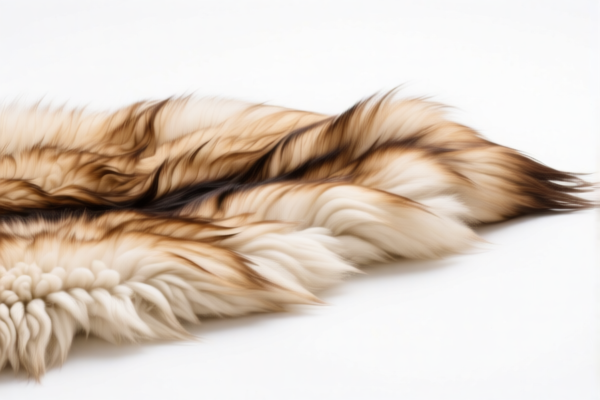
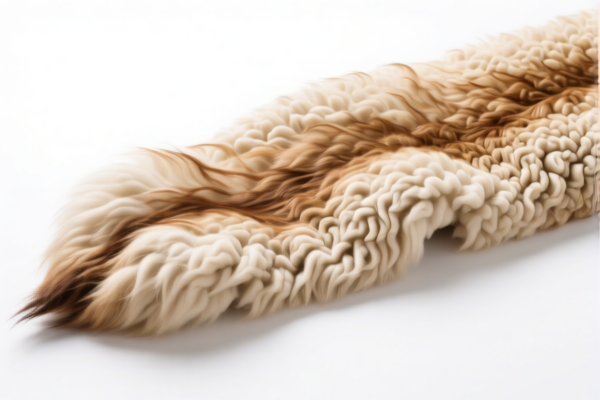
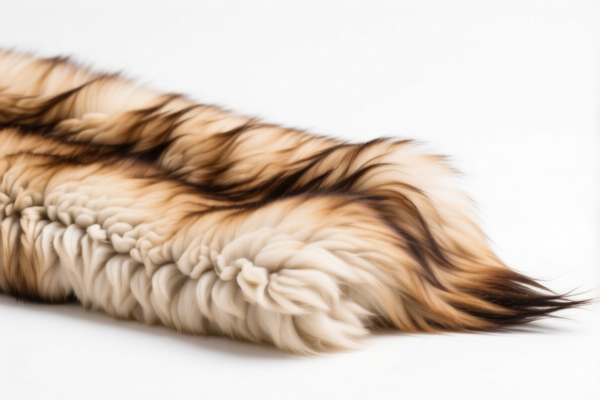
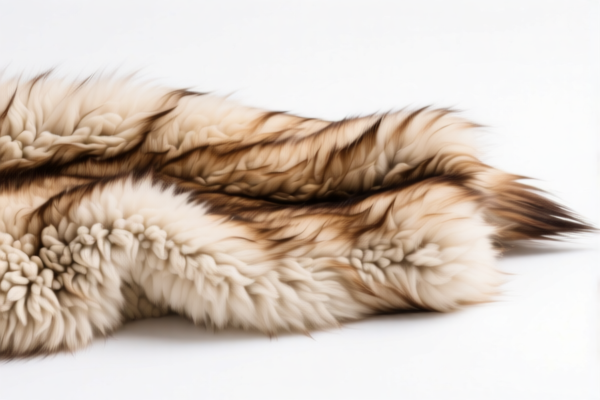
Broadtail Lamb Fur (also known as Caracul or Persian Lamb, depending on specific processing) is a high-value natural material derived from newborn or unborn lambs. In international trade, its classification depends heavily on its processing state and material nature:
- Raw Sheep/Lamb Skins (Chromed or Salted but not tanned for fur): If the pelt is treated merely to preserve it for further leather processing, it falls under Chapter 41.
- Raw Fur Skins (For Furrier Use): If the pelt is preserved in a way intended for fur garment manufacturing (often with hair on), it falls under Chapter 43.
⚠️ Key Distinction Point:
- If the material is classified as "Sheep or Lamb Skins" (leather precursor) → Code 4102.10.30.00 / 4102.29.30.00
- If the material is classified as "Raw Fur" (furrier raw material) → Code 4301.30.00.00 / 4301.90.00.00
📦 Part 2: HS Code Classification Details (Based on Provided Data)
| HS Code | Product Description | Applicability Scenario | Tax Rate |
|---|---|---|---|
4102.10.30.00 |
Sheep or Lamb Skins, not further prepared | Raw, untreated sheep/lamb pelts; leather precursor | 12.0% |
4102.29.30.00 |
Other Sheep or Lamb Skins, not further prepared | Raw pelts, potentially with slight variations in preparation | 19.5% |
4301.30.00.00 |
Broadtail Lamb Fur | Classified specifically as Broadtail/Lamb Fur; raw fur for garment use | 10.0% |
4301.90.00.00 |
Other Raw Furs, including heads, tails, paws | Raw fur skins not specifically listed as Broadtail; general fur category | 10.0% |
🔍 Important Reminder:
- Chapter 41 (Leather) vs. Chapter 43 (Fur) is the critical decision point.
-4301.30.00.00is the most specific and common code for Broadtail specifically.
-4102codes are used if the pelt is intended primarily for leather production rather than fur garments.
💰 Part 3: 2026 Tariff Rate Details (Including Additional Taxes)
✅ Applicable Country: United States (US)
✅ Origin: China (CN) (Assumed based on "122 Clause" reference typical in US-China trade data)
✅ Effective Time: Current applicable rates as per provided data
🎯 1. 4301.30.00.00 —— Broadtail Lamb Fur (Specific Fur Classification)
| Item | Content |
|---|---|
| Base Tariff | 0.0% (ad valorem) |
| Section 301 / Additional Tariff | 0.0% |
| Section 122 Tariff | +10% |
| Total Rate | 10.0% |
| Tax Calculation | CIF Value × 10% |
| De Minimis Exemption | ❌ Not Applicable (High-value luxury goods typically excluded) |
| Legal Basis | HTSUS 4301.30.00.00 + Section 122 Provision |
📌 Explanation:
- This is the most accurate code for Broadtail if classified as fur.
- The 10% Section 122 tariff is a specific additional duty.
- No base or Section 301 tariffs apply in this specific data set.
🎯 2. 4301.90.00.00 —— Other Raw Furs (General Fur Classification)
| Item | Content |
|---|---|
| Base Tariff | 0.0% |
| Section 301 / Additional Tariff | 0.0% |
| Section 122 Tariff | +10% |
| Total Rate | 10.0% |
| Tax Calculation | CIF Value × 10% |
| De Minimis Exemption | ❌ Not Applicable |
| Legal Basis | HTSUS 4301.90.00.00 + Section 122 Provision |
📌 Note:
- Same tax burden as4301.30.00.00.
- Use this if the pelt does not strictly meet the definition of "Broadtail" but is still a raw fur pelt.
🎯 3. 4102.10.30.00 —— Sheep/Lamb Skins (Leather Category)
| Item | Content |
|---|---|
| Base Tariff | 2.0% |
| Section 301 / Additional Tariff | 0.0% |
| Section 122 Tariff | +10% |
| Total Rate | 12.0% |
| Tax Calculation | CIF Value × 12% |
| De Minimis Exemption | ❌ Not Applicable |
| Legal Basis | HTSUS 4102.10.30.00 + Section 122 Provision |
📌 Explanation:
- If customs classifies the pelt as leather raw material (Chapter 41), the base rate is 2%.
- Total tax is 12% due to the 10% Section 122 addition.
- Risk: Misclassification from Fur (43) to Leather (41) can lead to penalties if the product is clearly intended for fur garments.
🎯 4. 4102.29.30.00 —— Other Sheep/Lamb Skins (Leather Category)
| Item | Content |
|---|---|
| Base Tariff | 2.0% |
| Section 301 / Additional Tariff | +7.5% |
| Section 122 Tariff | +10% |
| Total Rate | 19.5% |
| Tax Calculation | CIF Value × 19.5% |
| De Minimis Exemption | ❌ Not Applicable |
| Legal Basis | HTSUS 4102.29.30.00 + Section 301 + Section 122 |
📌 Warning:
- This is the highest tax rate (19.5%).
- Applies if the pelt is classified under Chapter 41 AND subject to an additional 7.5% tariff (possibly Section 301 or other specific duty).
- Avoid this code unless the product is definitively non-fur leather raw material.
🛠️ Part 4: Customs Clearance Practical Advice
✅ 1. Documentation Checklist (All Required)
| Document | Required | Description |
|---|---|---|
| ✅ Commercial Invoice | ✔️ | Must clearly state "Broadtail Lamb Fur" or "Raw Sheep Skins" and HS Code. |
| ✅ Packing List | ✔️ | Detail quantity, weight, and packaging type. |
| ✅ Material Certificate | ✔️ | Proof of material (Lamb/Sheep) and processing status (Raw/Chromed/Tanned). |
| ✅ Species Declaration | ✔️ | Specify if it is Broadtail, Caracul, or general lamb fur. |
| ✅ CITES Permit | ❓ | Check if the specific lamb breed is protected (usually not for common lamb, but verify). |
| ✅ Import License | ❓ | Some fur imports require USDA or USDA-APHIS permits depending on origin. |
✅ 2. Declaration Strategy (Key Tips)
🔥 “Classify by End-Use: Fur Garment = 43, Leather = 41”
| Scenario | Correct Declaration | Incorrect Declaration |
|---|---|---|
| Broadtail Pelts for Coats | 4301.30.00.00 (Fur) |
4102.10.30.00 (Leather) → Risk of penalty |
| Raw Sheep Skins for Leather | 4102.10.30.00 (Leather) |
4301.30.00.00 (Fur) → May face duty mismatch |
| Mixed Batch (Fur & Leather) | Split Declaration | Combined declaration → Customs delay |
| Processed Fur (Tanned) | Different Code (e.g., 4302) | Raw Fur Code → Incorrect |
✅ 3. Special Considerations
| Situation | Advice |
|---|---|
| Broadtail Specificity | If the pelt is clearly Broadtail (characterized by tight curl and softness), prefer 4301.30.00.00 to avoid higher leather duties if misclassified. |
| Section 122 Tariff | All codes in the provided data include a 10% Section 122 tariff. This is non-negotiable for most imports from China. |
| Value Declaration | High-value furs attract scrutiny. Ensure declared value matches market price to avoid under-valuation penalties. |
| Origin Marking | Clearly mark "Made in China" on packaging to ensure correct application of trade remedies. |
🌍 Part 5: Global Market Comparison (2026)
| Country/Region | Recommended HS Code | Tax Rate (China Origin) | Notes |
|---|---|---|---|
| 🇺🇸 USA | 4301.30.00.00 |
10.0% | Includes Section 122 tariff. |
| 🇪🇺 EU | 4301.30 | Variable | No Section 122 equivalent; standard MFN rates apply. |
| 🇨🇳 China | 4301.30 | Variable | Import duties apply; verify local tax incentives. |
📌 Conclusion:
- US Market: Highest complexity due to Section 122.
- Classification Accuracy: Crucial to avoid 19.5% rate (4102.29.30.00) by ensuring correct Chapter 43 classification.
📌 Part 6: Common Errors & Pitfalls
❌ Error 1: Classifying Broadtail as 4102.29.30.00
👉 Consequence: Paying 19.5% instead of 10%.
👉 Fix: Provide proof of fur-specific processing.
❌ Error 2: Ignoring Section 122 Tariff
👉 Consequence: Underpayment of 10%.
👉 Fix: Always include 10% in cost calculations for China-origin goods.
❌ Error 3: Misidentifying Material
👉 Consequence: Customs reclassification and delays.
👉 Fix: Submit detailed product descriptions and photos.
🎯 Part 7: Conclusion
🎯 Remember:
🔹 “Broadtail = Fur (43) = 10%”
🔹 “Leather Skin (41) = 12% or 19.5%”
🔹 “Section 122 = +10%”📌 Pro Tip:
- Always opt for4301.30.00.00for Broadtail Lamb Fur unless explicitly intended for leather production.
- Verify Section 122 applicability with your customs broker before shipping.
📣 Immediate Action:
📞 Consult a licensed customs broker.
📄 Prepare detailed product specifications.
🚀 Ensure accurate HS Code declaration to avoid 19.5% penalty rates.
✨ Professional Clearance Starts with Precise Classification!
💼 Every Percent Saved is Pure Profit!
用户评价
关于 HS 编码归类
协调制度(HS)是由世界海关组织(WCO)制定的国际贸易商品分类标准。全球 200 多个国家采用 HS 系统作为海关关税、贸易统计和进出口监管的基础。
每个 HS 编码遵循以下层级结构:
- 章(2 位)——商品大类(例如:第 84 章:机器和机械设备)
- 品目(4 位)——章内的更具体分类
- 子目(6 位)——国际通用细分,所有 WCO 成员国统一使用
- 本国细分(8-10 位)——各国自行扩展的细分编码,如美国 HTSUS 10 位编码
正确的 HS 编码归类对于顺利通关、准确缴纳关税和遵守贸易法规至关重要。错误归类可能导致海关延误、多缴关税或罚款。
从CN进口到US时,适用的关税税率可能包括:
- 最惠国(MFN)税率——适用于 WTO 成员国的标准关税税率
- 普通税率——适用于无贸易协定国家
- 贸易救济关税——附加关税,如 301 条款(反倾销)、232 条款(国家安全)或反补贴税
本页内容仅供参考。如需正式归类,请咨询当地海关或持牌报关代理。