Broadtail Lamb Fur
CN → US| HS Code | Tariff Rate | Origin | Destination | Doc |
|---|---|---|---|---|
| 4301300000 | 10.0% | CN | US | Official Doc |
| 4301900000 | 10.0% | CN | US | Official Doc |
| 4102103000 | 12.0% | CN | US | Official Doc |
| 4102293000 | 19.5% | CN | US | Official Doc |
| 4301300000 | 10.0% | CN | US | Official Doc |
Product Images
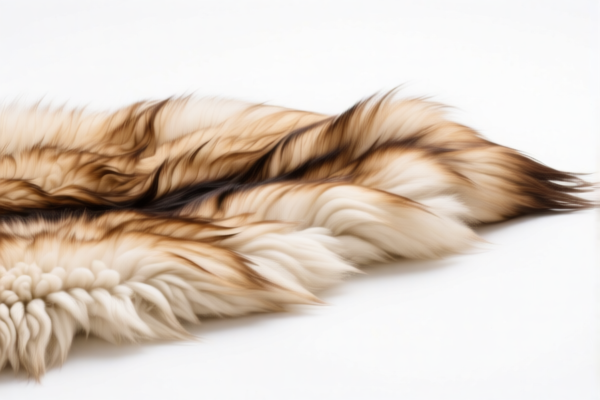
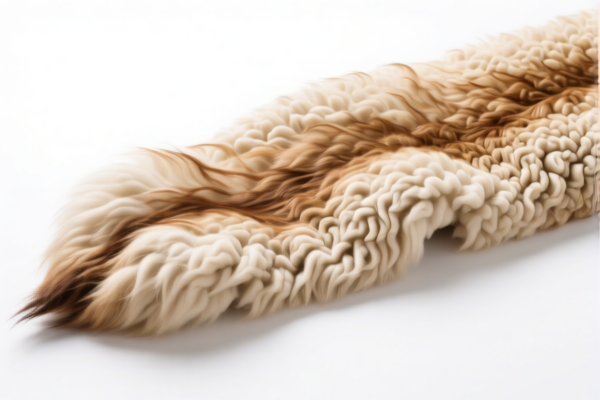
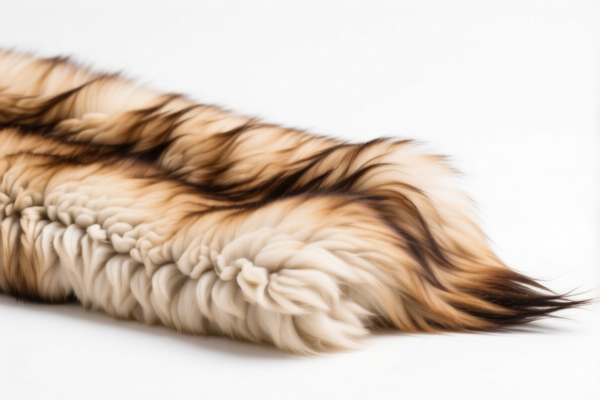
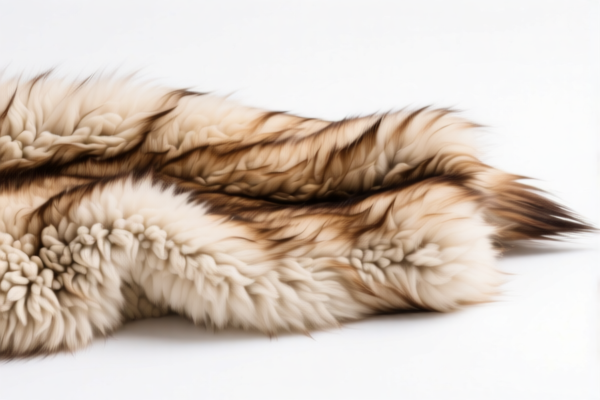
AI Analysis
🐑 Broadtail Lamb Fur (Broadtail Lamb Pelts)
🌐 HS Code Reference & Customs Clearance Guide | 2026 Latest Tariff Analysis | Professional Clearance Strategy
📌 Part 1: Product Definition & Classification: Do You Really Know "Broadtail"?
Broadtail Lamb Fur (also known as Caracul or Persian Lamb, depending on specific processing) is a high-value natural material derived from newborn or unborn lambs. In international trade, its classification depends heavily on its processing state and material nature:
- Raw Sheep/Lamb Skins (Chromed or Salted but not tanned for fur): If the pelt is treated merely to preserve it for further leather processing, it falls under Chapter 41.
- Raw Fur Skins (For Furrier Use): If the pelt is preserved in a way intended for fur garment manufacturing (often with hair on), it falls under Chapter 43.
⚠️ Key Distinction Point:
- If the material is classified as "Sheep or Lamb Skins" (leather precursor) → Code 4102.10.30.00 / 4102.29.30.00
- If the material is classified as "Raw Fur" (furrier raw material) → Code 4301.30.00.00 / 4301.90.00.00
📦 Part 2: HS Code Classification Details (Based on Provided Data)
| HS Code | Product Description | Applicability Scenario | Tax Rate |
|---|---|---|---|
4102.10.30.00 |
Sheep or Lamb Skins, not further prepared | Raw, untreated sheep/lamb pelts; leather precursor | 12.0% |
4102.29.30.00 |
Other Sheep or Lamb Skins, not further prepared | Raw pelts, potentially with slight variations in preparation | 19.5% |
4301.30.00.00 |
Broadtail Lamb Fur | Classified specifically as Broadtail/Lamb Fur; raw fur for garment use | 10.0% |
4301.90.00.00 |
Other Raw Furs, including heads, tails, paws | Raw fur skins not specifically listed as Broadtail; general fur category | 10.0% |
🔍 Important Reminder:
- Chapter 41 (Leather) vs. Chapter 43 (Fur) is the critical decision point.
-4301.30.00.00is the most specific and common code for Broadtail specifically.
-4102codes are used if the pelt is intended primarily for leather production rather than fur garments.
💰 Part 3: 2026 Tariff Rate Details (Including Additional Taxes)
✅ Applicable Country: United States (US)
✅ Origin: China (CN) (Assumed based on "122 Clause" reference typical in US-China trade data)
✅ Effective Time: Current applicable rates as per provided data
🎯 1. 4301.30.00.00 —— Broadtail Lamb Fur (Specific Fur Classification)
| Item | Content |
|---|---|
| Base Tariff | 0.0% (ad valorem) |
| Section 301 / Additional Tariff | 0.0% |
| Section 122 Tariff | +10% |
| Total Rate | 10.0% |
| Tax Calculation | CIF Value × 10% |
| De Minimis Exemption | ❌ Not Applicable (High-value luxury goods typically excluded) |
| Legal Basis | HTSUS 4301.30.00.00 + Section 122 Provision |
📌 Explanation:
- This is the most accurate code for Broadtail if classified as fur.
- The 10% Section 122 tariff is a specific additional duty.
- No base or Section 301 tariffs apply in this specific data set.
🎯 2. 4301.90.00.00 —— Other Raw Furs (General Fur Classification)
| Item | Content |
|---|---|
| Base Tariff | 0.0% |
| Section 301 / Additional Tariff | 0.0% |
| Section 122 Tariff | +10% |
| Total Rate | 10.0% |
| Tax Calculation | CIF Value × 10% |
| De Minimis Exemption | ❌ Not Applicable |
| Legal Basis | HTSUS 4301.90.00.00 + Section 122 Provision |
📌 Note:
- Same tax burden as4301.30.00.00.
- Use this if the pelt does not strictly meet the definition of "Broadtail" but is still a raw fur pelt.
🎯 3. 4102.10.30.00 —— Sheep/Lamb Skins (Leather Category)
| Item | Content |
|---|---|
| Base Tariff | 2.0% |
| Section 301 / Additional Tariff | 0.0% |
| Section 122 Tariff | +10% |
| Total Rate | 12.0% |
| Tax Calculation | CIF Value × 12% |
| De Minimis Exemption | ❌ Not Applicable |
| Legal Basis | HTSUS 4102.10.30.00 + Section 122 Provision |
📌 Explanation:
- If customs classifies the pelt as leather raw material (Chapter 41), the base rate is 2%.
- Total tax is 12% due to the 10% Section 122 addition.
- Risk: Misclassification from Fur (43) to Leather (41) can lead to penalties if the product is clearly intended for fur garments.
🎯 4. 4102.29.30.00 —— Other Sheep/Lamb Skins (Leather Category)
| Item | Content |
|---|---|
| Base Tariff | 2.0% |
| Section 301 / Additional Tariff | +7.5% |
| Section 122 Tariff | +10% |
| Total Rate | 19.5% |
| Tax Calculation | CIF Value × 19.5% |
| De Minimis Exemption | ❌ Not Applicable |
| Legal Basis | HTSUS 4102.29.30.00 + Section 301 + Section 122 |
📌 Warning:
- This is the highest tax rate (19.5%).
- Applies if the pelt is classified under Chapter 41 AND subject to an additional 7.5% tariff (possibly Section 301 or other specific duty).
- Avoid this code unless the product is definitively non-fur leather raw material.
🛠️ Part 4: Customs Clearance Practical Advice
✅ 1. Documentation Checklist (All Required)
| Document | Required | Description |
|---|---|---|
| ✅ Commercial Invoice | ✔️ | Must clearly state "Broadtail Lamb Fur" or "Raw Sheep Skins" and HS Code. |
| ✅ Packing List | ✔️ | Detail quantity, weight, and packaging type. |
| ✅ Material Certificate | ✔️ | Proof of material (Lamb/Sheep) and processing status (Raw/Chromed/Tanned). |
| ✅ Species Declaration | ✔️ | Specify if it is Broadtail, Caracul, or general lamb fur. |
| ✅ CITES Permit | ❓ | Check if the specific lamb breed is protected (usually not for common lamb, but verify). |
| ✅ Import License | ❓ | Some fur imports require USDA or USDA-APHIS permits depending on origin. |
✅ 2. Declaration Strategy (Key Tips)
🔥 “Classify by End-Use: Fur Garment = 43, Leather = 41”
| Scenario | Correct Declaration | Incorrect Declaration |
|---|---|---|
| Broadtail Pelts for Coats | 4301.30.00.00 (Fur) |
4102.10.30.00 (Leather) → Risk of penalty |
| Raw Sheep Skins for Leather | 4102.10.30.00 (Leather) |
4301.30.00.00 (Fur) → May face duty mismatch |
| Mixed Batch (Fur & Leather) | Split Declaration | Combined declaration → Customs delay |
| Processed Fur (Tanned) | Different Code (e.g., 4302) | Raw Fur Code → Incorrect |
✅ 3. Special Considerations
| Situation | Advice |
|---|---|
| Broadtail Specificity | If the pelt is clearly Broadtail (characterized by tight curl and softness), prefer 4301.30.00.00 to avoid higher leather duties if misclassified. |
| Section 122 Tariff | All codes in the provided data include a 10% Section 122 tariff. This is non-negotiable for most imports from China. |
| Value Declaration | High-value furs attract scrutiny. Ensure declared value matches market price to avoid under-valuation penalties. |
| Origin Marking | Clearly mark "Made in China" on packaging to ensure correct application of trade remedies. |
🌍 Part 5: Global Market Comparison (2026)
| Country/Region | Recommended HS Code | Tax Rate (China Origin) | Notes |
|---|---|---|---|
| 🇺🇸 USA | 4301.30.00.00 |
10.0% | Includes Section 122 tariff. |
| 🇪🇺 EU | 4301.30 | Variable | No Section 122 equivalent; standard MFN rates apply. |
| 🇨🇳 China | 4301.30 | Variable | Import duties apply; verify local tax incentives. |
📌 Conclusion:
- US Market: Highest complexity due to Section 122.
- Classification Accuracy: Crucial to avoid 19.5% rate (4102.29.30.00) by ensuring correct Chapter 43 classification.
📌 Part 6: Common Errors & Pitfalls
❌ Error 1: Classifying Broadtail as 4102.29.30.00
👉 Consequence: Paying 19.5% instead of 10%.
👉 Fix: Provide proof of fur-specific processing.
❌ Error 2: Ignoring Section 122 Tariff
👉 Consequence: Underpayment of 10%.
👉 Fix: Always include 10% in cost calculations for China-origin goods.
❌ Error 3: Misidentifying Material
👉 Consequence: Customs reclassification and delays.
👉 Fix: Submit detailed product descriptions and photos.
🎯 Part 7: Conclusion
🎯 Remember:
🔹 “Broadtail = Fur (43) = 10%”
🔹 “Leather Skin (41) = 12% or 19.5%”
🔹 “Section 122 = +10%”📌 Pro Tip:
- Always opt for4301.30.00.00for Broadtail Lamb Fur unless explicitly intended for leather production.
- Verify Section 122 applicability with your customs broker before shipping.
📣 Immediate Action:
📞 Consult a licensed customs broker.
📄 Prepare detailed product specifications.
🚀 Ensure accurate HS Code declaration to avoid 19.5% penalty rates.
✨ Professional Clearance Starts with Precise Classification!
💼 Every Percent Saved is Pure Profit!
Customer Reviews
About HS Code Classification
The Harmonized System (HS) is an internationally standardized nomenclature developed by the World Customs Organization (WCO) to classify traded products. Over 200 countries use the HS system as the basis for customs tariffs, trade statistics, and import/export regulations.
Each HS code follows a hierarchical structure:
- Chapter (2 digits) — Broad category of goods (e.g., Chapter 84: Machinery and Mechanical Appliances)
- Heading (4 digits) — More specific grouping within the chapter
- Subheading (6 digits) — Internationally standardized breakdown, used by all WCO member countries
- National subdivisions (8-10 digits) — Country-specific extensions for further classification, such as US HTSUS 10-digit codes
Correct HS code classification is essential for smooth customs clearance, accurate duty payment, and compliance with trade regulations. Misclassification can lead to customs delays, overpayment of duties, or penalties.
When importing from CN to US, the applicable tariff rates may include:
- Most-Favored-Nation (MFN) rate — The standard duty rate applied to WTO members
- General rate — Applied to countries without trade agreements
- Trade remedy duties — Additional tariffs such as Section 301 (anti-dumping), Section 232 (national security), or countervailing duties
The information provided on this page is for reference purposes only. For official classification, please consult with your local customs authority or a licensed customs broker.