Buffalo Leather Waste
CN → US| HS编码 | 关税税率 | 原产国 | 目的国 | 文档 |
|---|---|---|---|---|
| 4107194000 | 12.5% | CN | US | 官方文档 |
| 4107994000 | 12.5% | CN | US | 官方文档 |
商品图片
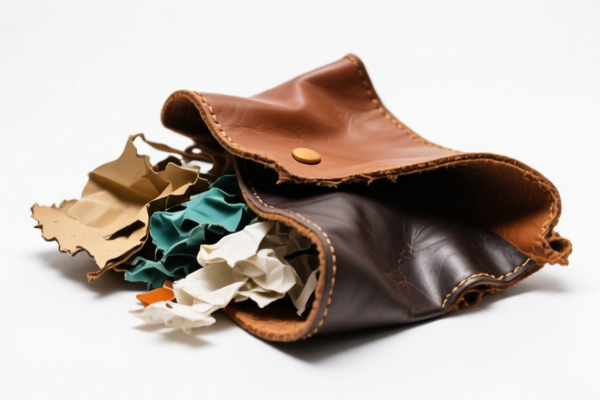
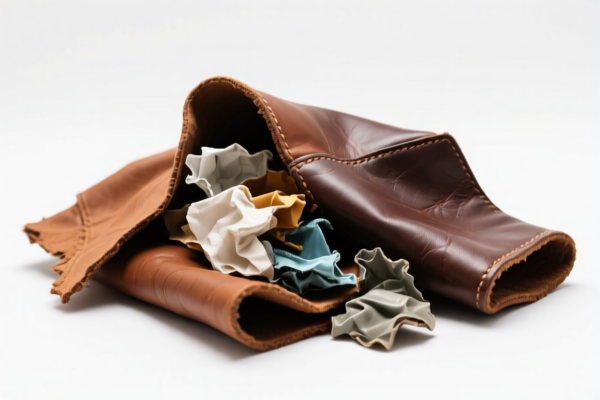


AI分析
🐃 Buffalo Leather Waste & Raw Hides: Global Classification & Customs Strategy
🌐 HS Code Reference & Customs Guide | 2026 Latest Tariff Analysis | Professional Clearance Strategy
📌 Part I: Product Definition & Classification – What Exactly Are We Importing?
"Buffalo Leather Waste" and "Buffalo Hides" represent two distinct stages of leather processing. In international trade, precision is paramount because the difference between "waste/offal" and "raw hide/leather" can result in a 22.5% tariff gap.
-
Buffalo Leather Waste (4115 Series):
- Definition: Scrap, offal, cuttings, or waste from the preparation or manufacture of leather or leather goods.
- Key Characteristic: Not suitable for direct use in manufacturing finished leather goods without further re-processing. Often used for papermaking, lower-grade adhesives, or industrial absorbents.
- Usage Note: If explicitly stated for "clothing/apparel" as waste, it is still classified as waste, not finished goods.
-
Buffalo Leather/Hides (4104 / 4107 Series):
- Definition: Whole skins or pieces of buffalo hide that have been tanned or crust-treated (but not further dressed or fabricated).
- Key Characteristic: Primary leather material, ready for cutting and sewing into bags, shoes, or garments.
- Usage Note: Includes both "Vegetable Tanned" (4104) and "Other Tanned" (4107) categories.
⚠️ Critical Distinction:
- If the material is scrap, shavings, or unusable remnants → Category 4115 (Waste).
- If the material is usable skins/hides → Category 4104 or 4107 (Raw Leather).
- Misclassification Risk: Declaring usable hides as "waste" to avoid higher tariffs is a major customs violation.
📦 Part II: HS Code Classification Details (2026 Latest Tariff Alignment)
Below is the authoritative mapping for Buffalo Leather products based on the provided data, split by Waste vs. Raw Hide/Leather.
A. Buffalo Leather Waste (Used for Apparel/Industrial)
For scrap material, offal, or processing waste.
| HS Code | Product Description | Application Scenario | Condition |
|---|---|---|---|
4115.20.00.00 |
Leather Waste and Offal (Specifically matched for apparel context) | Scrap from garment manufacturing; non-recyclable leather scraps. | ✅ Waste/Offal |
4115.10.00.00 |
Composite Leather Waste (Leather-based substrate waste) | Waste from composite leather production; primary/semi-finished leather processing waste. | ✅ Semi-finished Waste |
🔍 Key Insight:
-4115.20.00.00is the standard for general leather waste.
-4115.10.00.00applies if the waste comes from composite leather (leather + fabric base) or matches specific "composite leather substrate" definitions.
- Both are classified as Waste, not finished goods.
B. Buffalo Hides & Tanned Leather (Raw Material for Manufacturing)
For usable hides, tanned skins, or crust leather.
| HS Code | Product Description | Application Scenario | Condition |
|---|---|---|---|
4104.49.30.60 |
Buffalo Leather, Wet-Blue, Other, Other (Dry Category) | Dry buffalo hides; wet-blue or partially tanned skins not elsewhere specified. | ✅ Dry/Wet-Blue Leather |
4107.12.40.00 |
Buffalo Leather, Tanned, Full Grain, Other | Full-grain buffalo leather; direct material for high-end bags/shoes. | ✅ Finished Tanned Leather |
4107.19.40.00 |
Buffalo Leather, Tanned, Other | Other forms of tanned buffalo leather (split, corrected grain, etc.). | ✅ Other Tanned Leather |
🔍 Key Insight:
-4104covers Vegetable Tanned hides.
-4107covers Other Tanned hides (Chrome, etc.).
- These are primary materials, not waste.
💰 Part III: 2026 Latest Tariff Rate Breakdown (Including Surtaxes & Policies)
✅ Applicable Country: United States (US)
✅ Origin: China (CN)
✅ Effective Date: Post-2025/11/10 (Includes subsequent imports)
🎯 1. 4115.20.00.00 – Leather Waste & Offal (For Apparel)
| Item | Detail |
|---|---|
| Base Duty | 0.0% (Ad Valorem) |
| Section 301 Surtax | +7.5% |
| Section 122 Tariff | +10% |
| Total Duty Rate | 17.5% |
| Tax Calculation | CIF Value × 17.5% |
| De Minimis Eligibility | ❌ Not Eligible (High risk of inspection) |
| Legal Basis Path | Section 122: 10% → Section 301: 7.5% → USITC: 4115.20.00.00 |
📌 Explanation:
- "Section 122 Tariff" refers to special tariffs often applied under specific trade remedy laws.
- "Section 301 Surtax (7.5%)" is part of the ongoing US-China trade tariffs.
- Total 17.5% is moderate compared to finished goods, but still significant for low-margin waste.
🎯 2. 4115.10.00.00 – Composite Leather Waste
| Item | Detail |
|---|---|
| Base Duty | 0.0% |
| Section 301 Surtax | +25.0% |
| Section 122 Tariff | +10% |
| Total Duty Rate | 35.0% |
| Tax Calculation | CIF Value × 35.0% |
| De Minimis Eligibility | ❌ Not Eligible |
| Legal Basis Path | Section 122: 10% → Section 301: 25% → USITC: 4115.10.00.00 |
📌 Warning:
- This category is taxed twice as high as4115.20.00.00.
- If your product is general leather waste, do not declare as4115.10.00.00unless it is specifically composite leather waste. Misclassification here can lead to massive overpayment or penalties.
🎯 3. 4104.49.30.60 – Buffalo Leather (Dry/Wet-Blue)
| Item | Detail |
|---|---|
| Base Duty | 2.4% |
| Section 301 Surtax | 0.0% |
| Section 122 Tariff | +10% |
| Total Duty Rate | 12.4% |
| Tax Calculation | CIF Value × 12.4% |
| De Minimis Eligibility | ❌ Not Eligible |
| Legal Basis Path | Section 122: 10% → USITC: 4104.49.30.60 |
📌 Analysis:
- Base duty is low (2.4%).
- The 10% Section 122 tariff dominates the cost.
- This is the lowest total rate for usable buffalo leather in this dataset.
🎯 4. 4107.12.40.00 & 4107.19.40.00 – Tanned Buffalo Leather
| Item | Detail |
|---|---|
| Base Duty | 2.5% |
| Section 301 Surtax | 0.0% |
| Section 122 Tariff | +10% |
| Total Duty Rate | 12.5% |
| Tax Calculation | CIF Value × 12.5% |
| De Minimis Eligibility | ❌ Not Eligible |
| Legal Basis Path | Section 122: 10% → USITC: 4107.xx.xx.xx |
📌 Analysis:
- Similar to4104, base duty is minimal.
- 12.5% is highly competitive for raw leather imports.
- Ensure the leather is truly tanned (not raw/salted) to qualify for this 10% base rate instead of raw hide rates.
🛠️ Part IV: Customs Clearance Practical Advice (Real-World Pitfall Guide)
✅ 1. Document Checklist (Essential for Clearance)
| Document | Mandatory? | Description |
|---|---|---|
| ✅ Product Specification Sheet | ✔️ | Must clearly state: "Waste," "Offal," "Scrap," OR "Tanned Hide," "Full Grain." |
| ✅ Material Composition Analysis | ✔️ | For 4115.10.00.00, prove it is "composite leather" waste. For 4115.20.00.00, prove it is general leather waste. |
| ✅ Commercial Invoice | ✔️ | Describe goods as "Buffalo Leather Waste" or "Buffalo Hides" – never "Leather Parts" or "Garment Accessories" to avoid confusion. |
| ✅ Photos (Inside & Out) | ✔️ | Show the texture: Shredded/chunks for waste; Uniform skin for hides. |
| ✅ Processing Method Certificate | ✔️ | For 4104/4107, certify tanning process (Vegetable vs. Chrome). |
✅ 2. Declaration Strategy (Key Mnemonic)
🔥 “Waste is Low Base, Hides are Base 2.5. Check ‘Composite’ to avoid 35%.”
| Scenario | Correct HS Code | Wrong Code | Consequence |
|---|---|---|---|
| General Leather Scraps | 4115.20.00.00 (17.5%) |
4115.10.00.00 (35%) |
Overpay by 17.5% or face audit. |
| Composite Leather Waste | 4115.10.00.00 (35%) |
4115.20.00.00 (17.5%) |
Underpay → Penalty + Back Tax. |
| Dry Buffalo Hides | 4104.49.30.60 (12.4%) |
4115.20.00.00 (17.5%) |
Misclassification: Using waste code for usable goods may trigger seizure if value is high. |
| Tanned Buffalo Leather | 4107.12/19.40.00 (12.5%) |
4104... (12.4%) |
Minor difference, but ensure tanning method matches. |
✅ 3. Special Cases Handling
| Case | Recommendation |
|---|---|
| Mixed Bales (Waste + Usable) | Must Split! Declare waste and hides separately. Mixed batches will likely be classified by the highest duty or rejected. |
| OEM Leather for Apparel | If importing "leather waste" for a clothing brand, clarify in the invoice: "Leather waste for industrial recycling, not for direct apparel manufacturing." |
| Wet-Blue vs. Dry | Wet-blue (partially tanned) often falls under 4104. Ensure moisture content is declared if it affects weight/duty. |
| Section 122 Tariff Exemptions | Currently, no exemptions are listed for these HS codes. Plan for the full 10% + Surtax. |
🌍 Part V: Global Market Comparison (2026 Outlook)
| Market | Recommended HS Code | Total Duty (CN Origin) | Key Certification | Note |
|---|---|---|---|---|
| 🇺🇸 USA | 4115.20.00.00 (Waste) / 4107... (Leather) |
12.5% – 17.5% / 35% | None specific | High Surtax environment. |
| 🇨🇳 China | 4115.20.00 / 4107.12 |
0% – 5% | N/A | Import duty is low; focus on VAT. |
| 🇪🇺 EU | 4115.10 / 4107.19 |
~12% (Waste) / ~6.5% (Leather) | REACH Compliance | No Section 122 equivalent, but VAT applies. |
| 🇬🇧 UK | 4115.20 / 4107.19 |
~12% – 15% | UKCA (if applicable) | Post-Brexit tariffs similar to EU. |
📌 Conclusion:
- USA is the most complex due to layered surtaxes (301 + 122).
- Buffalo Leather (Hides) is cheaper to import into the US (12.5%) than Leather Waste (17.5-35%) in some categories.
- Strategy: If you have usable hides, declare as4104/4107for lower duty than general waste in some cases?
- Wait, check:4115.20is 17.5%,4104is 12.4%.
- Surprise Insight: Usable Buffalo Hides (4104) have a LOWER duty (12.4%) than General Leather Waste (4115.20at 17.5%)!
- Action: If you have usable hides, DO NOT declare as waste. Use4104or4107to save 5-22% in tariffs.
📌 Part VI: Common Errors & Pitfalls (Lessons Learned)
❌ Error 1: Declaring usable buffalo hides as "Leather Waste" to avoid higher taxes.
👉 Consequence: Customs will inspect and reclassify. Since 4104 (12.4%) is lower than 4115.20 (17.5%), this error might seem beneficial, BUT if declared as 4115.10 (35%), it’s disastrous. More importantly, if caught misdeclaring waste as hides, penalties apply.
Correction: Accurately classify based on usability.
❌ Error 2: Using 4115.10.00.00 (35%) for general leather scraps.
👉 Consequence: Overpaying 17.5% unnecessarily.
Correction: Use 4115.20.00.00 (17.5%) for general leather waste.
❌ Error 3: Ignoring "Section 122" in cost calculations.
👉 Consequence: Budget shortfall. The 10% is mandatory.
Correction: Include 10% in all FOB/CIF cost models.
✅ Correct Declaration Example:
"Buffalo Leather Waste, Shredded, For Industrial Recycling, Not for Apparel Assembly, HS 4115.20.00.00"
🎯 Part VII: Conclusion – Precision Saves Dollars!
🎯 Remember the Golden Rule:
🔹 "Hides are 12.5%, Waste is 17.5-35%. Don't waste money on wrong codes!"
🔹 "Composite waste is expensive (35%) – verify your material!"
🔹 "Usable hides can be CHEAPER than waste – check4104vs4115!"
📌 Pro Tip:
If your buffalo leather is tanned (usable for bags/shoes), always prefer 4104 or 4107 (12.4-12.5%).
If it is true scrap (shavings, offal), use 4115.20.00.00 (17.5%).
Avoid 4115.10.00.00 unless you are 100% sure it is composite leather waste.
📣 Immediate Action:
📞 Consult a Customs Broker for Advance Ruling if your material is ambiguous.
📸 Take high-res photos of the texture and edges of the material.
🚀 Clear Customs Smoothly, Reduce Duty, Maximize Profit!
✨ Professional Clearance Starts with Accurate Classification!
💼 Your Every Cent is Worth Calculating!
用户评价
关于 HS 编码归类
协调制度(HS)是由世界海关组织(WCO)制定的国际贸易商品分类标准。全球 200 多个国家采用 HS 系统作为海关关税、贸易统计和进出口监管的基础。
每个 HS 编码遵循以下层级结构:
- 章(2 位)——商品大类(例如:第 84 章:机器和机械设备)
- 品目(4 位)——章内的更具体分类
- 子目(6 位)——国际通用细分,所有 WCO 成员国统一使用
- 本国细分(8-10 位)——各国自行扩展的细分编码,如美国 HTSUS 10 位编码
正确的 HS 编码归类对于顺利通关、准确缴纳关税和遵守贸易法规至关重要。错误归类可能导致海关延误、多缴关税或罚款。
从CN进口到US时,适用的关税税率可能包括:
- 最惠国(MFN)税率——适用于 WTO 成员国的标准关税税率
- 普通税率——适用于无贸易协定国家
- 贸易救济关税——附加关税,如 301 条款(反倾销)、232 条款(国家安全)或反补贴税
本页内容仅供参考。如需正式归类,请咨询当地海关或持牌报关代理。