Buffalo Leather Waste
CN → US| HS Code | Tariff Rate | Origin | Destination | Doc |
|---|---|---|---|---|
| 4107194000 | 12.5% | CN | US | Official Doc |
| 4107994000 | 12.5% | CN | US | Official Doc |
Product Images
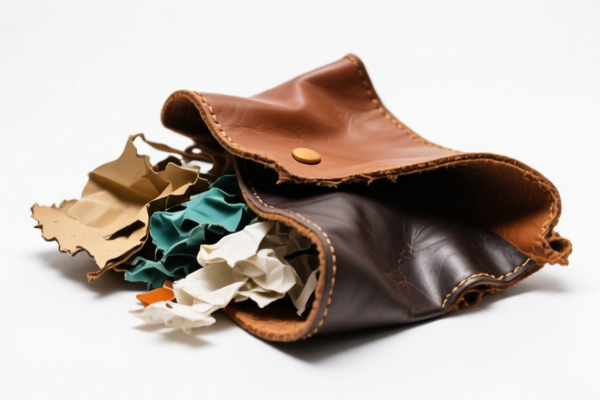
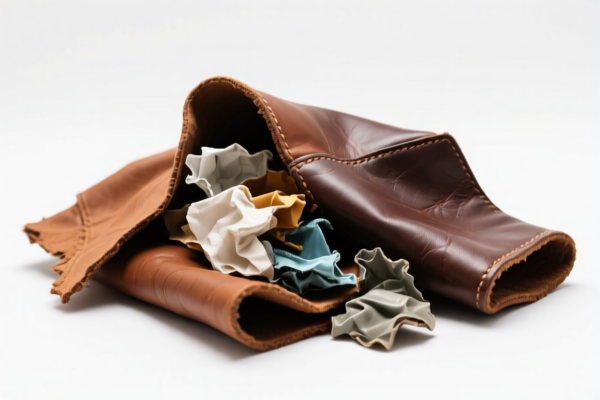


AI Analysis
🐃 Buffalo Leather Waste & Raw Hides: Global Classification & Customs Strategy
🌐 HS Code Reference & Customs Guide | 2026 Latest Tariff Analysis | Professional Clearance Strategy
📌 Part I: Product Definition & Classification – What Exactly Are We Importing?
"Buffalo Leather Waste" and "Buffalo Hides" represent two distinct stages of leather processing. In international trade, precision is paramount because the difference between "waste/offal" and "raw hide/leather" can result in a 22.5% tariff gap.
-
Buffalo Leather Waste (4115 Series):
- Definition: Scrap, offal, cuttings, or waste from the preparation or manufacture of leather or leather goods.
- Key Characteristic: Not suitable for direct use in manufacturing finished leather goods without further re-processing. Often used for papermaking, lower-grade adhesives, or industrial absorbents.
- Usage Note: If explicitly stated for "clothing/apparel" as waste, it is still classified as waste, not finished goods.
-
Buffalo Leather/Hides (4104 / 4107 Series):
- Definition: Whole skins or pieces of buffalo hide that have been tanned or crust-treated (but not further dressed or fabricated).
- Key Characteristic: Primary leather material, ready for cutting and sewing into bags, shoes, or garments.
- Usage Note: Includes both "Vegetable Tanned" (4104) and "Other Tanned" (4107) categories.
⚠️ Critical Distinction:
- If the material is scrap, shavings, or unusable remnants → Category 4115 (Waste).
- If the material is usable skins/hides → Category 4104 or 4107 (Raw Leather).
- Misclassification Risk: Declaring usable hides as "waste" to avoid higher tariffs is a major customs violation.
📦 Part II: HS Code Classification Details (2026 Latest Tariff Alignment)
Below is the authoritative mapping for Buffalo Leather products based on the provided data, split by Waste vs. Raw Hide/Leather.
A. Buffalo Leather Waste (Used for Apparel/Industrial)
For scrap material, offal, or processing waste.
| HS Code | Product Description | Application Scenario | Condition |
|---|---|---|---|
4115.20.00.00 |
Leather Waste and Offal (Specifically matched for apparel context) | Scrap from garment manufacturing; non-recyclable leather scraps. | ✅ Waste/Offal |
4115.10.00.00 |
Composite Leather Waste (Leather-based substrate waste) | Waste from composite leather production; primary/semi-finished leather processing waste. | ✅ Semi-finished Waste |
🔍 Key Insight:
-4115.20.00.00is the standard for general leather waste.
-4115.10.00.00applies if the waste comes from composite leather (leather + fabric base) or matches specific "composite leather substrate" definitions.
- Both are classified as Waste, not finished goods.
B. Buffalo Hides & Tanned Leather (Raw Material for Manufacturing)
For usable hides, tanned skins, or crust leather.
| HS Code | Product Description | Application Scenario | Condition |
|---|---|---|---|
4104.49.30.60 |
Buffalo Leather, Wet-Blue, Other, Other (Dry Category) | Dry buffalo hides; wet-blue or partially tanned skins not elsewhere specified. | ✅ Dry/Wet-Blue Leather |
4107.12.40.00 |
Buffalo Leather, Tanned, Full Grain, Other | Full-grain buffalo leather; direct material for high-end bags/shoes. | ✅ Finished Tanned Leather |
4107.19.40.00 |
Buffalo Leather, Tanned, Other | Other forms of tanned buffalo leather (split, corrected grain, etc.). | ✅ Other Tanned Leather |
🔍 Key Insight:
-4104covers Vegetable Tanned hides.
-4107covers Other Tanned hides (Chrome, etc.).
- These are primary materials, not waste.
💰 Part III: 2026 Latest Tariff Rate Breakdown (Including Surtaxes & Policies)
✅ Applicable Country: United States (US)
✅ Origin: China (CN)
✅ Effective Date: Post-2025/11/10 (Includes subsequent imports)
🎯 1. 4115.20.00.00 – Leather Waste & Offal (For Apparel)
| Item | Detail |
|---|---|
| Base Duty | 0.0% (Ad Valorem) |
| Section 301 Surtax | +7.5% |
| Section 122 Tariff | +10% |
| Total Duty Rate | 17.5% |
| Tax Calculation | CIF Value × 17.5% |
| De Minimis Eligibility | ❌ Not Eligible (High risk of inspection) |
| Legal Basis Path | Section 122: 10% → Section 301: 7.5% → USITC: 4115.20.00.00 |
📌 Explanation:
- "Section 122 Tariff" refers to special tariffs often applied under specific trade remedy laws.
- "Section 301 Surtax (7.5%)" is part of the ongoing US-China trade tariffs.
- Total 17.5% is moderate compared to finished goods, but still significant for low-margin waste.
🎯 2. 4115.10.00.00 – Composite Leather Waste
| Item | Detail |
|---|---|
| Base Duty | 0.0% |
| Section 301 Surtax | +25.0% |
| Section 122 Tariff | +10% |
| Total Duty Rate | 35.0% |
| Tax Calculation | CIF Value × 35.0% |
| De Minimis Eligibility | ❌ Not Eligible |
| Legal Basis Path | Section 122: 10% → Section 301: 25% → USITC: 4115.10.00.00 |
📌 Warning:
- This category is taxed twice as high as4115.20.00.00.
- If your product is general leather waste, do not declare as4115.10.00.00unless it is specifically composite leather waste. Misclassification here can lead to massive overpayment or penalties.
🎯 3. 4104.49.30.60 – Buffalo Leather (Dry/Wet-Blue)
| Item | Detail |
|---|---|
| Base Duty | 2.4% |
| Section 301 Surtax | 0.0% |
| Section 122 Tariff | +10% |
| Total Duty Rate | 12.4% |
| Tax Calculation | CIF Value × 12.4% |
| De Minimis Eligibility | ❌ Not Eligible |
| Legal Basis Path | Section 122: 10% → USITC: 4104.49.30.60 |
📌 Analysis:
- Base duty is low (2.4%).
- The 10% Section 122 tariff dominates the cost.
- This is the lowest total rate for usable buffalo leather in this dataset.
🎯 4. 4107.12.40.00 & 4107.19.40.00 – Tanned Buffalo Leather
| Item | Detail |
|---|---|
| Base Duty | 2.5% |
| Section 301 Surtax | 0.0% |
| Section 122 Tariff | +10% |
| Total Duty Rate | 12.5% |
| Tax Calculation | CIF Value × 12.5% |
| De Minimis Eligibility | ❌ Not Eligible |
| Legal Basis Path | Section 122: 10% → USITC: 4107.xx.xx.xx |
📌 Analysis:
- Similar to4104, base duty is minimal.
- 12.5% is highly competitive for raw leather imports.
- Ensure the leather is truly tanned (not raw/salted) to qualify for this 10% base rate instead of raw hide rates.
🛠️ Part IV: Customs Clearance Practical Advice (Real-World Pitfall Guide)
✅ 1. Document Checklist (Essential for Clearance)
| Document | Mandatory? | Description |
|---|---|---|
| ✅ Product Specification Sheet | ✔️ | Must clearly state: "Waste," "Offal," "Scrap," OR "Tanned Hide," "Full Grain." |
| ✅ Material Composition Analysis | ✔️ | For 4115.10.00.00, prove it is "composite leather" waste. For 4115.20.00.00, prove it is general leather waste. |
| ✅ Commercial Invoice | ✔️ | Describe goods as "Buffalo Leather Waste" or "Buffalo Hides" – never "Leather Parts" or "Garment Accessories" to avoid confusion. |
| ✅ Photos (Inside & Out) | ✔️ | Show the texture: Shredded/chunks for waste; Uniform skin for hides. |
| ✅ Processing Method Certificate | ✔️ | For 4104/4107, certify tanning process (Vegetable vs. Chrome). |
✅ 2. Declaration Strategy (Key Mnemonic)
🔥 “Waste is Low Base, Hides are Base 2.5. Check ‘Composite’ to avoid 35%.”
| Scenario | Correct HS Code | Wrong Code | Consequence |
|---|---|---|---|
| General Leather Scraps | 4115.20.00.00 (17.5%) |
4115.10.00.00 (35%) |
Overpay by 17.5% or face audit. |
| Composite Leather Waste | 4115.10.00.00 (35%) |
4115.20.00.00 (17.5%) |
Underpay → Penalty + Back Tax. |
| Dry Buffalo Hides | 4104.49.30.60 (12.4%) |
4115.20.00.00 (17.5%) |
Misclassification: Using waste code for usable goods may trigger seizure if value is high. |
| Tanned Buffalo Leather | 4107.12/19.40.00 (12.5%) |
4104... (12.4%) |
Minor difference, but ensure tanning method matches. |
✅ 3. Special Cases Handling
| Case | Recommendation |
|---|---|
| Mixed Bales (Waste + Usable) | Must Split! Declare waste and hides separately. Mixed batches will likely be classified by the highest duty or rejected. |
| OEM Leather for Apparel | If importing "leather waste" for a clothing brand, clarify in the invoice: "Leather waste for industrial recycling, not for direct apparel manufacturing." |
| Wet-Blue vs. Dry | Wet-blue (partially tanned) often falls under 4104. Ensure moisture content is declared if it affects weight/duty. |
| Section 122 Tariff Exemptions | Currently, no exemptions are listed for these HS codes. Plan for the full 10% + Surtax. |
🌍 Part V: Global Market Comparison (2026 Outlook)
| Market | Recommended HS Code | Total Duty (CN Origin) | Key Certification | Note |
|---|---|---|---|---|
| 🇺🇸 USA | 4115.20.00.00 (Waste) / 4107... (Leather) |
12.5% – 17.5% / 35% | None specific | High Surtax environment. |
| 🇨🇳 China | 4115.20.00 / 4107.12 |
0% – 5% | N/A | Import duty is low; focus on VAT. |
| 🇪🇺 EU | 4115.10 / 4107.19 |
~12% (Waste) / ~6.5% (Leather) | REACH Compliance | No Section 122 equivalent, but VAT applies. |
| 🇬🇧 UK | 4115.20 / 4107.19 |
~12% – 15% | UKCA (if applicable) | Post-Brexit tariffs similar to EU. |
📌 Conclusion:
- USA is the most complex due to layered surtaxes (301 + 122).
- Buffalo Leather (Hides) is cheaper to import into the US (12.5%) than Leather Waste (17.5-35%) in some categories.
- Strategy: If you have usable hides, declare as4104/4107for lower duty than general waste in some cases?
- Wait, check:4115.20is 17.5%,4104is 12.4%.
- Surprise Insight: Usable Buffalo Hides (4104) have a LOWER duty (12.4%) than General Leather Waste (4115.20at 17.5%)!
- Action: If you have usable hides, DO NOT declare as waste. Use4104or4107to save 5-22% in tariffs.
📌 Part VI: Common Errors & Pitfalls (Lessons Learned)
❌ Error 1: Declaring usable buffalo hides as "Leather Waste" to avoid higher taxes.
👉 Consequence: Customs will inspect and reclassify. Since 4104 (12.4%) is lower than 4115.20 (17.5%), this error might seem beneficial, BUT if declared as 4115.10 (35%), it’s disastrous. More importantly, if caught misdeclaring waste as hides, penalties apply.
Correction: Accurately classify based on usability.
❌ Error 2: Using 4115.10.00.00 (35%) for general leather scraps.
👉 Consequence: Overpaying 17.5% unnecessarily.
Correction: Use 4115.20.00.00 (17.5%) for general leather waste.
❌ Error 3: Ignoring "Section 122" in cost calculations.
👉 Consequence: Budget shortfall. The 10% is mandatory.
Correction: Include 10% in all FOB/CIF cost models.
✅ Correct Declaration Example:
"Buffalo Leather Waste, Shredded, For Industrial Recycling, Not for Apparel Assembly, HS 4115.20.00.00"
🎯 Part VII: Conclusion – Precision Saves Dollars!
🎯 Remember the Golden Rule:
🔹 "Hides are 12.5%, Waste is 17.5-35%. Don't waste money on wrong codes!"
🔹 "Composite waste is expensive (35%) – verify your material!"
🔹 "Usable hides can be CHEAPER than waste – check4104vs4115!"
📌 Pro Tip:
If your buffalo leather is tanned (usable for bags/shoes), always prefer 4104 or 4107 (12.4-12.5%).
If it is true scrap (shavings, offal), use 4115.20.00.00 (17.5%).
Avoid 4115.10.00.00 unless you are 100% sure it is composite leather waste.
📣 Immediate Action:
📞 Consult a Customs Broker for Advance Ruling if your material is ambiguous.
📸 Take high-res photos of the texture and edges of the material.
🚀 Clear Customs Smoothly, Reduce Duty, Maximize Profit!
✨ Professional Clearance Starts with Accurate Classification!
💼 Your Every Cent is Worth Calculating!
Customer Reviews
About HS Code Classification
The Harmonized System (HS) is an internationally standardized nomenclature developed by the World Customs Organization (WCO) to classify traded products. Over 200 countries use the HS system as the basis for customs tariffs, trade statistics, and import/export regulations.
Each HS code follows a hierarchical structure:
- Chapter (2 digits) — Broad category of goods (e.g., Chapter 84: Machinery and Mechanical Appliances)
- Heading (4 digits) — More specific grouping within the chapter
- Subheading (6 digits) — Internationally standardized breakdown, used by all WCO member countries
- National subdivisions (8-10 digits) — Country-specific extensions for further classification, such as US HTSUS 10-digit codes
Correct HS code classification is essential for smooth customs clearance, accurate duty payment, and compliance with trade regulations. Misclassification can lead to customs delays, overpayment of duties, or penalties.
When importing from CN to US, the applicable tariff rates may include:
- Most-Favored-Nation (MFN) rate — The standard duty rate applied to WTO members
- General rate — Applied to countries without trade agreements
- Trade remedy duties — Additional tariffs such as Section 301 (anti-dumping), Section 232 (national security), or countervailing duties
The information provided on this page is for reference purposes only. For official classification, please consult with your local customs authority or a licensed customs broker.