Bulk Flowers
CN → US| HS编码 | 关税税率 | 原产国 | 目的国 | 文档 |
|---|---|---|---|---|
| 6702104000 | 13.4% | CN | US | 官方文档 |
| 6702903500 | 19.0% | CN | US | 官方文档 |
| 060310 | 0.0% | CN | US | 官方文档 |
| 060390 | 0.0% | CN | US | 官方文档 |
商品图片
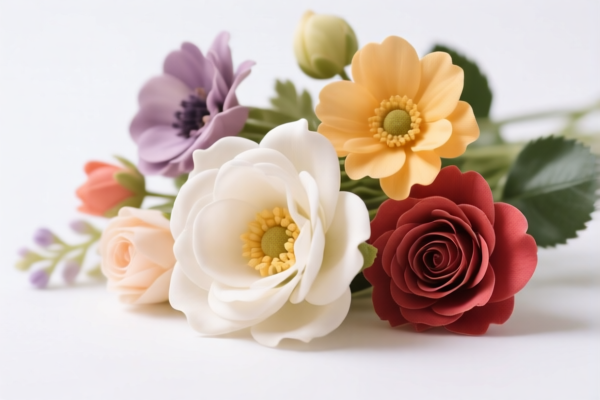
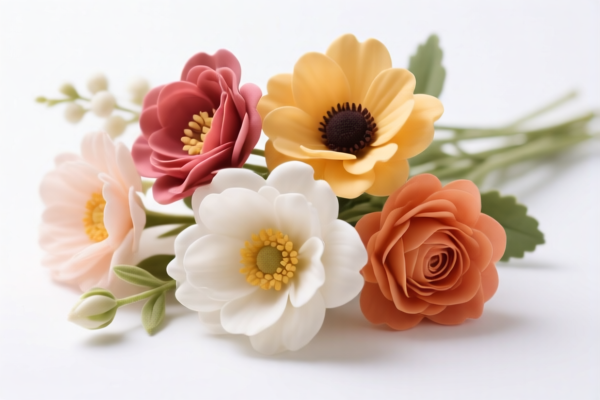
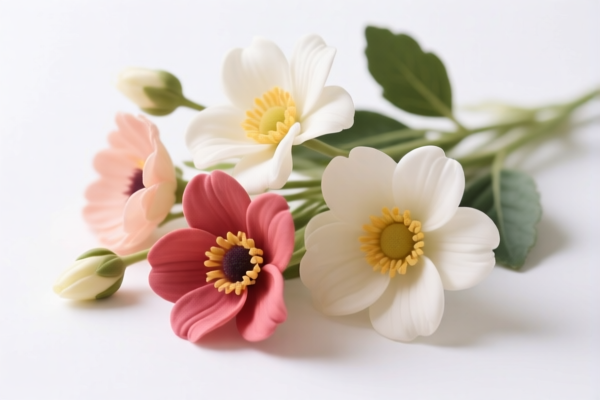
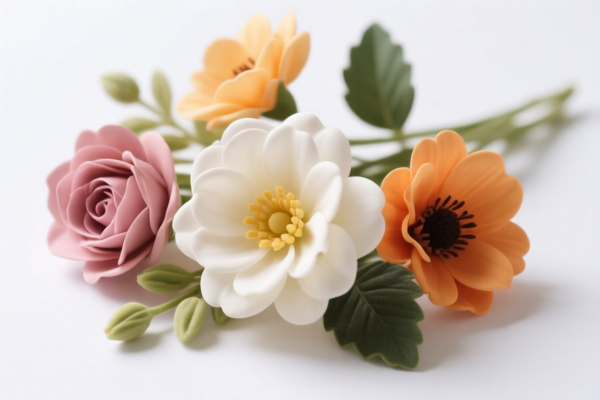
AI分析
💐 Bulk Flowers (Fresh, Dried, & Artificial)
🌐 HS Code Reference & Customs Clearance Guide | 2026 Latest Tariff Analysis | Professional Entry Strategy
📌 Part I: Product Definition & Classification: What Exactly Are "Bulk Flowers"?
In international trade, "Bulk Flowers" is not a single, uniform category but a composite term covering two distinct biological and industrial categories: Botanical (Natural) and Artificial (Synthetic). The classification, tax rate, and customs risk differ drastically between fresh organic matter and plastic/fabric simulations.
1. Botanical Flowers (Fresh/Dried)
Intended for floral decoration, arrangement, or commercial sale in bulk.
Key Distinction: Is it Fresh (high moisture, perishable) or Dried (preserved)?
Customs Risk: High biological risk (phytosanitary certificates required).
2. Artificial Flowers & Foliage
Made of plastics, man-made fibers, or other non-living materials.
Key Distinction: Is the base material Plastic or Man-made Fiber?
Customs Risk: Standard non-biological clearance, but subject to material-specific tariffs.
⚠️ Critical Classification Rule:
- If it is Natural: Look to Chapter 6 (Live Trees/Plants).
- If it is Artificial: Look to Chapter 67 (Artificial Flowers).
- Do NOT mix fresh flowers with artificial ones in a single HS code declaration unless specified as "mixed assortments" under specific national rules (rare in standard bulk codes).
📦 Part II: HS Code Classification Matrix (Based on Provided Data)
| HS Code | Product Description | Material/State | Tax Rate (Total) | Tax Breakdown |
|---|---|---|---|---|
| 0603.10 | Fresh or dried flowers, bulk quantities, for commercial/decorative use. | Natural (Fresh/Dried) | Error | Failed to retrieve tax information |
| 0603.90 | Other fresh/dried flowers (arrangements, loose flowers for sale). | Natural (Fresh/Dried) | Error | Failed to retrieve tax information |
| 6702.10.40.00 | Artificial flowers, foliage, fruit & parts; Of Plastics; Other. | Artificial (Plastic) | 3.4% | Base: 3.4% Additional: 0.0% |
| 6702.90.35.00 | Artificial flowers, foliage, fruit & parts; Of Other Materials; Of Man-made Fibers. | Artificial (Fiber) | 9.0% | Base: 9.0% Additional: 0.0% |
🔍 Key Takeaway:
- Natural flowers (0603.xx): Tax data is unavailable/Error in this dataset. You must verify with local customs or a broker for actual rates (often 0% or low for fresh imports, but high for dried).
- Artificial Plastic Flowers (6702.10): Lowest duty rate (3.4%).
- Artificial Fiber Flowers (6702.90): Higher duty rate (9.0%).
💰 Part III: Tariff Rate Detailed Analysis
🎯 1. Artificial Flowers: Plastic Base (6702.10.40.00)
| Item | Details |
|---|---|
| HS Code | 6702.10.40.00 |
| Description | Artificial flowers, foliage and fruit; Of plastics; Other, including parts. |
| Base Tariff | 3.4% |
| Additional Tariff | 0.0% |
| Total Effective Tax | 3.4% |
| Applicable To | Flowers made from PVC, PE, PP, ABS, or other synthetic polymers. |
| Clearance Tip | Ensure materials are strictly plastic. If mixed with metal wires or fabric petals, this code may be rejected. |
📌 Explanation:
- This is the most common code for mass-produced artificial florals (e.g., plastic roses, fake foliage).
- The 3.4% rate is relatively low, making it competitive for high-volume imports.
- No additional penalties listed in this dataset.
🎯 2. Artificial Flowers: Man-Made Fiber Base (6702.90.35.00)
| Item | Details |
|---|---|
| HS Code | 6702.90.35.00 |
| Description | Artificial flowers... Of other materials: Of man-made fibers. |
| Base Tariff | 9.0% |
| Additional Tariff | 0.0% |
| Total Effective Tax | 9.0% |
| Applicable To | Flowers made from synthetic fabrics (polyester, nylon, acrylic), silk-like textiles, or non-woven fabrics. |
| Clearance Tip | Distinguish from "Plastic". If the petal is woven or non-woven fabric, it is 9.0%, not 3.4%. |
📌 Explanation:
- Higher tax burden due to the complexity of fiber-based products.
- Common in "premium" artificial flowers that mimic the texture of real fabric.
- Critical: Do not misdeclare fabric flowers as plastic to save 5.6%. Customs may inspect material composition.
⚠️ 3. Natural Flowers: Fresh/Dried (0603.10 & 0603.90)
| Item | Details |
|---|---|
| HS Code | 0603.10 or 0603.90 |
| Description | Fresh or dried flowers; bulk quantities; arrangements. |
| Tax Status | ERROR |
| Total Effective Tax | Unknown / Check Local Brochure |
| Action Required | MUST VERIFY. The provided data fails to retrieve tax info. |
📌 Warning:
- Do not assume 0%. While fresh cut flowers often have 0% duty in many countries, dried flowers may have higher rates.
- Phytosanitary Certificate is mandatory for 0603 codes.
- If you import natural flowers, you must consult a licensed customs broker to get the exact rate for your destination country.
🛠️ Part IV: Customs Clearance Practical Advice
✅ 1. Documentation Checklist (By Category)
| Category | Required Documents | Notes |
|---|---|---|
| Artificial (Plastic/Fiber) | • Commercial Invoice • Packing List • Material Declaration (Plastic vs. Fiber) • Certificate of Origin (if claiming preferences) |
Ensure material composition is clearly stated. If mixed, specify % breakdown. |
| Natural (Fresh/Dried) | • Phytosanitary Certificate (Original) • Fumigation Certificate (if wood packaging used) • Commercial Invoice • Packing List • Import Permit (if restricted species) |
Fresh flowers require cold chain verification. Dried flowers may require fumigation to prevent pests. |
✅ 2. Classification Pitfalls & How to Avoid Them
| ❌ Common Mistake | ✅ Correct Approach |
|---|---|
Declaring Fabric Roses as 6702.10.40.00 (Plastic) to pay 3.4%. |
Declare as 6702.90.35.00 (Fiber) paying 9.0%. Misclassification leads to fines and delays. |
| Declaring Dried Flowers as "Artificial" to avoid biological checks. | Never do this. Customs can easily distinguish natural vs. artificial via smell, texture, and microscopic analysis. Result: Seizure + Penalty. |
Ignoring the Bulk nature of 0603.10. |
0603.10 is for bulk. If sold as "Ready-made Bouquets," use 0603.90. |
| Assuming Tax is Free for Natural Flowers. | Data says "Error." Check local tariff schedules. Some countries charge 5-10% on dried flowers. |
✅ 3. Clear Naming Conventions for Declarations
🚀 Pro Tip: Your product description on the Commercial Invoice determines smooth clearance.
- For Plastic:
> "Artificial Plastic Roses, Synthetic Petals, Base: PVC, HS 6702.10.40.00" - For Fiber:
> "Artificial Silk-Like Flowers, Polyester Fabric Petals, HS 6702.90.35.00" - For Fresh:
> "Fresh Cut Chrysanthemums, Bulk Quantity, Phytosanitary Cert #XXXX, HS 0603.10" - For Dried:
> "Dried Lavender Stalks, Preserved, For Decorative Use, HS 0603.10"
🌍 Part V: Global Market Comparison (General Reference)
| Region | Artificial Flowers (Plastic) | Artificial Flowers (Fiber) | Natural Flowers (Fresh) | Notes |
|---|---|---|---|---|
| USA | 3.4% (Standard) | 9.0% (Standard) | Varies (Often 0% for fresh) | Requires USDA APHIS permit for fresh. |
| EU | 4.5% (Standard MFN) | 4.5% (Standard MFN) | 0% (Most fresh) | CE marking may be required for plastic toys/decor. |
| China | 3.4% | 9.0% | 0% - 10% | Depends on flower type. |
| Vietnam | 0% (ASEAN FTA if applicable) | 0% (ASEAN FTA if applicable) | Varies | Check preferential rules. |
📌 Note: The provided data reflects a specific tariff schedule (likely US or a specific bilateral agreement). Always verify against the destination country's current tariff book.
📌 Part VI: Conclusion & Action Plan
🎯 Summary:
- Artificial Plastic Flowers are the most tax-efficient option at 3.4% (
6702.10.40.00). - Artificial Fiber Flowers incur a higher duty of 9.0% (
6702.90.35.00). - Natural Flowers (
0603.xx) have unknown tax rates in this dataset. You must investigate locally. - Biological Risk: Natural flowers require strict phytosanitary controls. Artificial flowers do not.
🚀 Recommended Actions:
- Identify Material: Confirm if your artificial flowers are Plastic or Fabric/Fiber. This alone determines your tax cost.
- Verify Natural Tax: If importing real flowers, contact a customs broker immediately to get the exact
0603rate for your destination. - Document Accurately: Use precise descriptions in your Commercial Invoice. Do not use generic terms like "Flowers" without specifying "Artificial Plastic" or "Fresh Cut".
- Pre-Clearance Check: For large volumes, request an Advance Ruling or Binding Tariff Information to lock in the HS code and tax rate.
✨ Professional Clearance Starts with Precise Classification!
💼 Don't let a 5.6% tax difference or a phytosanitary hold disrupt your supply chain.
📣 Contact your logistics partner today to verify material composition and obtain missing tax data for natural flowers!
用户评价
关于 HS 编码归类
协调制度(HS)是由世界海关组织(WCO)制定的国际贸易商品分类标准。全球 200 多个国家采用 HS 系统作为海关关税、贸易统计和进出口监管的基础。
每个 HS 编码遵循以下层级结构:
- 章(2 位)——商品大类(例如:第 84 章:机器和机械设备)
- 品目(4 位)——章内的更具体分类
- 子目(6 位)——国际通用细分,所有 WCO 成员国统一使用
- 本国细分(8-10 位)——各国自行扩展的细分编码,如美国 HTSUS 10 位编码
正确的 HS 编码归类对于顺利通关、准确缴纳关税和遵守贸易法规至关重要。错误归类可能导致海关延误、多缴关税或罚款。
从CN进口到US时,适用的关税税率可能包括:
- 最惠国(MFN)税率——适用于 WTO 成员国的标准关税税率
- 普通税率——适用于无贸易协定国家
- 贸易救济关税——附加关税,如 301 条款(反倾销)、232 条款(国家安全)或反补贴税
本页内容仅供参考。如需正式归类,请咨询当地海关或持牌报关代理。