Bulk Flowers
CN → US| HS Code | Tariff Rate | Origin | Destination | Doc |
|---|---|---|---|---|
| 6702104000 | 13.4% | CN | US | Official Doc |
| 6702903500 | 19.0% | CN | US | Official Doc |
| 060310 | 0.0% | CN | US | Official Doc |
| 060390 | 0.0% | CN | US | Official Doc |
Product Images

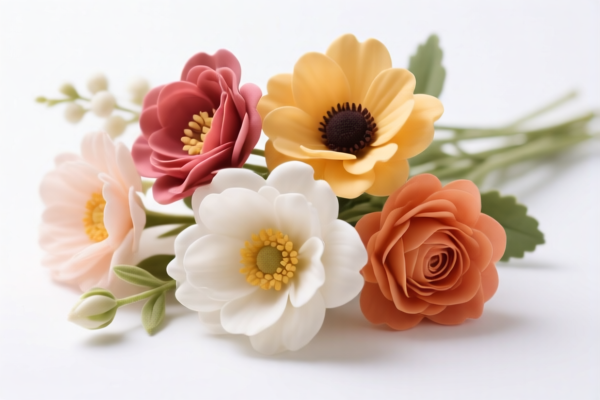
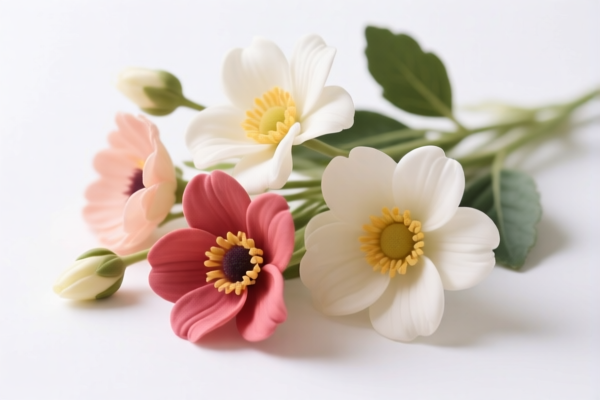
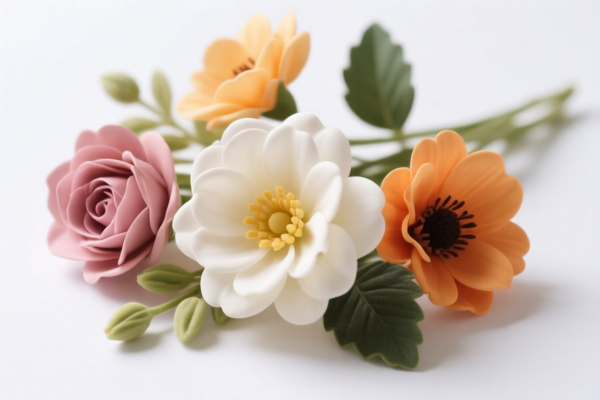
AI Analysis
💐 Bulk Flowers (Fresh, Dried, & Artificial)
🌐 HS Code Reference & Customs Clearance Guide | 2026 Latest Tariff Analysis | Professional Entry Strategy
📌 Part I: Product Definition & Classification: What Exactly Are "Bulk Flowers"?
In international trade, "Bulk Flowers" is not a single, uniform category but a composite term covering two distinct biological and industrial categories: Botanical (Natural) and Artificial (Synthetic). The classification, tax rate, and customs risk differ drastically between fresh organic matter and plastic/fabric simulations.
1. Botanical Flowers (Fresh/Dried)
Intended for floral decoration, arrangement, or commercial sale in bulk.
Key Distinction: Is it Fresh (high moisture, perishable) or Dried (preserved)?
Customs Risk: High biological risk (phytosanitary certificates required).
2. Artificial Flowers & Foliage
Made of plastics, man-made fibers, or other non-living materials.
Key Distinction: Is the base material Plastic or Man-made Fiber?
Customs Risk: Standard non-biological clearance, but subject to material-specific tariffs.
⚠️ Critical Classification Rule:
- If it is Natural: Look to Chapter 6 (Live Trees/Plants).
- If it is Artificial: Look to Chapter 67 (Artificial Flowers).
- Do NOT mix fresh flowers with artificial ones in a single HS code declaration unless specified as "mixed assortments" under specific national rules (rare in standard bulk codes).
📦 Part II: HS Code Classification Matrix (Based on Provided Data)
| HS Code | Product Description | Material/State | Tax Rate (Total) | Tax Breakdown |
|---|---|---|---|---|
| 0603.10 | Fresh or dried flowers, bulk quantities, for commercial/decorative use. | Natural (Fresh/Dried) | Error | Failed to retrieve tax information |
| 0603.90 | Other fresh/dried flowers (arrangements, loose flowers for sale). | Natural (Fresh/Dried) | Error | Failed to retrieve tax information |
| 6702.10.40.00 | Artificial flowers, foliage, fruit & parts; Of Plastics; Other. | Artificial (Plastic) | 3.4% | Base: 3.4% Additional: 0.0% |
| 6702.90.35.00 | Artificial flowers, foliage, fruit & parts; Of Other Materials; Of Man-made Fibers. | Artificial (Fiber) | 9.0% | Base: 9.0% Additional: 0.0% |
🔍 Key Takeaway:
- Natural flowers (0603.xx): Tax data is unavailable/Error in this dataset. You must verify with local customs or a broker for actual rates (often 0% or low for fresh imports, but high for dried).
- Artificial Plastic Flowers (6702.10): Lowest duty rate (3.4%).
- Artificial Fiber Flowers (6702.90): Higher duty rate (9.0%).
💰 Part III: Tariff Rate Detailed Analysis
🎯 1. Artificial Flowers: Plastic Base (6702.10.40.00)
| Item | Details |
|---|---|
| HS Code | 6702.10.40.00 |
| Description | Artificial flowers, foliage and fruit; Of plastics; Other, including parts. |
| Base Tariff | 3.4% |
| Additional Tariff | 0.0% |
| Total Effective Tax | 3.4% |
| Applicable To | Flowers made from PVC, PE, PP, ABS, or other synthetic polymers. |
| Clearance Tip | Ensure materials are strictly plastic. If mixed with metal wires or fabric petals, this code may be rejected. |
📌 Explanation:
- This is the most common code for mass-produced artificial florals (e.g., plastic roses, fake foliage).
- The 3.4% rate is relatively low, making it competitive for high-volume imports.
- No additional penalties listed in this dataset.
🎯 2. Artificial Flowers: Man-Made Fiber Base (6702.90.35.00)
| Item | Details |
|---|---|
| HS Code | 6702.90.35.00 |
| Description | Artificial flowers... Of other materials: Of man-made fibers. |
| Base Tariff | 9.0% |
| Additional Tariff | 0.0% |
| Total Effective Tax | 9.0% |
| Applicable To | Flowers made from synthetic fabrics (polyester, nylon, acrylic), silk-like textiles, or non-woven fabrics. |
| Clearance Tip | Distinguish from "Plastic". If the petal is woven or non-woven fabric, it is 9.0%, not 3.4%. |
📌 Explanation:
- Higher tax burden due to the complexity of fiber-based products.
- Common in "premium" artificial flowers that mimic the texture of real fabric.
- Critical: Do not misdeclare fabric flowers as plastic to save 5.6%. Customs may inspect material composition.
⚠️ 3. Natural Flowers: Fresh/Dried (0603.10 & 0603.90)
| Item | Details |
|---|---|
| HS Code | 0603.10 or 0603.90 |
| Description | Fresh or dried flowers; bulk quantities; arrangements. |
| Tax Status | ERROR |
| Total Effective Tax | Unknown / Check Local Brochure |
| Action Required | MUST VERIFY. The provided data fails to retrieve tax info. |
📌 Warning:
- Do not assume 0%. While fresh cut flowers often have 0% duty in many countries, dried flowers may have higher rates.
- Phytosanitary Certificate is mandatory for 0603 codes.
- If you import natural flowers, you must consult a licensed customs broker to get the exact rate for your destination country.
🛠️ Part IV: Customs Clearance Practical Advice
✅ 1. Documentation Checklist (By Category)
| Category | Required Documents | Notes |
|---|---|---|
| Artificial (Plastic/Fiber) | • Commercial Invoice • Packing List • Material Declaration (Plastic vs. Fiber) • Certificate of Origin (if claiming preferences) |
Ensure material composition is clearly stated. If mixed, specify % breakdown. |
| Natural (Fresh/Dried) | • Phytosanitary Certificate (Original) • Fumigation Certificate (if wood packaging used) • Commercial Invoice • Packing List • Import Permit (if restricted species) |
Fresh flowers require cold chain verification. Dried flowers may require fumigation to prevent pests. |
✅ 2. Classification Pitfalls & How to Avoid Them
| ❌ Common Mistake | ✅ Correct Approach |
|---|---|
Declaring Fabric Roses as 6702.10.40.00 (Plastic) to pay 3.4%. |
Declare as 6702.90.35.00 (Fiber) paying 9.0%. Misclassification leads to fines and delays. |
| Declaring Dried Flowers as "Artificial" to avoid biological checks. | Never do this. Customs can easily distinguish natural vs. artificial via smell, texture, and microscopic analysis. Result: Seizure + Penalty. |
Ignoring the Bulk nature of 0603.10. |
0603.10 is for bulk. If sold as "Ready-made Bouquets," use 0603.90. |
| Assuming Tax is Free for Natural Flowers. | Data says "Error." Check local tariff schedules. Some countries charge 5-10% on dried flowers. |
✅ 3. Clear Naming Conventions for Declarations
🚀 Pro Tip: Your product description on the Commercial Invoice determines smooth clearance.
- For Plastic:
> "Artificial Plastic Roses, Synthetic Petals, Base: PVC, HS 6702.10.40.00" - For Fiber:
> "Artificial Silk-Like Flowers, Polyester Fabric Petals, HS 6702.90.35.00" - For Fresh:
> "Fresh Cut Chrysanthemums, Bulk Quantity, Phytosanitary Cert #XXXX, HS 0603.10" - For Dried:
> "Dried Lavender Stalks, Preserved, For Decorative Use, HS 0603.10"
🌍 Part V: Global Market Comparison (General Reference)
| Region | Artificial Flowers (Plastic) | Artificial Flowers (Fiber) | Natural Flowers (Fresh) | Notes |
|---|---|---|---|---|
| USA | 3.4% (Standard) | 9.0% (Standard) | Varies (Often 0% for fresh) | Requires USDA APHIS permit for fresh. |
| EU | 4.5% (Standard MFN) | 4.5% (Standard MFN) | 0% (Most fresh) | CE marking may be required for plastic toys/decor. |
| China | 3.4% | 9.0% | 0% - 10% | Depends on flower type. |
| Vietnam | 0% (ASEAN FTA if applicable) | 0% (ASEAN FTA if applicable) | Varies | Check preferential rules. |
📌 Note: The provided data reflects a specific tariff schedule (likely US or a specific bilateral agreement). Always verify against the destination country's current tariff book.
📌 Part VI: Conclusion & Action Plan
🎯 Summary:
- Artificial Plastic Flowers are the most tax-efficient option at 3.4% (
6702.10.40.00). - Artificial Fiber Flowers incur a higher duty of 9.0% (
6702.90.35.00). - Natural Flowers (
0603.xx) have unknown tax rates in this dataset. You must investigate locally. - Biological Risk: Natural flowers require strict phytosanitary controls. Artificial flowers do not.
🚀 Recommended Actions:
- Identify Material: Confirm if your artificial flowers are Plastic or Fabric/Fiber. This alone determines your tax cost.
- Verify Natural Tax: If importing real flowers, contact a customs broker immediately to get the exact
0603rate for your destination. - Document Accurately: Use precise descriptions in your Commercial Invoice. Do not use generic terms like "Flowers" without specifying "Artificial Plastic" or "Fresh Cut".
- Pre-Clearance Check: For large volumes, request an Advance Ruling or Binding Tariff Information to lock in the HS code and tax rate.
✨ Professional Clearance Starts with Precise Classification!
💼 Don't let a 5.6% tax difference or a phytosanitary hold disrupt your supply chain.
📣 Contact your logistics partner today to verify material composition and obtain missing tax data for natural flowers!
Customer Reviews
About HS Code Classification
The Harmonized System (HS) is an internationally standardized nomenclature developed by the World Customs Organization (WCO) to classify traded products. Over 200 countries use the HS system as the basis for customs tariffs, trade statistics, and import/export regulations.
Each HS code follows a hierarchical structure:
- Chapter (2 digits) — Broad category of goods (e.g., Chapter 84: Machinery and Mechanical Appliances)
- Heading (4 digits) — More specific grouping within the chapter
- Subheading (6 digits) — Internationally standardized breakdown, used by all WCO member countries
- National subdivisions (8-10 digits) — Country-specific extensions for further classification, such as US HTSUS 10-digit codes
Correct HS code classification is essential for smooth customs clearance, accurate duty payment, and compliance with trade regulations. Misclassification can lead to customs delays, overpayment of duties, or penalties.
When importing from CN to US, the applicable tariff rates may include:
- Most-Favored-Nation (MFN) rate — The standard duty rate applied to WTO members
- General rate — Applied to countries without trade agreements
- Trade remedy duties — Additional tariffs such as Section 301 (anti-dumping), Section 232 (national security), or countervailing duties
The information provided on this page is for reference purposes only. For official classification, please consult with your local customs authority or a licensed customs broker.