Bus 10+ Seats
CN → US| HS编码 | 关税税率 | 原产国 | 目的国 | 文档 |
|---|---|---|---|---|
| 8706000540 | 39.0% | CN | US | 官方文档 |
| 8702106100 | 37.0% | CN | US | 官方文档 |
| 8702103100 | 37.0% | CN | US | 官方文档 |
| 8702106100 | 37.0% | CN | US | 官方文档 |
| 8702103100 | 37.0% | CN | US | 官方文档 |
商品图片
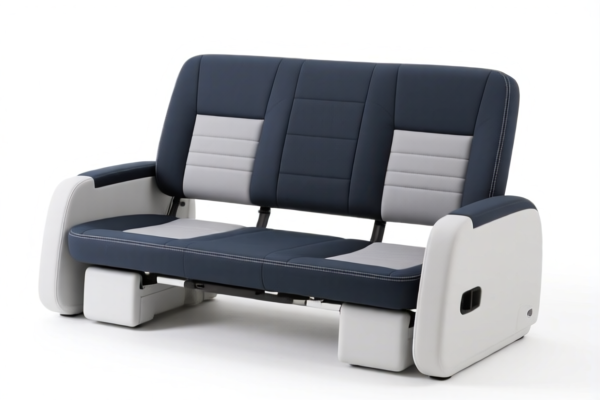
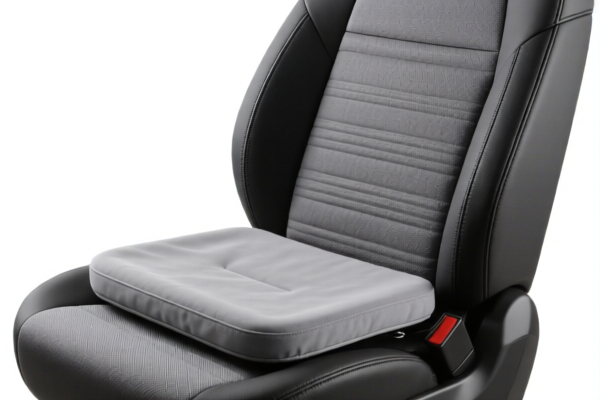
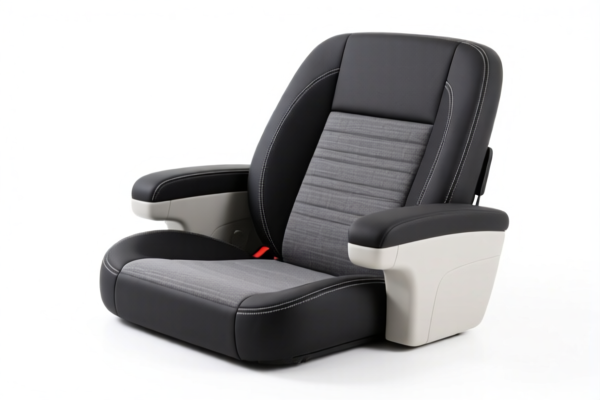
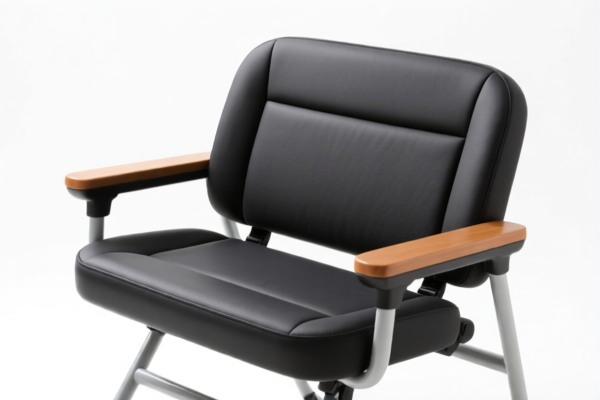
AI分析
🚌 Passenger Bus (10+ Seats)
🌐 HS Code Reference & Customs Clearance Guide | 2026 Latest Tariff Analysis | Professional Clearance Strategy
📌 I. Product Definition & Classification: Do You Truly Understand "Passenger Buses"?
A Passenger Bus with 10 or more seats is a specialized vehicle designed for the transport of multiple passengers. In international trade, its classification hinges strictly on its designated use (transporting 10+ persons) rather than just its physical appearance.
Key Classification Logic:
- Primary Category: Motor vehicles for the transport of ten or more persons (including the driver).
- Relevant Chapter: Chapter 87 (Vehicles other than railway or tramway rolling stock).
- Critical Distinction:
- If the vehicle is designed for 10 or more passengers, it falls under HS 8702.
- If it is designed for fewer than 10 passengers (e.g., standard sedans, SUVs, minivans), it may fall under HS 8703 or HS 8704.
- Note: The HS Code 8706.00.05.40 mentioned in some contexts often refers to chassis without engines/cabs (part of the bus manufacturing process) or specific sub-definitions, but for a complete passenger bus, 8702 is the primary functional heading. However, based on the provided data, we will analyze the specific codes provided: 8706.00.05.40 and 8702.10.xx.xx.
📦 II. HS Code Classification Details (2026 Latest Tariff Authority Cross-Reference)
| HS Code | Product Description | Applicability Scenario | Key Classification Feature |
|---|---|---|---|
8706.00.05.40 |
Passenger Bus Chassis/Cab (10+ Seats) | Often refers to chassis without full body or specific sub-type definitions for vehicles meeting the 10+ seat criteria in certain tariff schedules. | Matches "Passenger Bus" usage characteristics but may imply partial assembly or specific structural classification. |
8702.10.61.00 |
Motor vehicles for transport of 10 or more persons (10+ Seats) | Complete Passenger Bus. Designed specifically to transport 10 or more persons (including driver). | Primary Recommendation for complete buses. Matches "Buses for transport of 10 or more persons". |
8702.10.31.00 |
Other motor vehicles for transport of 10 or more persons | Alternative classification for buses meeting the 10+ person transport criteria. | Fully matches the usage (transporting 10+ persons) and scale requirements. |
🔍 Key Distinction:
- 8702.10.xx.xx is the standard heading for complete vehicles designed for 10+ passengers.
- 8706.00.05.40 appears in the data as an alternative, possibly referencing specific chassis or sub-category definitions for the same vehicle type.
- Crucial Point: All these codes share the same tax structure in the provided data, meaning the cost impact is identical, but 8702 is generally the more standard code for complete buses.
💰 III. 2026 Latest Tariff Rate Details (Including Surtaxes & Policy Additions)
✅ Applicable Country: United States (US)
✅ Country of Origin: China (CN)
✅ Effective Date: 2025/2026 (Current Policy)
🎯 1. 8706.00.05.40 —— Passenger Bus (10+ Seats) / Chassis
| Item | Content |
|---|---|
| Base Tariff | 4.0% (Ad Valorem) |
| Section 301 Surcharge | +25.0% (From USITC Footnote 9903.88.01) |
| Section 122 Tariff | +10.0% (Specific trade remedy tariff) |
| Total Effective Rate | 39.0% |
| Tax Calculation | CIF Value × 39% |
| De Minimis Exemption | ❌ Not Eligible (Denied for vehicles) |
| Legal Basis Path | Base Tariff: 4.0% → Section 301: 25.0% → Section 122: 10.0% |
📌 Explanation:
- Base Tariff (4%): Standard MFN rate for vehicles/chassis.
- Section 301 (25%): Retaliatory tariffs on Chinese imports.
- Section 122 (10%): Tariffs imposed for national security/industrial protection reasons.
- Total: 39%. This is a high-cost category. Proper classification is critical to avoid penalties, but note that all codes in the provided data have the same total tax.
🎯 2. 8702.10.61.00 & 8702.10.31.00 —— Complete Passenger Buses (10+ Seats)
| Item | Content |
|---|---|
| Base Tariff | 2.0% (Ad Valorem) |
| Section 301 Surcharge | +25.0% (From USITC Footnote 9903.88.01) |
| Section 122 Tariff | +10.0% (Specific trade remedy tariff) |
| Total Effective Rate | 37.0% |
| Tax Calculation | CIF Value × 37% |
| De Minimis Exemption | ❌ Not Eligible (Denied for vehicles) |
| Legal Basis Path | Base Tariff: 2.0% → Section 301: 25.0% → Section 122: 10.0% |
📌 Explanation:
- Base Tariff (2%): Slightly lower base rate for complete vehicles under HS 8702.
- Section 301 (25%): Same as above.
- Section 122 (10%): Same as above.
- Total: 37%. 2% lower than the8706classification due to the lower base rate.
- Note:8702.10.61.00and8702.10.31.00are functionally equivalent in terms of tax rate in this dataset. Use the code that best matches your product's specific technical description (e.g., whether it's diesel/electric, but the provided data groups them similarly for tax).
🛠️ IV. Customs Clearance Practical Advice (Real-World Pitfall Guide)
✅ 1. Document Checklist (Essential for Clearance)
| Document | Must Provide | Description |
|---|---|---|
| ✅ Product Specifications | ✔️ | Must clearly state "10+ Seats" and "For Passenger Transport". |
| ✅ Technical Drawings | ✔️ | Interior layout showing seat count and configuration. |
| ✅ Product Photos | ✔️ | Clear view of interior seats, exterior, and VIN plate. |
| ✅ Commercial Invoice | ✔️ | Explicitly describe as "Passenger Bus, 10+ Seats" and not just "Vehicle". |
| ✅ Bill of Lading | ✔️ | Ensure HS Code matches the invoice description. |
| ✅ Country of Origin Certificate | ✔️ | Required to apply correct surtaxes. |
✅ 2. Declaration Tips (Critical Mnemonics)
🔥 "Seats Count is King! 10+ Means 8702!"
| Scenario | Correct Declaration | Incorrect Action | Consequence |
|---|---|---|---|
| Complete Bus (10+ Seats) | 8702.10.61.00 or 8702.10.31.00 |
Misclassify as 8703 (Passenger Cars) |
Penalty + Back Taxes + Delay |
| Bus Chassis Only | 8706.00.05.40 (if applicable) |
Declare as complete bus | Undervaluation Claim |
| Less than 10 Seats | 8703.23 or similar |
Declare as 10+ Bus | Wrong Classification |
| Tax Declaration | Total Tax 37% | Assume 0% or 2% | Severe Underpayment Penalty |
📌 Key Warning:
- Do NOT use "De Minimis" (Section 321) for buses. Buses are excluded from de minimis entry.
- Do NOT under-declare seat count. If you declare "8-seater bus" but it has 12 seats, Customs will reclassify and penalize you.
✅ 3. Special Case Handling
| Situation | Handling Advice |
|---|---|
| Customized Interior | Provide interior layout drawings to prove "10+ Seats". |
| Electric Bus | Same classification (8702.10.xx.xx) unless specific EV incentives apply (check current USITC notes). |
| Chassis vs. Complete Bus | If importing chassis only, use 8706. If complete bus, use 8702. Mistaking one for the other leads to clearance delays. |
| Used Buses | Additional environmental/safety certifications may be required. |
🌍 V. Global Market Clearance Comparison (2026 Latest)
| Country/Region | Recommended HS Code | Tariff (China Origin) | Certification Required | Notes |
|---|---|---|---|---|
| 🇺🇸 USA | 8702.10.61.00 |
37% (2% Base + 25% Sec 301 + 10% Sec 122) | DOT, EPA | High tariff. Avoid de minimis. |
| 🇨🇳 China | 8702.10.61.00 |
Varies (Check current CCIT) | CCC (if applicable) | Domestic market rules differ. |
| 🇪🇺 EU | 8702.10.61.00 |
Typically 0-4% | ECE Certifications | No Section 301/122 surcharges. |
| 🇯🇵 Japan | 8702.10.61.00 |
~6-10% | JIS Standards | No major surcharges. |
📌 Conclusion:
- USA is the most expensive market due to Section 301 (25%) and Section 122 (10%) tariffs.
- Total 37% tax is unavoidable for Chinese-origin buses entering the US.
- Strategic Advice: Consider sourcing buses from non-China origins (e.g., Vietnam, Thailand) if possible to avoid Section 301 tariffs, but verify "Substantial Transformation" rules.
📌 VI. Common Errors & Pitfall Guide (Lessons Learned)
❌ Error 1: Declaring a 12-seat bus as an "8-seater Passenger Car" (HS 8703).
👉 Consequence: Severe Penalty. HS 8703 has different tariffs and restrictions. Customs will reclassify and charge the correct 37% + penalties.
❌ Error 2: Using De Minimis Entry for Buses.
👉 Consequence: Seizure. Buses are explicitly excluded from Section 321 de minimis entry.
❌ Error 3: Incorrect HS Code for Chassis vs. Complete Bus.
👉 Consequence: Customs Hold. If you ship a complete bus but declare it as a chassis (8706), Customs will ask for proof of assembly status, causing delays.
❌ Error 4: Ignoring Section 122 Tariff.
👉 Consequence: Underpayment. Many importers forget the 10% Section 122 tariff. Total tax is 37%, not 25%.
✅ Correct Declaration Example:
"Passenger Bus, Complete, Diesel, 12 Seats, VIN: XYZ123, Model ABC, Origin: China, HS Code: 8702.10.61.00"
🎯 VII. Conclusion: Professional Declaration Saves Money!
🎯 Remember These Mnemonics:
🔹 "10+ Seats = 8702, Not 8703!"
🔹 "Total Tax is 37%, Not 25%!" (Don't forget Section 122!)
🔹 "No De Minimis for Buses!"
🔹 "Chassis is 8706, Complete Bus is 8702!"
📌 Pro Tip:
- If your bus is assembled in China and exported to the US, budget for 37% total duty.
- Consider applying for an Exclude under Section 301 if your specific bus model is not produced in the US, but this process is complex and time-consuming.
- Pre-clearance Ruling: Apply for an Advance Ruling from CBP to confirm the HS Code and tax rate before shipment.
📣 Immediate Action:
📞 Contact a licensed customs broker.
📄 Prepare interior seating diagrams.
🚀 Verify the exact seat count on your invoices and packing lists.
✨ Professional clearance starts with accurate classification!
💼 Every percentage point matters in international trade!
用户评价
关于 HS 编码归类
协调制度(HS)是由世界海关组织(WCO)制定的国际贸易商品分类标准。全球 200 多个国家采用 HS 系统作为海关关税、贸易统计和进出口监管的基础。
每个 HS 编码遵循以下层级结构:
- 章(2 位)——商品大类(例如:第 84 章:机器和机械设备)
- 品目(4 位)——章内的更具体分类
- 子目(6 位)——国际通用细分,所有 WCO 成员国统一使用
- 本国细分(8-10 位)——各国自行扩展的细分编码,如美国 HTSUS 10 位编码
正确的 HS 编码归类对于顺利通关、准确缴纳关税和遵守贸易法规至关重要。错误归类可能导致海关延误、多缴关税或罚款。
从CN进口到US时,适用的关税税率可能包括:
- 最惠国(MFN)税率——适用于 WTO 成员国的标准关税税率
- 普通税率——适用于无贸易协定国家
- 贸易救济关税——附加关税,如 301 条款(反倾销)、232 条款(国家安全)或反补贴税
本页内容仅供参考。如需正式归类,请咨询当地海关或持牌报关代理。