Bus 10+ Seats
CN → US| HS Code | Tariff Rate | Origin | Destination | Doc |
|---|---|---|---|---|
| 8706000540 | 39.0% | CN | US | Official Doc |
| 8702106100 | 37.0% | CN | US | Official Doc |
| 8702103100 | 37.0% | CN | US | Official Doc |
| 8702106100 | 37.0% | CN | US | Official Doc |
| 8702103100 | 37.0% | CN | US | Official Doc |
Product Images
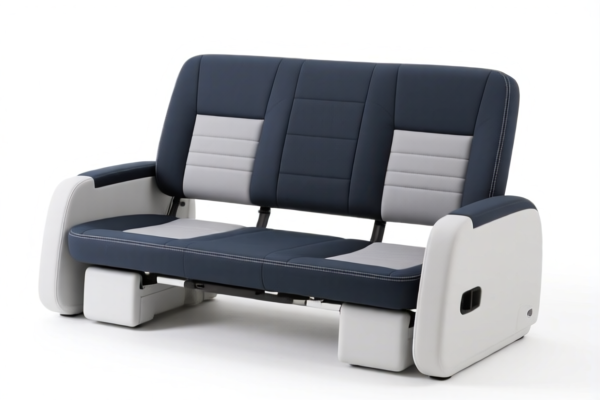
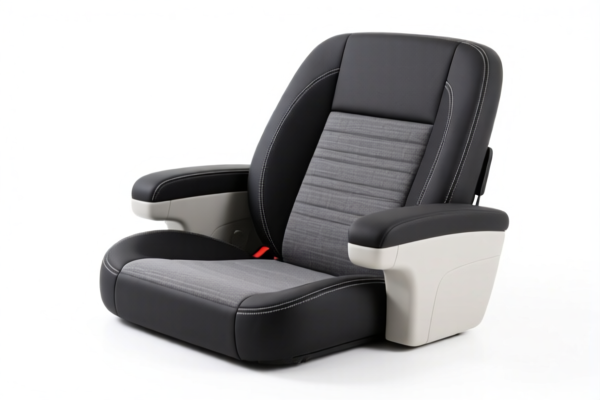
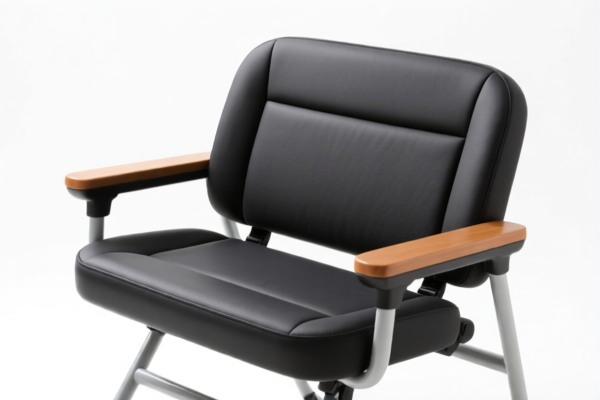
AI Analysis
🚌 Passenger Bus (10+ Seats)
🌐 HS Code Reference & Customs Clearance Guide | 2026 Latest Tariff Analysis | Professional Clearance Strategy
📌 I. Product Definition & Classification: Do You Truly Understand "Passenger Buses"?
A Passenger Bus with 10 or more seats is a specialized vehicle designed for the transport of multiple passengers. In international trade, its classification hinges strictly on its designated use (transporting 10+ persons) rather than just its physical appearance.
Key Classification Logic:
- Primary Category: Motor vehicles for the transport of ten or more persons (including the driver).
- Relevant Chapter: Chapter 87 (Vehicles other than railway or tramway rolling stock).
- Critical Distinction:
- If the vehicle is designed for 10 or more passengers, it falls under HS 8702.
- If it is designed for fewer than 10 passengers (e.g., standard sedans, SUVs, minivans), it may fall under HS 8703 or HS 8704.
- Note: The HS Code 8706.00.05.40 mentioned in some contexts often refers to chassis without engines/cabs (part of the bus manufacturing process) or specific sub-definitions, but for a complete passenger bus, 8702 is the primary functional heading. However, based on the provided data, we will analyze the specific codes provided: 8706.00.05.40 and 8702.10.xx.xx.
📦 II. HS Code Classification Details (2026 Latest Tariff Authority Cross-Reference)
| HS Code | Product Description | Applicability Scenario | Key Classification Feature |
|---|---|---|---|
8706.00.05.40 |
Passenger Bus Chassis/Cab (10+ Seats) | Often refers to chassis without full body or specific sub-type definitions for vehicles meeting the 10+ seat criteria in certain tariff schedules. | Matches "Passenger Bus" usage characteristics but may imply partial assembly or specific structural classification. |
8702.10.61.00 |
Motor vehicles for transport of 10 or more persons (10+ Seats) | Complete Passenger Bus. Designed specifically to transport 10 or more persons (including driver). | Primary Recommendation for complete buses. Matches "Buses for transport of 10 or more persons". |
8702.10.31.00 |
Other motor vehicles for transport of 10 or more persons | Alternative classification for buses meeting the 10+ person transport criteria. | Fully matches the usage (transporting 10+ persons) and scale requirements. |
🔍 Key Distinction:
- 8702.10.xx.xx is the standard heading for complete vehicles designed for 10+ passengers.
- 8706.00.05.40 appears in the data as an alternative, possibly referencing specific chassis or sub-category definitions for the same vehicle type.
- Crucial Point: All these codes share the same tax structure in the provided data, meaning the cost impact is identical, but 8702 is generally the more standard code for complete buses.
💰 III. 2026 Latest Tariff Rate Details (Including Surtaxes & Policy Additions)
✅ Applicable Country: United States (US)
✅ Country of Origin: China (CN)
✅ Effective Date: 2025/2026 (Current Policy)
🎯 1. 8706.00.05.40 —— Passenger Bus (10+ Seats) / Chassis
| Item | Content |
|---|---|
| Base Tariff | 4.0% (Ad Valorem) |
| Section 301 Surcharge | +25.0% (From USITC Footnote 9903.88.01) |
| Section 122 Tariff | +10.0% (Specific trade remedy tariff) |
| Total Effective Rate | 39.0% |
| Tax Calculation | CIF Value × 39% |
| De Minimis Exemption | ❌ Not Eligible (Denied for vehicles) |
| Legal Basis Path | Base Tariff: 4.0% → Section 301: 25.0% → Section 122: 10.0% |
📌 Explanation:
- Base Tariff (4%): Standard MFN rate for vehicles/chassis.
- Section 301 (25%): Retaliatory tariffs on Chinese imports.
- Section 122 (10%): Tariffs imposed for national security/industrial protection reasons.
- Total: 39%. This is a high-cost category. Proper classification is critical to avoid penalties, but note that all codes in the provided data have the same total tax.
🎯 2. 8702.10.61.00 & 8702.10.31.00 —— Complete Passenger Buses (10+ Seats)
| Item | Content |
|---|---|
| Base Tariff | 2.0% (Ad Valorem) |
| Section 301 Surcharge | +25.0% (From USITC Footnote 9903.88.01) |
| Section 122 Tariff | +10.0% (Specific trade remedy tariff) |
| Total Effective Rate | 37.0% |
| Tax Calculation | CIF Value × 37% |
| De Minimis Exemption | ❌ Not Eligible (Denied for vehicles) |
| Legal Basis Path | Base Tariff: 2.0% → Section 301: 25.0% → Section 122: 10.0% |
📌 Explanation:
- Base Tariff (2%): Slightly lower base rate for complete vehicles under HS 8702.
- Section 301 (25%): Same as above.
- Section 122 (10%): Same as above.
- Total: 37%. 2% lower than the8706classification due to the lower base rate.
- Note:8702.10.61.00and8702.10.31.00are functionally equivalent in terms of tax rate in this dataset. Use the code that best matches your product's specific technical description (e.g., whether it's diesel/electric, but the provided data groups them similarly for tax).
🛠️ IV. Customs Clearance Practical Advice (Real-World Pitfall Guide)
✅ 1. Document Checklist (Essential for Clearance)
| Document | Must Provide | Description |
|---|---|---|
| ✅ Product Specifications | ✔️ | Must clearly state "10+ Seats" and "For Passenger Transport". |
| ✅ Technical Drawings | ✔️ | Interior layout showing seat count and configuration. |
| ✅ Product Photos | ✔️ | Clear view of interior seats, exterior, and VIN plate. |
| ✅ Commercial Invoice | ✔️ | Explicitly describe as "Passenger Bus, 10+ Seats" and not just "Vehicle". |
| ✅ Bill of Lading | ✔️ | Ensure HS Code matches the invoice description. |
| ✅ Country of Origin Certificate | ✔️ | Required to apply correct surtaxes. |
✅ 2. Declaration Tips (Critical Mnemonics)
🔥 "Seats Count is King! 10+ Means 8702!"
| Scenario | Correct Declaration | Incorrect Action | Consequence |
|---|---|---|---|
| Complete Bus (10+ Seats) | 8702.10.61.00 or 8702.10.31.00 |
Misclassify as 8703 (Passenger Cars) |
Penalty + Back Taxes + Delay |
| Bus Chassis Only | 8706.00.05.40 (if applicable) |
Declare as complete bus | Undervaluation Claim |
| Less than 10 Seats | 8703.23 or similar |
Declare as 10+ Bus | Wrong Classification |
| Tax Declaration | Total Tax 37% | Assume 0% or 2% | Severe Underpayment Penalty |
📌 Key Warning:
- Do NOT use "De Minimis" (Section 321) for buses. Buses are excluded from de minimis entry.
- Do NOT under-declare seat count. If you declare "8-seater bus" but it has 12 seats, Customs will reclassify and penalize you.
✅ 3. Special Case Handling
| Situation | Handling Advice |
|---|---|
| Customized Interior | Provide interior layout drawings to prove "10+ Seats". |
| Electric Bus | Same classification (8702.10.xx.xx) unless specific EV incentives apply (check current USITC notes). |
| Chassis vs. Complete Bus | If importing chassis only, use 8706. If complete bus, use 8702. Mistaking one for the other leads to clearance delays. |
| Used Buses | Additional environmental/safety certifications may be required. |
🌍 V. Global Market Clearance Comparison (2026 Latest)
| Country/Region | Recommended HS Code | Tariff (China Origin) | Certification Required | Notes |
|---|---|---|---|---|
| 🇺🇸 USA | 8702.10.61.00 |
37% (2% Base + 25% Sec 301 + 10% Sec 122) | DOT, EPA | High tariff. Avoid de minimis. |
| 🇨🇳 China | 8702.10.61.00 |
Varies (Check current CCIT) | CCC (if applicable) | Domestic market rules differ. |
| 🇪🇺 EU | 8702.10.61.00 |
Typically 0-4% | ECE Certifications | No Section 301/122 surcharges. |
| 🇯🇵 Japan | 8702.10.61.00 |
~6-10% | JIS Standards | No major surcharges. |
📌 Conclusion:
- USA is the most expensive market due to Section 301 (25%) and Section 122 (10%) tariffs.
- Total 37% tax is unavoidable for Chinese-origin buses entering the US.
- Strategic Advice: Consider sourcing buses from non-China origins (e.g., Vietnam, Thailand) if possible to avoid Section 301 tariffs, but verify "Substantial Transformation" rules.
📌 VI. Common Errors & Pitfall Guide (Lessons Learned)
❌ Error 1: Declaring a 12-seat bus as an "8-seater Passenger Car" (HS 8703).
👉 Consequence: Severe Penalty. HS 8703 has different tariffs and restrictions. Customs will reclassify and charge the correct 37% + penalties.
❌ Error 2: Using De Minimis Entry for Buses.
👉 Consequence: Seizure. Buses are explicitly excluded from Section 321 de minimis entry.
❌ Error 3: Incorrect HS Code for Chassis vs. Complete Bus.
👉 Consequence: Customs Hold. If you ship a complete bus but declare it as a chassis (8706), Customs will ask for proof of assembly status, causing delays.
❌ Error 4: Ignoring Section 122 Tariff.
👉 Consequence: Underpayment. Many importers forget the 10% Section 122 tariff. Total tax is 37%, not 25%.
✅ Correct Declaration Example:
"Passenger Bus, Complete, Diesel, 12 Seats, VIN: XYZ123, Model ABC, Origin: China, HS Code: 8702.10.61.00"
🎯 VII. Conclusion: Professional Declaration Saves Money!
🎯 Remember These Mnemonics:
🔹 "10+ Seats = 8702, Not 8703!"
🔹 "Total Tax is 37%, Not 25%!" (Don't forget Section 122!)
🔹 "No De Minimis for Buses!"
🔹 "Chassis is 8706, Complete Bus is 8702!"
📌 Pro Tip:
- If your bus is assembled in China and exported to the US, budget for 37% total duty.
- Consider applying for an Exclude under Section 301 if your specific bus model is not produced in the US, but this process is complex and time-consuming.
- Pre-clearance Ruling: Apply for an Advance Ruling from CBP to confirm the HS Code and tax rate before shipment.
📣 Immediate Action:
📞 Contact a licensed customs broker.
📄 Prepare interior seating diagrams.
🚀 Verify the exact seat count on your invoices and packing lists.
✨ Professional clearance starts with accurate classification!
💼 Every percentage point matters in international trade!
Customer Reviews
About HS Code Classification
The Harmonized System (HS) is an internationally standardized nomenclature developed by the World Customs Organization (WCO) to classify traded products. Over 200 countries use the HS system as the basis for customs tariffs, trade statistics, and import/export regulations.
Each HS code follows a hierarchical structure:
- Chapter (2 digits) — Broad category of goods (e.g., Chapter 84: Machinery and Mechanical Appliances)
- Heading (4 digits) — More specific grouping within the chapter
- Subheading (6 digits) — Internationally standardized breakdown, used by all WCO member countries
- National subdivisions (8-10 digits) — Country-specific extensions for further classification, such as US HTSUS 10-digit codes
Correct HS code classification is essential for smooth customs clearance, accurate duty payment, and compliance with trade regulations. Misclassification can lead to customs delays, overpayment of duties, or penalties.
When importing from CN to US, the applicable tariff rates may include:
- Most-Favored-Nation (MFN) rate — The standard duty rate applied to WTO members
- General rate — Applied to countries without trade agreements
- Trade remedy duties — Additional tariffs such as Section 301 (anti-dumping), Section 232 (national security), or countervailing duties
The information provided on this page is for reference purposes only. For official classification, please consult with your local customs authority or a licensed customs broker.