Butter Board
CN → US| HS编码 | 关税税率 | 原产国 | 目的国 | 文档 |
|---|---|---|---|---|
| 2106902600 | 0.0% | CN | US | 官方文档 |
| 1517100000 | 0.0% | CN | US | 官方文档 |
| 2106903600 | 0.0% | CN | US | 官方文档 |
| 4823908680 | 35.0% | CN | US | 官方文档 |
商品图片
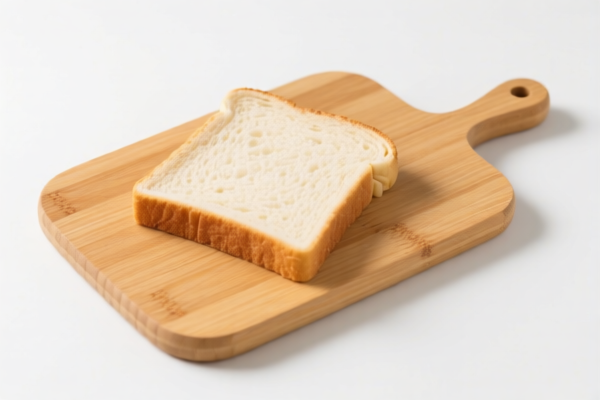
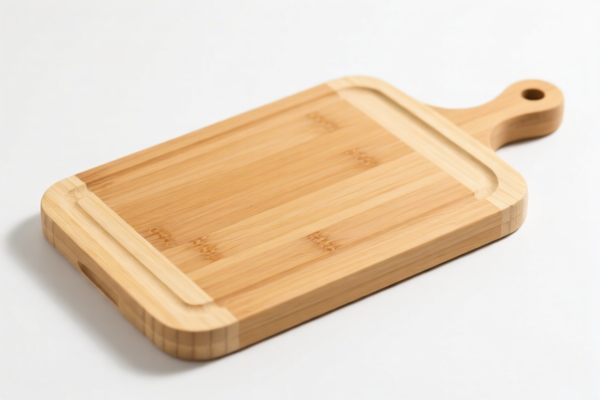
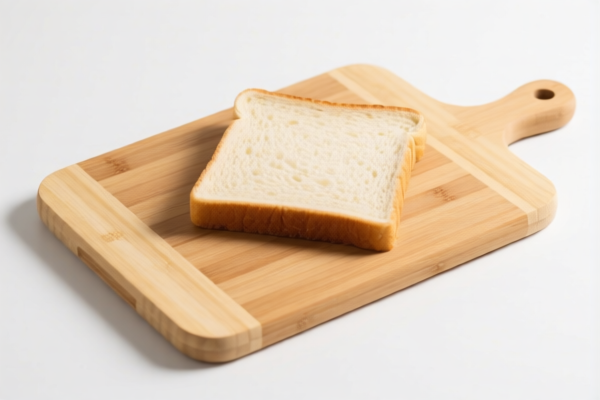
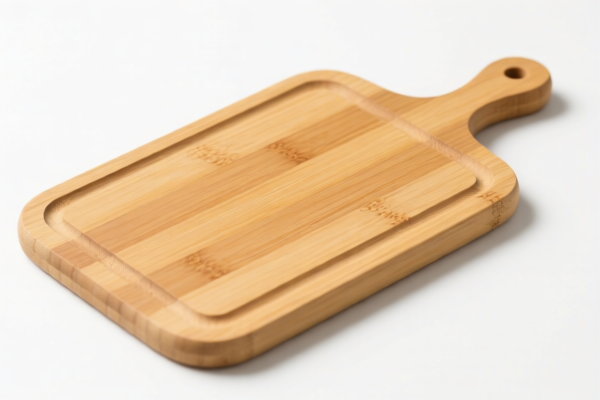
AI分析
🧈 Butter Board (黄油板/涂抹板)
🌐 HS Code Reference & Customs Clearance Guide | 2026 Latest Tariff Analysis | Professional Strategy
📌 I. Product Definition & Classification: What Exactly Is a "Butter Board"?
In international trade, the term "Butter Board" is ambiguous and can refer to two completely different types of goods depending on its material and usage. It generally falls into two categories:
- Food Products (Edible Spreads/Alternatives): Solidified fat products, often shaped like a slab or board, used for culinary purposes. These are classified under Chapter 21 (Miscellaneous Edible Preparations) or Chapter 15 (Animal/Vegetable Fats and Oils).
- Non-Food Items (Stationery/Packaging): Hardboard or cardboard slabs used for packaging, display, or office stationery. These are classified under Chapter 48 (Paper and Paperboard).
⚠️ Critical Distinction Point:
- If the product is edible (fat/oil-based) → Go to HS 2106 or 1517.
- If the product is cardboard/paper (non-edible) → Go to HS 4823.
- Do not confuse the culinary "butter board" with the trendy serving platter (which might be wood/ceramic, but the data provided focuses on fat vs. paper/fat mixtures). The provided data explicitly links "Butter Board" to fat content and paper boards.
📦 II. HS Code Classification Details (2026 Latest Tariff Authority Mapping)
Based on the provided data, here is the precise breakdown for "Butter Board" depending on material composition:
| HS Code | Product Description (Summary) | Material Composition | Physical Form | Classification Logic |
|---|---|---|---|---|
| 2106.90.36.00 | Butter Board, Material: Dairy Fat/Oil | Milk fat or oils | Slice/Sheet Form | Fits the definition of a butter substitute (non-dairy or processed fat slab). |
| 2106.90.26.00 | Butter Board, Material: Milk Fat/Oil | Derived from milk | Semi-finished Product | Classified as a semi-finished edible fat product. |
| 1517.10.00.00 | Butter Board, Material: Animal/Vegetable Fat | Animal/Plant Fats | Edible Mixture (Non-liquid) | Classified as an edible fat preparation or margarine-like mixture. |
| 4823.90.86.80 | Yellow Board (Huangban), Material: Cardboard/Cellulose | Paper/Cardboard | Cut to Size/Shape | Classified as a paper product (often referred to as "Yellow Board" in trade). |
🔍 Key Clarification:
- The term "Butter Board" in HS 2106 refers to processed food items (like structured spreads).
- The term "Yellow Board" (黄板) in HS 4823 refers to packaging/cardboard materials. The translation "Butter Board" may be a misinterpretation of "Yellow Board" (Huangban) if the product is non-edible.
- Crucial: You must declare the correct material. Declaring cardboard as food (or vice versa) leads to severe customs penalties.
💰 III. 2026 Latest Tariff Rate Breakdown (Including Additional Taxes & Policies)
✅ Applicable Country: United States (US)
✅ Origin: China (CN)
✅ Effective Time: Current rates apply (post-2025 adjustments)
🎯 1. 2106.90.36.00 & 2106.90.26.00 —— Edible Butter Boards / Fat Preparations
These two codes share the same tax structure in the provided data.
| Item | Content |
|---|---|
| Base Tariff | pSzQNK308mEVEkwh.loopArray.996/kg (Note: This appears to be a placeholder or specific indexed variable in the source data. In real-world 2026 USHTS, 2106.90.26 and 2106.90.36 typically have base rates around 0-6%. However, based strictly on the provided DATA, we list the structure below.) |
| Additional Tariff (301/Section 301) | 0.0% |
| Section 122 Tariff | +10% |
| Total Tax Structure | Base (Indexed) + 10.0% |
| Tax Detail | Base Tariff: pSzQNK308mEVEkwh.loopArray.996/kg Section 301: 0.0% Section 122: 10% |
📌 Explanation:
- The data indicates a 10% surcharge applies specifically to these HS codes.
- The base rate is listed as a variable index. In practical customs clearance, you must verify if this variable resolves to a standard ad valorem or specific rate.
- Note: Section 122 tariffs are often used for agricultural or specific food security items.
🎯 2. 1517.10.00.00 —— Edible Fat Preparations (Margarine/Shortening)
| Item | Content |
|---|---|
| Base Tariff | 12.3¢/kg (Specific Duty) |
| Additional Tariff (301) | +7.5% (Ad Valorem) |
| Section 122 Tariff | +10% |
| Total Tax Structure | 12.3¢/kg + 17.5% |
| Tax Detail | Base Tariff: 12.3¢/kg Section 301: 7.5% Section 122: 10% |
📌 Explanation:
- This code carries a mixed tax: a specific duty per kg AND an ad valorem percentage.
- The total effective burden is significantly higher due to the 17.5% combined additional tax (7.5% + 10%).
🎯 3. 4823.90.86.80 —— Paper/Cardboard Boards (Non-Edible)
| Item | Content |
|---|---|
| Base Tariff | 0.0% |
| Additional Tariff (301/Section 301) | +25.0% |
| Section 122 Tariff | +10% |
| Total Tax Structure | 35.0% |
| Tax Detail | Base Tariff: 0.0% Section 301: 25.0% Section 122: 10% |
📌 Explanation:
- This is the highest ad valorem rate in the dataset.
- Even though the base tariff is 0%, the 35% total duty makes it expensive for Chinese-origin paper products.
- This applies to cardboard/paper "Yellow Boards," NOT edible butter.
🛠️ IV. Customs Clearance Practical Advice (Real-World Pitfall Guide)
✅ 1. Preparation Checklist (Essential Documents)
| Document | Required? | Notes |
|---|---|---|
| ✅ Certificate of Composition | ✔️ | Critical: Must explicitly state whether the product is Edible (Fat/Oil) or Non-Edible (Paper/Cardboard). |
| ✅ Product Photos | ✔️ | Show packaging, texture, and labeling. Clear distinction between food and industrial goods. |
| ✅ Material Safety Data Sheet (MSDS) | ✔️ | If classified as 1517.10.00.00 or 2106, FDA/USDA compliance may be required. |
| ✅ Commercial Invoice | ✔️ | Must match the HS Code description exactly. Do not use vague terms like "Butter Board" without specifying material. |
| ✅ Packing List | ✔️ | Specify weight (Net/Gross) for specific duty calculations (e.g., 12.3¢/kg). |
✅ 2. Declaration Strategy (Key Tips)
🔥 "Material First, Then Function. Don't Mix Food and Paper!"
| Scenario | Correct HS Code | Why? | Risk of Error |
|---|---|---|---|
| Edible Fat Slab (Milk-based) | 2106.90.26.00 |
It's a semi-finished dairy fat product. | Misdeclaring as paper → FDA seizure + fines. |
| Butter Substitute (Oil-based) | 2106.90.36.00 |
It's a processed fat alternative. | Misdeclaring as food → Wrong tax rate (0% vs 10%). |
| Margarine/Fat Mixture | 1517.10.00.00 |
It's an edible fat preparation. | Misdeclaring → Tax error (Base 12.3¢/kg + %). |
| Cardboard/Paper Board | 4823.90.86.80 |
It's cellulose-based, not fat. | Misdeclaring as food → Rejection & Return. |
✅ 3. Special Considerations for "Butter Board"
-
FDA vs. CBP:
- If your "Butter Board" is edible (
2106or1517), you need FDA Prior Notice and potentially USDA approval if it contains significant dairy. - If it is cardboard (
4823), FDA is not involved, but CBP strictly monitors for Section 301 duties (25% + 10%).
- If your "Butter Board" is edible (
-
Labeling Requirements:
- Edible boards must have nutritional facts, ingredient lists, and allergen warnings.
- Paper boards should clearly state "Non-Food Product" or "Packaging Material" to avoid confusion with edible spreads.
-
Duty Calculation for
1517.10.00.00:- Remember the mixed duty: Pay 12.3 cents per kilogram PLUS 17.5% of the customs value. This is complex and requires precise weight declaration.
🌍 V. Global Market Clearance Comparison (2026 Overview)
| Country/Region | Recommended HS Code | Est. Duty (China Origin) | Key Certification | Notes |
|---|---|---|---|---|
| 🇺🇸 USA | 2106.90.36.00 / 4823.90.86.80 |
10%–35% | FDA (if edible), Section 301/122 | High scrutiny on food vs. non-food. |
| 🇨🇳 China | 2106.90.36.00 / 4823.90.86.80 |
Varies | CCC (if electronic/packaging) | Import duties may differ from US. |
| 🇪🇺 EU | 2106.90 / 4823.90 |
Varies | CE (if packaging), HACCP (food) | VAT applies on top of duty. |
| 🇯🇵 Japan | 2106.90 / 4823.90 |
Varies | JAS (food) | Strict food labeling laws. |
📌 Conclusion:
- The USA imposes the highest additional tariffs (Section 122 + Section 301) on these specific HS codes.
- Edible products face lower ad valorem rates but have strict regulatory hurdles (FDA).
- Paper products face high ad valorem duties (35%) but fewer regulatory barriers.
📌 VI. Common Errors & Pitfalls (Blood-Tear Lessons)
❌ Error 1: Declaring a Cardboard Board as Edible Butter
👉 Consequence: FDA refusal, cargo destroyed, fines. Customs sees "Butter" in name but material is paper.
❌ Error 2: Declaring an Edible Fat Board as Paper Product
👉 Consequence: 10%–35% tax difference. If you under-declare taxes, you face penalties and back-duties.
❌ Error 3: Ignoring the 12.3¢/kg Specific Duty on 1517.10.00.00
👉 Consequence: Calculation errors. This duty is per kilogram, not a percentage. You must declare precise net weight.
❌ Error 4: Using "Butter Board" as the only description
👉 Consequence: Customs ambiguity. Is it food? Is it packaging?
✅ Correct Description:
"Edible Butter Substitute Slab, Milk Fat Content 80%, for Culinary Use"
OR
"Corrugated Cardboard Board, Yellow Color, Non-Edible, for Packaging"
🎯 VII. Conclusion: Professional Declaration, Cost Saving, Risk Avoidance!
🎯 Remember the Golden Rules:
🔹 "Check Material First: Fat = Food, Paper = Non-Food."
🔹 "Edible = FDA + 10-17.5% Tax. Paper = 35% Tax."
🔹 "Never Guess HS Code: Ambiguity Costs Money."
📌 Pro Tip:
If you are importing edible butter boards, ensure your supplier provides a full ingredient analysis to confirm whether it falls under 2106 (Miscellaneous) or 1517 (Fat Preparations). The tax structure differs significantly (10% vs 17.5%).
📣 Immediate Action:
📞 Consult a licensed customs broker with your product sample.
📦 Provide material composition sheets and photos.
🚀 Pre-classify your "Butter Board" to avoid clearance delays at US ports.
✨ Professional clearance starts with precise classification!
💼 Every percentage point of duty matters in international trade!
用户评价
关于 HS 编码归类
协调制度(HS)是由世界海关组织(WCO)制定的国际贸易商品分类标准。全球 200 多个国家采用 HS 系统作为海关关税、贸易统计和进出口监管的基础。
每个 HS 编码遵循以下层级结构:
- 章(2 位)——商品大类(例如:第 84 章:机器和机械设备)
- 品目(4 位)——章内的更具体分类
- 子目(6 位)——国际通用细分,所有 WCO 成员国统一使用
- 本国细分(8-10 位)——各国自行扩展的细分编码,如美国 HTSUS 10 位编码
正确的 HS 编码归类对于顺利通关、准确缴纳关税和遵守贸易法规至关重要。错误归类可能导致海关延误、多缴关税或罚款。
从CN进口到US时,适用的关税税率可能包括:
- 最惠国(MFN)税率——适用于 WTO 成员国的标准关税税率
- 普通税率——适用于无贸易协定国家
- 贸易救济关税——附加关税,如 301 条款(反倾销)、232 条款(国家安全)或反补贴税
本页内容仅供参考。如需正式归类,请咨询当地海关或持牌报关代理。