Butter Board
CN → US| HS Code | Tariff Rate | Origin | Destination | Doc |
|---|---|---|---|---|
| 2106902600 | 0.0% | CN | US | Official Doc |
| 1517100000 | 0.0% | CN | US | Official Doc |
| 2106903600 | 0.0% | CN | US | Official Doc |
| 4823908680 | 35.0% | CN | US | Official Doc |
Product Images
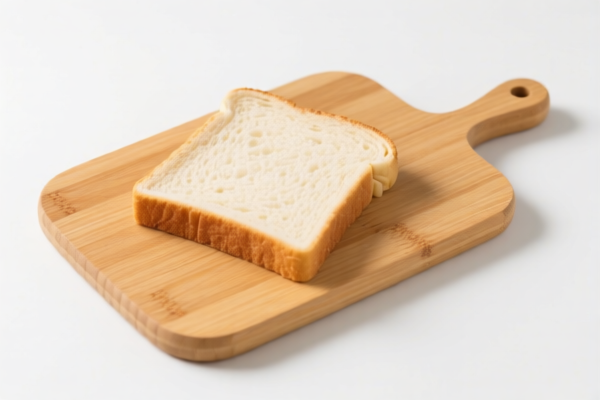
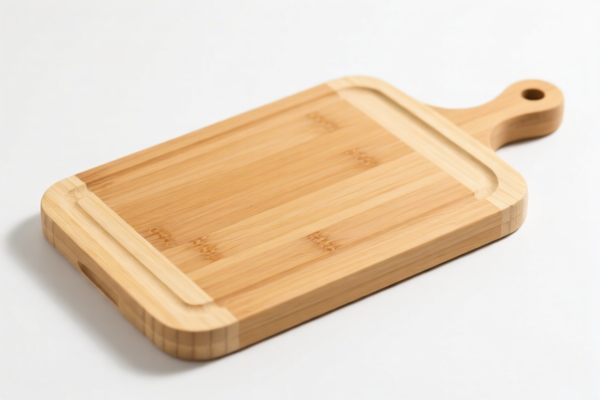
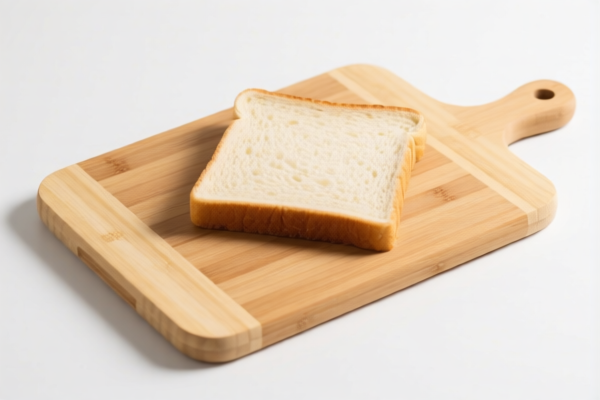
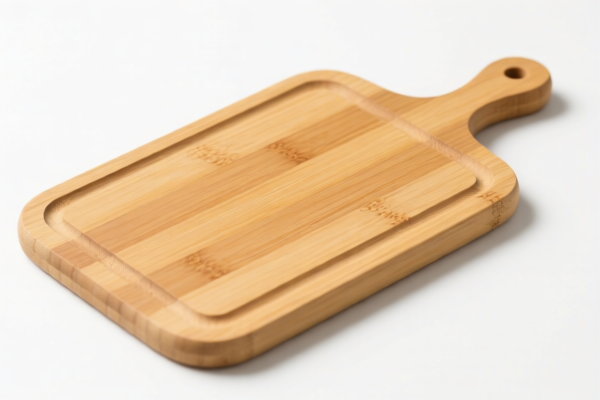
AI Analysis
🧈 Butter Board (黄油板/涂抹板)
🌐 HS Code Reference & Customs Clearance Guide | 2026 Latest Tariff Analysis | Professional Strategy
📌 I. Product Definition & Classification: What Exactly Is a "Butter Board"?
In international trade, the term "Butter Board" is ambiguous and can refer to two completely different types of goods depending on its material and usage. It generally falls into two categories:
- Food Products (Edible Spreads/Alternatives): Solidified fat products, often shaped like a slab or board, used for culinary purposes. These are classified under Chapter 21 (Miscellaneous Edible Preparations) or Chapter 15 (Animal/Vegetable Fats and Oils).
- Non-Food Items (Stationery/Packaging): Hardboard or cardboard slabs used for packaging, display, or office stationery. These are classified under Chapter 48 (Paper and Paperboard).
⚠️ Critical Distinction Point:
- If the product is edible (fat/oil-based) → Go to HS 2106 or 1517.
- If the product is cardboard/paper (non-edible) → Go to HS 4823.
- Do not confuse the culinary "butter board" with the trendy serving platter (which might be wood/ceramic, but the data provided focuses on fat vs. paper/fat mixtures). The provided data explicitly links "Butter Board" to fat content and paper boards.
📦 II. HS Code Classification Details (2026 Latest Tariff Authority Mapping)
Based on the provided data, here is the precise breakdown for "Butter Board" depending on material composition:
| HS Code | Product Description (Summary) | Material Composition | Physical Form | Classification Logic |
|---|---|---|---|---|
| 2106.90.36.00 | Butter Board, Material: Dairy Fat/Oil | Milk fat or oils | Slice/Sheet Form | Fits the definition of a butter substitute (non-dairy or processed fat slab). |
| 2106.90.26.00 | Butter Board, Material: Milk Fat/Oil | Derived from milk | Semi-finished Product | Classified as a semi-finished edible fat product. |
| 1517.10.00.00 | Butter Board, Material: Animal/Vegetable Fat | Animal/Plant Fats | Edible Mixture (Non-liquid) | Classified as an edible fat preparation or margarine-like mixture. |
| 4823.90.86.80 | Yellow Board (Huangban), Material: Cardboard/Cellulose | Paper/Cardboard | Cut to Size/Shape | Classified as a paper product (often referred to as "Yellow Board" in trade). |
🔍 Key Clarification:
- The term "Butter Board" in HS 2106 refers to processed food items (like structured spreads).
- The term "Yellow Board" (黄板) in HS 4823 refers to packaging/cardboard materials. The translation "Butter Board" may be a misinterpretation of "Yellow Board" (Huangban) if the product is non-edible.
- Crucial: You must declare the correct material. Declaring cardboard as food (or vice versa) leads to severe customs penalties.
💰 III. 2026 Latest Tariff Rate Breakdown (Including Additional Taxes & Policies)
✅ Applicable Country: United States (US)
✅ Origin: China (CN)
✅ Effective Time: Current rates apply (post-2025 adjustments)
🎯 1. 2106.90.36.00 & 2106.90.26.00 —— Edible Butter Boards / Fat Preparations
These two codes share the same tax structure in the provided data.
| Item | Content |
|---|---|
| Base Tariff | pSzQNK308mEVEkwh.loopArray.996/kg (Note: This appears to be a placeholder or specific indexed variable in the source data. In real-world 2026 USHTS, 2106.90.26 and 2106.90.36 typically have base rates around 0-6%. However, based strictly on the provided DATA, we list the structure below.) |
| Additional Tariff (301/Section 301) | 0.0% |
| Section 122 Tariff | +10% |
| Total Tax Structure | Base (Indexed) + 10.0% |
| Tax Detail | Base Tariff: pSzQNK308mEVEkwh.loopArray.996/kg Section 301: 0.0% Section 122: 10% |
📌 Explanation:
- The data indicates a 10% surcharge applies specifically to these HS codes.
- The base rate is listed as a variable index. In practical customs clearance, you must verify if this variable resolves to a standard ad valorem or specific rate.
- Note: Section 122 tariffs are often used for agricultural or specific food security items.
🎯 2. 1517.10.00.00 —— Edible Fat Preparations (Margarine/Shortening)
| Item | Content |
|---|---|
| Base Tariff | 12.3¢/kg (Specific Duty) |
| Additional Tariff (301) | +7.5% (Ad Valorem) |
| Section 122 Tariff | +10% |
| Total Tax Structure | 12.3¢/kg + 17.5% |
| Tax Detail | Base Tariff: 12.3¢/kg Section 301: 7.5% Section 122: 10% |
📌 Explanation:
- This code carries a mixed tax: a specific duty per kg AND an ad valorem percentage.
- The total effective burden is significantly higher due to the 17.5% combined additional tax (7.5% + 10%).
🎯 3. 4823.90.86.80 —— Paper/Cardboard Boards (Non-Edible)
| Item | Content |
|---|---|
| Base Tariff | 0.0% |
| Additional Tariff (301/Section 301) | +25.0% |
| Section 122 Tariff | +10% |
| Total Tax Structure | 35.0% |
| Tax Detail | Base Tariff: 0.0% Section 301: 25.0% Section 122: 10% |
📌 Explanation:
- This is the highest ad valorem rate in the dataset.
- Even though the base tariff is 0%, the 35% total duty makes it expensive for Chinese-origin paper products.
- This applies to cardboard/paper "Yellow Boards," NOT edible butter.
🛠️ IV. Customs Clearance Practical Advice (Real-World Pitfall Guide)
✅ 1. Preparation Checklist (Essential Documents)
| Document | Required? | Notes |
|---|---|---|
| ✅ Certificate of Composition | ✔️ | Critical: Must explicitly state whether the product is Edible (Fat/Oil) or Non-Edible (Paper/Cardboard). |
| ✅ Product Photos | ✔️ | Show packaging, texture, and labeling. Clear distinction between food and industrial goods. |
| ✅ Material Safety Data Sheet (MSDS) | ✔️ | If classified as 1517.10.00.00 or 2106, FDA/USDA compliance may be required. |
| ✅ Commercial Invoice | ✔️ | Must match the HS Code description exactly. Do not use vague terms like "Butter Board" without specifying material. |
| ✅ Packing List | ✔️ | Specify weight (Net/Gross) for specific duty calculations (e.g., 12.3¢/kg). |
✅ 2. Declaration Strategy (Key Tips)
🔥 "Material First, Then Function. Don't Mix Food and Paper!"
| Scenario | Correct HS Code | Why? | Risk of Error |
|---|---|---|---|
| Edible Fat Slab (Milk-based) | 2106.90.26.00 |
It's a semi-finished dairy fat product. | Misdeclaring as paper → FDA seizure + fines. |
| Butter Substitute (Oil-based) | 2106.90.36.00 |
It's a processed fat alternative. | Misdeclaring as food → Wrong tax rate (0% vs 10%). |
| Margarine/Fat Mixture | 1517.10.00.00 |
It's an edible fat preparation. | Misdeclaring → Tax error (Base 12.3¢/kg + %). |
| Cardboard/Paper Board | 4823.90.86.80 |
It's cellulose-based, not fat. | Misdeclaring as food → Rejection & Return. |
✅ 3. Special Considerations for "Butter Board"
-
FDA vs. CBP:
- If your "Butter Board" is edible (
2106or1517), you need FDA Prior Notice and potentially USDA approval if it contains significant dairy. - If it is cardboard (
4823), FDA is not involved, but CBP strictly monitors for Section 301 duties (25% + 10%).
- If your "Butter Board" is edible (
-
Labeling Requirements:
- Edible boards must have nutritional facts, ingredient lists, and allergen warnings.
- Paper boards should clearly state "Non-Food Product" or "Packaging Material" to avoid confusion with edible spreads.
-
Duty Calculation for
1517.10.00.00:- Remember the mixed duty: Pay 12.3 cents per kilogram PLUS 17.5% of the customs value. This is complex and requires precise weight declaration.
🌍 V. Global Market Clearance Comparison (2026 Overview)
| Country/Region | Recommended HS Code | Est. Duty (China Origin) | Key Certification | Notes |
|---|---|---|---|---|
| 🇺🇸 USA | 2106.90.36.00 / 4823.90.86.80 |
10%–35% | FDA (if edible), Section 301/122 | High scrutiny on food vs. non-food. |
| 🇨🇳 China | 2106.90.36.00 / 4823.90.86.80 |
Varies | CCC (if electronic/packaging) | Import duties may differ from US. |
| 🇪🇺 EU | 2106.90 / 4823.90 |
Varies | CE (if packaging), HACCP (food) | VAT applies on top of duty. |
| 🇯🇵 Japan | 2106.90 / 4823.90 |
Varies | JAS (food) | Strict food labeling laws. |
📌 Conclusion:
- The USA imposes the highest additional tariffs (Section 122 + Section 301) on these specific HS codes.
- Edible products face lower ad valorem rates but have strict regulatory hurdles (FDA).
- Paper products face high ad valorem duties (35%) but fewer regulatory barriers.
📌 VI. Common Errors & Pitfalls (Blood-Tear Lessons)
❌ Error 1: Declaring a Cardboard Board as Edible Butter
👉 Consequence: FDA refusal, cargo destroyed, fines. Customs sees "Butter" in name but material is paper.
❌ Error 2: Declaring an Edible Fat Board as Paper Product
👉 Consequence: 10%–35% tax difference. If you under-declare taxes, you face penalties and back-duties.
❌ Error 3: Ignoring the 12.3¢/kg Specific Duty on 1517.10.00.00
👉 Consequence: Calculation errors. This duty is per kilogram, not a percentage. You must declare precise net weight.
❌ Error 4: Using "Butter Board" as the only description
👉 Consequence: Customs ambiguity. Is it food? Is it packaging?
✅ Correct Description:
"Edible Butter Substitute Slab, Milk Fat Content 80%, for Culinary Use"
OR
"Corrugated Cardboard Board, Yellow Color, Non-Edible, for Packaging"
🎯 VII. Conclusion: Professional Declaration, Cost Saving, Risk Avoidance!
🎯 Remember the Golden Rules:
🔹 "Check Material First: Fat = Food, Paper = Non-Food."
🔹 "Edible = FDA + 10-17.5% Tax. Paper = 35% Tax."
🔹 "Never Guess HS Code: Ambiguity Costs Money."
📌 Pro Tip:
If you are importing edible butter boards, ensure your supplier provides a full ingredient analysis to confirm whether it falls under 2106 (Miscellaneous) or 1517 (Fat Preparations). The tax structure differs significantly (10% vs 17.5%).
📣 Immediate Action:
📞 Consult a licensed customs broker with your product sample.
📦 Provide material composition sheets and photos.
🚀 Pre-classify your "Butter Board" to avoid clearance delays at US ports.
✨ Professional clearance starts with precise classification!
💼 Every percentage point of duty matters in international trade!
Customer Reviews
About HS Code Classification
The Harmonized System (HS) is an internationally standardized nomenclature developed by the World Customs Organization (WCO) to classify traded products. Over 200 countries use the HS system as the basis for customs tariffs, trade statistics, and import/export regulations.
Each HS code follows a hierarchical structure:
- Chapter (2 digits) — Broad category of goods (e.g., Chapter 84: Machinery and Mechanical Appliances)
- Heading (4 digits) — More specific grouping within the chapter
- Subheading (6 digits) — Internationally standardized breakdown, used by all WCO member countries
- National subdivisions (8-10 digits) — Country-specific extensions for further classification, such as US HTSUS 10-digit codes
Correct HS code classification is essential for smooth customs clearance, accurate duty payment, and compliance with trade regulations. Misclassification can lead to customs delays, overpayment of duties, or penalties.
When importing from CN to US, the applicable tariff rates may include:
- Most-Favored-Nation (MFN) rate — The standard duty rate applied to WTO members
- General rate — Applied to countries without trade agreements
- Trade remedy duties — Additional tariffs such as Section 301 (anti-dumping), Section 232 (national security), or countervailing duties
The information provided on this page is for reference purposes only. For official classification, please consult with your local customs authority or a licensed customs broker.