Butter Jar
CN → US| HS编码 | 关税税率 | 原产国 | 目的国 | 文档 |
|---|---|---|---|---|
| 3924102000 | 24.0% | CN | US | 官方文档 |
| 6911108010 | 38.3% | CN | US | 官方文档 |
| 7615107125 | 63.1% | CN | US | 官方文档 |
| 3924104000 | 13.4% | CN | US | 官方文档 |
| 6911104100 | 16.3% | CN | US | 官方文档 |
商品图片
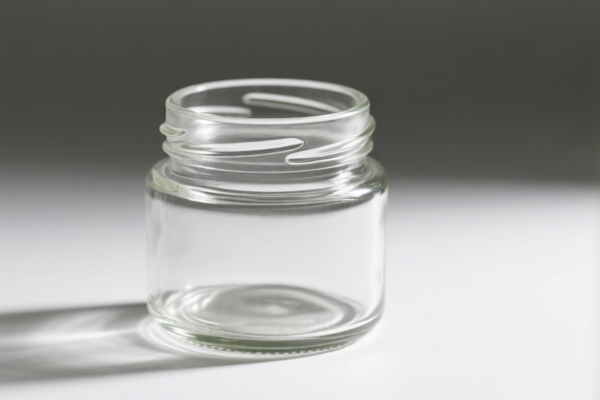
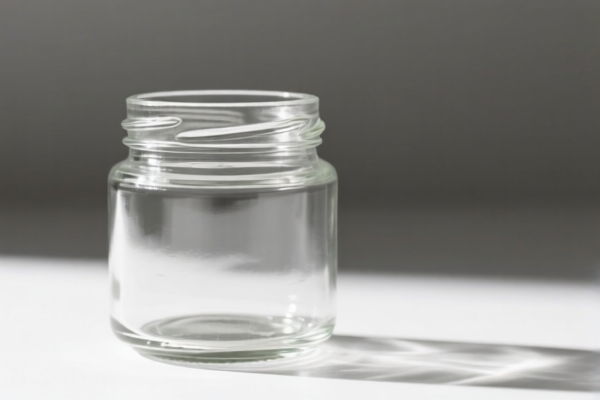
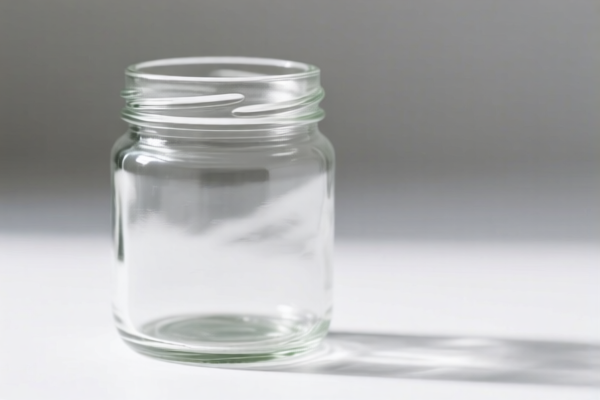

AI分析
🧈 Butter Jars (Food Storage Containers)
🌐 HS Code Reference & Customs Clearance Guide | 2026 Latest Tariff Analysis | Professional Clearance Strategy
📌 I. Product Definition & Classification: What Exactly is a "Butter Jar"?
A Butter Jar is a small container designed specifically for storing butter, margarine, or similar semi-solid fats in a kitchen environment. In international trade, classification is strictly determined by the primary material of the container, not just its function.
There are four distinct classification paths based on material:
1. Ceramic Tableware (6911)
If the jar is made of fine ceramic (porcelain/china) and has metallic ornaments/gilding, it falls under ceramic tableware.
Key Characteristic: High-end, dishwasher-safe, often decorative.
2. Plastic Tableware (3924)
If the jar is made of any plastic material, regardless of shape.
Key Characteristic: Lightweight, durable, often used in bulk or disposable/high-volume contexts.
3. Metal/Tableware (7615)
If the jar is made of aluminum or other metal alloys, primarily for household use.
Key Characteristic: Metallic exterior, often lined with plastic or lacquer for food safety. Note: Aluminum faces the highest tariff burden.
4. Glass/Ceramic Tableware (6911 - Specific Subheading)
If the jar is made of glass or certain ceramic types not meeting the "fine ceramic" criteria, it may fall under a different subheading of Chapter 69.
Key Characteristic: Transparent (glass) or non-metallic ceramic, food-contact safe.
⚠️ Critical Distinction Point:
- Material is King: Do not classify a ceramic jar as plastic because it has a plastic lid. The main component defines the HS Code. - Function vs. Material: Even if it looks like a "storage box," if it is ceramic/plastic/metal and for household food use, it is classified under Chapter 69 (Ceramics) or Chapter 39 (Plastics) or Chapter 76 (Aluminum), NOT as general packaging.
📦 II. HS Code Classification Details (2026 Latest Tariff对照)
| HS Code | Product Description | Material | Key Features |
|---|---|---|---|
6911.10.41.00 |
Ceramic Butter Jars | Fine Ceramic | Ceramic material, used for food storage, classified as tableware/kitchen utensils. |
3924.10.40.00 |
Plastic Butter Jars | Plastic | Plastic material, classified under tableware/kitchenware category. |
7615.10.91.00 |
Aluminum/Metal Butter Jars | Aluminum/Metal | Aluminum or metal material, for household kitchen use. High Tariff Risk. |
6911.10.80.10 |
Ceramic/Glass Butter Jars | Ceramic/Glass | Ceramic or glass material, for food-contact kitchen utensils. |
3924.10.20.00 |
Plastic Butter Jars (Other) | Plastic | Plastic material, classified as containers/vessels for kitchen use. |
🔍 Key Reminder:
- Aluminum/Metal (7615) is subject to the highest total tax rate (70.6%) due to specific Section 232 steel/aluminum duties. - Ceramic (6911) rates vary significantly between subheadings (41.00vs80.10), so exact material composition and manufacturing process matter. - Plastic (3924) offers two subheadings; ensure the specific plastic type and usage match the description to avoid misclassification.
💰 III. 2026 Latest Tariff Rate Breakdown (Including Additional Duties)
✅ Applicable Country: United States (US)
✅ Origin: China (CN)
✅ Effective Date: Includes subsequent imports post-2025 policies
🎯 1. 6911.10.41.00 —— Ceramic Butter Jars
| Item | Details |
|---|---|
| Base Tariff | 6.3% |
| Section 301 (Additional) | 0.0% |
| Section 122 Tariff | +10% |
| Total Tax Rate | 16.3% |
| Tax Calculation | CIF Value × 16.3% |
| De Minimis Exemption | ❌ No (Subject to full duties) |
| Legal Basis | Standard HTSUS Section 69 + Section 122 Directive |
📌 Explanation:
- This is a favorable rate for ceramic tableware. - No Section 301 tariff applies to this specific subheading, saving significant cost compared to other ceramics. - The 10% Section 122 tariff is the only additional burden.
🎯 2. 3924.10.40.00 —— Plastic Butter Jars (Category A)
| Item | Details |
|---|---|
| Base Tariff | 3.4% |
| Section 301 (Additional) | 0.0% |
| Section 122 Tariff | +10% |
| Total Tax Rate | 13.4% |
| Tax Calculation | CIF Value × 13.4% |
| De Minimis Exemption | ❌ No |
| Legal Basis | Standard HTSUS Section 39 + Section 122 Directive |
📌 Explanation:
- Lowest base rate among all options. - Ideal for high-volume, low-cost plastic butter jars. - Check if your plastic product qualifies for this specific subheading vs3924.10.20.00.
🎯 3. 7615.10.91.00 —— Aluminum/Metal Butter Jars
| Item | Details |
|---|---|
| Base Tariff | 3.1% |
| Section 301 (Additional) | 7.5% |
| Section 122 Tariff | +10% |
| Section 232 (Steel/Aluminum) | +50% |
| Total Tax Rate | 70.6% |
| Tax Calculation | CIF Value × 70.6% |
| De Minimis Exemption | ❌ No |
| Legal Basis | HTSUS Section 76 + Section 232 (50%) + Section 301 (7.5%) + Section 122 (10%) |
📌 Warning:
- Highest Risk Category. - The 50% Section 232 tariff on steel and aluminum products drastically increases costs. - Even with a low base rate (3.1%), the total cost is prohibitive for most competitive markets. - Recommendation: Avoid importing aluminum butter jars from China unless you have an exemption or alternative sourcing.
🎯 4. 6911.10.80.10 —— Ceramic/Glass Butter Jars (Category B)
| Item | Details |
|---|---|
| Base Tariff | 20.8% |
| Section 301 (Additional) | 7.5% |
| Section 122 Tariff | +10% |
| Total Tax Rate | 38.3% |
| Tax Calculation | CIF Value × 38.3% |
| De Minimis Exemption | ❌ No |
| Legal Basis | HTSUS Section 69 (Subheading 80) + Section 301 (7.5%) + Section 122 (10%) |
📌 Explanation:
- Higher base tariff than6911.10.41.00. - Subject to Section 301 additional tariff (7.5%), unlike41.00. - Suitable for glass or specific ceramic types that do not qualify for the lower tax bracket.
🎯 5. 3924.10.20.00 —— Plastic Butter Jars (Category B)
| Item | Details |
|---|---|
| Base Tariff | 6.5% |
| Section 301 (Additional) | 7.5% |
| Section 122 Tariff | +10% |
| Total Tax Rate | 24.0% |
| Tax Calculation | CIF Value × 24.0% |
| De Minimis Exemption | ❌ No |
| Legal Basis | HTSUS Section 39 (Subheading 20) + Section 301 (7.5%) + Section 122 (10%) |
📌 Explanation:
- Higher base rate than3924.10.40.00. - Subject to Section 301 additional tariff (7.5%). - Use this code only if the product does not fit the40.00description (e.g., different plastic type or non-tableware designation).
🛠️ IV. Customs Clearance Practical Advice (Battle-Tested Pitfall Guide)
✅ 1. Required Documentation Checklist (Mandatory)
| Document | Mandatory? | Description |
|---|---|---|
| ✅ Product Spec Sheet | ✔️ | Must specify exact material (e.g., "Porcelain," "PP Plastic," "Aluminum Alloy"). |
| ✅ Product Photos | ✔️ | Clear images of the jar, showing material texture, labels, and food-contact parts. |
| ✅ Commercial Invoice | ✔️ | Clearly state "Butter Jar, Made of [Material], for Food Storage." |
| ✅ Declaration of Material | ✔️ | Explicitly declare if it contains aluminum/steel to avoid Section 232 surprises. |
| ✅ FDA Compliance Doc | ✔️ | Proof of food-contact safety (FDA 21 CFR compliance) is often requested for kitchenware. |
✅ 2. Declaration Tips (Key Mnemonics)
🔥 “Material First, Function Second. Aluminum = 70%. Ceramic Varies.”
| Scenario | Correct HS Code | Wrong Action | Consequence |
|---|---|---|---|
| Fine Ceramic Jar | 6911.10.41.00 (16.3%) |
Misclassify as 6911.10.80.10 (38.3%) |
Pay extra 22% in duties! |
| Plastic Jar | 3924.10.40.00 (13.4%) |
Misclassify as 3924.10.20.00 (24.0%) |
Pay extra 10.6% in duties! |
| Aluminum Jar | 7615.10.91.00 (70.6%) |
Try to hide as "Metal" without disclosing | Seizure, Penalty, Retroactive Duties! |
| Glass Jar | 6911.10.80.10 (38.3%) |
Classify as Plastic | Customs rejection, re-classification fees. |
✅ 3. Special Circumstances Handling
| Situation | Handling Advice |
|---|---|
| Mixed Material Jar | If the body is ceramic and the lid is plastic, the main body material (ceramic) determines the HS Code (6911). Do not classify as plastic. |
| Set with Utensils | If sold as a "Butter Dish Set" with a ceramic dish and a metal spoon, the principal character usually determines the code. If the dish is the main value, use 6911. |
| Private Label/OEM | Ensure the invoice matches the HS Code description exactly. Vague terms like "Container" lead to delays. Use "Ceramic Butter Jar." |
| Aluminum Sourcing | If possible, source aluminum jars from non-China countries to avoid the 50% Section 232 tariff. |
🌍 V. Global Market Comparison (2026 Latest)
| Country/Region | Recommended HS Code | Total Tariff (China Origin) | Certification Required | Notes |
|---|---|---|---|---|
| 🇺🇸 USA | 6911.10.41.00 |
16.3% | FDA + Prop 65 (if applicable) | Best for Ceramic. Avoid Aluminum. |
| 🇺🇸 USA | 3924.10.40.00 |
13.4% | FDA | Best for Plastic. |
| 🇺🇸 USA | 7615.10.91.00 |
70.6% | FDA | Avoid unless exempt. |
| 🇪🇺 EU | 6911.10 (Ceramic) | ~0-6% | LFGB (Food Safety) | No Section 122 or 232 tariffs. |
| 🇨🇳 China | 6911.10 | ~6-20% | CCC (if applicable) | Import duties apply. |
📌 Conclusion:
- USA is the most complex market due to Section 122 and Section 232 tariffs. - Ceramic (6911.10.41.00) and Plastic (3924.10.40.00) are the safest bets for competitive pricing. - Aluminum (7615) is financially unviable for most mass-market butter jars from China.
📌 VI. Common Mistakes & Pitfalls (Blood & Tears Lessons)
❌ Mistake 1: Declaring an Aluminum Jar as "Metal Container" without specifying Aluminum
👉 Result: Customs flags it for Section 232 review → 70.6% tariff applied retroactively + fines.
❌ Mistake 2: Calling a Ceramic Jar "Glass" to avoid higher ceramic tariffs
👉 Result: Customs inspector requests proof → Delay, storage fees, potential reclassification.
❌ Mistake 3: Ignoring the "Section 122" 10% tariff
👉 Result: Budget miscalculation → Profit margin eroded by unexpected 10% cost.
❌ Mistake 4: Using "Storage Box" as a product name
👉 Result: Customs asks for clarification → Clearance delay. Use "Butter Jar" or "Ceramic Tableware."
✅ Correct Practice:
“Ceramic Butter Jar, White, Dishwasher Safe, FDA Compliant, Model: BJ-100”
🎯 VII. Conclusion: Precise Classification Saves Money!
🎯 Remember the Mnemonic:
🔹 “Ceramic 16, Plastic 13, Aluminum 70! Check the material, don’t let the price go!”
🔹 “Section 122 adds 10% across the board, plan your margin accordingly!”
📌 Pro Tip:
- If you are importing large volumes, apply for an Advance Ruling from US Customs if your product is borderline (e.g., hybrid materials).
- For Aluminum products, consider sourcing from Vietnam, Mexico, or India to bypass Section 232 tariffs.
📣 Immediate Action:
📞 Contact a licensed customs broker.
📄 Provide product photos + material declaration.
🚀 Get your HS Code pre-approved to avoid 70.6% shocks!
✨ Professional Clearance Starts with Precise Classification!
💼 Your Margins Depend on It!
用户评价
关于 HS 编码归类
协调制度(HS)是由世界海关组织(WCO)制定的国际贸易商品分类标准。全球 200 多个国家采用 HS 系统作为海关关税、贸易统计和进出口监管的基础。
每个 HS 编码遵循以下层级结构:
- 章(2 位)——商品大类(例如:第 84 章:机器和机械设备)
- 品目(4 位)——章内的更具体分类
- 子目(6 位)——国际通用细分,所有 WCO 成员国统一使用
- 本国细分(8-10 位)——各国自行扩展的细分编码,如美国 HTSUS 10 位编码
正确的 HS 编码归类对于顺利通关、准确缴纳关税和遵守贸易法规至关重要。错误归类可能导致海关延误、多缴关税或罚款。
从CN进口到US时,适用的关税税率可能包括:
- 最惠国(MFN)税率——适用于 WTO 成员国的标准关税税率
- 普通税率——适用于无贸易协定国家
- 贸易救济关税——附加关税,如 301 条款(反倾销)、232 条款(国家安全)或反补贴税
本页内容仅供参考。如需正式归类,请咨询当地海关或持牌报关代理。