Butter Jar
CN → US| HS Code | Tariff Rate | Origin | Destination | Doc |
|---|---|---|---|---|
| 3924102000 | 24.0% | CN | US | Official Doc |
| 6911108010 | 38.3% | CN | US | Official Doc |
| 7615107125 | 63.1% | CN | US | Official Doc |
| 3924104000 | 13.4% | CN | US | Official Doc |
| 6911104100 | 16.3% | CN | US | Official Doc |
Product Images
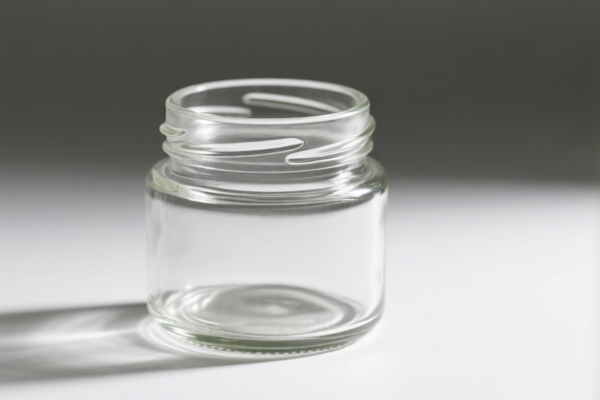
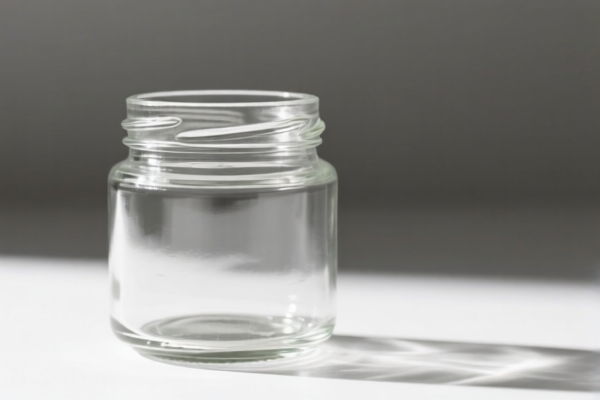
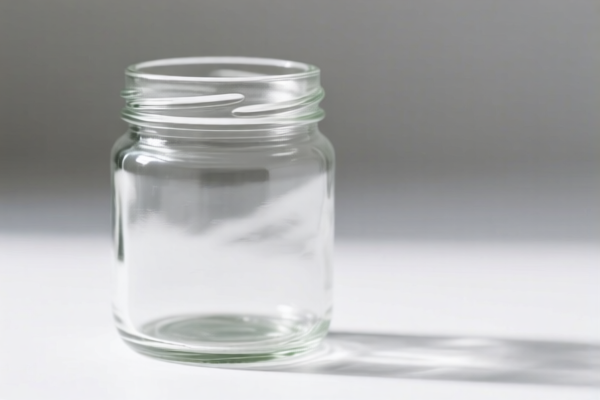

AI Analysis
🧈 Butter Jars (Food Storage Containers)
🌐 HS Code Reference & Customs Clearance Guide | 2026 Latest Tariff Analysis | Professional Clearance Strategy
📌 I. Product Definition & Classification: What Exactly is a "Butter Jar"?
A Butter Jar is a small container designed specifically for storing butter, margarine, or similar semi-solid fats in a kitchen environment. In international trade, classification is strictly determined by the primary material of the container, not just its function.
There are four distinct classification paths based on material:
1. Ceramic Tableware (6911)
If the jar is made of fine ceramic (porcelain/china) and has metallic ornaments/gilding, it falls under ceramic tableware.
Key Characteristic: High-end, dishwasher-safe, often decorative.
2. Plastic Tableware (3924)
If the jar is made of any plastic material, regardless of shape.
Key Characteristic: Lightweight, durable, often used in bulk or disposable/high-volume contexts.
3. Metal/Tableware (7615)
If the jar is made of aluminum or other metal alloys, primarily for household use.
Key Characteristic: Metallic exterior, often lined with plastic or lacquer for food safety. Note: Aluminum faces the highest tariff burden.
4. Glass/Ceramic Tableware (6911 - Specific Subheading)
If the jar is made of glass or certain ceramic types not meeting the "fine ceramic" criteria, it may fall under a different subheading of Chapter 69.
Key Characteristic: Transparent (glass) or non-metallic ceramic, food-contact safe.
⚠️ Critical Distinction Point:
- Material is King: Do not classify a ceramic jar as plastic because it has a plastic lid. The main component defines the HS Code. - Function vs. Material: Even if it looks like a "storage box," if it is ceramic/plastic/metal and for household food use, it is classified under Chapter 69 (Ceramics) or Chapter 39 (Plastics) or Chapter 76 (Aluminum), NOT as general packaging.
📦 II. HS Code Classification Details (2026 Latest Tariff对照)
| HS Code | Product Description | Material | Key Features |
|---|---|---|---|
6911.10.41.00 |
Ceramic Butter Jars | Fine Ceramic | Ceramic material, used for food storage, classified as tableware/kitchen utensils. |
3924.10.40.00 |
Plastic Butter Jars | Plastic | Plastic material, classified under tableware/kitchenware category. |
7615.10.91.00 |
Aluminum/Metal Butter Jars | Aluminum/Metal | Aluminum or metal material, for household kitchen use. High Tariff Risk. |
6911.10.80.10 |
Ceramic/Glass Butter Jars | Ceramic/Glass | Ceramic or glass material, for food-contact kitchen utensils. |
3924.10.20.00 |
Plastic Butter Jars (Other) | Plastic | Plastic material, classified as containers/vessels for kitchen use. |
🔍 Key Reminder:
- Aluminum/Metal (7615) is subject to the highest total tax rate (70.6%) due to specific Section 232 steel/aluminum duties. - Ceramic (6911) rates vary significantly between subheadings (41.00vs80.10), so exact material composition and manufacturing process matter. - Plastic (3924) offers two subheadings; ensure the specific plastic type and usage match the description to avoid misclassification.
💰 III. 2026 Latest Tariff Rate Breakdown (Including Additional Duties)
✅ Applicable Country: United States (US)
✅ Origin: China (CN)
✅ Effective Date: Includes subsequent imports post-2025 policies
🎯 1. 6911.10.41.00 —— Ceramic Butter Jars
| Item | Details |
|---|---|
| Base Tariff | 6.3% |
| Section 301 (Additional) | 0.0% |
| Section 122 Tariff | +10% |
| Total Tax Rate | 16.3% |
| Tax Calculation | CIF Value × 16.3% |
| De Minimis Exemption | ❌ No (Subject to full duties) |
| Legal Basis | Standard HTSUS Section 69 + Section 122 Directive |
📌 Explanation:
- This is a favorable rate for ceramic tableware. - No Section 301 tariff applies to this specific subheading, saving significant cost compared to other ceramics. - The 10% Section 122 tariff is the only additional burden.
🎯 2. 3924.10.40.00 —— Plastic Butter Jars (Category A)
| Item | Details |
|---|---|
| Base Tariff | 3.4% |
| Section 301 (Additional) | 0.0% |
| Section 122 Tariff | +10% |
| Total Tax Rate | 13.4% |
| Tax Calculation | CIF Value × 13.4% |
| De Minimis Exemption | ❌ No |
| Legal Basis | Standard HTSUS Section 39 + Section 122 Directive |
📌 Explanation:
- Lowest base rate among all options. - Ideal for high-volume, low-cost plastic butter jars. - Check if your plastic product qualifies for this specific subheading vs3924.10.20.00.
🎯 3. 7615.10.91.00 —— Aluminum/Metal Butter Jars
| Item | Details |
|---|---|
| Base Tariff | 3.1% |
| Section 301 (Additional) | 7.5% |
| Section 122 Tariff | +10% |
| Section 232 (Steel/Aluminum) | +50% |
| Total Tax Rate | 70.6% |
| Tax Calculation | CIF Value × 70.6% |
| De Minimis Exemption | ❌ No |
| Legal Basis | HTSUS Section 76 + Section 232 (50%) + Section 301 (7.5%) + Section 122 (10%) |
📌 Warning:
- Highest Risk Category. - The 50% Section 232 tariff on steel and aluminum products drastically increases costs. - Even with a low base rate (3.1%), the total cost is prohibitive for most competitive markets. - Recommendation: Avoid importing aluminum butter jars from China unless you have an exemption or alternative sourcing.
🎯 4. 6911.10.80.10 —— Ceramic/Glass Butter Jars (Category B)
| Item | Details |
|---|---|
| Base Tariff | 20.8% |
| Section 301 (Additional) | 7.5% |
| Section 122 Tariff | +10% |
| Total Tax Rate | 38.3% |
| Tax Calculation | CIF Value × 38.3% |
| De Minimis Exemption | ❌ No |
| Legal Basis | HTSUS Section 69 (Subheading 80) + Section 301 (7.5%) + Section 122 (10%) |
📌 Explanation:
- Higher base tariff than6911.10.41.00. - Subject to Section 301 additional tariff (7.5%), unlike41.00. - Suitable for glass or specific ceramic types that do not qualify for the lower tax bracket.
🎯 5. 3924.10.20.00 —— Plastic Butter Jars (Category B)
| Item | Details |
|---|---|
| Base Tariff | 6.5% |
| Section 301 (Additional) | 7.5% |
| Section 122 Tariff | +10% |
| Total Tax Rate | 24.0% |
| Tax Calculation | CIF Value × 24.0% |
| De Minimis Exemption | ❌ No |
| Legal Basis | HTSUS Section 39 (Subheading 20) + Section 301 (7.5%) + Section 122 (10%) |
📌 Explanation:
- Higher base rate than3924.10.40.00. - Subject to Section 301 additional tariff (7.5%). - Use this code only if the product does not fit the40.00description (e.g., different plastic type or non-tableware designation).
🛠️ IV. Customs Clearance Practical Advice (Battle-Tested Pitfall Guide)
✅ 1. Required Documentation Checklist (Mandatory)
| Document | Mandatory? | Description |
|---|---|---|
| ✅ Product Spec Sheet | ✔️ | Must specify exact material (e.g., "Porcelain," "PP Plastic," "Aluminum Alloy"). |
| ✅ Product Photos | ✔️ | Clear images of the jar, showing material texture, labels, and food-contact parts. |
| ✅ Commercial Invoice | ✔️ | Clearly state "Butter Jar, Made of [Material], for Food Storage." |
| ✅ Declaration of Material | ✔️ | Explicitly declare if it contains aluminum/steel to avoid Section 232 surprises. |
| ✅ FDA Compliance Doc | ✔️ | Proof of food-contact safety (FDA 21 CFR compliance) is often requested for kitchenware. |
✅ 2. Declaration Tips (Key Mnemonics)
🔥 “Material First, Function Second. Aluminum = 70%. Ceramic Varies.”
| Scenario | Correct HS Code | Wrong Action | Consequence |
|---|---|---|---|
| Fine Ceramic Jar | 6911.10.41.00 (16.3%) |
Misclassify as 6911.10.80.10 (38.3%) |
Pay extra 22% in duties! |
| Plastic Jar | 3924.10.40.00 (13.4%) |
Misclassify as 3924.10.20.00 (24.0%) |
Pay extra 10.6% in duties! |
| Aluminum Jar | 7615.10.91.00 (70.6%) |
Try to hide as "Metal" without disclosing | Seizure, Penalty, Retroactive Duties! |
| Glass Jar | 6911.10.80.10 (38.3%) |
Classify as Plastic | Customs rejection, re-classification fees. |
✅ 3. Special Circumstances Handling
| Situation | Handling Advice |
|---|---|
| Mixed Material Jar | If the body is ceramic and the lid is plastic, the main body material (ceramic) determines the HS Code (6911). Do not classify as plastic. |
| Set with Utensils | If sold as a "Butter Dish Set" with a ceramic dish and a metal spoon, the principal character usually determines the code. If the dish is the main value, use 6911. |
| Private Label/OEM | Ensure the invoice matches the HS Code description exactly. Vague terms like "Container" lead to delays. Use "Ceramic Butter Jar." |
| Aluminum Sourcing | If possible, source aluminum jars from non-China countries to avoid the 50% Section 232 tariff. |
🌍 V. Global Market Comparison (2026 Latest)
| Country/Region | Recommended HS Code | Total Tariff (China Origin) | Certification Required | Notes |
|---|---|---|---|---|
| 🇺🇸 USA | 6911.10.41.00 |
16.3% | FDA + Prop 65 (if applicable) | Best for Ceramic. Avoid Aluminum. |
| 🇺🇸 USA | 3924.10.40.00 |
13.4% | FDA | Best for Plastic. |
| 🇺🇸 USA | 7615.10.91.00 |
70.6% | FDA | Avoid unless exempt. |
| 🇪🇺 EU | 6911.10 (Ceramic) | ~0-6% | LFGB (Food Safety) | No Section 122 or 232 tariffs. |
| 🇨🇳 China | 6911.10 | ~6-20% | CCC (if applicable) | Import duties apply. |
📌 Conclusion:
- USA is the most complex market due to Section 122 and Section 232 tariffs. - Ceramic (6911.10.41.00) and Plastic (3924.10.40.00) are the safest bets for competitive pricing. - Aluminum (7615) is financially unviable for most mass-market butter jars from China.
📌 VI. Common Mistakes & Pitfalls (Blood & Tears Lessons)
❌ Mistake 1: Declaring an Aluminum Jar as "Metal Container" without specifying Aluminum
👉 Result: Customs flags it for Section 232 review → 70.6% tariff applied retroactively + fines.
❌ Mistake 2: Calling a Ceramic Jar "Glass" to avoid higher ceramic tariffs
👉 Result: Customs inspector requests proof → Delay, storage fees, potential reclassification.
❌ Mistake 3: Ignoring the "Section 122" 10% tariff
👉 Result: Budget miscalculation → Profit margin eroded by unexpected 10% cost.
❌ Mistake 4: Using "Storage Box" as a product name
👉 Result: Customs asks for clarification → Clearance delay. Use "Butter Jar" or "Ceramic Tableware."
✅ Correct Practice:
“Ceramic Butter Jar, White, Dishwasher Safe, FDA Compliant, Model: BJ-100”
🎯 VII. Conclusion: Precise Classification Saves Money!
🎯 Remember the Mnemonic:
🔹 “Ceramic 16, Plastic 13, Aluminum 70! Check the material, don’t let the price go!”
🔹 “Section 122 adds 10% across the board, plan your margin accordingly!”
📌 Pro Tip:
- If you are importing large volumes, apply for an Advance Ruling from US Customs if your product is borderline (e.g., hybrid materials).
- For Aluminum products, consider sourcing from Vietnam, Mexico, or India to bypass Section 232 tariffs.
📣 Immediate Action:
📞 Contact a licensed customs broker.
📄 Provide product photos + material declaration.
🚀 Get your HS Code pre-approved to avoid 70.6% shocks!
✨ Professional Clearance Starts with Precise Classification!
💼 Your Margins Depend on It!
Customer Reviews
About HS Code Classification
The Harmonized System (HS) is an internationally standardized nomenclature developed by the World Customs Organization (WCO) to classify traded products. Over 200 countries use the HS system as the basis for customs tariffs, trade statistics, and import/export regulations.
Each HS code follows a hierarchical structure:
- Chapter (2 digits) — Broad category of goods (e.g., Chapter 84: Machinery and Mechanical Appliances)
- Heading (4 digits) — More specific grouping within the chapter
- Subheading (6 digits) — Internationally standardized breakdown, used by all WCO member countries
- National subdivisions (8-10 digits) — Country-specific extensions for further classification, such as US HTSUS 10-digit codes
Correct HS code classification is essential for smooth customs clearance, accurate duty payment, and compliance with trade regulations. Misclassification can lead to customs delays, overpayment of duties, or penalties.
When importing from CN to US, the applicable tariff rates may include:
- Most-Favored-Nation (MFN) rate — The standard duty rate applied to WTO members
- General rate — Applied to countries without trade agreements
- Trade remedy duties — Additional tariffs such as Section 301 (anti-dumping), Section 232 (national security), or countervailing duties
The information provided on this page is for reference purposes only. For official classification, please consult with your local customs authority or a licensed customs broker.