Cable
CN → US| HS编码 | 关税税率 | 原产国 | 目的国 | 文档 |
|---|---|---|---|---|
| 8517790000 | 67.5% | CN | US | 官方文档 |
| 8471801000 | 35.0% | CN | US | 官方文档 |
| 8517620090 | 35.0% | CN | US | 官方文档 |
| 8471809000 | 35.0% | CN | US | 官方文档 |
| 8544429090 | 87.6% | CN | US | 官方文档 |
| 8544422000 | 85.0% | CN | US | 官方文档 |
商品图片
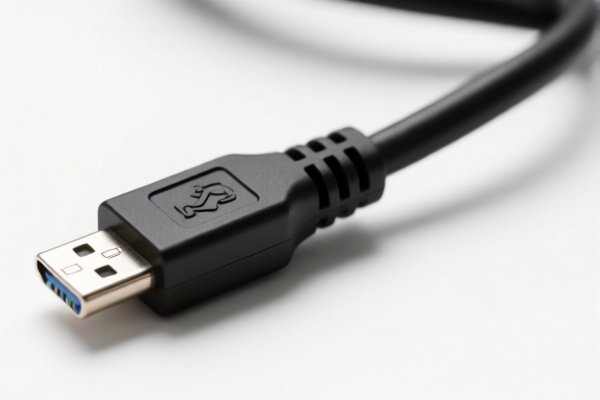
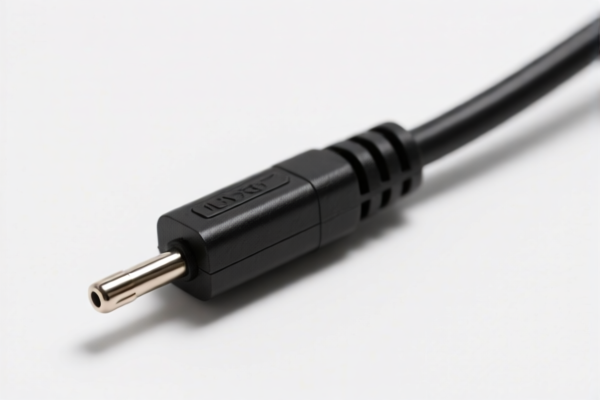


AI分析
🔌 USB Data Cables: The Ultimate HS Code & Duty Guide (2026 Edition)
🌐 Global Customs Clearance & Duty Strategy | Decoding the "Cable" Classification
📌 Section 1: The "Cable" Identity Crisis – Are You a Wire or a Machine Part?
In international trade, a "USB Cable" is a chameleon. Its classification depends entirely on its function and end-use: 1. As a Communication Device Accessory: If it's a dedicated data transmission tool for IT equipment, it falls under 8517 (Communication Equipment). 2. As a Data Processing Unit: If it's an integral part of the "control or adaptation" of a computer, it may fall under 8471 (Automatic Data Processing). 3. As a Raw Electrical Conductor: If it's simply a wire with a connector (no data logic), it falls under 8544 (Electrical Conductors).
⚠️ Critical Distinction:
- Data Logic/Protocol: If the cable handles complex data transmission protocols for specific IT gear → 8517 or 8471.
- Simple Conduction: If it's just a physical link (voltage < 1000V) without complex data handling features → 8544.
- Classification Risk: Misclassifying a "Data Cable" as a "Wire" often triggers higher duties or anti-dumping investigations.
📦 Section 2: HS Code Breakdown & Duty Analysis (Data-Driven)
Based on current 2026 tariff data for US Imports from China.
| HS Code | Product Description & Rationale | Tax Burden | Duty Composition Breakdown |
|---|---|---|---|
| 8517.79.00.00 | The "High-Risk" Data Accessory • Summary: USB data cable classified as a communication device accessory. • Rationale: Fits "Other devices for transmitting/receiving data" perfectly. |
67.5% | • Base: 0.0% • Section 301: +7.5% • Section 122: +50% (Steel/Aluminum/Copper products) |
| 8471.80.10.00 | The "Computer Peripheral" Link • Summary: Cable as a transmission medium for Automatic Data Processing (ADP) machines. • Rationale: Fits "Control or adaptation units" description for functional connectivity. |
35.0% | • Base: 0.0% • Section 301: +25.0% • Section 122: +10% (Standard 122 surcharge) |
| 8517.62.00.90 | The "Voice/Data/Media" Channel • Summary: USB cable for transmitting voice, image, or data. • Rationale: Belongs to "Machinery for transmission" category. |
35.0% | • Base: 0.0% • Section 301: +25.0% • Section 122: +10% (Standard 122 surcharge) |
| 8471.80.90.00 | The "ADP Accessory" (Catch-all) • Summary: Peripheral connecting unit for ADP machines. • Rationale: "Other units of automatic data processing equipment" not listed elsewhere. |
35.0% | • Base: 0.0% • Section 301: +25.0% • Section 122: +10% (Standard 122 surcharge) |
| 8544.42.90.90 | The "Electrical Wire" (Low Base) • Summary: Insulated wire with connector, voltage ≤ 1000V. • Rationale: Classified strictly as an "Electrical Conductor" rather than a data device. |
87.6% | • Base: 2.6% • Section 301: +25.0% • Section 122: +50% (Steel/Aluminum/Copper surcharge) |
🔍 Deep Dive into Duty Traps: - Section 122 (50% Surge): HS Codes 8517.79.00.00 and 8544.42.90.90 attract the dreaded 50% surcharge because they are deemed to contain Steel, Aluminum, or Copper components that fall under specific trade restrictions. - Section 301 (25% vs 7.5%): Codes under 8471 and 8517.62 generally face a flat 25% 301 duty. Code 8517.79 faces a lower 7.5% 301 duty but is punished heavily by the Section 122 steel/copper rules. - Total Tax Shock: Expect 67.5% to 87.6% total duty costs. The "Wire" classification (8544) is ironically the most expensive due to the combination of a 2.6% base and the massive 50% surcharge.
🛠️ Section 3: Customs Clearance Strategy & Expert Advice
✅ 1. Material Declaration & BOM (Bill of Materials)
- The Copper/Steel Trap: The 50% Section 122 surcharge is applied because the cable contains copper conductors or steel/aluminum shielding.
- Action: Do not try to hide the material. Clearly declare the composition. If the cable is purely plastic/fiber (no metal), you might argue against Section 122, but standard USB cables almost always contain copper.
- Documentation: Provide a Material Safety Data Sheet (MSDS) or Component Breakdown proving the exact metal content to avoid arbitrary classification by customs officers.
✅ 2. HS Code Selection Strategy
- Best Case Scenario (Lowest Risk): 8471.80.10.00 or 8471.80.90.00.
- Why? Total duty is 35.0%. While high, it avoids the 50% Section 122 surcharge (assuming the "ADP unit" argument doesn't trigger the metal surcharge) and avoids the 2.6% base.
- Caveat: You must prove the cable is specifically designed as a control/adaptation unit for the computer, not just a generic wire.
- Avoid (If Possible): 8544.42.90.90.
- Why? The total 87.6% is catastrophic. The combination of Base (2.6%) + 301 (25%) + Section 122 (50%) makes it the most expensive route. This classification treats the USB cable as a generic "Wire" subject to heavy steel/copper tariffs.
✅ 3. Naming & Description on Invoice
- Don't Just Write "Cable":
- ❌ Bad: "USB Cable, 1M, Black"
- ✅ Good (for 8471): "USB Data Transmission Adapter,专为自动数据处理机器设计 (For ADP Machines), Control Unit Connector"
- ✅ Good (for 8517): "Communication Equipment Accessory, Data Transmission Cable for IT Infrastructure"
- Function over Form: Emphasize the data transmission function (8471/8517) rather than the electrical conduction (8544) to potentially steer away from the heaviest metal surcharges, if legally defensible.
✅ 4. Pre-Arrival Ruling (PAR)
- Crucial Step: Before shipping, file a Binding Ruling with US Customs and Border Protection (CBP).
- Question to Ask: "Does my specific USB cable model qualify for HS Code 8471.80.x0 (as a computer peripheral) to avoid the 50% Section 122 surcharge?"
- Why: Customs officers often default to the "Wire" classification (8544) which triggers the 50% surcharge automatically. A ruling forces them to accept the "Data Device" classification.
🌍 Section 4: Quick Reference: The "Tax" Reality
| Strategy | HS Code | Total Duty | Verdict |
|---|---|---|---|
| High Risk (Raw Wire) | 8544.42.90.90 |
87.6% | ❌ Avoid. The 50% metal surcharge kills margins. |
| High Risk (Comm. Accessory) | 8517.79.00.00 |
67.5% | ⚠️ Caution. 50% metal surcharge applies. Low 301 duty (7.5%) doesn't save it. |
| Best Case (ADP Peripheral) | 8471.80.10.00 |
35.0% | ✅ Preferred. No 50% metal surcharge (if argued as ADP part). |
| Best Case (ADP Accessory) | 8471.80.90.00 |
35.0% | ✅ Preferred. Same logic as above. |
📌 Section 5: Common Pitfalls & "Blood & Tears" Lessons
❌ Pitfall 1: Calling it a "Wire"
* Consequence: Customs classifies it as 8544.42.90.90.
* Result: 87.6% Duty. Your product becomes unprofitable overnight.
❌ Pitfall 2: Ignoring the "Metal" Content
* Consequence: Even if you declare it as 8517, if it contains copper/steel, the 50% surcharge hits 8517.79.00.00.
* Result: You must accept the 67.5% duty unless you can shift to the 8471 category where the surcharge is only 10% (or 0% if not applicable, though data says 10%).
❌ Pitfall 3: Generic Descriptions * Consequence: "USB Cable" is too vague. * Result: Customs officer picks the worst possible code (likely the one with the highest base + surcharge).
✅ The Pro Tip:
"Classify as an 'ADP Peripheral' (8471), not a 'Wire' (8544). Prove it connects a computer, not just two power points."
🎯 Conclusion: The Bottom Line
For USB Data Cables entering the US from China in 2026: 1. Target HS Code: 8471.80.10.00 or 8471.80.90.00 (Total Duty: 35.0%). 2. Avoid: 8544.42.90.90 (Total Duty: 87.6%) and 8517.79.00.00 (Total Duty: 67.5%) unless you are absolutely certain the duty profile of 8471 is rejected. 3. Action: File a Binding Ruling immediately. The difference between 35% and 87% is the difference between profit and loss.
🚀 Final Call to Action:
Don't guess the HS Code. The 50% Section 122 surcharge is a silent killer.
Get your classification right today, or pay the price tomorrow!
✨ Expert Customs Clearance | Precision Over Guesswork
💼 Your Margin depends on your HS Code.
用户评价
关于 HS 编码归类
协调制度(HS)是由世界海关组织(WCO)制定的国际贸易商品分类标准。全球 200 多个国家采用 HS 系统作为海关关税、贸易统计和进出口监管的基础。
每个 HS 编码遵循以下层级结构:
- 章(2 位)——商品大类(例如:第 84 章:机器和机械设备)
- 品目(4 位)——章内的更具体分类
- 子目(6 位)——国际通用细分,所有 WCO 成员国统一使用
- 本国细分(8-10 位)——各国自行扩展的细分编码,如美国 HTSUS 10 位编码
正确的 HS 编码归类对于顺利通关、准确缴纳关税和遵守贸易法规至关重要。错误归类可能导致海关延误、多缴关税或罚款。
从CN进口到US时,适用的关税税率可能包括:
- 最惠国(MFN)税率——适用于 WTO 成员国的标准关税税率
- 普通税率——适用于无贸易协定国家
- 贸易救济关税——附加关税,如 301 条款(反倾销)、232 条款(国家安全)或反补贴税
本页内容仅供参考。如需正式归类,请咨询当地海关或持牌报关代理。