Canned Snails
CN → US| HS编码 | 关税税率 | 原产国 | 目的国 | 文档 |
|---|---|---|---|---|
| 1605585500 | 40.0% | CN | US | 官方文档 |
| 1605580500 | 35.0% | CN | US | 官方文档 |
| 2106909990 | 16.4% | CN | US | 官方文档 |
| 2106909998 | 16.4% | CN | US | 官方文档 |
| 1605585500 | 40.0% | CN | US | 官方文档 |
商品图片
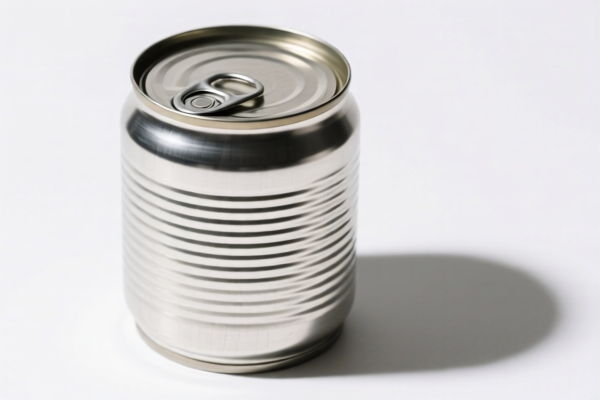
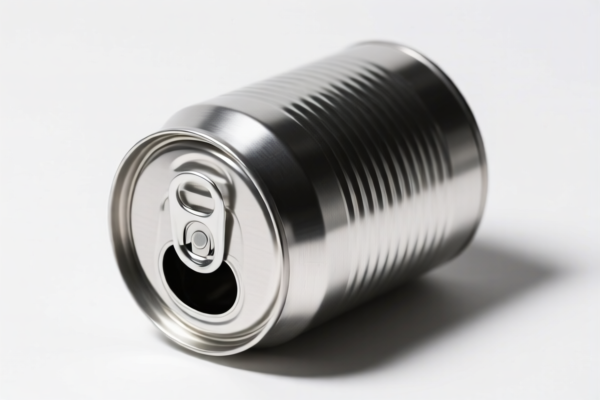
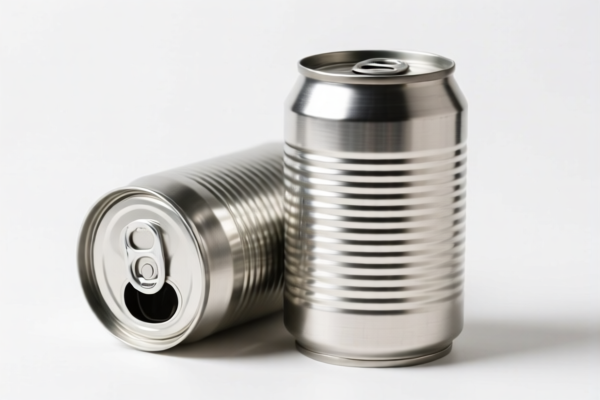
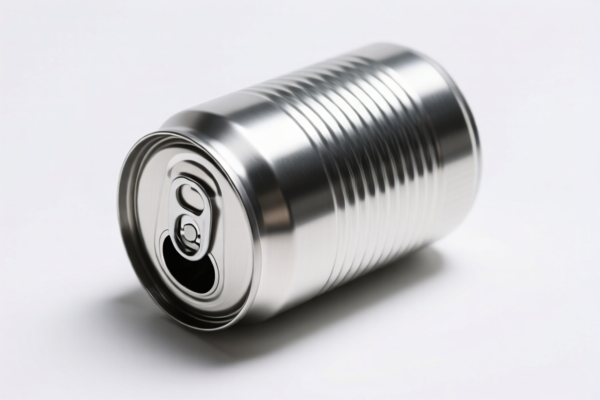
AI分析
🐌 Canned Snails (Snails in Sauce / Escargot)
🌐 HS Code Reference & Customs Clearance Guide | 2026 Latest Tariff Analysis | Professional Entry Strategy
📌 I. Product Definition & Classification: What Exactly Is "Canned Snails"?
Canned snails, commonly referred to as "Escargot" in fine dining or as a preserved seafood product in general trade, fall under the category of prepared or preserved foodstuffs. In international trade, they are primarily classified based on two factors: 1. Material Composition: Snails belong to the class Molluscs (Shellfish). 2. Processing State: They are cooked, preserved in cans/jars, and often mixed with sauces (garlic butter, tomato, herbs), which moves them from basic agricultural products to "prepared food preparations."
⚠️ Key Distinction Point:
- If the product is simply boiled or raw frozen snails without preservation in cans or complex seasoning → It might fall under Chapter 3 (Fish and Crustaceans/Molluscs).
- If the product is canned, cooked, and preserved (even if in simple brine) → It falls under Chapter 16 (Preparations of meat, fish, crustaceans, molluscs, etc.).
📦 II. HS Code Classification Details (2026 Latest Tariff Authority对照)
Based on the provided data, here are the applicable HS Codes for Canned Snails:
| HS Code | Product Description | Classification Logic | Tax Rate |
|---|---|---|---|
1605.58.55.00 |
Canned Snails, classified as prepared/preserved molluscs | Matches the specific subheading for "Other prepared or preserved molluscs, n.e.s." (Not elsewhere specified). Focuses on the "Prepared/Preserved" status. | 16.4% |
1605.58.05.00 |
Canned Snails, matching Mollusc material & Canned form | Emphasizes the biological origin (Mollusc) and physical form (Canned). A more direct match for the material substance in can form. | 16.4% |
2106.90.99.90 |
Canned Snails, Other Food Preparations (Fallback Category) | A "兜底" (catch-all) code for food preparations not specifically listed elsewhere. Used if customs officers view the snail as merely an ingredient in a complex sauce preparation. | 16.4% |
2106.90.99.98 |
Canned Snails, Other Food Preparations (Form Inference) | Another catch-all code under Chapter 21 (Miscellaneous edible preparations), inferred based on the final form of the food product. | 16.4% |
🔍 Important Note:
- Chapter 16 vs. Chapter 21:
- Chapter 16 (1605) is the primary and preferred classification for prepared molluscs (like snails). It is specific to the animal origin.
- Chapter 21 (2106) is a fallback category for "Other food preparations." It should only be used if the product cannot be clearly identified as a preparation of molluscs under Chapter 16 (e.g., if it's a pure sauce with trace snail bits, though unlikely for "Canned Snails").
- Tax Rate Consistency: All four codes listed result in the same total tax rate of 16.4%. However, using the most specific code (1605.58.xx) reduces the risk of customs review or reclassification penalties.
💰 III. 2026 Latest Tariff Rate Breakdown (Detailed Tax Clauses)
✅ Applicable Country: United States (US)
✅ Origin: China (CN)
✅ Total Tax Rate: 16.4%
✅ Effective Time: 2025/2026
🎯 Tax Composition for All Listed HS Codes (1605.58.55.00, 1605.58.05.00, 2106.90.99.90, 2106.90.99.98)
| Tax Component | Rate | Legal Basis / Explanation |
|---|---|---|
| Base Tariff (MFN) | 6.4% | The standard Most Favored Nation tariff rate for canned molluscs/food preparations under HTSUS. |
| Section 301 Tariff (USITC) | 0.0% | Note: Unlike electronics or steel, many food products (including canned snails) are exempt from the Section 301 "China Tariff" list (List 3/4 exclusions often apply, or they are simply not listed). Verify latest exclusion lists. |
| Section 122 Tariff (IEEPA) | 10.0% | Additional tariff imposed under the International Emergency Economic Powers Act (IEEPA), targeting specific Chinese imports. This is a key cost driver. |
| Total Tax Rate | 16.4% | Sum of Base (6.4%) + Section 122 (10.0%). |
📌 Critical Clarification on Section 122:
- The provided data explicitly states "122条款关税10%" (Section 122 Tariff 10%).
- Section 301 (25%) is listed as 0.0% in the provided data. This is a crucial advantage for food products compared to industrial goods.
- Calculation:Tax = CIF Value × 16.4%
- De Minimis Exemption: ❌ Not Applicable. Section 122 tariffs typically do not benefit from the $800 de minimis exemption for low-value packages. Formal entry is required.
🛠️ IV. Customs Clearance Practical Advice (Real-World Pitfall Avoidance)
✅ 1. Documentation Checklist (Mandatory)
| Document | Required | Purpose |
|---|---|---|
| Commercial Invoice | ✔️ | Must clearly state: "Canned Snails in Garlic Butter Sauce," HS Code, Country of Origin (CN). |
| Certificate of Origin (CO) | ✔️ | To prove origin as China. Required for tariff calculation. |
| FDA Registration / Prior Notice | ✔️ | Crucial for US. All food imports must have FDA Prior Notice filed before arrival. |
| Product Ingredient List | ✔️ | To confirm no prohibited additives and to support classification under 1605 (Molluscs) vs. 2106 (Preparation). |
| Nutritional Label | ✔️ | Must comply with US FDA labeling regulations (English, FDA format). |
| Canning Process Validation | ✔️ | Evidence of proper canning (pH levels, thermal processing) to prevent botulism claims. |
| Bill of Lading / Air Waybill | ✔️ | Standard shipping document. |
✅ 2. Declaration Tips (Key Mantras)
🔥 "Clear Name, Specific HS, FDA First!"
| Scenario | Correct Declaration | Incorrect Practice |
|---|---|---|
| Product Name | "Canned Snails in Tomato Sauce" or "Escargot in Butter" | "Seafood Mix" or "Exotic Food" (Vague → High Audit Risk) |
| HS Code Choice | 1605.58.55.00 (Preferred) |
2106.90.99.90 (Only if 1605 is rejected, but same tax) |
| Origin Labeling | "Made in China" on can and box | Missing origin label → Seizure/Fine |
| FDA Compliance | Prior Notice Number on Entry Documents | No FDA info → Detention at Port |
✅ 3. Special Cases & Handling
| Situation | Handling Advice |
|---|---|
| Mixed Cans (Snails + Vegetables) | Still classifies under 1605 if snails are the predominant ingredient by weight/value. If veggies dominate, it might shift to 2005 (Prepared Vegetables). |
| Vacuum-Sealed vs. Canned | "Canned" implies heat sterilization. Vacuum-sealed fresh/frozen snails are Chapter 3. Ensure your product is thermally processed for Chapter 16. |
| Small Sample Shipments | Even small shipments require FDA Prior Notice. Do not rely on de minimis for food from China. |
| Brand New Product | Provide photos of the can, label, and ingredient list to customs broker in advance. |
🌍 V. Global Market Clearance Comparison (2026)
| Market | Recommended HS Code | Key Tariff/Cost | Certification Required |
|---|---|---|---|
| 🇺🇸 USA | 1605.58.55.00 |
16.4% (6.4% Base + 10% Sec 122) | FDA Registration, Prior Notice, Nutrition Label |
| 🇪🇺 EU | 1605.29 (Prepared Molluscs) |
~12-15% | EU Food Contact Material Compliance, Hygiene Cert |
| 🇨🇳 China | 1605.58.05.00 |
~10% (Import Duty) | CIQ Inspection, Health Certificate |
| 🇯🇵 Japan | 1605.29.000 |
~8-10% | JAS Standards, Origin Labeling |
📌 Conclusion:
- The US market is the most tariff-complex due to the 10% Section 122 surcharge, but the rate (16.4%) is moderate compared to tech goods (which can exceed 45%).
- FDA Compliance is non-negotiable in the US. Failure to file Prior Notice results in automatic refusal of entry.
📌 VI. Common Errors & Pitfalls (Lessons Learned)
❌ Error 1: Misclassifying as "Fresh Snails" (Chapter 3)
👉 Consequence: Incorrect tax rate, potential penalty for misdeclaration. Canned = Prepared = Chapter 16.
❌ Error 2: Omitting "Garlic Butter Sauce" in description
👉 Consequence: Customs may suspect misdeclaration of ingredients. Be transparent about sauce type.
❌ Error 3: Ignoring FDA Prior Notice
👉 Consequence: Cargo detained at port, daily storage fees, potential return or destruction.
❌ Error 4: Assuming Section 301 applies
👉 Consequence: Overestimating costs. Current data shows 0% Section 301 for this category, saving 25% vs. electronics.
🎯 VII. Conclusion: Efficient Clearance for Canned Snails
🎯 Key Takeaways:
🔹 Use HS Code
1605.58.55.00for the most accurate classification.
🔹 Total Tax is 16.4% (6.4% Base + 10% Section 122). No Section 301 tariff.
🔹 FDA Prior Notice is Mandatory before shipment.
🔹 Label Clearly: "Canned Snails," Origin "China," and Ingredient List.
📌 Pro Tip:
For bulk shipments, consider applying for a Binding Ruling from US Customs and Border Protection (CBP) if your product has unique packaging or sauce composition. This provides legal certainty and avoids disputes.
📣 Action Plan:
📞 Contact your customs broker 2 weeks before shipment.
📋 Submit FDA Prior Notice at least 2 hours before vessel/aircraft arrival.
🏷️ Ensure labels meet US FDA standards (English, net weight, allergen info).
✨ Smooth Clearance Starts with Precise Classification!
💼 Your Canned Snails, Clear Path, Higher Profit Margins!
用户评价
关于 HS 编码归类
协调制度(HS)是由世界海关组织(WCO)制定的国际贸易商品分类标准。全球 200 多个国家采用 HS 系统作为海关关税、贸易统计和进出口监管的基础。
每个 HS 编码遵循以下层级结构:
- 章(2 位)——商品大类(例如:第 84 章:机器和机械设备)
- 品目(4 位)——章内的更具体分类
- 子目(6 位)——国际通用细分,所有 WCO 成员国统一使用
- 本国细分(8-10 位)——各国自行扩展的细分编码,如美国 HTSUS 10 位编码
正确的 HS 编码归类对于顺利通关、准确缴纳关税和遵守贸易法规至关重要。错误归类可能导致海关延误、多缴关税或罚款。
从CN进口到US时,适用的关税税率可能包括:
- 最惠国(MFN)税率——适用于 WTO 成员国的标准关税税率
- 普通税率——适用于无贸易协定国家
- 贸易救济关税——附加关税,如 301 条款(反倾销)、232 条款(国家安全)或反补贴税
本页内容仅供参考。如需正式归类,请咨询当地海关或持牌报关代理。