Canned Snails
CN → US| HS Code | Tariff Rate | Origin | Destination | Doc |
|---|---|---|---|---|
| 1605585500 | 40.0% | CN | US | Official Doc |
| 1605580500 | 35.0% | CN | US | Official Doc |
| 2106909990 | 16.4% | CN | US | Official Doc |
| 2106909998 | 16.4% | CN | US | Official Doc |
| 1605585500 | 40.0% | CN | US | Official Doc |
Product Images
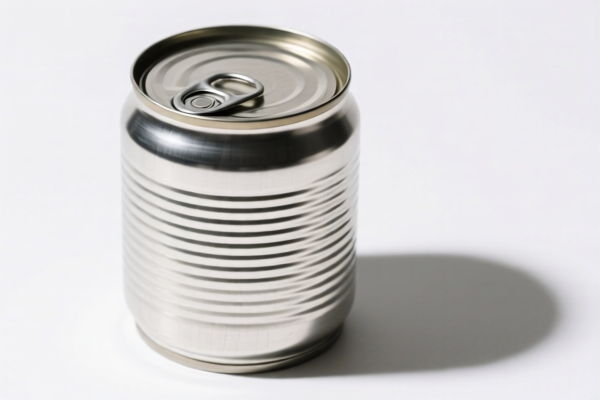
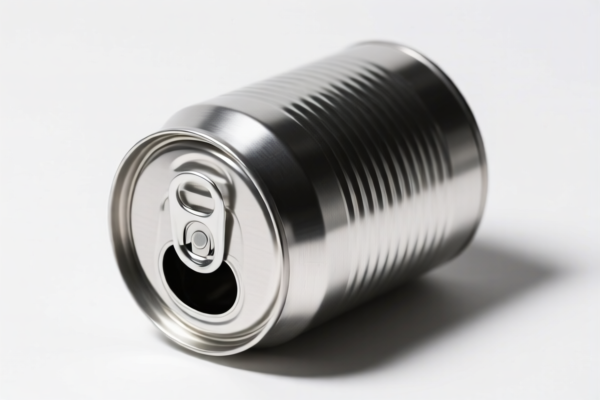
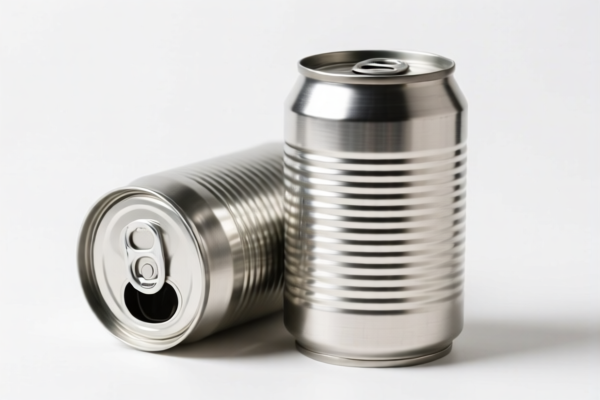
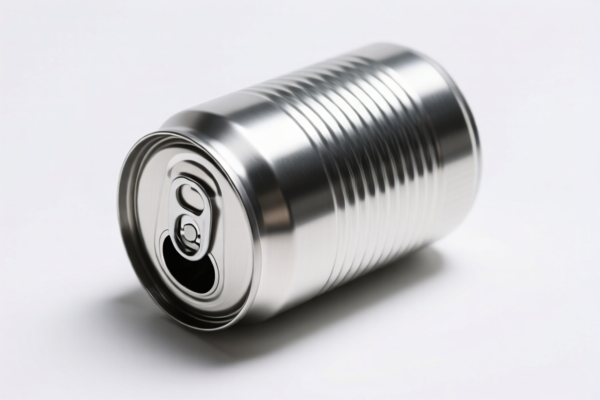
AI Analysis
🐌 Canned Snails (Snails in Sauce / Escargot)
🌐 HS Code Reference & Customs Clearance Guide | 2026 Latest Tariff Analysis | Professional Entry Strategy
📌 I. Product Definition & Classification: What Exactly Is "Canned Snails"?
Canned snails, commonly referred to as "Escargot" in fine dining or as a preserved seafood product in general trade, fall under the category of prepared or preserved foodstuffs. In international trade, they are primarily classified based on two factors: 1. Material Composition: Snails belong to the class Molluscs (Shellfish). 2. Processing State: They are cooked, preserved in cans/jars, and often mixed with sauces (garlic butter, tomato, herbs), which moves them from basic agricultural products to "prepared food preparations."
⚠️ Key Distinction Point:
- If the product is simply boiled or raw frozen snails without preservation in cans or complex seasoning → It might fall under Chapter 3 (Fish and Crustaceans/Molluscs).
- If the product is canned, cooked, and preserved (even if in simple brine) → It falls under Chapter 16 (Preparations of meat, fish, crustaceans, molluscs, etc.).
📦 II. HS Code Classification Details (2026 Latest Tariff Authority对照)
Based on the provided data, here are the applicable HS Codes for Canned Snails:
| HS Code | Product Description | Classification Logic | Tax Rate |
|---|---|---|---|
1605.58.55.00 |
Canned Snails, classified as prepared/preserved molluscs | Matches the specific subheading for "Other prepared or preserved molluscs, n.e.s." (Not elsewhere specified). Focuses on the "Prepared/Preserved" status. | 16.4% |
1605.58.05.00 |
Canned Snails, matching Mollusc material & Canned form | Emphasizes the biological origin (Mollusc) and physical form (Canned). A more direct match for the material substance in can form. | 16.4% |
2106.90.99.90 |
Canned Snails, Other Food Preparations (Fallback Category) | A "兜底" (catch-all) code for food preparations not specifically listed elsewhere. Used if customs officers view the snail as merely an ingredient in a complex sauce preparation. | 16.4% |
2106.90.99.98 |
Canned Snails, Other Food Preparations (Form Inference) | Another catch-all code under Chapter 21 (Miscellaneous edible preparations), inferred based on the final form of the food product. | 16.4% |
🔍 Important Note:
- Chapter 16 vs. Chapter 21:
- Chapter 16 (1605) is the primary and preferred classification for prepared molluscs (like snails). It is specific to the animal origin.
- Chapter 21 (2106) is a fallback category for "Other food preparations." It should only be used if the product cannot be clearly identified as a preparation of molluscs under Chapter 16 (e.g., if it's a pure sauce with trace snail bits, though unlikely for "Canned Snails").
- Tax Rate Consistency: All four codes listed result in the same total tax rate of 16.4%. However, using the most specific code (1605.58.xx) reduces the risk of customs review or reclassification penalties.
💰 III. 2026 Latest Tariff Rate Breakdown (Detailed Tax Clauses)
✅ Applicable Country: United States (US)
✅ Origin: China (CN)
✅ Total Tax Rate: 16.4%
✅ Effective Time: 2025/2026
🎯 Tax Composition for All Listed HS Codes (1605.58.55.00, 1605.58.05.00, 2106.90.99.90, 2106.90.99.98)
| Tax Component | Rate | Legal Basis / Explanation |
|---|---|---|
| Base Tariff (MFN) | 6.4% | The standard Most Favored Nation tariff rate for canned molluscs/food preparations under HTSUS. |
| Section 301 Tariff (USITC) | 0.0% | Note: Unlike electronics or steel, many food products (including canned snails) are exempt from the Section 301 "China Tariff" list (List 3/4 exclusions often apply, or they are simply not listed). Verify latest exclusion lists. |
| Section 122 Tariff (IEEPA) | 10.0% | Additional tariff imposed under the International Emergency Economic Powers Act (IEEPA), targeting specific Chinese imports. This is a key cost driver. |
| Total Tax Rate | 16.4% | Sum of Base (6.4%) + Section 122 (10.0%). |
📌 Critical Clarification on Section 122:
- The provided data explicitly states "122条款关税10%" (Section 122 Tariff 10%).
- Section 301 (25%) is listed as 0.0% in the provided data. This is a crucial advantage for food products compared to industrial goods.
- Calculation:Tax = CIF Value × 16.4%
- De Minimis Exemption: ❌ Not Applicable. Section 122 tariffs typically do not benefit from the $800 de minimis exemption for low-value packages. Formal entry is required.
🛠️ IV. Customs Clearance Practical Advice (Real-World Pitfall Avoidance)
✅ 1. Documentation Checklist (Mandatory)
| Document | Required | Purpose |
|---|---|---|
| Commercial Invoice | ✔️ | Must clearly state: "Canned Snails in Garlic Butter Sauce," HS Code, Country of Origin (CN). |
| Certificate of Origin (CO) | ✔️ | To prove origin as China. Required for tariff calculation. |
| FDA Registration / Prior Notice | ✔️ | Crucial for US. All food imports must have FDA Prior Notice filed before arrival. |
| Product Ingredient List | ✔️ | To confirm no prohibited additives and to support classification under 1605 (Molluscs) vs. 2106 (Preparation). |
| Nutritional Label | ✔️ | Must comply with US FDA labeling regulations (English, FDA format). |
| Canning Process Validation | ✔️ | Evidence of proper canning (pH levels, thermal processing) to prevent botulism claims. |
| Bill of Lading / Air Waybill | ✔️ | Standard shipping document. |
✅ 2. Declaration Tips (Key Mantras)
🔥 "Clear Name, Specific HS, FDA First!"
| Scenario | Correct Declaration | Incorrect Practice |
|---|---|---|
| Product Name | "Canned Snails in Tomato Sauce" or "Escargot in Butter" | "Seafood Mix" or "Exotic Food" (Vague → High Audit Risk) |
| HS Code Choice | 1605.58.55.00 (Preferred) |
2106.90.99.90 (Only if 1605 is rejected, but same tax) |
| Origin Labeling | "Made in China" on can and box | Missing origin label → Seizure/Fine |
| FDA Compliance | Prior Notice Number on Entry Documents | No FDA info → Detention at Port |
✅ 3. Special Cases & Handling
| Situation | Handling Advice |
|---|---|
| Mixed Cans (Snails + Vegetables) | Still classifies under 1605 if snails are the predominant ingredient by weight/value. If veggies dominate, it might shift to 2005 (Prepared Vegetables). |
| Vacuum-Sealed vs. Canned | "Canned" implies heat sterilization. Vacuum-sealed fresh/frozen snails are Chapter 3. Ensure your product is thermally processed for Chapter 16. |
| Small Sample Shipments | Even small shipments require FDA Prior Notice. Do not rely on de minimis for food from China. |
| Brand New Product | Provide photos of the can, label, and ingredient list to customs broker in advance. |
🌍 V. Global Market Clearance Comparison (2026)
| Market | Recommended HS Code | Key Tariff/Cost | Certification Required |
|---|---|---|---|
| 🇺🇸 USA | 1605.58.55.00 |
16.4% (6.4% Base + 10% Sec 122) | FDA Registration, Prior Notice, Nutrition Label |
| 🇪🇺 EU | 1605.29 (Prepared Molluscs) |
~12-15% | EU Food Contact Material Compliance, Hygiene Cert |
| 🇨🇳 China | 1605.58.05.00 |
~10% (Import Duty) | CIQ Inspection, Health Certificate |
| 🇯🇵 Japan | 1605.29.000 |
~8-10% | JAS Standards, Origin Labeling |
📌 Conclusion:
- The US market is the most tariff-complex due to the 10% Section 122 surcharge, but the rate (16.4%) is moderate compared to tech goods (which can exceed 45%).
- FDA Compliance is non-negotiable in the US. Failure to file Prior Notice results in automatic refusal of entry.
📌 VI. Common Errors & Pitfalls (Lessons Learned)
❌ Error 1: Misclassifying as "Fresh Snails" (Chapter 3)
👉 Consequence: Incorrect tax rate, potential penalty for misdeclaration. Canned = Prepared = Chapter 16.
❌ Error 2: Omitting "Garlic Butter Sauce" in description
👉 Consequence: Customs may suspect misdeclaration of ingredients. Be transparent about sauce type.
❌ Error 3: Ignoring FDA Prior Notice
👉 Consequence: Cargo detained at port, daily storage fees, potential return or destruction.
❌ Error 4: Assuming Section 301 applies
👉 Consequence: Overestimating costs. Current data shows 0% Section 301 for this category, saving 25% vs. electronics.
🎯 VII. Conclusion: Efficient Clearance for Canned Snails
🎯 Key Takeaways:
🔹 Use HS Code
1605.58.55.00for the most accurate classification.
🔹 Total Tax is 16.4% (6.4% Base + 10% Section 122). No Section 301 tariff.
🔹 FDA Prior Notice is Mandatory before shipment.
🔹 Label Clearly: "Canned Snails," Origin "China," and Ingredient List.
📌 Pro Tip:
For bulk shipments, consider applying for a Binding Ruling from US Customs and Border Protection (CBP) if your product has unique packaging or sauce composition. This provides legal certainty and avoids disputes.
📣 Action Plan:
📞 Contact your customs broker 2 weeks before shipment.
📋 Submit FDA Prior Notice at least 2 hours before vessel/aircraft arrival.
🏷️ Ensure labels meet US FDA standards (English, net weight, allergen info).
✨ Smooth Clearance Starts with Precise Classification!
💼 Your Canned Snails, Clear Path, Higher Profit Margins!
Customer Reviews
About HS Code Classification
The Harmonized System (HS) is an internationally standardized nomenclature developed by the World Customs Organization (WCO) to classify traded products. Over 200 countries use the HS system as the basis for customs tariffs, trade statistics, and import/export regulations.
Each HS code follows a hierarchical structure:
- Chapter (2 digits) — Broad category of goods (e.g., Chapter 84: Machinery and Mechanical Appliances)
- Heading (4 digits) — More specific grouping within the chapter
- Subheading (6 digits) — Internationally standardized breakdown, used by all WCO member countries
- National subdivisions (8-10 digits) — Country-specific extensions for further classification, such as US HTSUS 10-digit codes
Correct HS code classification is essential for smooth customs clearance, accurate duty payment, and compliance with trade regulations. Misclassification can lead to customs delays, overpayment of duties, or penalties.
When importing from CN to US, the applicable tariff rates may include:
- Most-Favored-Nation (MFN) rate — The standard duty rate applied to WTO members
- General rate — Applied to countries without trade agreements
- Trade remedy duties — Additional tariffs such as Section 301 (anti-dumping), Section 232 (national security), or countervailing duties
The information provided on this page is for reference purposes only. For official classification, please consult with your local customs authority or a licensed customs broker.