Cardboard Filter Screen
CN → US| HS编码 | 关税税率 | 原产国 | 目的国 | 文档 |
|---|---|---|---|---|
| 4823201000 | 35.0% | CN | US | 官方文档 |
| 4823209000 | 35.0% | CN | US | 官方文档 |
| 4812000000 | 35.0% | CN | US | 官方文档 |
| 6815994170 | 35.0% | CN | US | 官方文档 |
| 5911400100 | 43.0% | CN | US | 官方文档 |
商品图片
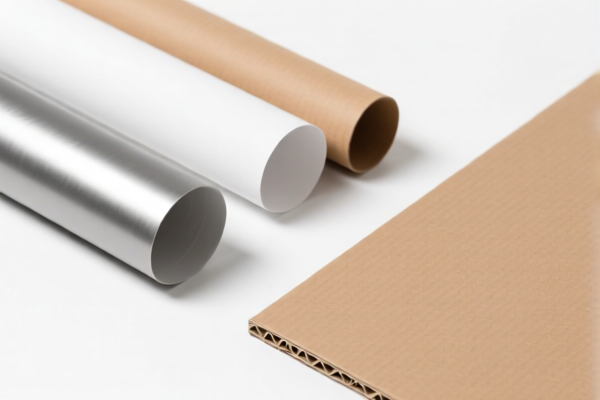
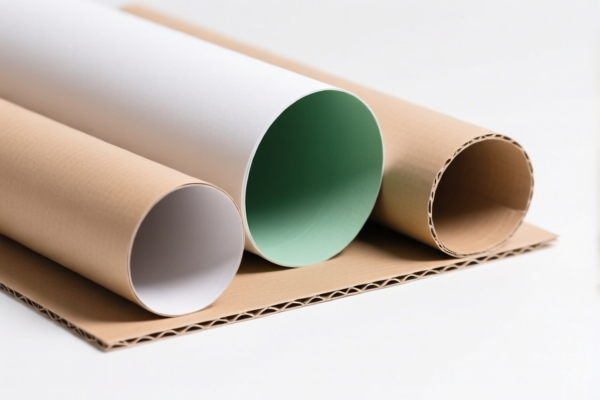

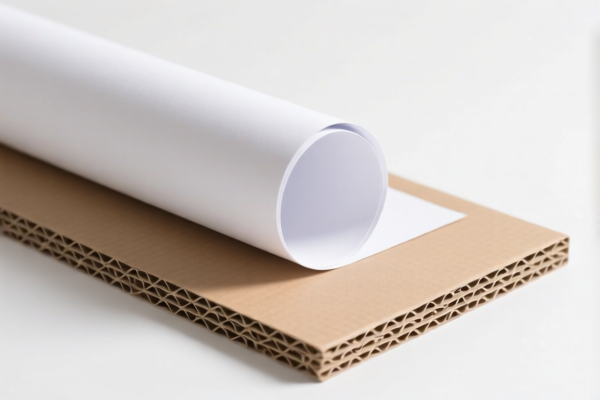
AI分析
🧱 Cardboard Filter Screen (Paper & Paperboard Filtration Media)
🌐 HS Code Reference & Customs Clearance Guide | 2026 Latest Tariff Analysis | Professional通关 Strategy for US Imports
📌 I. Product Definition & Classification: Is it Paper or Mineral?
"Cardboard Filter Screen" is a generic term that covers various filtration media used in industrial, chemical, and food processing applications. The critical distinction for customs classification lies in the raw material composition and physical state:
- Paper-Based (Cellulose/Fiber): Made from paper pulp, cardboard, or fibrous materials. These fall under Chapter 48 (Paper) or Chapter 59 (Textile-like paper products).
- Mineral-Based (Non-Metallic): Made from mineral fibers or inorganic materials shaped like plates. These fall under Chapter 68 (Mineral Products).
⚠️ Key Classification Point:
- If the material is purely fibrous/paper/cardboard → Look at Chapter 48 or 59.
- If the material contains mineral/non-metallic inorganic components → Look at Chapter 68.
- Note: In the provided dataset, specific HS codes differentiate based on these precise material definitions.
📦 II. HS Code Classification Details (Based on Provided Data)
The following HS codes are derived strictly from the provided <DATA> set. All items listed are subject to significant US tariffs.
| HS Code | Product Description & Material | Key Characteristics | Application/Usage |
|---|---|---|---|
4823.20.90.00 |
Cardboard Filter Screen | Material: Cardboard (纸板) Use: Filtration paper & board |
General cardboard-based filtration media |
4812.00.00.00 |
Cardboard Filter Screen | Form: Filter mesh/Sheet Material: Pulp/Paper-based (纸浆/纸质) |
Sheet-like filter media made from paper pulp |
4823.20.10.00 |
Cardboard Filter Screen | Material: Cardboard Form/Use: Filter screen/mesh |
Cardboard specifically formed into filter screens |
6815.99.41.70 |
Pulp Filter Plate | Material: Mineral/Non-metallic (矿物质/非金属类) Form: Plate (板状) |
Mineral-based filter plates (distinct from paper) |
5911.40.01.00 |
Pulp Filter Plate | Material: Fiber/Paper-based (纤维/纸质类) Use: Filtration |
Fabric-like paper products used for filtration |
🔍 Critical Observation:
- Codes4823.20.90.00,4812.00.00.00, and4823.20.10.00all refer to Cardboard/Paper variants but differ in specific sub-classification (sheet vs. mesh vs. general board).
- Code6815.99.41.70is the only mineral-based option in the list.
- Code5911.40.01.00is a fiber/paper product but classified under Chapter 59 (Textile-like paper), likely due to its specific fabric-like structure or use.
💰 III. 2026 Latest Tariff Rate Breakdown (Detailed Analysis)
✅ Applicable Country: United States (US)
✅ Origin: China (CN) [Implied by the high tariff structure typical of Section 301 & IEEPA]
✅ Effective Date: Current trade restrictions apply
🎯 1. Paper & Cardboard Variants (4823.20.90.00, 4812.00.00.00, 4823.20.10.00)
| Item | Content |
|---|---|
| Base Tariff Rate | 0.0% (Standard MFN rate for these specific paper products) |
| Section 301 Additional Tariff | +25.0% (Trade Remedy Duties) |
| Section 122 Tariff (IEEPA) | +10.0% (Additional duties under International Emergency Economic Powers Act) |
| Total Effective Tax Rate | 35.0% |
| Tax Calculation | CIF Value × 35% |
| De Minimis Exemption? | ❌ No (Section 301 and IEEPA duties generally apply regardless of value for Chinese origin) |
| Legal Basis Path | USITC: 4823.20 → FOOTNOTE: 9903.88.01 (25%) + IEEPA: 9903.01.25 (10%) |
📌 Explanation:
- Although the base duty is 0%, the combination of 25% (Section 301) and 10% (122/IEEPA) results in a steep 35% total duty.
- This applies to all cardboard/paper filter screens in the48xxand4812ranges.
🎯 2. Mineral-Based Variant (6815.99.41.70)
| Item | Content |
|---|---|
| Base Tariff Rate | 0.0% |
| Section 301 Additional Tariff | +25.0% |
| Section 122 Tariff (IEEPA) | +10.0% |
| Total Effective Tax Rate | 35.0% |
| Tax Calculation | CIF Value × 35% |
| De Minimis Exemption? | ❌ No |
📌 Note:
- Even though the material is mineral (Chapter 68), it is still subject to the same 35% total tariff structure as the paper variants in this dataset.
- Do not assume Chapter 68 products are exempt from China-specific tariffs; the data confirms they are not.
🎯 3. Fiber/Paper Plate Variant (5911.40.01.00)
| Item | Content |
|---|---|
| Base Tariff Rate | 8.0% |
| Section 301 Additional Tariff | +25.0% |
| Section 122 Tariff (IEEPA) | +10.0% |
| Total Effective Tax Rate | 43.0% |
| Tax Calculation | CIF Value × 43% |
| De Minimis Exemption? | ❌ No |
| Legal Basis Path | USITC: 5911.40 → FOOTNOTE: 9903.88.01 (25%) + IEEPA (10%) |
📌 Critical Difference:
- This is the only item with a non-zero base tariff (8.0%).
- The total rate is 43.0%, which is 8 percentage points higher than the other variants.
- Classification as5911.40.01.00(Textile-like paper) incurs a higher base duty than4823(Paperboards) or4812(Filter paper).
🛠️ IV. Customs Clearance Practical Advice (Pitfall Avoidance)
✅ 1. Preparation Checklist (Non-Negotiable)
| Document | Required? | Purpose |
|---|---|---|
| ✅ Material Specification Sheet | ✔️ | Must explicitly state: "Cardboard", "Paper Pulp", or "Mineral Fiber". Ambiguity leads to misclassification. |
| ✅ Product Photos | ✔️ | Show texture, thickness, and shape (screen vs. plate vs. sheet). |
| ✅ Commercial Invoice | ✔️ | Must match HS Code description exactly. Use terms like "Cardboard Filter Screen" or "Mineral Filter Plate". |
| ✅ Packing List | ✔️ | Detail weight and dimensions for duty calculation. |
| ✅ Certificate of Origin | ✔️ | Crucial for proving Chinese origin (triggers 301/122 tariffs). |
✅ 2. Classification Strategy (Key Mnemonic)
🔥 "Material Determines Code, Not Just Name!"
| Product Type | Correct HS Code Range | Base Tariff | Total Tariff | Risk of Misclassification |
|---|---|---|---|---|
| Cardboard/Paper Screen | 4823.20 / 4812.00 |
0% | 35% | Low (if material is clearly paper) |
| Mineral Plate | 6815.99 |
0% | 35% | Medium (if confused with paper) |
| Fiber/Paper Plate | 5911.40 |
8% | 43% | High (Highest cost, easy to mis-classify as 48xx) |
⚠️ Warning:
- Declaring a5911product as4823to save 8% base duty is high-risk. Customs can audit material composition. If proven to be textile-like paper, you will owe the difference + penalties.
- Ensure the 8% base duty for5911.40.01.00is factored into your pricing model.
✅ 3. Special Handling Tips
| Scenario | Recommendation |
|---|---|
| Hybrid Materials | If the filter contains both paper and mineral components, declare the principal material. If unclear, consult a customs broker for a binding ruling. |
| Small Shipments (De Minimis) | ❌ Do not rely on Section 321 (De Minimis) for Section 301/122 duties. Even under $800, Chinese origin goods may be subject to duties if flagged. |
| Product Naming | Avoid generic names like "Filter". Use "Cardboard Filter Screen" or "Mineral Filter Plate" to align with HS descriptions. |
🌍 V. Global Market Comparison (2026)
| Market | Recommended HS Code (Example) | Approx. Total Duty (China Origin) | Notes |
|---|---|---|---|
| 🇺🇸 USA | 4823.20.90.00 / 5911.40.01.00 |
35% - 43% | High tariffs due to 301 + 122 clauses. |
| 🇨🇳 China | 4823.20 |
~5-10% | Lower base duties, no Section 301. |
| 🇪🇺 EU | 4823.20 |
~0-6% | Varies by specific paper type. No US-style add-ons. |
| 🇻🇳 Vietnam | (Re-exported) | 0% (if rules of origin met) | Consider supply chain diversification to avoid US tariffs. |
📌 Conclusion:
- USA is the most expensive market for these products due to the 35-43% total tariff burden.
- Mineral (6815) and Paper (4823) have the same total rate (35%), but Fiber Plates (5911) are more expensive (43%).
📌 VI. Common Errors & Pitfalls (Lessons Learned)
❌ Error 1: Calling all filters "Paper" and using 4823.20.90.00
👉 Consequence: If the product is actually mineral-based (6815) or fiber-plate (5911), customs may reclassify it. For 5911, you face 8% base duty + penalties.
❌ Error 2: Assuming 0% base duty means 0% total duty
👉 Consequence: Ignoring the 35% total tariff leads to massive cost underestimation. The 0% base is misleading.
❌ Error 3: Splitting a mixed shipment (Cardboard + Mineral)
👉 Consequence: Complex classification increases clearance time and risk of audit. Declare separately with clear material specs.
✅ Correct Approach:
"Cardboard Filter Screen, 100% Cellulose Pulp, Flat Sheet, Model XYZ" →
4812.00.00.00
"Mineral Filter Plate, Non-Metallic, Plate Shape" →6815.99.41.70
🎯 VII. Conclusion: Professional Declaration, Cost Control
🎯 Remember the Key Takeaway:
🔹 "35% is the floor, 43% is the peak for Paper/Cardboard/Mineral filters."
🔹 "Check the material: 8% base duty for5911makes it the most expensive variant."
📌 Pro Tip:
If your supplier uses mineral-based filters (
6815) instead of fiber-plate filters (5911), you save 8% on base duty (Total 35% vs 43%). Evaluate material alternatives to optimize costs.
📣 Immediate Action:
📞 Contact Customs Broker: Provide material specs to confirm
4823vs5911vs6815.
💰 Budget for 35-43% Duty: Do not include in product cost if it's an extra clearance fee.
🚀 Optimize Supply Chain: Consider sourcing from non-China countries to mitigate 301/122 tariffs.
✨ Precise Classification Saves Money!
💼 Every percentage point in tariff is pure profit erosion!
用户评价
关于 HS 编码归类
协调制度(HS)是由世界海关组织(WCO)制定的国际贸易商品分类标准。全球 200 多个国家采用 HS 系统作为海关关税、贸易统计和进出口监管的基础。
每个 HS 编码遵循以下层级结构:
- 章(2 位)——商品大类(例如:第 84 章:机器和机械设备)
- 品目(4 位)——章内的更具体分类
- 子目(6 位)——国际通用细分,所有 WCO 成员国统一使用
- 本国细分(8-10 位)——各国自行扩展的细分编码,如美国 HTSUS 10 位编码
正确的 HS 编码归类对于顺利通关、准确缴纳关税和遵守贸易法规至关重要。错误归类可能导致海关延误、多缴关税或罚款。
从CN进口到US时,适用的关税税率可能包括:
- 最惠国(MFN)税率——适用于 WTO 成员国的标准关税税率
- 普通税率——适用于无贸易协定国家
- 贸易救济关税——附加关税,如 301 条款(反倾销)、232 条款(国家安全)或反补贴税
本页内容仅供参考。如需正式归类,请咨询当地海关或持牌报关代理。