Cartoon Pattern Handbag
CN → US| HS编码 | 关税税率 | 原产国 | 目的国 | 文档 |
|---|---|---|---|---|
| 6305390000 | 25.9% | CN | US | 官方文档 |
| 3926903300 | 16.5% | CN | US | 官方文档 |
| 4202923131 | 52.6% | CN | US | 官方文档 |
| 4202923900 | 52.6% | CN | US | 官方文档 |
| 6305330080 | 25.9% | CN | US | 官方文档 |
商品图片
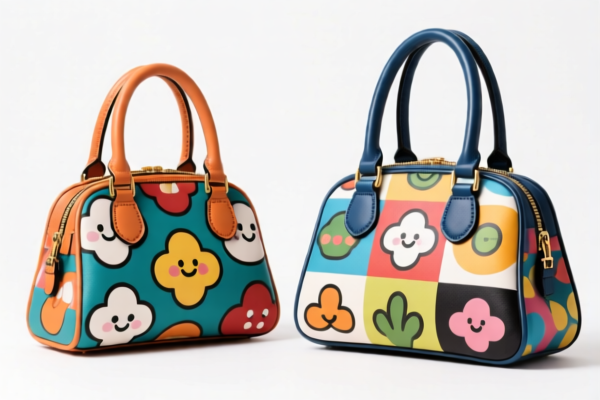
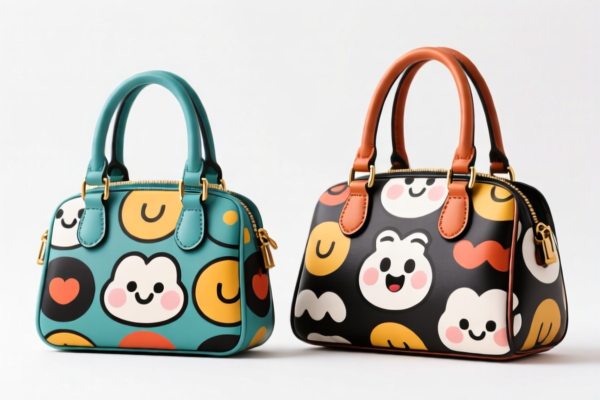
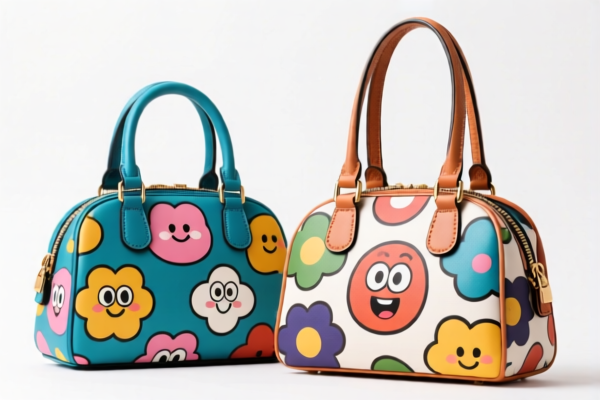
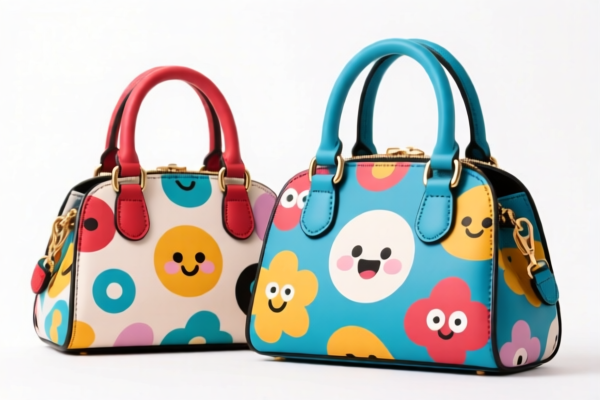
AI分析
👜 Cartoon Pattern Handbags (Fashion Accessories)
🌐 HS Code Reference & Customs Clearance Guide | 2026 Latest Tariff Analysis | Professional Compliance Strategy
📌 Part I: Product Definition & Classification – Are You Sure You Know “Handbags”?
A "Cartoon Pattern Handbag" is a consumer fashion accessory primarily used for carrying personal items. In international trade, the classification is strictly determined by material composition, not just appearance. The "cartoon pattern" is a design element, but customs authorities look at the substance.
There are three main material pathways for these goods: 1. Plastic/Synthetic Sheets: If the bag is made of PVC, PU leather, or plastic-coated fabrics, it may fall under Chapter 39 or 42. 2. Textile Materials: If made of cotton, polyester, or nylon fabrics (even with cartoon prints), it falls under Chapter 63 (for certain types) or 42. 3. Other Leather/Fabric: If it uses genuine leather or other specific materials, it falls under Chapter 42.
⚠️ Critical Distinction:
- Shape/Material Matters: A bag made of plastic sheets is taxed differently than one made of woven textile.
- Usage Matters: While most are for daily use, classification depends on the specific HTSUS heading for "bags, suitcases, and handbags."
📦 Part II: HS Code Classification Details (2026 Latest Tariff Authority Match)
Based on the provided data, here are the four most likely HS Code classifications for Cartoon Pattern Handbags, depending on material inference:
| HS Code | Product Description & Material Inference | Summary of Match Logic |
|---|---|---|
6305.39.00.00 |
Other sacks and bags, for packing, of man-made textile materials (Note: Often used for textile bags not elsewhere specified). | Match Form & Use: Matches handbag shape/consumer use. Material Inference: Textile or synthetic material. Category: Textile-based. |
3926.90.33.00 |
Other articles of plastics and articles of other materials of heading 3901 to 3914 (Specifically plastic handbags). | Match Use & Class: Matches handbag function. Material Inference: Plastic or synthetic material (e.g., PVC, TPU). Category: Plastic-based. |
4202.92.31.31 |
Handbags, whether or not with shoulder strap, without outer surface of leather, of woven textile materials. | Match Use & Form: Travel/sports/lifestyle bags. Material Inference: Artificial fiber textile material. Category: Textile Handbags (Specific). |
4202.92.39.00 |
Other handbags, not specified elsewhere, of textile materials or plastic sheeting. | Match Use & Form: Luggage/sport/lifestyle bags. Material Inference: Textile or plastic sheet material. Category: General Textile/Plastic Bags. |
🔍 Key Reminder:
- If the bag is made of Plastic (PVC/PU), it is likely3926.90.33.00.
- If the bag is made of Textile (Polyester/Cotton/Nylon), it is likely4202.92.31.31or4202.92.39.00.
-6305.39.00.00is a fallback category for textile packing sacks/bags that don’t fit standard handbag headings perfectly, often treated as a "catch-all" for textile bags in some contexts, resulting in similar tax rates to plastic in this dataset.
💰 Part III: 2026 Latest Tariff Rate Breakdown (Including Additional Duties & Policy Surcharges)
✅ Applicable Country: United States (US)
✅ Origin: China (CN)
✅ Effective Time: Post-November 2025 (Includes Section 301 & 122 Tariffs)
🎯 1. 6305.39.00.00 & 6305.33.00.80 —— Textile Bags (Fallback/General)
| Item | Content |
|---|---|
| Base Tariff | 8.4% |
| Section 301 Additional Tariff | 7.5% |
| Section 122 Tariff | 10% |
| Total Effective Rate | 25.9% |
| Tax Calculation | CIF Value × 25.9% |
| De Minimis Eligibility | ❌ No (High tariff rates generally exclude de minimis benefits for Section 301 goods). |
| Legal Basis Path | HTSUS:6305.39.00.00 → Sec301:7.5% → Sec122:10% |
📌 Explanation:
- These codes often apply to textile bags that are not explicitly defined as "handbags" in Chapter 42, or are considered general textile sacks.
- The 25.9% rate is a compound burden. While lower than the 50%+ rates for some handbags, it is still significant.
🎯 2. 3926.90.33.00 —— Plastic/Synthetic Handbags
| Item | Content |
|---|---|
| Base Tariff | 6.5% |
| Section 301 Additional Tariff | 0.0% |
| Section 122 Tariff | 10% |
| Total Effective Rate | 16.5% |
| Tax Calculation | CIF Value × 16.5% |
| De Minimis Eligibility | ❌ No (Subject to Section 122). |
| Legal Basis Path | HTSUS:3926.90.33.00 → Sec122:10% |
📌 Note:
- This is the most tax-efficient option for plastic handbags.
- Section 301 Tariff is 0% for this specific subheading, which is rare for Chinese goods.
- However, Section 122 (10%) still applies.
- Crucial: Ensure the material is genuinely plastic/synthetic sheet, not textile. Misclassification here can lead to severe penalties.
🎯 3. 4202.92.31.31 & 4202.92.39.00 —— Textile/Plastic Handbags (Chapter 42)
| Item | Content |
|---|---|
| Base Tariff | 17.6% |
| Section 301 Additional Tariff | 25.0% |
| Section 122 Tariff | 10% |
| Total Effective Rate | 52.6% |
| Tax Calculation | CIF Value × 52.6% |
| De Minimis Eligibility | ❌ No |
| Legal Basis Path | HTSUS:4202.92.xxxx → Sec301:25% → Sec122:10% |
📌 Warning:
- This is the highest tariff bracket for handbags.
- If your cartoon handbag is made of textile (e.g., polyester print) and fits the definition of a "handbag" under Chapter 42, you will face this 52.6% rate.
- Strategic Implication: Importers often try to classify these under3926.90.33.00(16.5%) by arguing the material is "plastic sheet" (like PVC or PU-coated fabric) rather than "textile." Caution: Customs may challenge this if the base material is clearly woven fabric.
🛠️ Part IV: Customs Clearance Practical Advice (Battle-Tested Pitfall Avoidance)
✅ 1. Material Documentation is King
| Document | Must Provide? | Description |
|---|---|---|
| ✅ Material Composition Certificate | ✔️ | Must specify: "100% Polyester," "PVC Plastic," "PU Leather," etc. |
| ✅ Product Photos (Internal/External) | ✔️ | Show texture. Is it woven? Is it smooth/shiny (plastic)? |
| ✅ Bill of Materials (BOM) | ✔️ | Breakdown of lining, outer shell, and hardware. |
| ✅ Commercial Invoice | ✔️ | Clear description: "Plastic Handbag, Cartoon Print" vs. "Textile Handbag." |
| ✅ Packing List | ✔️ | Weight and dimensions. |
✅ 2. Classification Strategy (Key Mnemonic)
🔥 “Plastic is 16.5%, Textile is 52.6%, Choose Your Material Wisely!”
| Scenario | Recommended HS Code | Tax Rate | Risk Level |
|---|---|---|---|
| PVC/TPU/Plastic Shell | 3926.90.33.00 |
16.5% | ✅ Low (if material is confirmed plastic) |
| Woven Fabric (Cotton/Nylon) | 4202.92.31.31 / 4202.92.39.00 |
52.6% | ⚠️ High Cost |
| Non-Specified Textile Sack | 6305.39.00.00 |
25.9% | ⚠️ Medium (Depends on Customs discretion) |
| Genuine Leather | Not in Data | Varies | ❌ Not covered by this dataset |
📌 Critical Advice:
- If the bag is made of faux leather (PU) backed by fabric, try to justify3926.90.33.00if the PU layer is the dominant character, but be prepared for audits.
- If the bag is woven fabric with a cartoon print, it is almost certainly4202.92.31.31or4202.92.39.00→ 52.6%.
- Do not try to force a 52.6% item into the 16.5% category without strong material evidence. The penalty for misclassification includes back duties + interest.
✅ 3. Special Case Handling
| Situation | Handling Suggestion |
|---|---|
| Hybrid Material (e.g., Canvas + PVC Trim) | If PVC is >50% by weight, argue for 3926.90.33.00. Otherwise, default to Textile (4202). |
| Sample vs. Bulk | Ensure sample and bulk material composition match exactly. Discrepancies cause clearance delays. |
| Cartoon Character Copyright | Ensure no trademark/copyright infringement (e.g., Disney, Marvel). Customs may seize goods for IP violations regardless of HS Code. |
| De Minimis (Section 321) | ❌ Not Applicable. All codes listed have high tariffs (>10%), so shipments must go through formal entry (Formal Entry Type 01/03). |
🌍 Part V: Global Market Comparison (2026)
| Country/Region | Recommended HS Code (Plastic) | Tariff (China Origin) | Tariff (China Origin) (Textile) | Notes |
|---|---|---|---|---|
| 🇺🇸 USA | 3926.90.33.00 |
16.5% | 52.6% | Section 301 & 122 apply heavily. |
| 🇪🇺 EU | Varies | ~6-12% | ~4-12% | No Section 301. Lower base duties. |
| 🇨🇳 China | Export Data | N/A | N/A | For reference only. |
📌 Conclusion:
- The US market is the most expensive for Chinese handbags due to Section 301 and 122 tariffs.
- Plastic handbags (3926) are significantly cheaper to import than Textile handbags (4202).
- Cost Saving Tip: If possible, design the handbag with a plastic/PU exterior (rather than woven fabric) to leverage the 16.5% rate instead of 52.6%.
📌 Part VI: Common Mistakes & Pitfall Guide (Blood-Learning Lessons)
❌ Mistake 1: Calling a "Textile Bag" a "Plastic Bag" to save tax.
👉 Consequence: Customs audit → Back taxes + 25% penalty.
👉 Fix: Accurate material declaration.
❌ Mistake 2: Ignoring Section 122 Tariffs.
👉 Consequence: Underestimating landed cost by 10%.
👉 Fix: Always add 10% for Section 122 in your cost model for these goods.
❌ Mistake 3: Using Generic Descriptions like "Bag."
👉 Consequence: Customs flags for lack of detail → Delay.
👉 Fix: Use "Plastic Handbag, Cartoon Print, PVC Material, Model XYZ."
✅ Correct Practice:
“Handbag, Fashion, Cartoon Print, Outer Material: PVC Plastic, Lining: Polyester, Size: 20x15x10cm, Model: CB-2026”
🎯 Part VII: Conclusion – Professional Clearance, Cost Efficiency!
🎯 Remember the Mnemonic:
🔹 “Plastic is Cheap (16.5%), Textile is Expensive (52.6%)!”
🔹 “Section 301 hits Textile Hard, Plastic is Safer!”
🔹 “Check Material First, Then Choose Code!”
📌 Pro Tip:
If you are importing large volumes, consider Advance Rulings (USCBP) to confirm if your specific "faux leather" product qualifies for 3926.90.33.00 (16.5%) or if it will be deemed textile (52.6%). This certainty is worth the investment.
📣 Immediate Action:
📞 Contact Customs Broker + Provide Material Swatches + Request Advance Ruling
🚀 Let your cartoon handbags pass smoothly, efficiently, and profitably!
✨ Professional Clearance Starts with Precise Classification!
💼 Every Dollar Saved in Tariffs is Pure Profit!
用户评价
关于 HS 编码归类
协调制度(HS)是由世界海关组织(WCO)制定的国际贸易商品分类标准。全球 200 多个国家采用 HS 系统作为海关关税、贸易统计和进出口监管的基础。
每个 HS 编码遵循以下层级结构:
- 章(2 位)——商品大类(例如:第 84 章:机器和机械设备)
- 品目(4 位)——章内的更具体分类
- 子目(6 位)——国际通用细分,所有 WCO 成员国统一使用
- 本国细分(8-10 位)——各国自行扩展的细分编码,如美国 HTSUS 10 位编码
正确的 HS 编码归类对于顺利通关、准确缴纳关税和遵守贸易法规至关重要。错误归类可能导致海关延误、多缴关税或罚款。
从CN进口到US时,适用的关税税率可能包括:
- 最惠国(MFN)税率——适用于 WTO 成员国的标准关税税率
- 普通税率——适用于无贸易协定国家
- 贸易救济关税——附加关税,如 301 条款(反倾销)、232 条款(国家安全)或反补贴税
本页内容仅供参考。如需正式归类,请咨询当地海关或持牌报关代理。