Cartoon Pattern Handbag
CN → US| HS Code | Tariff Rate | Origin | Destination | Doc |
|---|---|---|---|---|
| 6305390000 | 25.9% | CN | US | Official Doc |
| 3926903300 | 16.5% | CN | US | Official Doc |
| 4202923131 | 52.6% | CN | US | Official Doc |
| 4202923900 | 52.6% | CN | US | Official Doc |
| 6305330080 | 25.9% | CN | US | Official Doc |
Product Images
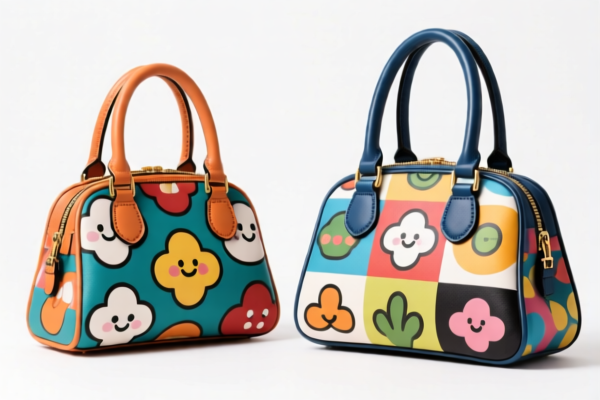
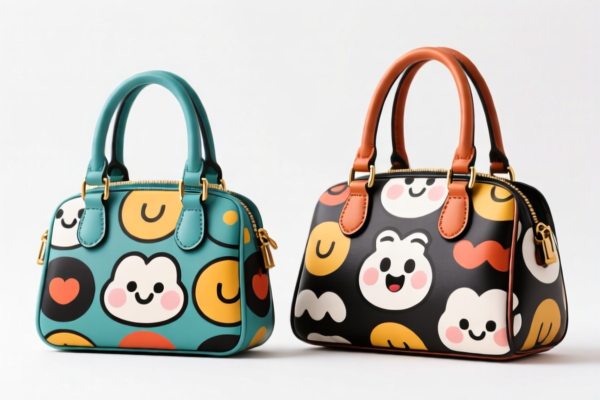
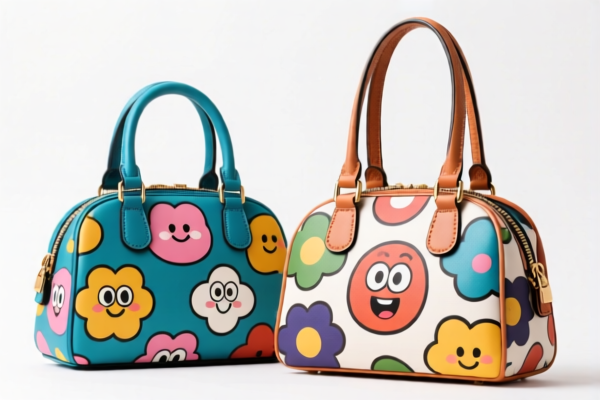
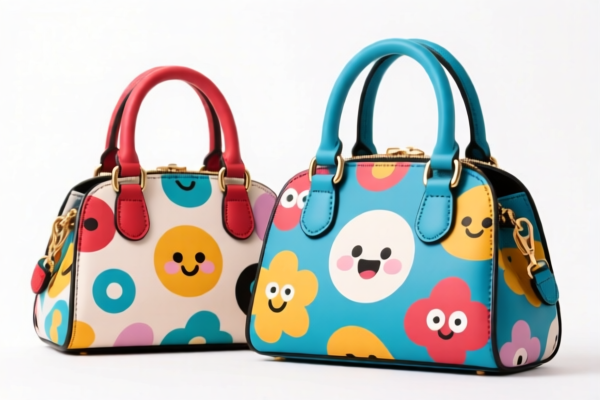
AI Analysis
👜 Cartoon Pattern Handbags (Fashion Accessories)
🌐 HS Code Reference & Customs Clearance Guide | 2026 Latest Tariff Analysis | Professional Compliance Strategy
📌 Part I: Product Definition & Classification – Are You Sure You Know “Handbags”?
A "Cartoon Pattern Handbag" is a consumer fashion accessory primarily used for carrying personal items. In international trade, the classification is strictly determined by material composition, not just appearance. The "cartoon pattern" is a design element, but customs authorities look at the substance.
There are three main material pathways for these goods: 1. Plastic/Synthetic Sheets: If the bag is made of PVC, PU leather, or plastic-coated fabrics, it may fall under Chapter 39 or 42. 2. Textile Materials: If made of cotton, polyester, or nylon fabrics (even with cartoon prints), it falls under Chapter 63 (for certain types) or 42. 3. Other Leather/Fabric: If it uses genuine leather or other specific materials, it falls under Chapter 42.
⚠️ Critical Distinction:
- Shape/Material Matters: A bag made of plastic sheets is taxed differently than one made of woven textile.
- Usage Matters: While most are for daily use, classification depends on the specific HTSUS heading for "bags, suitcases, and handbags."
📦 Part II: HS Code Classification Details (2026 Latest Tariff Authority Match)
Based on the provided data, here are the four most likely HS Code classifications for Cartoon Pattern Handbags, depending on material inference:
| HS Code | Product Description & Material Inference | Summary of Match Logic |
|---|---|---|
6305.39.00.00 |
Other sacks and bags, for packing, of man-made textile materials (Note: Often used for textile bags not elsewhere specified). | Match Form & Use: Matches handbag shape/consumer use. Material Inference: Textile or synthetic material. Category: Textile-based. |
3926.90.33.00 |
Other articles of plastics and articles of other materials of heading 3901 to 3914 (Specifically plastic handbags). | Match Use & Class: Matches handbag function. Material Inference: Plastic or synthetic material (e.g., PVC, TPU). Category: Plastic-based. |
4202.92.31.31 |
Handbags, whether or not with shoulder strap, without outer surface of leather, of woven textile materials. | Match Use & Form: Travel/sports/lifestyle bags. Material Inference: Artificial fiber textile material. Category: Textile Handbags (Specific). |
4202.92.39.00 |
Other handbags, not specified elsewhere, of textile materials or plastic sheeting. | Match Use & Form: Luggage/sport/lifestyle bags. Material Inference: Textile or plastic sheet material. Category: General Textile/Plastic Bags. |
🔍 Key Reminder:
- If the bag is made of Plastic (PVC/PU), it is likely3926.90.33.00.
- If the bag is made of Textile (Polyester/Cotton/Nylon), it is likely4202.92.31.31or4202.92.39.00.
-6305.39.00.00is a fallback category for textile packing sacks/bags that don’t fit standard handbag headings perfectly, often treated as a "catch-all" for textile bags in some contexts, resulting in similar tax rates to plastic in this dataset.
💰 Part III: 2026 Latest Tariff Rate Breakdown (Including Additional Duties & Policy Surcharges)
✅ Applicable Country: United States (US)
✅ Origin: China (CN)
✅ Effective Time: Post-November 2025 (Includes Section 301 & 122 Tariffs)
🎯 1. 6305.39.00.00 & 6305.33.00.80 —— Textile Bags (Fallback/General)
| Item | Content |
|---|---|
| Base Tariff | 8.4% |
| Section 301 Additional Tariff | 7.5% |
| Section 122 Tariff | 10% |
| Total Effective Rate | 25.9% |
| Tax Calculation | CIF Value × 25.9% |
| De Minimis Eligibility | ❌ No (High tariff rates generally exclude de minimis benefits for Section 301 goods). |
| Legal Basis Path | HTSUS:6305.39.00.00 → Sec301:7.5% → Sec122:10% |
📌 Explanation:
- These codes often apply to textile bags that are not explicitly defined as "handbags" in Chapter 42, or are considered general textile sacks.
- The 25.9% rate is a compound burden. While lower than the 50%+ rates for some handbags, it is still significant.
🎯 2. 3926.90.33.00 —— Plastic/Synthetic Handbags
| Item | Content |
|---|---|
| Base Tariff | 6.5% |
| Section 301 Additional Tariff | 0.0% |
| Section 122 Tariff | 10% |
| Total Effective Rate | 16.5% |
| Tax Calculation | CIF Value × 16.5% |
| De Minimis Eligibility | ❌ No (Subject to Section 122). |
| Legal Basis Path | HTSUS:3926.90.33.00 → Sec122:10% |
📌 Note:
- This is the most tax-efficient option for plastic handbags.
- Section 301 Tariff is 0% for this specific subheading, which is rare for Chinese goods.
- However, Section 122 (10%) still applies.
- Crucial: Ensure the material is genuinely plastic/synthetic sheet, not textile. Misclassification here can lead to severe penalties.
🎯 3. 4202.92.31.31 & 4202.92.39.00 —— Textile/Plastic Handbags (Chapter 42)
| Item | Content |
|---|---|
| Base Tariff | 17.6% |
| Section 301 Additional Tariff | 25.0% |
| Section 122 Tariff | 10% |
| Total Effective Rate | 52.6% |
| Tax Calculation | CIF Value × 52.6% |
| De Minimis Eligibility | ❌ No |
| Legal Basis Path | HTSUS:4202.92.xxxx → Sec301:25% → Sec122:10% |
📌 Warning:
- This is the highest tariff bracket for handbags.
- If your cartoon handbag is made of textile (e.g., polyester print) and fits the definition of a "handbag" under Chapter 42, you will face this 52.6% rate.
- Strategic Implication: Importers often try to classify these under3926.90.33.00(16.5%) by arguing the material is "plastic sheet" (like PVC or PU-coated fabric) rather than "textile." Caution: Customs may challenge this if the base material is clearly woven fabric.
🛠️ Part IV: Customs Clearance Practical Advice (Battle-Tested Pitfall Avoidance)
✅ 1. Material Documentation is King
| Document | Must Provide? | Description |
|---|---|---|
| ✅ Material Composition Certificate | ✔️ | Must specify: "100% Polyester," "PVC Plastic," "PU Leather," etc. |
| ✅ Product Photos (Internal/External) | ✔️ | Show texture. Is it woven? Is it smooth/shiny (plastic)? |
| ✅ Bill of Materials (BOM) | ✔️ | Breakdown of lining, outer shell, and hardware. |
| ✅ Commercial Invoice | ✔️ | Clear description: "Plastic Handbag, Cartoon Print" vs. "Textile Handbag." |
| ✅ Packing List | ✔️ | Weight and dimensions. |
✅ 2. Classification Strategy (Key Mnemonic)
🔥 “Plastic is 16.5%, Textile is 52.6%, Choose Your Material Wisely!”
| Scenario | Recommended HS Code | Tax Rate | Risk Level |
|---|---|---|---|
| PVC/TPU/Plastic Shell | 3926.90.33.00 |
16.5% | ✅ Low (if material is confirmed plastic) |
| Woven Fabric (Cotton/Nylon) | 4202.92.31.31 / 4202.92.39.00 |
52.6% | ⚠️ High Cost |
| Non-Specified Textile Sack | 6305.39.00.00 |
25.9% | ⚠️ Medium (Depends on Customs discretion) |
| Genuine Leather | Not in Data | Varies | ❌ Not covered by this dataset |
📌 Critical Advice:
- If the bag is made of faux leather (PU) backed by fabric, try to justify3926.90.33.00if the PU layer is the dominant character, but be prepared for audits.
- If the bag is woven fabric with a cartoon print, it is almost certainly4202.92.31.31or4202.92.39.00→ 52.6%.
- Do not try to force a 52.6% item into the 16.5% category without strong material evidence. The penalty for misclassification includes back duties + interest.
✅ 3. Special Case Handling
| Situation | Handling Suggestion |
|---|---|
| Hybrid Material (e.g., Canvas + PVC Trim) | If PVC is >50% by weight, argue for 3926.90.33.00. Otherwise, default to Textile (4202). |
| Sample vs. Bulk | Ensure sample and bulk material composition match exactly. Discrepancies cause clearance delays. |
| Cartoon Character Copyright | Ensure no trademark/copyright infringement (e.g., Disney, Marvel). Customs may seize goods for IP violations regardless of HS Code. |
| De Minimis (Section 321) | ❌ Not Applicable. All codes listed have high tariffs (>10%), so shipments must go through formal entry (Formal Entry Type 01/03). |
🌍 Part V: Global Market Comparison (2026)
| Country/Region | Recommended HS Code (Plastic) | Tariff (China Origin) | Tariff (China Origin) (Textile) | Notes |
|---|---|---|---|---|
| 🇺🇸 USA | 3926.90.33.00 |
16.5% | 52.6% | Section 301 & 122 apply heavily. |
| 🇪🇺 EU | Varies | ~6-12% | ~4-12% | No Section 301. Lower base duties. |
| 🇨🇳 China | Export Data | N/A | N/A | For reference only. |
📌 Conclusion:
- The US market is the most expensive for Chinese handbags due to Section 301 and 122 tariffs.
- Plastic handbags (3926) are significantly cheaper to import than Textile handbags (4202).
- Cost Saving Tip: If possible, design the handbag with a plastic/PU exterior (rather than woven fabric) to leverage the 16.5% rate instead of 52.6%.
📌 Part VI: Common Mistakes & Pitfall Guide (Blood-Learning Lessons)
❌ Mistake 1: Calling a "Textile Bag" a "Plastic Bag" to save tax.
👉 Consequence: Customs audit → Back taxes + 25% penalty.
👉 Fix: Accurate material declaration.
❌ Mistake 2: Ignoring Section 122 Tariffs.
👉 Consequence: Underestimating landed cost by 10%.
👉 Fix: Always add 10% for Section 122 in your cost model for these goods.
❌ Mistake 3: Using Generic Descriptions like "Bag."
👉 Consequence: Customs flags for lack of detail → Delay.
👉 Fix: Use "Plastic Handbag, Cartoon Print, PVC Material, Model XYZ."
✅ Correct Practice:
“Handbag, Fashion, Cartoon Print, Outer Material: PVC Plastic, Lining: Polyester, Size: 20x15x10cm, Model: CB-2026”
🎯 Part VII: Conclusion – Professional Clearance, Cost Efficiency!
🎯 Remember the Mnemonic:
🔹 “Plastic is Cheap (16.5%), Textile is Expensive (52.6%)!”
🔹 “Section 301 hits Textile Hard, Plastic is Safer!”
🔹 “Check Material First, Then Choose Code!”
📌 Pro Tip:
If you are importing large volumes, consider Advance Rulings (USCBP) to confirm if your specific "faux leather" product qualifies for 3926.90.33.00 (16.5%) or if it will be deemed textile (52.6%). This certainty is worth the investment.
📣 Immediate Action:
📞 Contact Customs Broker + Provide Material Swatches + Request Advance Ruling
🚀 Let your cartoon handbags pass smoothly, efficiently, and profitably!
✨ Professional Clearance Starts with Precise Classification!
💼 Every Dollar Saved in Tariffs is Pure Profit!
Customer Reviews
About HS Code Classification
The Harmonized System (HS) is an internationally standardized nomenclature developed by the World Customs Organization (WCO) to classify traded products. Over 200 countries use the HS system as the basis for customs tariffs, trade statistics, and import/export regulations.
Each HS code follows a hierarchical structure:
- Chapter (2 digits) — Broad category of goods (e.g., Chapter 84: Machinery and Mechanical Appliances)
- Heading (4 digits) — More specific grouping within the chapter
- Subheading (6 digits) — Internationally standardized breakdown, used by all WCO member countries
- National subdivisions (8-10 digits) — Country-specific extensions for further classification, such as US HTSUS 10-digit codes
Correct HS code classification is essential for smooth customs clearance, accurate duty payment, and compliance with trade regulations. Misclassification can lead to customs delays, overpayment of duties, or penalties.
When importing from CN to US, the applicable tariff rates may include:
- Most-Favored-Nation (MFN) rate — The standard duty rate applied to WTO members
- General rate — Applied to countries without trade agreements
- Trade remedy duties — Additional tariffs such as Section 301 (anti-dumping), Section 232 (national security), or countervailing duties
The information provided on this page is for reference purposes only. For official classification, please consult with your local customs authority or a licensed customs broker.