Carved Cardboard
CN → US| HS编码 | 关税税率 | 原产国 | 目的国 | 文档 |
|---|---|---|---|---|
| 4823902000 | 35.0% | CN | US | 官方文档 |
| 4823908680 | 35.0% | CN | US | 官方文档 |
商品图片
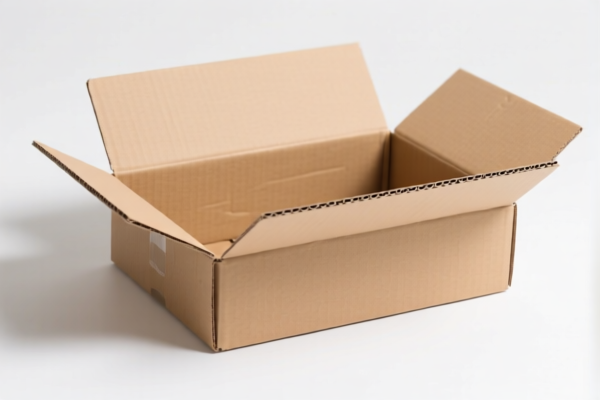
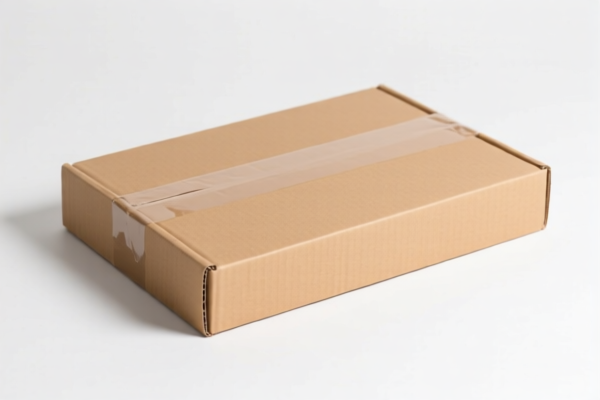
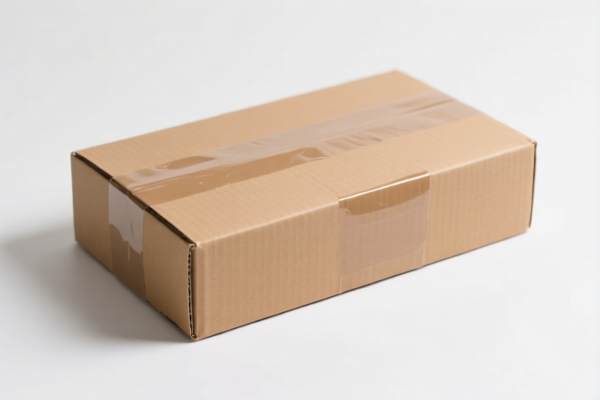
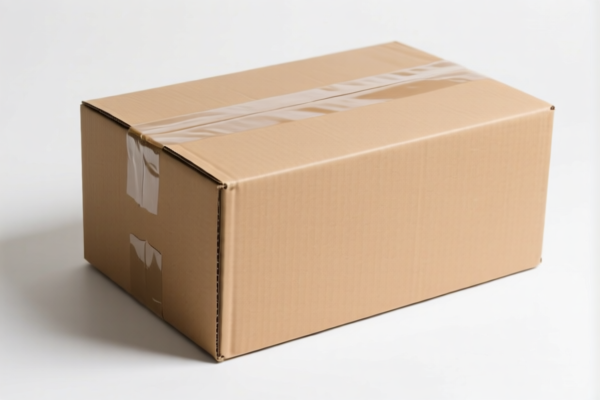
AI分析
🎨 Carved Cardboard (Papier-mâché Articles)
🌐 HS Code Reference & Customs Clearance Guide | 2026 Latest Tariff Analysis | Professional Clearance Strategy
📌 I. Product Definition & Classification: What Exactly Is "Carved Cardboard"?
In the context of international trade and the Harmonized System (HS), "Carved Cardboard" refers to finished articles made from papier-mâché or shaped paper pulp. These are not raw sheets or simple boxes, but items that have been molded, carved, or shaped into specific forms.
Common Examples: * Decorative Items: Artificial flowers, leaves, birds, fruits, and vegetables; * Novelties: Christmas tree decorations, masks, carnival masks; * Structural Items: Display stands, lightweight furniture components, or architectural models made from compressed/pulped paper.
⚠️ Key Distinction:
- If the item is cut to size/shape but not specifically "papier-mâché" (e.g., a simple corrugated box), it may fall under other subheadings;
- If the item is made from molded paper pulp or papier-mâché (layered paper + adhesive/paste), it strictly falls under 4823.90.20.00;
- If it is other shaped paper articles not fitting the "papier-mâché" definition, it may fall under 4823.90.86.80.
📦 II. HS Code Classification Details (2026 Latest Tariff Authority)
| HS Code | Product Description | Application Scenario | Material Nature |
|---|---|---|---|
4823.90.20.00 |
Of papier-mâché | Molded decorations, artificial fruits/flowers, masks, lightweight molded shapes | ✅ Papier-mâché (paper + binder, molded) |
4823.90.86.80 |
Other other other other other | Other shaped paper articles not classified as papier-mâché (e.g., die-cut shapes, pulp trays) | ❌ Not strictly papier-mâché |
🔍 Critical Note:
- Papier-mâché implies a process where paper is broken down into pulp or layered with adhesive and then molded/shaped.
- Simple cutouts or folded cartons do not qualify as "papier-mâché" and should be evaluated against 4823.90.86.80 or other 4823 subheadings.
- Customs authorities may require photos, diagrams, or material specifications to distinguish between molded papier-mâché and simple die-cut paper.
💰 III. 2026 Latest Tariff Rate Details (Including Surcharges)
✅ Applicable Country: United States (US)
✅ Country of Origin: China (CN)
✅ Effective Date: 2025-11-10 onwards (including subsequent imports)
🎯 1. 4823.90.20.00 —— Of papier-mâché
| Item | Content |
|---|---|
| Basic Tariff Rate | 0.0% (ad valorem) |
| Section 301 Additional Tariff | +25.0% |
| Total Tax Rate | 25.0% |
| Tax Calculation | CIF Value × 25% |
| De Minimis Eligibility | ❌ Not Eligible (deny_de_minimis) |
| Legal Basis Path | USITC:4823.90.20.00 → SECTION_301:4823 → FOOTNOTE:4823.90.20.00 |
📌 Explanation:
- Base Rate (0%): Paper articles generally have low base tariffs.
- Section 301 Surcharge (+25%): Applies to all Chinese-origin goods in this category under US trade remedy measures.
- No De Minimis: These goods cannot enter under the $800 de minimis threshold for informal entry; they must be formally declared.
- Total Cost Impact: The landed cost increases by 25% on top of the CIF value.
🎯 2. 4823.90.86.80 —— Other Other Other Other Other
| Item | Content |
|---|---|
| Basic Tariff Rate | 0.0% (ad valorem) |
| Section 301 Additional Tariff | +25.0% |
| Total Tax Rate | 25.0% |
| Tax Calculation | CIF Value × 25% |
| De Minimis Eligibility | ❌ Not Eligible (deny_de_minimis) |
| Legal Basis Path | USITC:4823.90.86.80 → SECTION_301:4823 → FOOTNOTE:4823.90.86.80 |
📌 Note:
- Identical tax treatment to papier-mâché articles.
- Even if the item is not papier-mâché but simply "other shaped paper articles," the 25% surcharge still applies.
- There is no tax advantage to misclassifying papier-mâché as "other" to avoid scrutiny; the rate is the same.
🛠️ IV. Customs Clearance Practical Advice (Real-World Pitfall Avoidance)
✅ 1. Required Documentation Checklist (Missing = Delay)
| Document | Required | Purpose |
|---|---|---|
| ✅ Product Specification Sheet | ✔️ | Must describe material (e.g., "recycled paper pulp," "paper + glue"), molding process, and use. |
| ✅ Product Photos | ✔️ | Clear images showing texture, mold marks, and finished shape. Crucial to distinguish from simple cardboard. |
| ✅ Commercial Invoice | ✔️ | Must accurately describe goods as "Papier-mâché Decorations" or "Shaped Paper Articles." |
| ✅ Packing List | ✔️ | Details net/gross weight, dimensions, and packaging type. |
| ✅ Origin Certificate | ✔️ | Proof of Chinese origin to confirm Section 301 applicability. |
| ✅ Material Composition Statement | ✔️ | If disputed, customs may request confirmation that no plastic/wood core is present. |
✅ 2. Declaration Tips (Key Mantra)
🔥 "Declare Accurately, Describe Material, Avoid Ambiguity!"
| Situation | Correct Declaration | Incorrect Practice |
|---|---|---|
| Molded artificial flowers | 4823.90.20.00 – "Artificial Flowers, Papier-mâché" |
"Plastic Flowers" → 10-15% tariff + potential fraud |
| Die-cut paper ornaments | 4823.90.86.80 – "Other Shaped Paper Articles" |
"Cardboard Boxes" → Different HS Code, risk of misclassification |
| Mixed shipment (Pulp + Plastic) | Split HS Codes | Combined申报 → Rejected or audited |
| Small samples (De Minimis) | Do Not Use for Section 301 items | Attempting $800 exemption → Seized + Penalty |
⚠️ Warning:
- Do not describe papier-mâché as "Plastic" or "Resin" to avoid tariffs. This is customs fraud and carries severe penalties.
- Do not use vague terms like "Paper Craft." Be specific: "Molded Papier-mâché Christmas Ornaments."
✅ 3. Special Cases Handling
| Scenario | Handling Advice |
|---|---|
| Mixed Material Items | If the item contains more than minimal plastic (e.g., painted with thick plastic resin), it may be classified elsewhere. Provide material breakdown. |
| Wooden Core Items | If carved cardboard covers a wooden frame, it may be classified as wooden articles (Chapter 44). |
| OEM/Private Label | Ensure the invoice matches the brand and product description provided to customs. |
| Gift Sets | If sold as a set with non-paper items, the essential character determines classification. |
🌍 V. Global Market Customs Comparison (2026 Latest)
| Country/Region | Recommended HS Code | Tariff Rate (China Origin) | Notes |
|---|---|---|---|
| 🇺🇸 USA | 4823.90.20.00 / 4823.90.86.80 |
25% (Section 301) | No de minimis. High compliance risk. |
| 🇨🇳 China | 4823.90.20.00 |
5% (Import Duty) | VAT 13% applies. No Section 301. |
| 🇪🇺 EU | 4823.90.20.00 |
6.5% | No additional surcharges. |
| 🇬🇧 UK | 4823.90.20.00 |
6.5% | Post-Brexit rules apply. |
| 🇯🇵 Japan | 4823.90.20.00 |
8% | No surcharges. |
📌 Conclusion:
- The USA imposes a significant 25% tariff on these goods due to trade tensions.
- European, Japanese, and Chinese domestic markets have much lower duties.
- Supply Chain Strategy: Consider sourcing papier-mâché items from Vietnam, Mexico, or Thailand to avoid US Section 301 tariffs (if genuinely shifted).
📌 VI. Common Mistakes & Pitfalls (Blood Lessons)
❌ Mistake 1: Misclassifying papier-mâché as "Plastic Articles"
👉 Consequence: Tariff rate may be lower (e.g., 5%), but fraud penalties, seizure, and back-taxes apply if discovered.
❌ Mistake 2: Attempting De Minimis Entry ($800 threshold)
👉 Consequence: Package seized. Section 301 goods are explicitly excluded from de minimis treatment.
❌ Mistake 3: Vague Description "Paper Items"
👉 Consequence: Customs exam required, delayed clearance, potential reclassification and audit.
❌ Mistake 4: Ignoring "Essential Character" in Mixed Sets
👉 Consequence: If a gift box contains paper + electronics, misdeclaring the whole set as paper leads to misclassification penalties.
✅ Correct Approach:
"Papier-mâché Artificial Christmas Tree Decorations, Molded, Imported from China, HS 4823.90.20.00, Subject to 25% Section 301 Tariff"
🎯 VII. Conclusion: Precision Declaration Saves Costs!
🎯 Remember:
🔹 "Papier-mâché is Paper, Not Plastic – Declare Truthfully!"
🔹 "25% Tariff in US – No Loopholes, No De Minimis!"
🔹 "Clear Description, Clear Path – Avoid Customs Delays!"
📌 Pro Tip:
If your cardboard decorations are shipped from Mexico or Vietnam (not China), you may qualify for 0% tariff under USMCA or lower rates. Ensure Country of Origin is accurately declared.
📣 Immediate Action:
📞 Consult a Licensed Customs Broker + Provide Product Photos + Apply for Advance Ruling (if high volume)
🚀 Ensure Smooth Clearance, Avoid Seizures, and Optimize Landed Costs!
✨ Professional Customs Clearance Starts with Accurate Classification!
💼 Your Cost Efficiency Depends on Precision!
用户评价
关于 HS 编码归类
协调制度(HS)是由世界海关组织(WCO)制定的国际贸易商品分类标准。全球 200 多个国家采用 HS 系统作为海关关税、贸易统计和进出口监管的基础。
每个 HS 编码遵循以下层级结构:
- 章(2 位)——商品大类(例如:第 84 章:机器和机械设备)
- 品目(4 位)——章内的更具体分类
- 子目(6 位)——国际通用细分,所有 WCO 成员国统一使用
- 本国细分(8-10 位)——各国自行扩展的细分编码,如美国 HTSUS 10 位编码
正确的 HS 编码归类对于顺利通关、准确缴纳关税和遵守贸易法规至关重要。错误归类可能导致海关延误、多缴关税或罚款。
从CN进口到US时,适用的关税税率可能包括:
- 最惠国(MFN)税率——适用于 WTO 成员国的标准关税税率
- 普通税率——适用于无贸易协定国家
- 贸易救济关税——附加关税,如 301 条款(反倾销)、232 条款(国家安全)或反补贴税
本页内容仅供参考。如需正式归类,请咨询当地海关或持牌报关代理。