Carved Cardboard
CN → US| HS Code | Tariff Rate | Origin | Destination | Doc |
|---|---|---|---|---|
| 4823902000 | 35.0% | CN | US | Official Doc |
| 4823908680 | 35.0% | CN | US | Official Doc |
Product Images
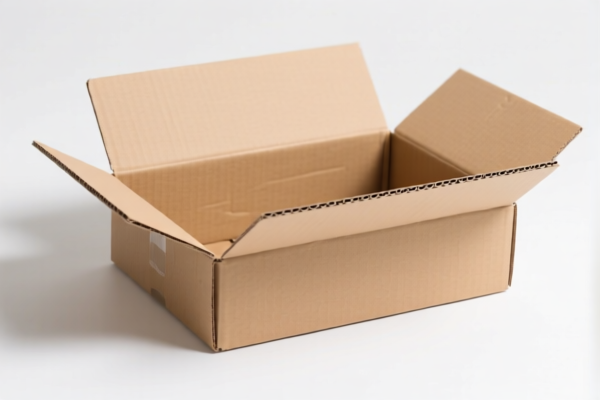
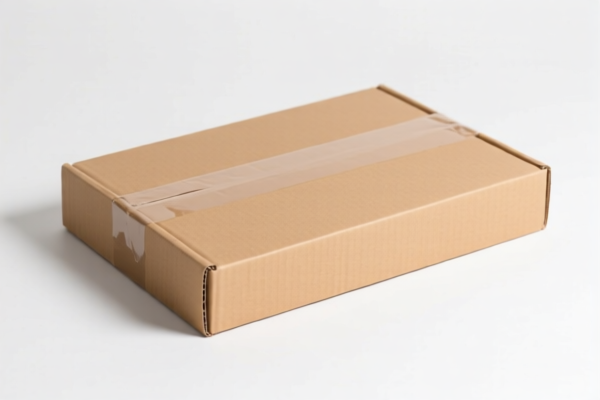
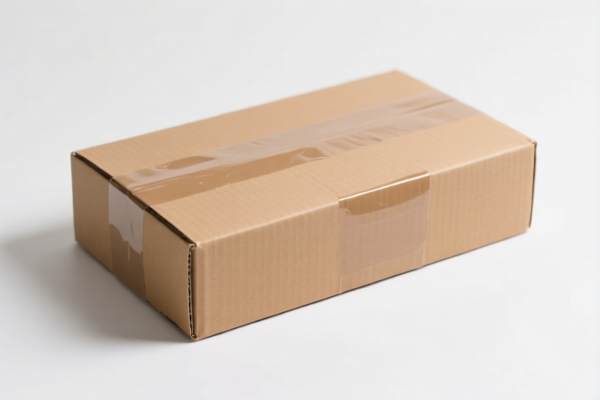
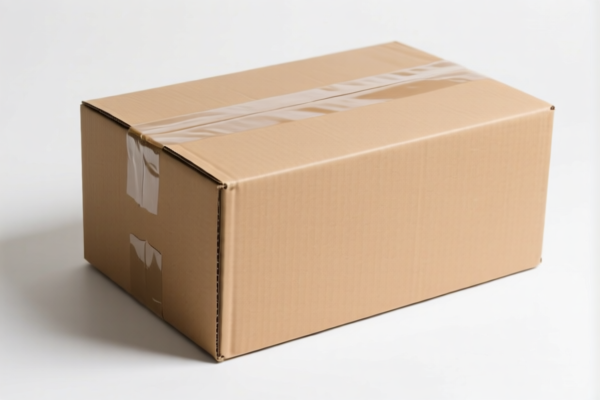
AI Analysis
🎨 Carved Cardboard (Papier-mâché Articles)
🌐 HS Code Reference & Customs Clearance Guide | 2026 Latest Tariff Analysis | Professional Clearance Strategy
📌 I. Product Definition & Classification: What Exactly Is "Carved Cardboard"?
In the context of international trade and the Harmonized System (HS), "Carved Cardboard" refers to finished articles made from papier-mâché or shaped paper pulp. These are not raw sheets or simple boxes, but items that have been molded, carved, or shaped into specific forms.
Common Examples: * Decorative Items: Artificial flowers, leaves, birds, fruits, and vegetables; * Novelties: Christmas tree decorations, masks, carnival masks; * Structural Items: Display stands, lightweight furniture components, or architectural models made from compressed/pulped paper.
⚠️ Key Distinction:
- If the item is cut to size/shape but not specifically "papier-mâché" (e.g., a simple corrugated box), it may fall under other subheadings;
- If the item is made from molded paper pulp or papier-mâché (layered paper + adhesive/paste), it strictly falls under 4823.90.20.00;
- If it is other shaped paper articles not fitting the "papier-mâché" definition, it may fall under 4823.90.86.80.
📦 II. HS Code Classification Details (2026 Latest Tariff Authority)
| HS Code | Product Description | Application Scenario | Material Nature |
|---|---|---|---|
4823.90.20.00 |
Of papier-mâché | Molded decorations, artificial fruits/flowers, masks, lightweight molded shapes | ✅ Papier-mâché (paper + binder, molded) |
4823.90.86.80 |
Other other other other other | Other shaped paper articles not classified as papier-mâché (e.g., die-cut shapes, pulp trays) | ❌ Not strictly papier-mâché |
🔍 Critical Note:
- Papier-mâché implies a process where paper is broken down into pulp or layered with adhesive and then molded/shaped.
- Simple cutouts or folded cartons do not qualify as "papier-mâché" and should be evaluated against 4823.90.86.80 or other 4823 subheadings.
- Customs authorities may require photos, diagrams, or material specifications to distinguish between molded papier-mâché and simple die-cut paper.
💰 III. 2026 Latest Tariff Rate Details (Including Surcharges)
✅ Applicable Country: United States (US)
✅ Country of Origin: China (CN)
✅ Effective Date: 2025-11-10 onwards (including subsequent imports)
🎯 1. 4823.90.20.00 —— Of papier-mâché
| Item | Content |
|---|---|
| Basic Tariff Rate | 0.0% (ad valorem) |
| Section 301 Additional Tariff | +25.0% |
| Total Tax Rate | 25.0% |
| Tax Calculation | CIF Value × 25% |
| De Minimis Eligibility | ❌ Not Eligible (deny_de_minimis) |
| Legal Basis Path | USITC:4823.90.20.00 → SECTION_301:4823 → FOOTNOTE:4823.90.20.00 |
📌 Explanation:
- Base Rate (0%): Paper articles generally have low base tariffs.
- Section 301 Surcharge (+25%): Applies to all Chinese-origin goods in this category under US trade remedy measures.
- No De Minimis: These goods cannot enter under the $800 de minimis threshold for informal entry; they must be formally declared.
- Total Cost Impact: The landed cost increases by 25% on top of the CIF value.
🎯 2. 4823.90.86.80 —— Other Other Other Other Other
| Item | Content |
|---|---|
| Basic Tariff Rate | 0.0% (ad valorem) |
| Section 301 Additional Tariff | +25.0% |
| Total Tax Rate | 25.0% |
| Tax Calculation | CIF Value × 25% |
| De Minimis Eligibility | ❌ Not Eligible (deny_de_minimis) |
| Legal Basis Path | USITC:4823.90.86.80 → SECTION_301:4823 → FOOTNOTE:4823.90.86.80 |
📌 Note:
- Identical tax treatment to papier-mâché articles.
- Even if the item is not papier-mâché but simply "other shaped paper articles," the 25% surcharge still applies.
- There is no tax advantage to misclassifying papier-mâché as "other" to avoid scrutiny; the rate is the same.
🛠️ IV. Customs Clearance Practical Advice (Real-World Pitfall Avoidance)
✅ 1. Required Documentation Checklist (Missing = Delay)
| Document | Required | Purpose |
|---|---|---|
| ✅ Product Specification Sheet | ✔️ | Must describe material (e.g., "recycled paper pulp," "paper + glue"), molding process, and use. |
| ✅ Product Photos | ✔️ | Clear images showing texture, mold marks, and finished shape. Crucial to distinguish from simple cardboard. |
| ✅ Commercial Invoice | ✔️ | Must accurately describe goods as "Papier-mâché Decorations" or "Shaped Paper Articles." |
| ✅ Packing List | ✔️ | Details net/gross weight, dimensions, and packaging type. |
| ✅ Origin Certificate | ✔️ | Proof of Chinese origin to confirm Section 301 applicability. |
| ✅ Material Composition Statement | ✔️ | If disputed, customs may request confirmation that no plastic/wood core is present. |
✅ 2. Declaration Tips (Key Mantra)
🔥 "Declare Accurately, Describe Material, Avoid Ambiguity!"
| Situation | Correct Declaration | Incorrect Practice |
|---|---|---|
| Molded artificial flowers | 4823.90.20.00 – "Artificial Flowers, Papier-mâché" |
"Plastic Flowers" → 10-15% tariff + potential fraud |
| Die-cut paper ornaments | 4823.90.86.80 – "Other Shaped Paper Articles" |
"Cardboard Boxes" → Different HS Code, risk of misclassification |
| Mixed shipment (Pulp + Plastic) | Split HS Codes | Combined申报 → Rejected or audited |
| Small samples (De Minimis) | Do Not Use for Section 301 items | Attempting $800 exemption → Seized + Penalty |
⚠️ Warning:
- Do not describe papier-mâché as "Plastic" or "Resin" to avoid tariffs. This is customs fraud and carries severe penalties.
- Do not use vague terms like "Paper Craft." Be specific: "Molded Papier-mâché Christmas Ornaments."
✅ 3. Special Cases Handling
| Scenario | Handling Advice |
|---|---|
| Mixed Material Items | If the item contains more than minimal plastic (e.g., painted with thick plastic resin), it may be classified elsewhere. Provide material breakdown. |
| Wooden Core Items | If carved cardboard covers a wooden frame, it may be classified as wooden articles (Chapter 44). |
| OEM/Private Label | Ensure the invoice matches the brand and product description provided to customs. |
| Gift Sets | If sold as a set with non-paper items, the essential character determines classification. |
🌍 V. Global Market Customs Comparison (2026 Latest)
| Country/Region | Recommended HS Code | Tariff Rate (China Origin) | Notes |
|---|---|---|---|
| 🇺🇸 USA | 4823.90.20.00 / 4823.90.86.80 |
25% (Section 301) | No de minimis. High compliance risk. |
| 🇨🇳 China | 4823.90.20.00 |
5% (Import Duty) | VAT 13% applies. No Section 301. |
| 🇪🇺 EU | 4823.90.20.00 |
6.5% | No additional surcharges. |
| 🇬🇧 UK | 4823.90.20.00 |
6.5% | Post-Brexit rules apply. |
| 🇯🇵 Japan | 4823.90.20.00 |
8% | No surcharges. |
📌 Conclusion:
- The USA imposes a significant 25% tariff on these goods due to trade tensions.
- European, Japanese, and Chinese domestic markets have much lower duties.
- Supply Chain Strategy: Consider sourcing papier-mâché items from Vietnam, Mexico, or Thailand to avoid US Section 301 tariffs (if genuinely shifted).
📌 VI. Common Mistakes & Pitfalls (Blood Lessons)
❌ Mistake 1: Misclassifying papier-mâché as "Plastic Articles"
👉 Consequence: Tariff rate may be lower (e.g., 5%), but fraud penalties, seizure, and back-taxes apply if discovered.
❌ Mistake 2: Attempting De Minimis Entry ($800 threshold)
👉 Consequence: Package seized. Section 301 goods are explicitly excluded from de minimis treatment.
❌ Mistake 3: Vague Description "Paper Items"
👉 Consequence: Customs exam required, delayed clearance, potential reclassification and audit.
❌ Mistake 4: Ignoring "Essential Character" in Mixed Sets
👉 Consequence: If a gift box contains paper + electronics, misdeclaring the whole set as paper leads to misclassification penalties.
✅ Correct Approach:
"Papier-mâché Artificial Christmas Tree Decorations, Molded, Imported from China, HS 4823.90.20.00, Subject to 25% Section 301 Tariff"
🎯 VII. Conclusion: Precision Declaration Saves Costs!
🎯 Remember:
🔹 "Papier-mâché is Paper, Not Plastic – Declare Truthfully!"
🔹 "25% Tariff in US – No Loopholes, No De Minimis!"
🔹 "Clear Description, Clear Path – Avoid Customs Delays!"
📌 Pro Tip:
If your cardboard decorations are shipped from Mexico or Vietnam (not China), you may qualify for 0% tariff under USMCA or lower rates. Ensure Country of Origin is accurately declared.
📣 Immediate Action:
📞 Consult a Licensed Customs Broker + Provide Product Photos + Apply for Advance Ruling (if high volume)
🚀 Ensure Smooth Clearance, Avoid Seizures, and Optimize Landed Costs!
✨ Professional Customs Clearance Starts with Accurate Classification!
💼 Your Cost Efficiency Depends on Precision!
Customer Reviews
About HS Code Classification
The Harmonized System (HS) is an internationally standardized nomenclature developed by the World Customs Organization (WCO) to classify traded products. Over 200 countries use the HS system as the basis for customs tariffs, trade statistics, and import/export regulations.
Each HS code follows a hierarchical structure:
- Chapter (2 digits) — Broad category of goods (e.g., Chapter 84: Machinery and Mechanical Appliances)
- Heading (4 digits) — More specific grouping within the chapter
- Subheading (6 digits) — Internationally standardized breakdown, used by all WCO member countries
- National subdivisions (8-10 digits) — Country-specific extensions for further classification, such as US HTSUS 10-digit codes
Correct HS code classification is essential for smooth customs clearance, accurate duty payment, and compliance with trade regulations. Misclassification can lead to customs delays, overpayment of duties, or penalties.
When importing from CN to US, the applicable tariff rates may include:
- Most-Favored-Nation (MFN) rate — The standard duty rate applied to WTO members
- General rate — Applied to countries without trade agreements
- Trade remedy duties — Additional tariffs such as Section 301 (anti-dumping), Section 232 (national security), or countervailing duties
The information provided on this page is for reference purposes only. For official classification, please consult with your local customs authority or a licensed customs broker.