Casing Pipe
CN → US| HS编码 | 关税税率 | 原产国 | 目的国 | 文档 |
|---|---|---|---|---|
| 7411101090 | 86.5% | CN | US | 官方文档 |
| 7306305028 | 10.0% | CN | US | 官方文档 |
| 7608100030 | 40.7% | CN | US | 官方文档 |
| 7608200030 | 40.7% | CN | US | 官方文档 |
| 7411211000 | 86.4% | CN | US | 官方文档 |
商品图片
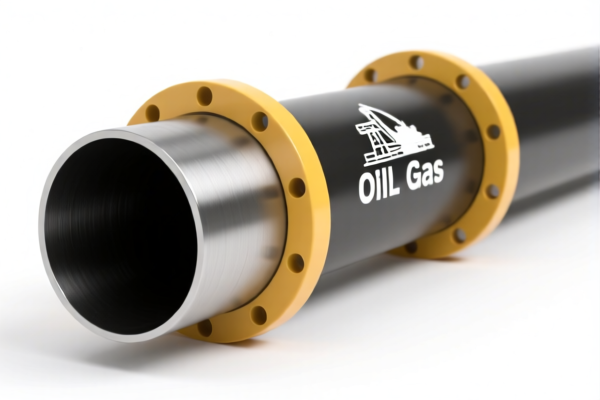
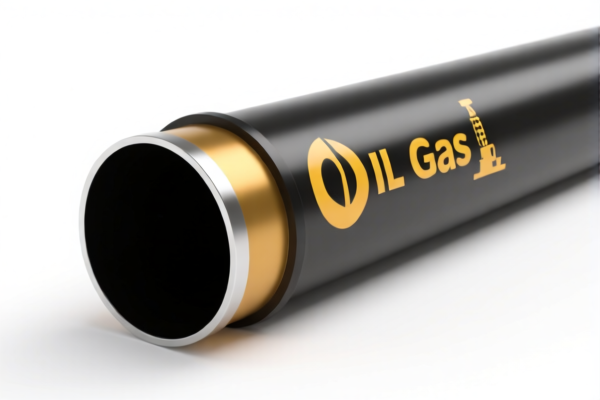
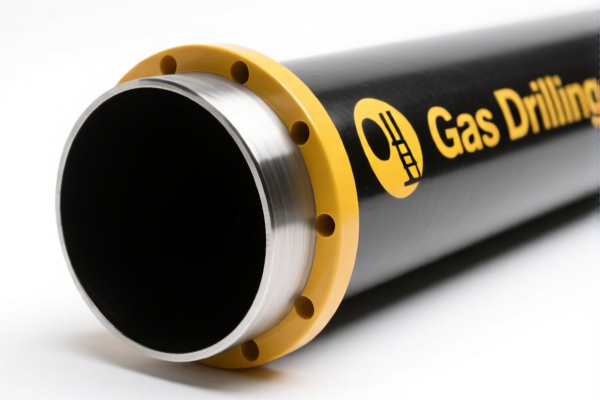
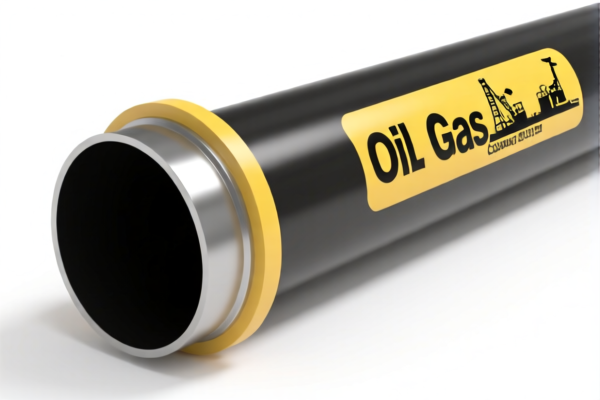
AI分析
🛢️ Casing Pipe (Metal Pipes & Tubes)
🌐 HS Code Reference & Customs Clearance Guide | 2026 Latest Tariff Analysis | Professional-Level Clearance Strategy
📌 Part I: Product Definition & Classification: Do You Truly Understand "Casing Pipe"?
Casing pipes are critical components in oil & gas drilling, construction, and industrial fluid transport. In international trade, they are classified based on Material and Cross-Sectional Shape. The HS Code classification is highly sensitive to material composition (Copper, Iron/Steel, Aluminum) due to significant tariff differences under US trade policies.
Key Classification Logic: * Copper Casing: Falls under Chapter 74. Subject to the highest tariffs due to Section 232/301 actions on metals. * Iron/Non-Alloy Steel Casing: Falls under Chapter 73. Typically has lower base duties unless specific anti-dumping rules apply. * Aluminum Casing: Falls under Chapter 76. Subject to heavy Section 232 tariffs.
⚠️ Critical Distinction:
- If the pipe is made of Copper, it attracts a ~86% total tax burden due to specific "Steel, Aluminum, Copper" surcharges.
- If the pipe is made of Iron/Steel, it attracts a 10% total tax burden.
- If the pipe is made of Aluminum, it attracts a ~40% total tax burden.
📦 Part II: HS Code Classification Details (2026 Latest Tariff Authority)
| HS Code | Product Description | Material | Shape | Applicable Scenario |
|---|---|---|---|---|
7411.10.10.90 |
Other pipes and tubes of copper | Copper | Tubular | Copper casing pipes, plumbing, or industrial copper tubes. |
7306.30.50.28 |
Other tubes, pipes, and hollow profiles, of iron or non-alloy steel | Iron/Steel | Circular Cross-Section | Standard steel casing, oil country tubular goods (OCTG) made of carbon steel. |
7608.10.00.30 |
Bars, rods, and profiles, of aluminum | Aluminum | Tubular | Aluminum alloy casing pipes, lightweight industrial tubing. |
7608.20.00.30 |
Tubes and pipes, of aluminum | Aluminum Alloy | Tubular | Seamless aluminum pipes, aluminum alloy casing. |
7411.21.10.00 |
Pipes and tubes, of copper alloys | Copper Alloy | Tubular | Brass, Bronze, or other copper-alloy casing pipes. |
🔍 Key Reminder:
- Copper products (7411...) are subject to a specific "50% surcharge" on top of base and Section 301 tariffs. This is a unique penalty for copper imports from China.
- Steel products (7306...) have 0% base and 0% Section 301 surcharge in this specific classification, resulting in a much lower total rate.
- Aluminum products (7608...) incur the standard Section 301 25% surcharge plus base duties.
💰 Part III: 2026 Latest Tariff Rate Breakdown (Including Surcharges & Policy Additions)
✅ Applicable Country: United States (US)
✅ Origin: China (CN)
✅ Effective Time: Current 2026 Tariff Structure
🎯 1. 7411.10.10.90 & 7411.21.10.00 —— Casing Pipe of Copper / Copper Alloy
| Item | Content |
|---|---|
| Base Duty Rate | 1.4% - 1.5% (ad valorem) |
| Section 301 Surcharge | +25.0% |
| Section 122 / Metal Surcharge | +50% (Specific "Steel, Aluminum, Copper Products" tariff) |
| Total Tax Rate | ~86.4% - 86.5% |
| Tax Calculation | CIF Value × 86.4% |
| De Minimis Eligibility | ❌ No (Denied) |
| Legal Basis Path | USITC:7411.10.10.90 → FOOTNOTE:Section_232_Copper → IEEPA:9903.01.24 |
📌 Explanation:
- The 50% surcharge is a critical cost driver for copper imports. It is not a standard Section 301 tariff but a specific penalty under the "Steel, Aluminum, and Copper" trade actions.
- Total Rate ~86.4% is extremely high. Importers must verify if the product is truly copper, as misclassification is a common audit target.
🎯 2. 7306.30.50.28 —— Casing Pipe of Iron or Non-Alloy Steel
| Item | Content |
|---|---|
| Base Duty Rate | 0.0% |
| Section 301 Surcharge | 0.0% |
| Section 122 / Metal Surcharge | 10% (Specific "122 Clause" tariff) |
| Total Tax Rate | 10.0% |
| Tax Calculation | CIF Value × 10.0% |
| De Minimis Eligibility | ❌ No |
| Legal Basis Path | USITC:7306.30.50.28 → IEEPA:9903.01.10 |
📌 Note:
- This is the most favorable classification for metal casing pipes if made of standard carbon steel.
- The 10% tariff applies under specific "122 Clause" provisions, which are significantly lower than the 25-50% rates for aluminum and copper.
- Ensure the steel is non-alloy. If it is stainless steel or high-alloy, the classification and rates will change drastically.
🎯 3. 7608.10.00.30 & 7608.20.00.30 —— Casing Pipe of Aluminum / Aluminum Alloy
| Item | Content |
|---|---|
| Base Duty Rate | 5.7% |
| Section 301 Surcharge | +25.0% |
| Section 122 / Metal Surcharge | 10% (Specific "122 Clause" tariff) |
| Total Tax Rate | 40.7% |
| Tax Calculation | CIF Value × 40.7% |
| De Minimis Eligibility | ❌ No |
| Legal Basis Path | USITC:7608.10.00.30 → FOOTNOTE:Section_232_Aluminum → IEEPA:9903.01.24 |
📌 Explanation:
- Aluminum casing pipes face a 40.7% total tariff.
- The 5.7% base + 25% Section 301 + 10% specific surcharge creates a high barrier to entry.
- This applies to both bars/profiles (7608.10) and tubes/pipes (7608.20) of aluminum.
🛠️ Part IV: Customs Clearance Practical Advice (Battle-Tested Pitfall Guide)
✅ 1. Required Documentation Checklist (None Can Be Missing)
| Document | Mandatory? | Description |
|---|---|---|
| ✅ Product Specification Sheet | ✔️ | Must clearly state Material Composition (e.g., % Copper, % Carbon Steel). |
| ✅ Mill Test Certificate (MTC) | ✔️ | Critical for proving alloy content.海关 will check for "Alloying Elements" to distinguish Steel vs. Aluminum. |
| ✅ Product Photos | ✔️ | Clear view of markings, cross-section, and dimensions. |
| ✅ Commercial Invoice | ✔️ | Must accurately describe the item as "Casing Pipe" and specify Material. |
| ✅ Packing List | ✔️ | Detail weight and dimensions. |
| ✅ Certificate of Origin (CO) | ✔️ | Required to verify Country of Origin (China) for tariff application. |
✅ 2. Declaration Tips (Key Mnemonics)
🔥 "Material is King, Section 301 Sings!"
| Scenario | Correct Declaration | Wrong Practice |
|---|---|---|
| Steel Casing | HS 7306.30.50.28Desc: "Iron/Steel Circular Pipe" |
Declaring as "Metal Pipe" vaguely → High Risk of Misclassification Audit |
| Copper Casing | HS 7411.10.10.90Desc: "Copper Pipe, 50% Surcharge Applicable" |
Hiding copper content → Fraud Risk, Penalties |
| Aluminum Casing | HS 7608.10.00.30Desc: "Aluminum Tube, Section 232 Applicable" |
Declaring as "General Metal Pipe" → Wrong Tax Rate |
| Mixed Shipment | Split Declaration | Declaring Mixed Materials in One Line Item → Rejection/Refund |
✅ 3. Special Situation Handling
| Situation | Handling Advice |
|---|---|
| OEM Custom Sizing | Provide precise outer diameter (OD) and wall thickness. Customs uses these to verify if it fits "Pipe" vs. "Tube" definitions. |
| Alloy Ambiguity | If the material is an alloy (e.g., Steel vs. Stainless, or Copper Alloy), provide chemical analysis reports. Misidentifying alloy content changes the HS Code and Tax Rate completely. |
| Section 301 Exclusions | Check if your specific HS Code currently has a Section 301 exclusion. Most metal pipes do not have exclusions for China origin. |
| Port of Entry | Some ports (e.g., LA/Long Beach) are more aggressive on metal tariff enforcement. Prepare extra documentation. |
🌍 Part V: Global Market Comparison (2026 Latest)
| Country/Region | Recommended HS Code | Tariff (China Origin) | Key Certification | Note |
|---|---|---|---|---|
| 🇺🇸 USA | See Table Above | 10% - 86.5% | No special cert needed for customs | Highest Tariffs Globally due to Section 232/301 |
| 🇨🇳 China | Similar HS Codes | 0% - 5% | None | Low import duty, but export taxes may apply |
| 🇪🇺 EU | Similar HS Codes | 0% - 4.5% | CE (if applicable) | No Section 301 equivalent, but anti-dumping duties may apply for steel |
| 🇨🇦 Canada | Similar HS Codes | 0% - 7.5% | CSA | Lower tariffs than US, but CUSMA rules apply |
| 🇲🇽 Mexico | Similar HS Codes | 0% - 5% | NOM | Low tariffs, but stringent origin verification |
📌 Conclusion:
- USA is the most challenging market for casing pipes due to the layered tariff structure (Base + Section 301 + Specific Metal Surcharge).
- Copper pipes (7411) are the most expensive to import into the US.
- Steel pipes (7306) are the most competitive due to the lower 10% rate.
📌 Part VI: Common Errors & Pitfall Guide (Lessons Learned)
❌ Error 1: Declaring "Aluminum Pipe" as "General Metal Pipe"
👉 Consequence: Wrong HS Code → Customs Hold, Backdated Tariffs + Penalties.
❌ Error 2: Under-declaring Copper Content in Alloy Pipes
👉 Consequence: If found to be >10% Copper, it may be reclassified to 7411, triggering the 50% surcharge.
❌ Error 3: Ignoring Section 301 Exclusions List
👉 Consequence: Many metal products were removed from exclusions. Assuming you are exempt can lead to large back-taxes.
❌ Error 4: Vague Description "Metal Casing"
👉 Consequence: Customs will request Mill Test Certificates immediately. Delays cause demurrage charges.
✅ Correct Practice:
"Casing Pipe, Seamless, Outer Diameter: 100mm, Wall Thickness: 5mm, Material: Carbon Steel ASTM A106, Country of Origin: China"
🎯 Part VII: Conclusion: Professional Declaration Saves Money!
🎯 Remember Mnemonics:
🔹 "Copper Pays 86%, Aluminum 40%, Steel 10% – Check Your Metal First!"
🔹 "HS Code Defines Tax, Material Defines Code – Be Specific or Pay More!"
📌 Pro Tip:
If your casing pipes are originally manufactured in Vietnam, Mexico, or Thailand, you may apply for Section 301 Exclusions or lower CUSMA/USMCA tariffs.
Recommendation: Request Advance Rulings from CBP if you have mixed materials or complex alloy compositions.
📣 Immediate Action:
📞 Contact a Licensed Customs Broker
📤 Provide Material Test Reports + Product Images
🚀 Ensure Smooth Clearance, Avoid Surprises, Maximize Profit Margins!
✨ Professional Customs Clearance Starts with Accurate Classification!
💼 Your Every Dollar is Worth Calculating Precisely!
用户评价
关于 HS 编码归类
协调制度(HS)是由世界海关组织(WCO)制定的国际贸易商品分类标准。全球 200 多个国家采用 HS 系统作为海关关税、贸易统计和进出口监管的基础。
每个 HS 编码遵循以下层级结构:
- 章(2 位)——商品大类(例如:第 84 章:机器和机械设备)
- 品目(4 位)——章内的更具体分类
- 子目(6 位)——国际通用细分,所有 WCO 成员国统一使用
- 本国细分(8-10 位)——各国自行扩展的细分编码,如美国 HTSUS 10 位编码
正确的 HS 编码归类对于顺利通关、准确缴纳关税和遵守贸易法规至关重要。错误归类可能导致海关延误、多缴关税或罚款。
从CN进口到US时,适用的关税税率可能包括:
- 最惠国(MFN)税率——适用于 WTO 成员国的标准关税税率
- 普通税率——适用于无贸易协定国家
- 贸易救济关税——附加关税,如 301 条款(反倾销)、232 条款(国家安全)或反补贴税
本页内容仅供参考。如需正式归类,请咨询当地海关或持牌报关代理。