Casing Pipe
CN → US| HS Code | Tariff Rate | Origin | Destination | Doc |
|---|---|---|---|---|
| 7411101090 | 86.5% | CN | US | Official Doc |
| 7306305028 | 10.0% | CN | US | Official Doc |
| 7608100030 | 40.7% | CN | US | Official Doc |
| 7608200030 | 40.7% | CN | US | Official Doc |
| 7411211000 | 86.4% | CN | US | Official Doc |
Product Images
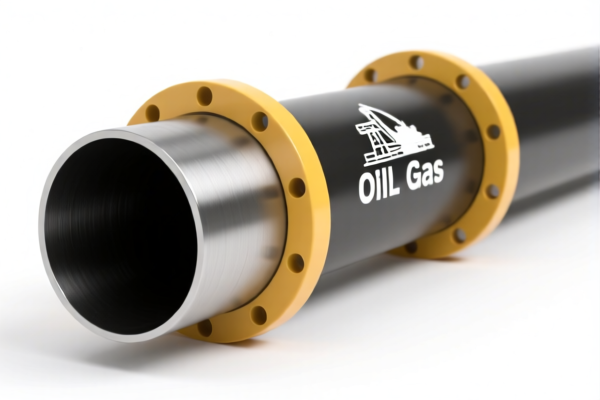
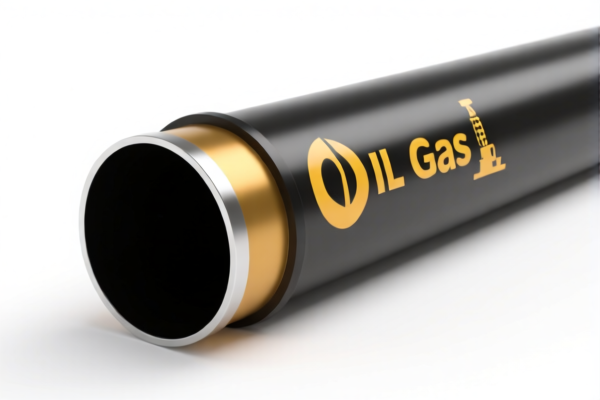
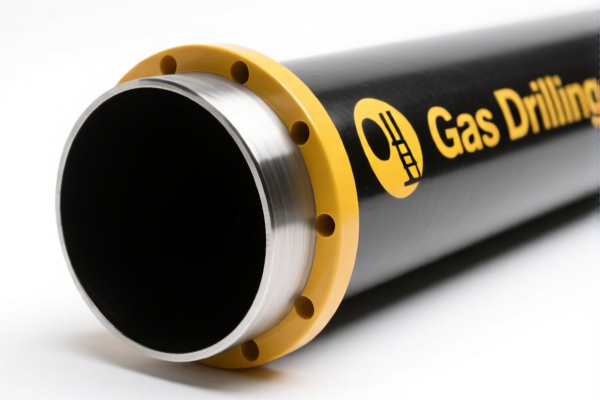
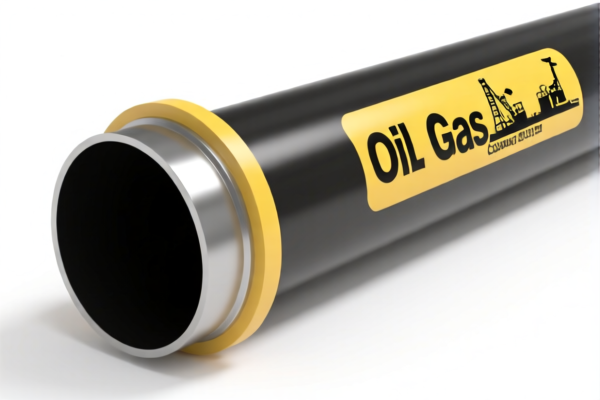
AI Analysis
🛢️ Casing Pipe (Metal Pipes & Tubes)
🌐 HS Code Reference & Customs Clearance Guide | 2026 Latest Tariff Analysis | Professional-Level Clearance Strategy
📌 Part I: Product Definition & Classification: Do You Truly Understand "Casing Pipe"?
Casing pipes are critical components in oil & gas drilling, construction, and industrial fluid transport. In international trade, they are classified based on Material and Cross-Sectional Shape. The HS Code classification is highly sensitive to material composition (Copper, Iron/Steel, Aluminum) due to significant tariff differences under US trade policies.
Key Classification Logic: * Copper Casing: Falls under Chapter 74. Subject to the highest tariffs due to Section 232/301 actions on metals. * Iron/Non-Alloy Steel Casing: Falls under Chapter 73. Typically has lower base duties unless specific anti-dumping rules apply. * Aluminum Casing: Falls under Chapter 76. Subject to heavy Section 232 tariffs.
⚠️ Critical Distinction:
- If the pipe is made of Copper, it attracts a ~86% total tax burden due to specific "Steel, Aluminum, Copper" surcharges.
- If the pipe is made of Iron/Steel, it attracts a 10% total tax burden.
- If the pipe is made of Aluminum, it attracts a ~40% total tax burden.
📦 Part II: HS Code Classification Details (2026 Latest Tariff Authority)
| HS Code | Product Description | Material | Shape | Applicable Scenario |
|---|---|---|---|---|
7411.10.10.90 |
Other pipes and tubes of copper | Copper | Tubular | Copper casing pipes, plumbing, or industrial copper tubes. |
7306.30.50.28 |
Other tubes, pipes, and hollow profiles, of iron or non-alloy steel | Iron/Steel | Circular Cross-Section | Standard steel casing, oil country tubular goods (OCTG) made of carbon steel. |
7608.10.00.30 |
Bars, rods, and profiles, of aluminum | Aluminum | Tubular | Aluminum alloy casing pipes, lightweight industrial tubing. |
7608.20.00.30 |
Tubes and pipes, of aluminum | Aluminum Alloy | Tubular | Seamless aluminum pipes, aluminum alloy casing. |
7411.21.10.00 |
Pipes and tubes, of copper alloys | Copper Alloy | Tubular | Brass, Bronze, or other copper-alloy casing pipes. |
🔍 Key Reminder:
- Copper products (7411...) are subject to a specific "50% surcharge" on top of base and Section 301 tariffs. This is a unique penalty for copper imports from China.
- Steel products (7306...) have 0% base and 0% Section 301 surcharge in this specific classification, resulting in a much lower total rate.
- Aluminum products (7608...) incur the standard Section 301 25% surcharge plus base duties.
💰 Part III: 2026 Latest Tariff Rate Breakdown (Including Surcharges & Policy Additions)
✅ Applicable Country: United States (US)
✅ Origin: China (CN)
✅ Effective Time: Current 2026 Tariff Structure
🎯 1. 7411.10.10.90 & 7411.21.10.00 —— Casing Pipe of Copper / Copper Alloy
| Item | Content |
|---|---|
| Base Duty Rate | 1.4% - 1.5% (ad valorem) |
| Section 301 Surcharge | +25.0% |
| Section 122 / Metal Surcharge | +50% (Specific "Steel, Aluminum, Copper Products" tariff) |
| Total Tax Rate | ~86.4% - 86.5% |
| Tax Calculation | CIF Value × 86.4% |
| De Minimis Eligibility | ❌ No (Denied) |
| Legal Basis Path | USITC:7411.10.10.90 → FOOTNOTE:Section_232_Copper → IEEPA:9903.01.24 |
📌 Explanation:
- The 50% surcharge is a critical cost driver for copper imports. It is not a standard Section 301 tariff but a specific penalty under the "Steel, Aluminum, and Copper" trade actions.
- Total Rate ~86.4% is extremely high. Importers must verify if the product is truly copper, as misclassification is a common audit target.
🎯 2. 7306.30.50.28 —— Casing Pipe of Iron or Non-Alloy Steel
| Item | Content |
|---|---|
| Base Duty Rate | 0.0% |
| Section 301 Surcharge | 0.0% |
| Section 122 / Metal Surcharge | 10% (Specific "122 Clause" tariff) |
| Total Tax Rate | 10.0% |
| Tax Calculation | CIF Value × 10.0% |
| De Minimis Eligibility | ❌ No |
| Legal Basis Path | USITC:7306.30.50.28 → IEEPA:9903.01.10 |
📌 Note:
- This is the most favorable classification for metal casing pipes if made of standard carbon steel.
- The 10% tariff applies under specific "122 Clause" provisions, which are significantly lower than the 25-50% rates for aluminum and copper.
- Ensure the steel is non-alloy. If it is stainless steel or high-alloy, the classification and rates will change drastically.
🎯 3. 7608.10.00.30 & 7608.20.00.30 —— Casing Pipe of Aluminum / Aluminum Alloy
| Item | Content |
|---|---|
| Base Duty Rate | 5.7% |
| Section 301 Surcharge | +25.0% |
| Section 122 / Metal Surcharge | 10% (Specific "122 Clause" tariff) |
| Total Tax Rate | 40.7% |
| Tax Calculation | CIF Value × 40.7% |
| De Minimis Eligibility | ❌ No |
| Legal Basis Path | USITC:7608.10.00.30 → FOOTNOTE:Section_232_Aluminum → IEEPA:9903.01.24 |
📌 Explanation:
- Aluminum casing pipes face a 40.7% total tariff.
- The 5.7% base + 25% Section 301 + 10% specific surcharge creates a high barrier to entry.
- This applies to both bars/profiles (7608.10) and tubes/pipes (7608.20) of aluminum.
🛠️ Part IV: Customs Clearance Practical Advice (Battle-Tested Pitfall Guide)
✅ 1. Required Documentation Checklist (None Can Be Missing)
| Document | Mandatory? | Description |
|---|---|---|
| ✅ Product Specification Sheet | ✔️ | Must clearly state Material Composition (e.g., % Copper, % Carbon Steel). |
| ✅ Mill Test Certificate (MTC) | ✔️ | Critical for proving alloy content.海关 will check for "Alloying Elements" to distinguish Steel vs. Aluminum. |
| ✅ Product Photos | ✔️ | Clear view of markings, cross-section, and dimensions. |
| ✅ Commercial Invoice | ✔️ | Must accurately describe the item as "Casing Pipe" and specify Material. |
| ✅ Packing List | ✔️ | Detail weight and dimensions. |
| ✅ Certificate of Origin (CO) | ✔️ | Required to verify Country of Origin (China) for tariff application. |
✅ 2. Declaration Tips (Key Mnemonics)
🔥 "Material is King, Section 301 Sings!"
| Scenario | Correct Declaration | Wrong Practice |
|---|---|---|
| Steel Casing | HS 7306.30.50.28Desc: "Iron/Steel Circular Pipe" |
Declaring as "Metal Pipe" vaguely → High Risk of Misclassification Audit |
| Copper Casing | HS 7411.10.10.90Desc: "Copper Pipe, 50% Surcharge Applicable" |
Hiding copper content → Fraud Risk, Penalties |
| Aluminum Casing | HS 7608.10.00.30Desc: "Aluminum Tube, Section 232 Applicable" |
Declaring as "General Metal Pipe" → Wrong Tax Rate |
| Mixed Shipment | Split Declaration | Declaring Mixed Materials in One Line Item → Rejection/Refund |
✅ 3. Special Situation Handling
| Situation | Handling Advice |
|---|---|
| OEM Custom Sizing | Provide precise outer diameter (OD) and wall thickness. Customs uses these to verify if it fits "Pipe" vs. "Tube" definitions. |
| Alloy Ambiguity | If the material is an alloy (e.g., Steel vs. Stainless, or Copper Alloy), provide chemical analysis reports. Misidentifying alloy content changes the HS Code and Tax Rate completely. |
| Section 301 Exclusions | Check if your specific HS Code currently has a Section 301 exclusion. Most metal pipes do not have exclusions for China origin. |
| Port of Entry | Some ports (e.g., LA/Long Beach) are more aggressive on metal tariff enforcement. Prepare extra documentation. |
🌍 Part V: Global Market Comparison (2026 Latest)
| Country/Region | Recommended HS Code | Tariff (China Origin) | Key Certification | Note |
|---|---|---|---|---|
| 🇺🇸 USA | See Table Above | 10% - 86.5% | No special cert needed for customs | Highest Tariffs Globally due to Section 232/301 |
| 🇨🇳 China | Similar HS Codes | 0% - 5% | None | Low import duty, but export taxes may apply |
| 🇪🇺 EU | Similar HS Codes | 0% - 4.5% | CE (if applicable) | No Section 301 equivalent, but anti-dumping duties may apply for steel |
| 🇨🇦 Canada | Similar HS Codes | 0% - 7.5% | CSA | Lower tariffs than US, but CUSMA rules apply |
| 🇲🇽 Mexico | Similar HS Codes | 0% - 5% | NOM | Low tariffs, but stringent origin verification |
📌 Conclusion:
- USA is the most challenging market for casing pipes due to the layered tariff structure (Base + Section 301 + Specific Metal Surcharge).
- Copper pipes (7411) are the most expensive to import into the US.
- Steel pipes (7306) are the most competitive due to the lower 10% rate.
📌 Part VI: Common Errors & Pitfall Guide (Lessons Learned)
❌ Error 1: Declaring "Aluminum Pipe" as "General Metal Pipe"
👉 Consequence: Wrong HS Code → Customs Hold, Backdated Tariffs + Penalties.
❌ Error 2: Under-declaring Copper Content in Alloy Pipes
👉 Consequence: If found to be >10% Copper, it may be reclassified to 7411, triggering the 50% surcharge.
❌ Error 3: Ignoring Section 301 Exclusions List
👉 Consequence: Many metal products were removed from exclusions. Assuming you are exempt can lead to large back-taxes.
❌ Error 4: Vague Description "Metal Casing"
👉 Consequence: Customs will request Mill Test Certificates immediately. Delays cause demurrage charges.
✅ Correct Practice:
"Casing Pipe, Seamless, Outer Diameter: 100mm, Wall Thickness: 5mm, Material: Carbon Steel ASTM A106, Country of Origin: China"
🎯 Part VII: Conclusion: Professional Declaration Saves Money!
🎯 Remember Mnemonics:
🔹 "Copper Pays 86%, Aluminum 40%, Steel 10% – Check Your Metal First!"
🔹 "HS Code Defines Tax, Material Defines Code – Be Specific or Pay More!"
📌 Pro Tip:
If your casing pipes are originally manufactured in Vietnam, Mexico, or Thailand, you may apply for Section 301 Exclusions or lower CUSMA/USMCA tariffs.
Recommendation: Request Advance Rulings from CBP if you have mixed materials or complex alloy compositions.
📣 Immediate Action:
📞 Contact a Licensed Customs Broker
📤 Provide Material Test Reports + Product Images
🚀 Ensure Smooth Clearance, Avoid Surprises, Maximize Profit Margins!
✨ Professional Customs Clearance Starts with Accurate Classification!
💼 Your Every Dollar is Worth Calculating Precisely!
Customer Reviews
About HS Code Classification
The Harmonized System (HS) is an internationally standardized nomenclature developed by the World Customs Organization (WCO) to classify traded products. Over 200 countries use the HS system as the basis for customs tariffs, trade statistics, and import/export regulations.
Each HS code follows a hierarchical structure:
- Chapter (2 digits) — Broad category of goods (e.g., Chapter 84: Machinery and Mechanical Appliances)
- Heading (4 digits) — More specific grouping within the chapter
- Subheading (6 digits) — Internationally standardized breakdown, used by all WCO member countries
- National subdivisions (8-10 digits) — Country-specific extensions for further classification, such as US HTSUS 10-digit codes
Correct HS code classification is essential for smooth customs clearance, accurate duty payment, and compliance with trade regulations. Misclassification can lead to customs delays, overpayment of duties, or penalties.
When importing from CN to US, the applicable tariff rates may include:
- Most-Favored-Nation (MFN) rate — The standard duty rate applied to WTO members
- General rate — Applied to countries without trade agreements
- Trade remedy duties — Additional tariffs such as Section 301 (anti-dumping), Section 232 (national security), or countervailing duties
The information provided on this page is for reference purposes only. For official classification, please consult with your local customs authority or a licensed customs broker.