Cat Scratching Post
CN → US| HS编码 | 关税税率 | 原产国 | 目的国 | 文档 |
|---|---|---|---|---|
| 3926305000 | 22.8% | CN | US | 官方文档 |
| 4421999880 | 38.3% | CN | US | 官方文档 |
| 5603949090 | 35.0% | CN | US | 官方文档 |
| 4421919880 | 38.3% | CN | US | 官方文档 |
| 3926909989 | 22.8% | CN | US | 官方文档 |
商品图片
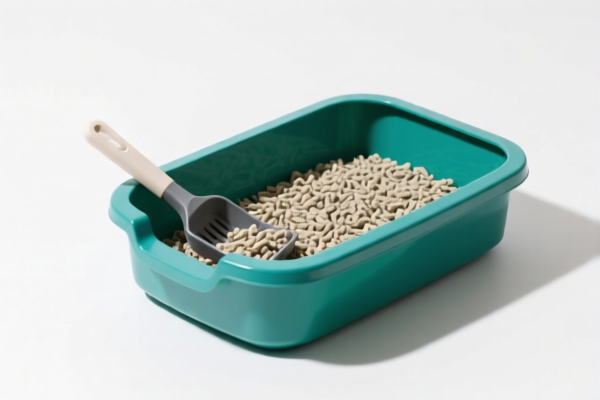
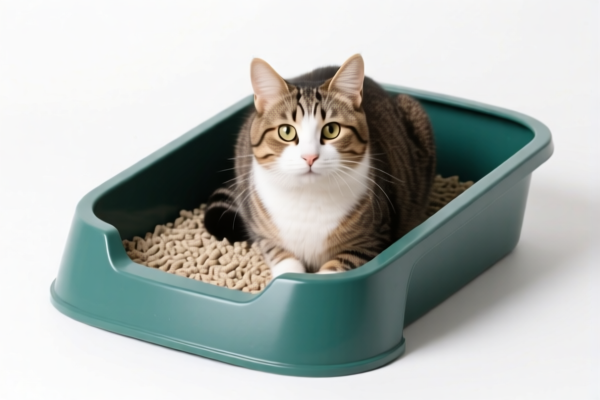
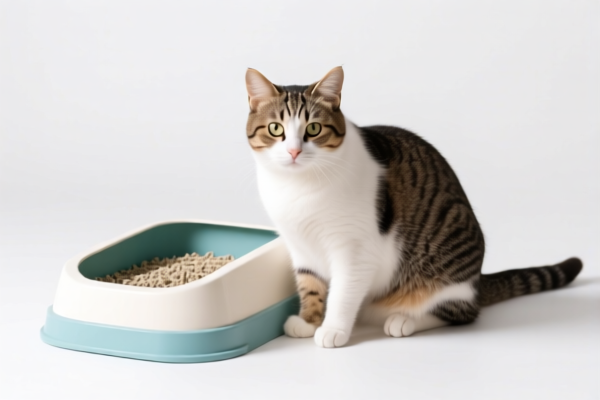
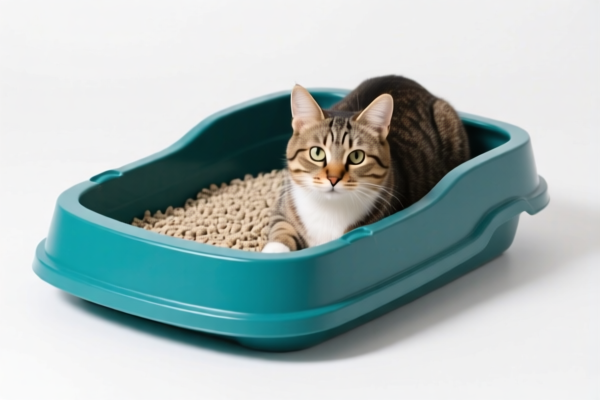
AI分析
🐾 Cat Scratching Post & Pads (Feline Furniture & Accessories)
🌐 HS Code Reference & Customs Clearance Guide | 2026 Latest Tariff Analysis | Professional Clearance Strategy
📌 I. Product Definition & Classification: Do You Really Understand "Cat Scratching Posts"?
A cat scratching post (or pad) is a functional item designed to satisfy the natural instinct of cats to scratch, typically used to protect furniture and maintain claw health. In international trade, these products are rarely classified under a single specific category due to variations in material composition and structural design.
The key classification divergence lies in the primary material: * Wood/Bamboo Based: If the structure is primarily wooden or bamboo (e.g., wooden base, sisal-wrapped post). * Plastic Based: If the base or frame is made of plastic (e.g., molded plastic base with cardboard inserts). * Non-Woven/Fiber Based: If the product is essentially a composite of cardboard, sisal fiber, or non-woven fabric without a rigid structural frame.
⚠️ Key Distinction Point:
- If the item has a rigid wooden/bamboo frame → Likely Chapter 44 (Wood).
- If the item has a plastic frame/base → Likely Chapter 39 (Plastics) or Chapter 94 (Furniture) accessories.
- If the item is a flat pad or fiber-based composite → Likely Chapter 56 (Non-wovens) or other "Other" categories.
📦 II. HS Code Classification Details (2026 Latest Tariff Authority Comparison)
| HS Code | Product Description | Applicable Scenario | Primary Material |
|---|---|---|---|
4421.99.98.80 |
Other articles of wood (Fall-back category) | Wooden bases, bamboo structures, or mixed wooden items not specifically listed elsewhere. | 🪵 Wood/Bamboo |
4421.91.98.80 |
Bamboo articles | Specifically bamboo-based scratching posts or pads. | 🎋 Bamboo |
3926.30.50.00 |
Other articles of plastics (Household/Office) | Plastic bases, plastic-coated structures, or plastic-dominant frames. | 🧱 Plastic |
3926.90.99.89 |
Other articles of plastics (Not elsewhere specified) | Complex plastic composites or accessories not covered in 3926.30. | 🧱 Plastic Composite |
5603.94.90.90 |
Other non-woven fabrics (Staple fibers) | Products made primarily of sisal, cardboard fiber, or non-woven materials without rigid structural frames. | 🧶 Fiber/Sisal |
🔍 Key Reminder:
- Wooden items generally fall under 4421.99.98.80 unless they are specifically "Bamboo" (4421.91.98.80). - Plastic items often fall under 3926.30.50.00 if considered "household articles" or 3926.90.99.89 as a general plastic article. - Fiber-based items (like plain cardboard pads or sisal mats) may be classified under 5603.94.90.90 as non-woven fiber products.
💰 III. 2026 Latest Tariff Rate Details (Including Surcharges & Policy Add-ons)
✅ Applicable Country: United States (US)
✅ Origin: China (CN)
✅ Effective Time: Post-November 10, 2025 (Includes subsequent imports)
🎯 1. 4421.99.98.80 & 4421.91.98.80 —— Wood & Bamboo Articles
| Item | Content |
|---|---|
| Basic Duty Rate | 3.3% (ad valorem) |
| Section 301 Surcharge (Trade War) | +25% |
| IEEPA Surcharge (Section 122/Other) | +10% |
| Total Effective Rate | 38.3% |
| Tax Calculation | CIF Value × 38.3% |
| De Minimis Exemption Eligible? | ❌ No (deny_de_minimis) |
| Legal Authority Path | Basic: 3.3% → 301: 25.0% → IEEPA: 10.0% |
📌 Explanation:
- Wooden and bamboo cat furniture is heavily impacted by US-China trade tensions. - The 25% Section 301 tariff is the dominant cost driver. - Combined with the 10% IEEPA surcharge, the total landed tax burden is significant (38.3%).
🎯 2. 3926.30.50.00 & 3926.90.99.89 —— Plastic Articles
| Item | Content |
|---|---|
| Basic Duty Rate | 5.3% (ad valorem) |
| Section 301 Surcharge (Trade War) | +7.5% |
| IEEPA Surcharge (Section 122/Other) | +10% |
| Total Effective Rate | 22.8% |
| Tax Calculation | CIF Value × 22.8% |
| De Minimis Exemption Eligible? | ❌ No (deny_de_minimis) |
| Legal Authority Path | Basic: 5.3% → 301: 7.5% → IEEPA: 10.0% |
📌 Note:
- Plastic-based scratching posts have a lower total rate (22.8%) compared to wood. - The Section 301 surcharge for plastics (7.5%) is lower than that for wood (25%). - This makes plastic-based designs more tariff-efficient for the US market.
🎯 3. 5603.94.90.90 —— Non-Woven/Fiber Products
| Item | Content |
|---|---|
| Basic Duty Rate | 0.0% (ad valorem) |
| Section 301 Surcharge (Trade War) | +25% |
| IEEPA Surcharge (Section 122/Other) | +10% |
| Total Effective Rate | 35.0% |
| Tax Calculation | CIF Value × 35.0% |
| De Minimis Exemption Eligible? | ❌ No (deny_de_minimis) |
| Legal Authority Path | Basic: 0.0% → 301: 25.0% → IEEPA: 10.0% |
📌 Analysis:
- Although the basic duty is 0%, the 25% Section 301 surcharge (often applied to textile/fiber-like goods from China) pushes the total to 35.0%. - This rate is higher than plastic (22.8%) but slightly lower than wood (38.3%).
🛠️ IV. Customs Clearance Practical Advice (Avoid Pitfalls Guide)
✅ 1. Preparation Checklist (Mandatory Documents)
| Document | Required? | Description |
|---|---|---|
| ✅ Product Specifications | ✔️ | Detailed description: Material composition (e.g., "Wooden base with sisal wrap"), dimensions, weight. |
| ✅ Material Breakdown | ✔️ | Clear statement: e.g., "70% Wood, 30% Sisal" or "100% Plastic Base". Crucial for HS Code selection. |
| ✅ Product Photos | ✔️ | Clear images showing the entire product, base material, and texture. |
| ✅ Commercial Invoice | ✔️ | Must accurately describe the item (e.g., "Cat Scratching Post, Wooden Base") to match HS Code. |
| ✅ Packing List | ✔️ | Detailing net/gross weight and volume. |
| ✅ FSC Certificate (If Wood) | ⚠️ Recommended | If claiming wood origin, FSC certification may be required for compliance. |
✅ 2. Declaration Tips (Key Mantras)
🔥 "Match Material to HS, Don't Guess the Code!"
| Scenario | Correct Declaration | Wrong Practice |
|---|---|---|
| Wooden Base + Sisal Post | HS: 4421.99.98.80Desc: "Wooden Cat Scratching Post" |
Declaring as "Plastic" to avoid tax → Penalty! |
| Plastic Base + Cardboard | HS: 3926.30.50.00Desc: "Plastic Cat Scratching Post" |
Declaring as "Textile" → Delay/Seizure |
| Flat Sisal Pad (No Frame) | HS: 5603.94.90.90Desc: "Sisal Non-woven Cat Pad" |
Declaring as "Wood" → Incorrect Classification |
| Bamboo Post | HS: 4421.91.98.80Desc: "Bamboo Cat Scratching Post" |
Declaring as generic "Wood" → May face scrutiny |
✅ 3. Special Situations Handling
| Situation | Handling Advice |
|---|---|
| Mixed Material Products | Declare based on the essential character (primary structural material). If wood dominates, use 4421. |
| OEM/Private Label | Ensure the invoice matches the product exactly. No "hidden" brands or misleading descriptions. |
| Packaging | If the product is disassembled (e.g., flat-packed wooden posts), still declare as one unit (the post), not as separate "wooden boards." |
| Samples vs. Bulk | Even samples are subject to the same HS classification and tariffs if entered for commercial purposes. |
🌍 V. Global Market Comparison (2026 Latest)
| Country/Region | Recommended HS Code | Tariff Rate (China Origin) | Certification | Notes |
|---|---|---|---|---|
| 🇺🇸 USA | 4421.99.98.80 / 3926.30.50.00 |
22.8% – 38.3% | FCC (if electronic), None else | High tariffs due to 301 & IEEPA. |
| 🇨🇳 China | 4421.99.98.80 / 3926.30.50.00 |
5% - 10% | CCC (if applicable) | No extra surcharges. |
| 🇪🇺 EU | 4421.99.98 / 3926.90.99 |
0% - 6.5% | CE (if applicable) | No Section 301. Generally favorable. |
| 🇬🇧 UK | 4421.99.99 / 3926.90.99 |
0% - 6.5% | UKCA | Post-Brexit rules apply. |
| 🇯🇵 Japan | 4421.99.99 / 3926.90.99 |
0% - 8% | PSE (if electronic) | No major surcharges. |
📌 Conclusion:
- The US market is the most expensive due to layered tariffs (Base + 301 + IEEPA). - Plastic-based products enjoy a lower total tariff rate (22.8%) in the US compared to Wood (38.3%). - EU/UK/Japan markets are significantly more tariff-friendly.
📌 VI. Common Errors & Pitfalls (Lessons Learned)
❌ Error 1: Misdeclaring a Wooden Post as "Plastic" to save tax.
👉 Consequence: Customs inspection reveals wood → Heavy fines + Back taxes + Cargo seizure.
❌ Error 2: Declaring a Sisal Pad as "Wood" because it has a tiny wooden hook.
👉 Consequence: Incorrect HS Code → 38.3% applied instead of 35.0%, or rejection by customs.
❌ Error 3: Ignoring the "Essential Character" rule for mixed materials.
👉 Consequence: If the wooden base is 80% of the value/volume, it must be classified under Wood. Failure to do so leads to audit risks.
✅ Correct Practice:
"Cat Scratching Post, Wooden Base, Sisal Wrapped, Model XYZ, 12kg"
🎯 VII. Conclusion: Smart Classification, Cost Efficiency!
🎯 Remember the Mantra:
🔹 "Wood = 38.3%, Plastic = 22.8%, Fiber = 35.0%"
🔹 "Material Determines Code, Code Determines Cost!"
🔹 "In the US, every 1% of tariff saving is pure profit!"
📌 Pro Tip:
- If you are shipping to the US, consider designing products with Plastic bases or non-wooden materials to reduce the 25% Section 301 burden.
- For Wooden products, ensure precise material declaration to avoid being downgraded to higher-tax subcategories.
- Always apply for an Advance Ruling if your product has complex mixed materials.
📣 Call to Action:
📞 Contact a licensed customs broker.
📝 Provide detailed material breakdowns.
🚀 Optimize your supply chain to navigate 2026 tariffs with confidence!
✨ Professional Clearance Starts with Accurate Classification!
💼 Your Bottom Line Depends on Your HS Code!
用户评价
关于 HS 编码归类
协调制度(HS)是由世界海关组织(WCO)制定的国际贸易商品分类标准。全球 200 多个国家采用 HS 系统作为海关关税、贸易统计和进出口监管的基础。
每个 HS 编码遵循以下层级结构:
- 章(2 位)——商品大类(例如:第 84 章:机器和机械设备)
- 品目(4 位)——章内的更具体分类
- 子目(6 位)——国际通用细分,所有 WCO 成员国统一使用
- 本国细分(8-10 位)——各国自行扩展的细分编码,如美国 HTSUS 10 位编码
正确的 HS 编码归类对于顺利通关、准确缴纳关税和遵守贸易法规至关重要。错误归类可能导致海关延误、多缴关税或罚款。
从CN进口到US时,适用的关税税率可能包括:
- 最惠国(MFN)税率——适用于 WTO 成员国的标准关税税率
- 普通税率——适用于无贸易协定国家
- 贸易救济关税——附加关税,如 301 条款(反倾销)、232 条款(国家安全)或反补贴税
本页内容仅供参考。如需正式归类,请咨询当地海关或持牌报关代理。